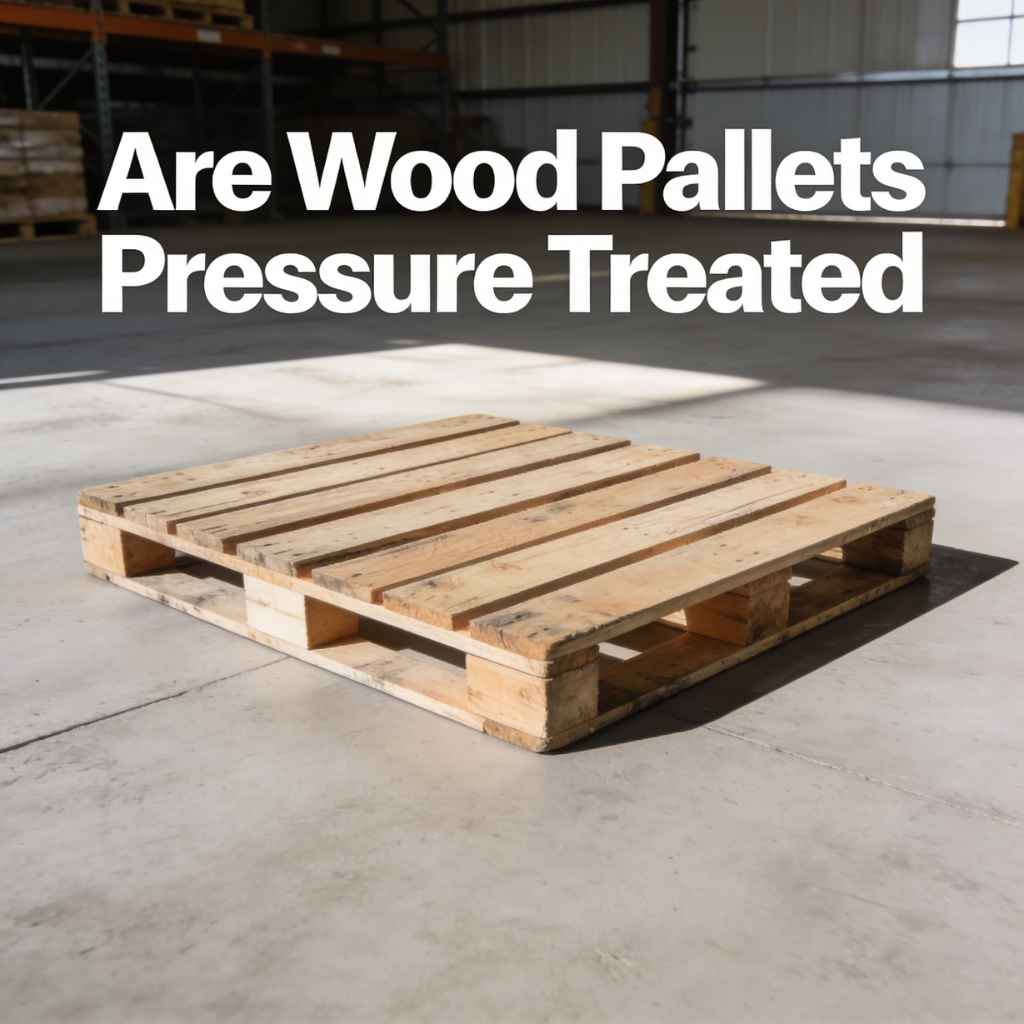
Are Wood Pallets Pressure Treated
Many people wonder if wood pallets have been pressure treated. This is a common question, especially for those who work with pallets for DIY projects or in businesses. It can seem confusing because there are different types of wood treatments.
We are here to make it super simple. We will walk you through everything you need to know about whether wood pallets are pressure treated, step by step. Get ready to find out the easy answers.
Understanding Wood Pallet Treatments
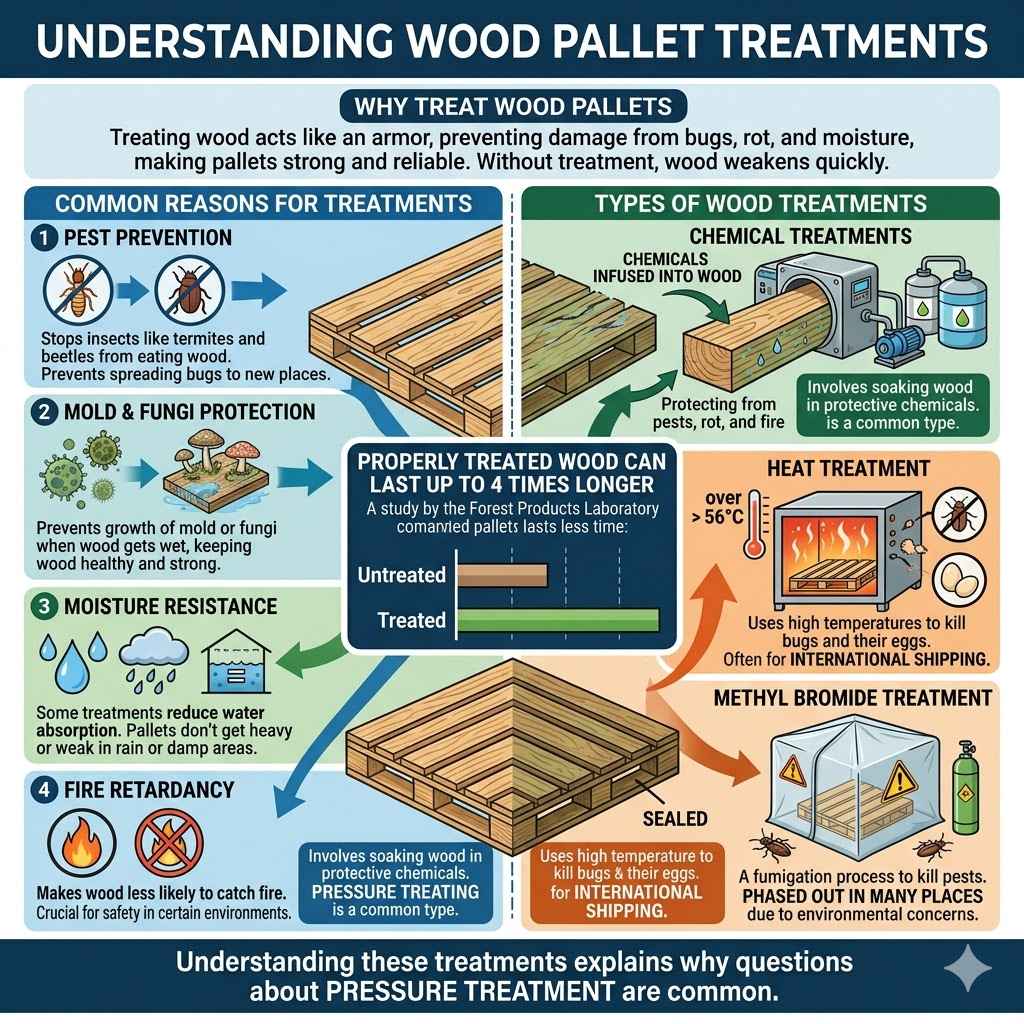
Wood pallets are a vital part of many industries, moving goods from one place to another. Because they travel a lot and can be exposed to different environments, they often get treatments to keep them strong and safe. This section explains why pallets are treated and what those treatments are for.
Why Treat Wood Pallets
Treating wood helps it last longer and protects it from harm. Think of it like putting a coat of armor on the wood. Without any treatment, wood can get damaged by bugs, rot, and moisture very quickly.
This would make pallets weak and unreliable, causing problems for the things they carry.
Common reasons for treating wood pallets include:
- Pest Prevention: Treatments stop insects like termites and beetles from eating the wood. This is very important because infested pallets can spread bugs to new places.
- Mold and Fungi Protection: Wood can grow mold or fungi when it gets wet. Treatments help prevent this, keeping the wood healthy and strong.
- Moisture Resistance: Some treatments help the wood soak up less water. This means the pallets won’t get heavy or weak when it rains or when they are stored in damp areas.
- Fire Retardancy: Certain treatments can make wood less likely to catch fire. This is especially useful in places where safety is a big concern.
A study by the Forest Products Laboratory showed that properly treated wood can last up to four times longer than untreated wood in outdoor environments. This extends the life of the pallet and reduces the need for frequent replacements.
Types of Wood Treatments
There are different ways wood can be treated. Some are simple, like painting, while others are more involved, like pressure treating. The method used often depends on how the pallet will be used and what kind of protection is needed.
Here are a few common treatment types:
- Chemical Treatments: These involve soaking the wood in chemicals that protect it from pests, rot, and fire. Pressure treating is a type of chemical treatment.
- Heat Treatment: This method uses high temperatures to kill bugs and their eggs. It’s often used for pallets that will be shipped internationally.
- Methyl Bromide Treatment: This is a fumigation process that kills pests. However, it is being phased out in many places due to environmental concerns.
Understanding these treatments helps explain why the question “Are Wood Pallets Pressure Treated?” comes up so often.
Are Wood Pallets Pressure Treated?
The simple answer to “Are Wood Pallets Pressure Treated?” is: not always, but it’s common. Many pallets are treated to make them last longer and be safe. Pressure treating is one of the most effective ways to protect wood.
It forces chemicals deep into the wood fibers.
The Pressure Treating Process
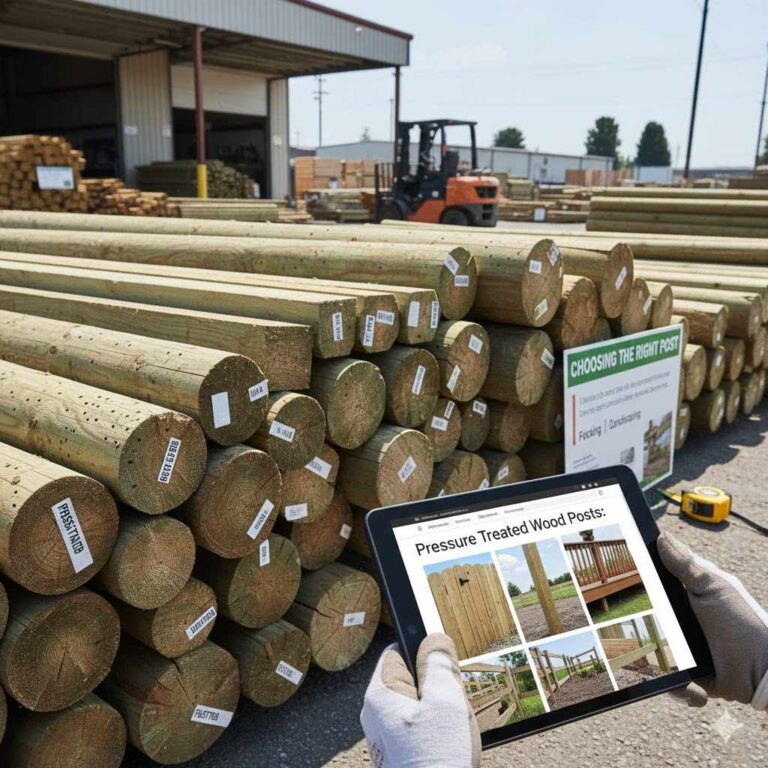
Pressure treating is a special way to put preservatives into wood. Imagine the wood is put inside a big, strong tank. Then, air is removed from the tank.
After that, the wood is soaked in a liquid that protects it from things like bugs and rot. The pressure helps this liquid go all the way into the wood.
This process makes the wood very durable. It’s used for things like decks, fences, and, yes, many wood pallets. The chemicals used are usually copper-based.
These chemicals are safe when used correctly and help the wood resist decay and insects for a long time. The depth of the treatment matters for how long the wood lasts.
Identifying Pressure Treated Pallets
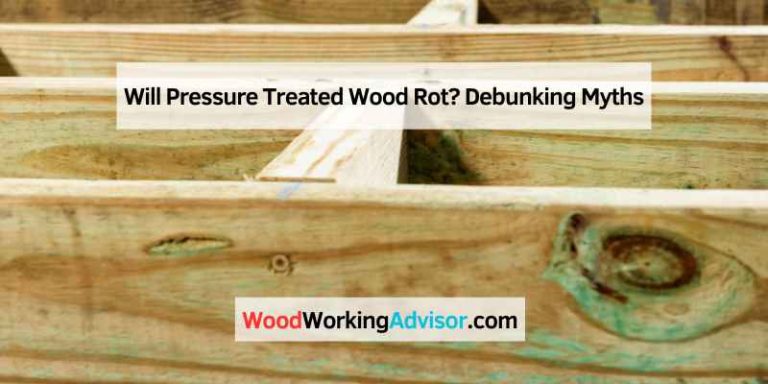
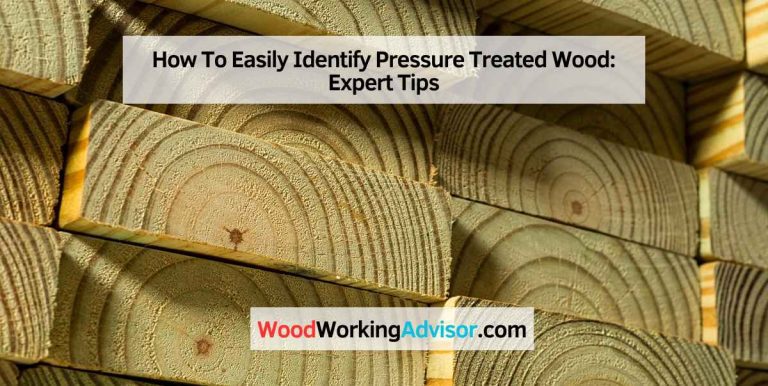
It can be tricky to tell if a pallet is pressure treated just by looking at it. However, there are some clues. Often, pressure-treated wood has a greenish or brownish tint.
You might also see small holes on the surface from the treatment process.
Another way to tell is by looking for stamps or markings on the pallet. Pallets used for international shipping often have an IPPC stamp. This stamp indicates that the pallet has been treated to meet international standards, often heat treated or chemically treated.
If the pallet has a stamp that says “HT,” it means it was heat treated.
If you are unsure, it is best to ask the supplier where you got the pallet from. They should be able to tell you if the pallet has been pressure treated or treated in another way.
When Are Pallets NOT Pressure Treated?
Not all pallets are pressure treated. Some pallets are made for temporary use and might not need such strong protection. For example, pallets used for transporting goods within a warehouse and then immediately unpacked might be made of less treated wood or no treated wood at all.
Also, some industries have specific rules about wood treatments. For instance, pallets used in food processing or for certain export markets might require only heat treatment (HT) and not chemical pressure treatments. This is to avoid any potential contamination or regulatory issues.
When deciding if a pallet is pressure treated, consider its origin and intended use. A pallet that looks very new and clean might not be treated as heavily as one that has seen a lot of use outdoors.
Benefits of Pressure Treated Wood Pallets
When wood pallets are pressure treated, they gain a lot of advantages. These benefits make them a better choice for many applications. They last longer and can handle tougher conditions.
Extended Lifespan
Pressure treating significantly extends the life of wood. The chemicals protect the wood from decay caused by fungi and insects. This means a pressure-treated pallet can last for many years, even when exposed to moisture or bugs.
For businesses, this means fewer costs for replacing damaged pallets. Instead of buying new ones every year, they can reuse treated pallets multiple times. This saves money and reduces waste.
A study by the American Wood Protection Association found that pressure-treated wood can have a service life of 25 years or more in certain applications, compared to only a few years for untreated wood. This is a huge difference in durability.
Resistance to Pests and Rot
One of the biggest advantages of pressure treating is its ability to fight off pests and rot. The chemicals used are designed to be toxic to insects like termites, beetles, and carpenter ants. They also prevent fungi that cause wood to decay and break down.
This resistance is crucial. It means pallets are less likely to be damaged during storage or transport. It also helps prevent the spread of pests from one location to another, which is a major concern for global trade and local environments.
Imagine a warehouse filled with pallets. If some are untreated, they can quickly become a buffet for termites. Pressure-treated pallets act as a shield against these problems.
Suitability for Various Environments
Because they are treated, these pallets can be used in many different places. They hold up well outdoors, even in damp or humid conditions. They are also suitable for indoor use where pests might be a problem.
This flexibility is a big plus. Businesses don’t have to worry as much about the weather or storage conditions affecting their pallets. They can use them reliably in docks, yards, or storage facilities, knowing the wood is protected.
For example, a company that ships goods outdoors would greatly benefit from pressure-treated pallets. They won’t warp or rot as easily when exposed to rain and sun.
Safety and Compliance
In many industries, there are strict rules about the condition and treatment of materials. Pressure-treated pallets can help companies meet these standards. The treatments often include fire retardants, making them safer in certain environments.
For international shipments, pallets must meet specific pest-control requirements. While heat treatment (HT) is common for international shipping, some applications might benefit from the robust protection offered by pressure-treated wood, provided it meets the destination country’s regulations. Always check the specific import rules.
Alternatives to Pressure Treated Pallets
While pressure-treated pallets offer many benefits, they aren’t the only option. Sometimes, other treatments or pallet materials are better suited for specific needs.
Heat Treated Pallets (HT)
Heat-treated pallets are very common, especially for international shipping. The wood is heated in an oven until it reaches a specific internal temperature for a set amount of time. This process kills any insects or larvae living in the wood.
Heat treatment is recognized by the International Plant Protection Convention (IPPC) and is marked with an “HT” stamp. It is considered a more environmentally friendly option than some chemical treatments because it doesn’t involve chemicals. Many companies prefer HT pallets to ensure compliance with global shipping regulations.
A comparison of treatment methods shows:
| Treatment Type | Primary Benefit | Common Use |
|---|---|---|
| Pressure Treated | Long-term protection against pests, rot, and decay | Outdoor storage, demanding environments, long-term use |
| Heat Treated (HT) | Kills pests and larvae, international shipping compliance | Export shipments, food industry, situations requiring pest-free wood |
| Untreated | Low cost, no chemical exposure | Short-term use, indoor transport, non-critical applications |
Plastic Pallets
Plastic pallets are a popular alternative to wood. They are made from durable plastics like polyethylene or polypropylene. These pallets are very resistant to moisture, chemicals, and pests.
They are also easy to clean and sanitize, making them ideal for industries like food, pharmaceutical, and chemical handling. Plastic pallets are generally lighter than wood pallets and can often be stacked more efficiently. However, they can be more expensive upfront than wood pallets.
One example of their benefit is in the food processing industry, where hygiene is paramount. Plastic pallets do not absorb liquids or harbor bacteria like wood can. This makes them a safer choice for preventing contamination.
Metal Pallets
Metal pallets, usually made of steel or aluminum, offer superior strength and durability. They are resistant to fire, impact, and very harsh conditions. They are often used in heavy-duty industrial settings, such as manufacturing plants or for storing very heavy items.
Metal pallets can be designed to be stackable and are resistant to pests and decay. However, they are typically the most expensive type of pallet and can be quite heavy, which can affect shipping costs if not managed properly.
Recycled Pallets
Many companies use recycled wood pallets. These are pallets that have been repaired and refurbished. They offer a more sustainable option and are often cheaper than new pallets.
The treatment of recycled pallets can vary. Some may have originally been pressure treated, while others might have undergone heat treatment or simple repairs. It’s important to know the history of a recycled pallet if specific treatment is required.
Consider a scenario where a small business needs pallets for moving inventory within their own facility. They might opt for cheaper, possibly untreated or lightly treated, recycled wooden pallets. This is because the risk of pest infestation or decay is lower in a controlled indoor environment and the cost savings are significant.
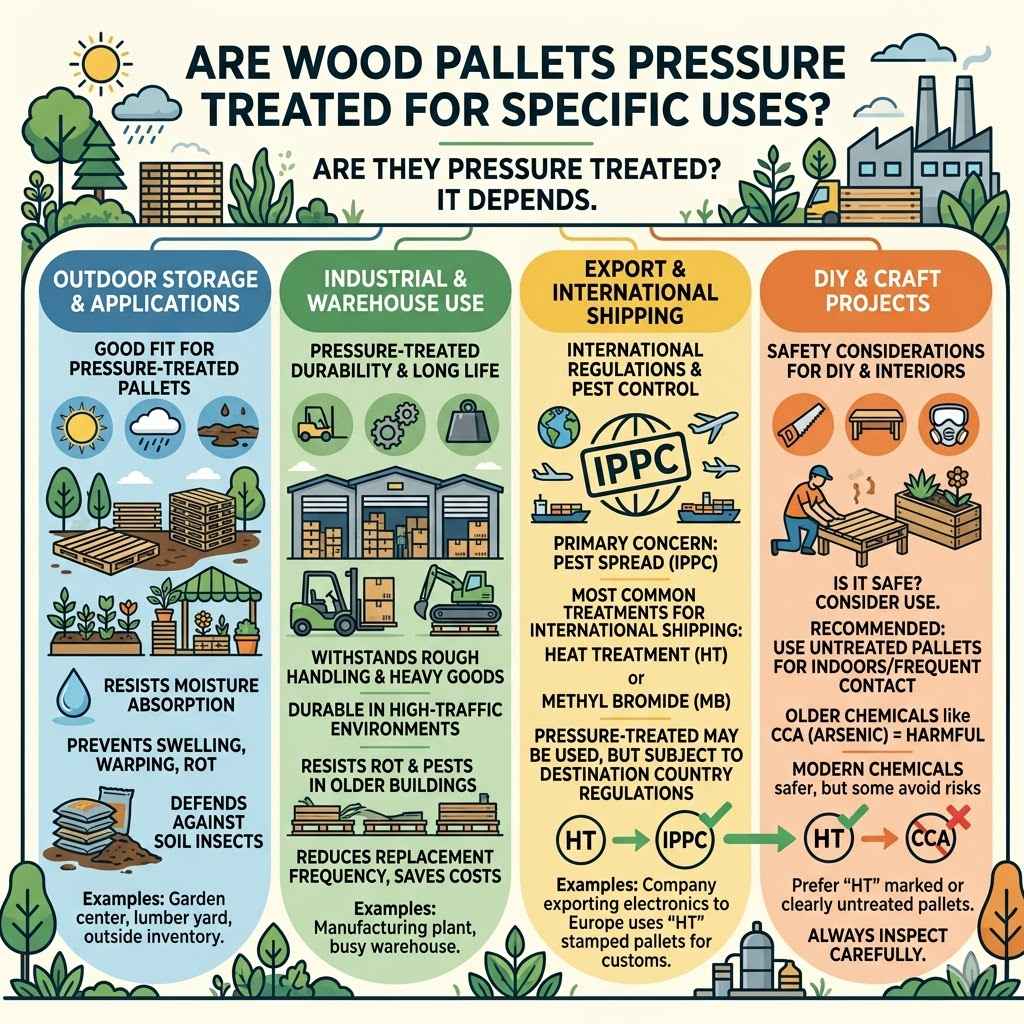
Are Wood Pallets Pressure Treated for Specific Uses?
The decision to pressure treat wood pallets often depends on what they will be used for. Different jobs require different levels of protection. This section explores common scenarios where pressure-treated pallets are a good fit.
Outdoor Storage and Applications
Pallets that will be stored or used outdoors are prime candidates for pressure treatment. Rain, humidity, and ground contact can quickly damage untreated wood.
Pressure-treated pallets resist moisture absorption, preventing them from swelling, warping, or rotting. They also stand up against soil-dwelling insects that would otherwise eat away at the wood. This makes them ideal for lumber yards, garden centers, or any business that keeps inventory outside.
For instance, a garden center storing bags of soil and mulch outdoors would benefit greatly from using pressure-treated pallets. The pallets would withstand constant exposure to weather, keeping the product off the wet ground and preventing the pallet from deteriorating.
Industrial and Warehouse Use
In busy industrial settings and warehouses, pallets are moved constantly. They can be exposed to a variety of conditions, including potential spills and varying temperatures. Pressure-treated pallets offer durability and a longer service life in these high-traffic environments.
They can better withstand rough handling and the weight of heavy goods. The resistance to rot and pests is also beneficial, especially in older buildings or areas prone to moisture. This reduces the frequency of pallet replacement, saving on maintenance costs and downtime.
A manufacturing plant that ships heavy machinery might use pressure-treated pallets to ensure their products are supported by strong, reliable bases that won’t fail during transit.
Export and International Shipping Considerations
When it comes to international shipping, the question of whether wood pallets are pressure treated often leads to confusion. The primary concern for international shipments is preventing the spread of pests across borders. This is governed by international regulations, such as those from the IPPC.
Many countries require wood packaging material to be treated. The most common treatments for international shipping are Heat Treatment (HT) and Methyl Bromide (MB) fumigation. Heat-treated pallets are widely accepted and are marked with an IPPC stamp.
Pressure-treated pallets may be used for export, but their suitability depends on the specific import regulations of the destination country. Some countries may have restrictions on certain chemical treatments.
A company exporting electronics to Europe, for example, would likely need to use IPPC-stamped, heat-treated pallets to ensure their shipment passes customs without delays or issues. While pressure-treated pallets are durable, they might not meet the specific pest-control requirements for international trade in all cases.
DIY and Craft Projects
For people using wood pallets for DIY projects like furniture, garden planters, or home decor, the question “Are Wood Pallets Pressure Treated?” is important for safety. If the pallet is intended for indoor use or for items that will be touched frequently, it’s often recommended to use pallets that are NOT pressure treated, or at least to know what kind of treatment they have.
This is because some older pressure-treating chemicals, like CCA (chromated copper arsenate), contained arsenic, which is harmful. While modern pressure-treating chemicals are generally safer, many DIYers prefer to avoid any potential risks. Pallets marked with “HT” (heat treated) or simply those that appear to be untreated are often preferred for these projects.
Always inspect pallets carefully and consider their intended use before repurposing them.
Imagine someone building a coffee table from pallet wood for their living room. They might look for pallets that are unmarked or clearly stamped “HT” to avoid any concerns about chemical exposure. They might ask the seller or look for obvious signs of treatment.
Frequently Asked Questions
Question: Are all wood pallets pressure treated?
Answer: No, not all wood pallets are pressure treated. Many are heat treated, fumigated, or left untreated depending on their intended use and shipping regulations.
Question: How can I tell if a pallet is pressure treated?
Answer: You can look for a greenish or brownish tint, small holes on the surface, or specific stamps like “HT” for heat treated. However, it’s not always obvious just by looking.
Question: Is pressure-treated wood safe for DIY projects?
Answer: Modern pressure-treated wood is generally considered safe for outdoor use. However, for indoor projects or furniture that will be touched often, many people prefer to use pallets that are not pressure treated or are only heat treated.
Question: What is the difference between pressure treated and heat treated pallets?
Answer: Pressure treating uses chemicals forced deep into the wood for long-term protection against rot and pests. Heat treating uses high temperatures to kill insects and larvae, commonly used for international shipping.
Question: Are there any safety concerns with pressure-treated pallets?
Answer: While modern treatments are much safer than older ones, some people prefer to avoid pressure-treated wood for indoor furniture or projects where direct contact is frequent. Always check for specific stamps or ask the supplier.
Summary
Whether wood pallets are pressure treated varies greatly. Many are, to enhance durability and resist pests and rot, especially for outdoor or industrial uses. Heat-treated (HT) pallets are common for international shipping.
For DIY projects, untreated or HT pallets are often preferred for safety. Always check for stamps or ask suppliers.