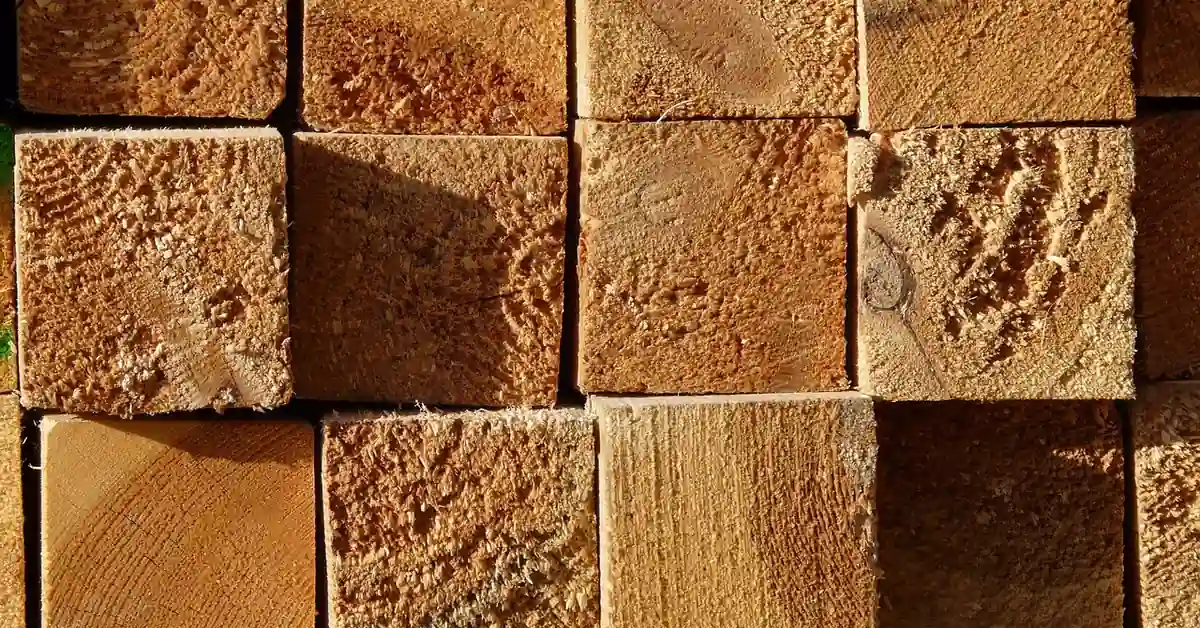
2x10x8 Pressure Treated Lumber: Actual Size, Uses & Span Limits
2x10x8 pressure treated lumber is a nominal 2×10 board — actual size 1-1/2 x 9-1/4 x 8 ft — rated for ground contact (UC4A) and used for deck joists, beams, and ledger boards, not appearance framing. Using an above-ground-only board where ground contact is required voids most manufacturer warranties and can fail inspection. This guide covers actual dimensions and weight, safe joist spans, grading, and which fasteners actually hold in treated pine.
Quick Answer
A 2x10x8 pressure treated board measures 1-1/2″ x 9-1/4″ x 8 ft and weighs about 41 lbs when freshly treated. It’s rated for ground contact (UC4A) and, as a #2 Southern Yellow Pine joist, spans roughly 12–14 ft at 16 in. on-center under a 40 psf live load — always confirm against your local code’s adopted span table before framing.
Actual Dimensions and Weight of a 2x10x8
Best Deck Screws Pick
Hillman Exterior Deck Screws, #6 x 1-1/4in, 260 Pack
A galvanized general-purpose deck screw sized for attaching decking boards and light trim to treated framing.
- Best for: decking boards and trim on treated joists
- Why we picked it: galvanized coating resists ACQ corrosion better than plain zinc
- Main drawback: not rated for structural connections — use lag screws or approved structural screws for beams/ledgers
Compare more fastener options
 Option 1 Simpson Strong-Tie N10D5HDG Joist Hanger Nails
|
 Option 2 LIONMAX Deck Screws 3 Inch, #10 x 3, 300 Pack
|
 Option 3 1/2 in x 10 in Hot-Dip Galvanized Lag Bolts, 10-Pack
|
As an Amazon Associate we earn from qualifying purchases.
“2x10x8” is the nominal size — the size the board is called at the mill before it’s surfaced. The actual (dressed) dimensions are 1-1/2 in. x 9-1/4 in. x 8 ft, the same finished size as an untreated 2x10x8. The extra bulk in a nominal 2-inch board comes from planing, not the treatment process.
Weight is where pressure-treated lumber differs most from dry framing lumber. A freshly treated 2x10x8 in Southern Yellow Pine (the species used for nearly all ground-contact treated lumber) weighs roughly 41 lbs right off the treating cylinder, because the wood is saturated with the water-based preservative solution. As it air-dries over several weeks to months in storage, it sheds most of that added water weight and settles to within a percent or two of an equivalent untreated board — figure a finished weight closer to 25–28 lbs once fully dry. Buy boards that feel unusually heavy or feel wet to the touch a little earlier in the drying cycle than lighter, drier-feeling stock from the same stack, and give them extra time to dry before painting or staining.
Grading Standards: Select, #1, and #2
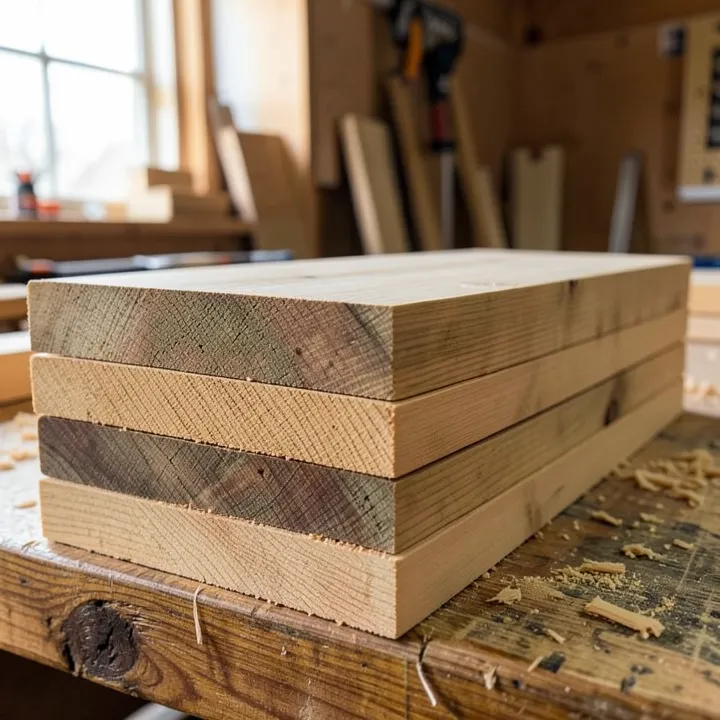
Pressure-treated Southern Yellow Pine is graded the same way untreated framing lumber is, based on the number and size of knots. Select Structural is essentially knot-free and the strongest, but it’s rare and priced accordingly for treated stock. #1 allows some tight knots and is a common mid-tier grade. #2 is what most big-box stores stock for deck framing — more knots, still code-compliant for the spans published in the AWC/Southern Pine Council tables, and the grade the span figures below assume unless the stamp on your board says otherwise.
Check the grade stamp on the board itself before you buy or build with it — it’s ink-stamped near one end and lists the grade, species, moisture content (KDAT for kiln-dried after treatment, or S-DRY/S-GRN), and the treater’s SPIB or ALSC-accredited grading agency. A missing or illegible stamp is a red flag for a board that shouldn’t be used in a load-bearing application. For grading and treatment basics across every dimension we cover, see the full pressure-treated wood hub.
Fasteners That Actually Hold in Treated Pine
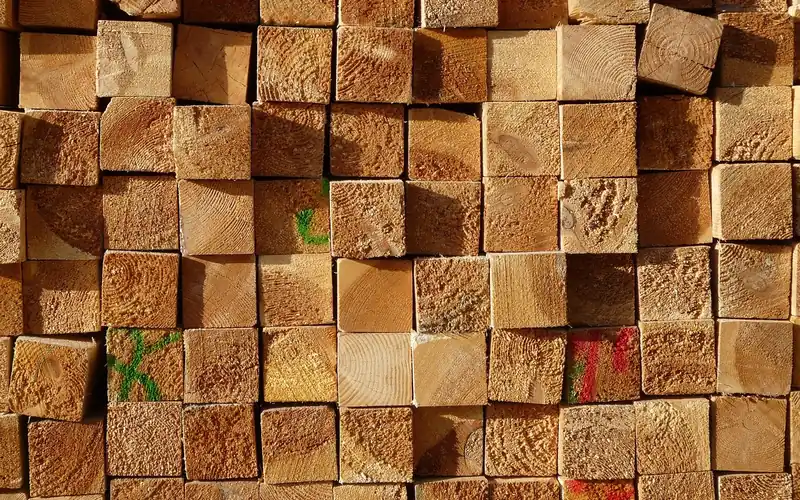
Modern pressure treatment (ACQ or MCA copper-based preservatives, since CCA was phased out of residential use in 2003) is corrosive to plain steel and standard electro-galvanized fasteners. Use hot-dip galvanized (ASTM A153) or stainless steel fasteners and connectors rated for ACQ contact — the fastener packaging or the joist hanger box will say so directly. Standard zinc-plated deck screws will corrode and stain the wood within a season or two of outdoor exposure.
Ground Contact vs. Above-Ground Use
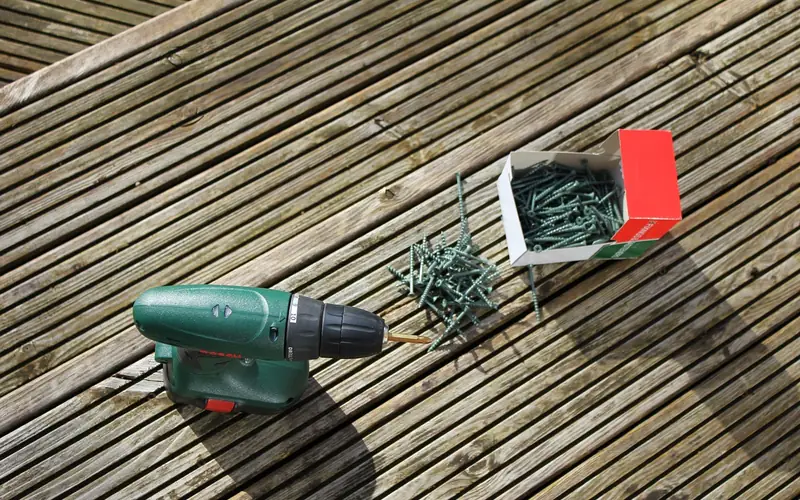
Ground Contact treatment (AWPA Use Category UC4A) is pressure-treated lumber that has absorbed a higher retention level of preservative, rated for direct soil contact or persistent dampness — posts set in the ground, ledger boards against masonry, or the bottom framing of a low deck close to grade. Above-Ground treatment (UC3B) carries a lower retention level and is rated only for lumber that stays dry or sheds water quickly, such as most deck joists and railing more than about 6 inches above soil or a hard surface.
The end tag on the board (not just the mill stamp) states the Use Category. Using an Above-Ground board anywhere it will sit in standing water or soil contact shortens its service life dramatically and can void the manufacturer’s limited warranty — check the tag before you build, not after the deck is framed.
How Far Can a 2x10x8 Span?
For a #2 grade Southern Yellow Pine 2×10 used as a deck joist under a typical 40 psf live load / 10 psf dead load, published span tables put the maximum span at roughly 14 ft at 16 in. on-center spacing, dropping to around 12 ft at 24 in. on-center. These figures track the Southern Pine Council’s span tables and the same load basis used in the AWC span tables adopted by most residential codes.
| Joist Spacing | Approx. Max Span (#2 SYP, 40 psf live load) | Best For |
|---|---|---|
| 12 in. O.C. | ~15 ft 6 in. | Heavier loads, tile or stone decking |
| 16 in. O.C. | ~14 ft | Standard residential deck framing |
| 24 in. O.C. | ~12 ft | Light-duty spans only, check local code |
An 8-foot 2x10x8 is well within any of these spans, so it’s rarely the joist you’re worried about spanning — it’s the shorter piece cut for a beam segment, a stair stringer support, or a small deck’s full joist run. For anything longer than 8 feet, run the actual numbers for your spacing and load through the site’s own deck calculator or a current local span table before cutting lumber, since grade, species, and moisture condition all shift the safe span.
Common Uses for 2x10x8 Pressure Treated Lumber
- Deck joists — the most common use for this size, supporting decking boards between beams
- Rim/band joists and ledger boards — the outer framing member a deck ties into at the house
- Short beam segments — doubled or tripled 2x10s for a beam spanning between posts
- Stair stringers and landing framing — where the 9-1/4 in. depth accommodates stringer cuts
- Retaining wall and raised bed framing — when Ground Contact rated
If your project involves interior floor joists rather than an outdoor deck, treated lumber is usually only required at the sill and rim, not the full joist run — check that guide before buying treated stock for an entire interior floor system. If your build also calls for larger posts, see our 6x6x8 pressure-treated lumber guide for the post-size equivalent of this same grading and Use Category system.
2x10x8 Price Range and Where to Buy
As of 2026, a #2 pressure-treated 2x10x8 typically runs $18–$28 at Home Depot, Lowe’s, and regional lumber yards, with the spread driven mostly by grade (Ground Contact runs higher than Above-Ground) and regional freight. Prices swing with lumber futures more than almost any other building material, so treat any single quoted number — including this one — as a starting point, not a guarantee, and check current in-stock pricing at your local store before budgeting a project.
Big-box retailers and local lumber yards both carry this size; a local yard is often worth the extra stop for straighter, better-graded boards on structural applications like joists and beams, even at a slightly higher price.
📊 CCA (chromated copper arsenate) preservative has been phased out of residential pressure-treated lumber since 2003 — Source: U.S. EPA. Modern treated lumber uses copper-based ACQ or MCA preservatives instead, which is why fastener corrosion resistance matters more than it did with older CCA stock.
Frequently Asked Questions
Which is better, #1 or #2 pressure-treated lumber?
#1 grade has fewer and smaller knots than #2, which gives it a slight edge in strength and appearance, but both grades are code-rated for the spans published in the AWC/Southern Pine span tables for their size. For deck joists and beams hidden under decking, #2 is the standard, cost-effective choice; pick #1 mainly when the board will be visible, like an exposed stair stringer or railing post.
How far can you span a 2×10 pressure-treated joist?
A #2 Southern Yellow Pine 2×10 spans roughly 14 ft at 16 in. on-center under a standard 40 psf live load, or about 12 ft at 24 in. on-center. Species, grade, moisture condition, and your local code’s adopted span table all affect the actual allowable span, so confirm with current tables or an engineer before framing a real deck.
What is the strongest pressure-treated wood grade?
Select Structural is the strongest treated grade, essentially free of knots, followed by #1 and then #2. Knots are where lumber typically fails under load, so fewer and smaller knots mean a stronger board at the same nominal size.
What’s the difference between Ground Contact and standard pressure-treated lumber?
Ground Contact (UC4A) lumber carries a higher preservative retention level and is rated for direct soil contact or persistent dampness, such as posts or ledger boards against masonry. Standard Above-Ground (UC3B) treated lumber has a lower retention level and is only rated for framing that stays dry or drains quickly, like most deck joists set above grade.
Do I need special screws for pressure-treated 2×10 lumber?
Yes. Modern ACQ/MCA-treated lumber corrodes standard zinc-plated fasteners. Use hot-dip galvanized (ASTM A153) or stainless steel screws, nails, and structural hardware rated for ACQ contact — the packaging will state this directly.
Conclusion
A 2x10x8 pressure-treated board is a short, deep joist-grade piece — 1-1/2 x 9-1/4 x 8 ft actual, roughly 41 lbs fresh off the treating line — built for deck joists, beams, and ledger boards. Match the Use Category (Ground Contact vs. Above-Ground) to where it’s actually installed, confirm the grade stamp before you build with it, and use galvanized or stainless fasteners rated for modern ACQ treatment so the connections last as long as the wood does.
Sponsored / affiliate links. As an Amazon Associate I earn from qualifying purchases. I may earn additional commission from eligible campaigns.