Ash Wood Meaning: Symbolism History and Uses
Have you ever wondered about the stories old wooden furniture could tell? Perhaps you’ve admired the sturdy yet graceful frame of a well-loved rocking chair or the smooth finish of a wooden oar. These objects often share a common ancestor: the ash tree.
This magnificent tree has a rich past and a deep significance that stretches back through human history. In this post, we’ll explore the fascinating Ash Wood Meaning: Symbolism, History & Uses, uncovering what makes this timber so special and how it continues to influence our lives. By the end, you’ll have a clearer picture of ash wood’s cultural importance and practical value.
The Enduring Significance of Ash Wood
Ash wood, derived from trees of the Fraxinus genus, has been a cornerstone of human civilization for millennia. Its strength, flexibility, and beautiful grain have made it a preferred material for everything from tools and weapons to musical instruments and furniture. The ash tree itself holds a special place in mythology and folklore, often associated with life, death, and spiritual connection.
The practical qualities of ash wood are undeniable. It’s known for its shock resistance, making it ideal for items that experience impact. Think of baseball bats, tool handles, and sports equipment.
Its elasticity means it can bend without breaking easily, a trait that has been valued for centuries in crafting bows and even carriages.
Beyond its utility, the aesthetic appeal of ash wood is another reason for its enduring popularity. The clear, straight grain and light color can be stained or finished to achieve a wide range of looks, from a natural, pale tone to a deep, rich hue. This versatility allows it to fit into various design styles.
Ash Wood Meaning Symbolism and Mythology
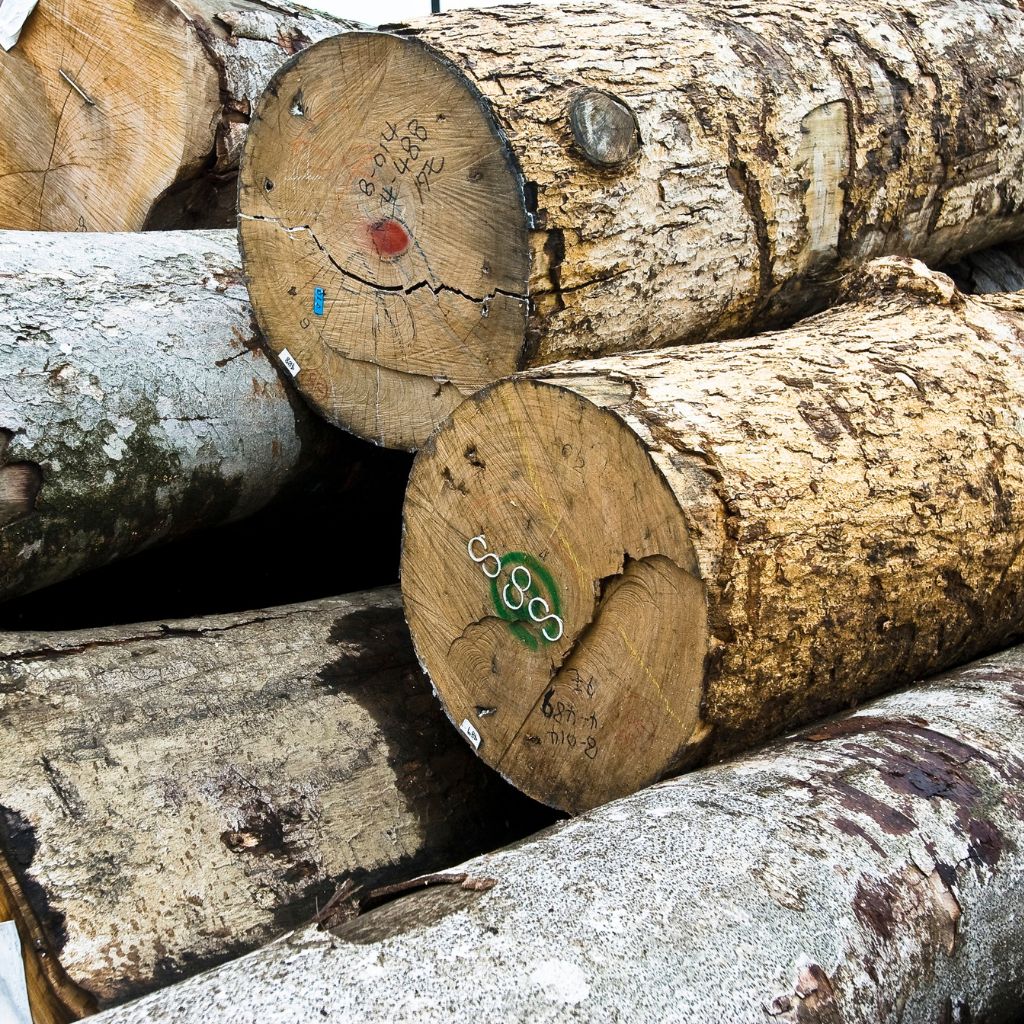
The Ash Wood Meaning: Symbolism, History & Uses are deeply intertwined with ancient beliefs and stories. In Norse mythology, the world tree Yggdrasil, which connects the nine worlds, is often depicted as a giant ash tree. This central role highlights the ash’s symbolic association with connection, life, and cosmic order.
It was believed to be the dwelling place of gods and a source of wisdom.
Across different cultures, ash trees have been linked to:
- Life and Rebirth: The ash’s ability to regenerate and its prominent role in creation myths connect it to new beginnings.
- Protection: In some traditions, ash wood was used to ward off evil spirits or provide magical protection.
- Wisdom and Knowledge: Its association with Yggdrasil suggests a link to universal knowledge and spiritual insight.
- Strength and Endurance: The tree’s physical resilience mirrors the symbolic strength it represents.
These symbolic meanings have often influenced how ash wood was used, not just for practical purposes but also for ceremonial objects or items intended to imbue the user with positive attributes.
A Deep Dive into Ash Wood’s History
The history of ash wood usage is as old as human craftsmanship. Early humans likely recognized the superior qualities of ash for making spears, bows, and other hunting tools. The ease with which ash can be worked, combined with its strength, made it an invaluable resource for survival.
During the Iron Age and beyond, ash wood continued to be a primary material for a wide array of implements. It was used for carts, wagons, and even ships, demonstrating its reliability in construction. The Romans, for instance, valued ash for its durability in chariots and tools.
In more recent centuries, as woodworking techniques advanced, ash found its way into finer furniture. Its attractive grain made it suitable for decorative elements, while its strength ensured longevity. The development of steam bending techniques also allowed artisans to create more intricate shapes with ash wood.
| Time Period | Key Uses of Ash Wood |
|---|---|
| Prehistoric Times | Spears, bows, tools for hunting and survival |
| Ancient Civilizations (e.g., Roman, Greek) | Chariots, agricultural tools, building components |
| Medieval Period | Weapons (spears, axes), shields, tool handles, agricultural implements |
| Renaissance and Beyond | Furniture, musical instruments, decorative wood pieces |
| Modern Era | Sports equipment, furniture, flooring, cabinetry, tool handles |
This table illustrates the consistent demand for ash wood across different eras, adapting to evolving technologies and needs.
Key Characteristics and Properties of Ash Wood
Understanding the physical attributes of ash wood is key to appreciating its diverse applications. Ash is a hardwood, meaning it comes from deciduous trees (those that lose their leaves annually). It is known for several distinct properties:
- Strength and Hardness: Ash is a strong wood, ranking high in hardness and stiffness. This makes it resistant to denting and wear.
- Flexibility and Elasticity: One of ash’s most celebrated traits is its ability to bend without fracturing. This makes it ideal for items that need to absorb shock or flex repeatedly.
- Grain Pattern: Ash typically features a straight, coarse grain. It can range from creamy white to light brown and often exhibits beautiful figure, such as flame or cathedral patterns, especially in quarter-sawn cuts.
- Workability: Ash is generally easy to work with both hand and machine tools. It glues well and takes finishes beautifully, allowing for a wide range of aesthetic treatments.
- Shock Resistance: Its excellent shock resistance makes it a top choice for tools and equipment that endure repeated impacts.
These characteristics make ash wood a highly practical and desirable material for many different crafts and industries.
Common Uses of Ash Wood Today
The enduring appeal of ash wood is evident in its continued use across a variety of modern applications. Its blend of strength, flexibility, and visual appeal ensures its place in both functional and decorative items.
Furniture Making
Ash wood is a popular choice for furniture, from sturdy dining tables and chairs to elegant cabinets and bed frames. Its straight grain and ability to accept stains mean it can be made to resemble other hardwoods or can be finished to showcase its natural light color.
Sports Equipment
The shock resistance and strength of ash make it a primary material for sports equipment. Baseball bats are traditionally made from ash, renowned for their ability to withstand powerful impacts. It’s also used in handles for sporting goods like hockey sticks (though composite materials are now common) and some types of oars.
Tool Handles
For generations, ash has been the go-to wood for tool handles. Its ability to absorb shock lessens the jarring effect on the user’s hands and arms, making it comfortable and durable for tools like hammers, axes, and shovels.
Flooring and Cabinetry
The hardness and wear resistance of ash wood make it an excellent choice for durable flooring. Its attractive grain also makes it suitable for high-quality cabinetry, adding a touch of natural beauty to kitchens and living spaces.
Musical Instruments
Certain musical instruments, particularly electric guitar bodies, are often crafted from ash. Its tonal properties contribute to a bright, resonant sound, and its weight and stiffness can influence the instrument’s sustain and clarity.
Bending and Laminating
The flexibility of ash wood makes it ideal for applications that require bending, such as in the creation of wooden chairs with curved backs or components for boat building. It also laminates well, allowing for the construction of strong, shaped parts.
Varieties of Ash Wood
While the general term “ash wood” is common, there are several species that contribute to the wood market, each with slightly different characteristics. The most prominent include:
- White Ash (Fraxinus americana): This is perhaps the most well-known and widely used species. It’s prized for its strength, flexibility, and light color. Found primarily in eastern North America.
- Green Ash (Fraxinus pennsylvanica): Similar to white ash in appearance and properties, green ash is also abundant in North America and is often used for similar applications.
- European Ash (Fraxinus excelsior): This species, common throughout Europe, is known for its exceptional strength and elasticity, making it a favorite for tool handles and sports equipment.
The specific species can influence the wood’s exact hardness, grain coarseness, and color, though they all share the core desirable qualities of ash.
Challenges and Considerations
Despite its many virtues, the use of ash wood faces some challenges. One of the most significant recent threats has been the Emerald Ash Borer (EAB), an invasive insect that has devastated ash tree populations across North America. This has impacted the availability and cost of ash lumber in affected regions.
Additionally, like any hardwood, ash can be susceptible to moisture damage if not properly sealed and maintained. It’s important for items made from ash wood to be cared for according to their specific purpose and environment.
When selecting ash wood, consider its source. Sustainably harvested ash is preferable to ensure the long-term health of ash tree populations. Reputable lumber suppliers can often provide information about the origin of their wood.
Frequently Asked Questions
Question: What is the main symbolic meaning of ash wood?
Answer: The main symbolic meaning of ash wood often relates to connection, life, strength, and wisdom, particularly through its association with the world tree Yggdrasil in Norse mythology.
Question: Is ash wood good for furniture?
Answer: Yes, ash wood is an excellent choice for furniture due to its strength, durability, attractive grain, and ability to accept finishes well.
Question: Why is ash wood used for baseball bats?
Answer: Ash wood is used for baseball bats because of its high strength, shock resistance, and ability to flex slightly upon impact, which helps to transfer energy efficiently.
Question: Is ash wood more expensive than oak?
Answer: Generally, the price of ash wood can fluctuate and may be comparable to or sometimes less expensive than oak, depending on availability and specific grade, though the impact of the Emerald Ash Borer has affected pricing in some areas.
Question: How should I care for ash wood furniture?
Answer: To care for ash wood furniture, keep it clean with a soft, dry cloth. Avoid harsh chemicals and excessive moisture. Use coasters and placemats to protect the surface from heat and scratches.
Final Thoughts
The story of ash wood is one of deep historical roots and enduring practical value. From its mythological significance as a cosmic connector to its reliable performance in everything from baseball bats to fine furniture, ash has consistently proven its worth. Its strength, flexibility, and attractive grain have made it a favored material for craftspeople and builders throughout time.
The diverse applications we see today, from resilient flooring to resonant musical instruments, highlight the wood’s adaptability. While challenges like the Emerald Ash Borer present real concerns for its future availability, the inherent qualities of ash ensure its continued desirability. When selecting materials for your next project, or simply appreciating the craftsmanship of existing items, remember the rich legacy and exceptional properties of ash wood.