Wood Ash Face Mask: Why It’s Not Safe (Real Case Reports)
Wood ash mixed with water forms lye, an alkaline solution with a pH as high as 12, not a gentle skincare exfoliant. Real case reports document painful injuries from this exact mixture on skin, including a toddler treated for chemical burns after playing in wet wood ash. This guide covers the actual chemistry, the documented harm, and safer natural mask ingredients dermatologists do recommend.
Quick Answer
No, a wood ash face mask is not a safe DIY recipe. Mixed with water, wood ash forms lye (potassium hydroxide), an alkaline solution that can reach a pH of 12 and burn skin, as documented in real poison-control and dermatology case reports. If you want a natural clay-style mask, use a cosmetic-grade clay like bentonite or kaolin instead; both are formulated and pH-tested for skin contact.
What Is Wood Ash, Chemically?
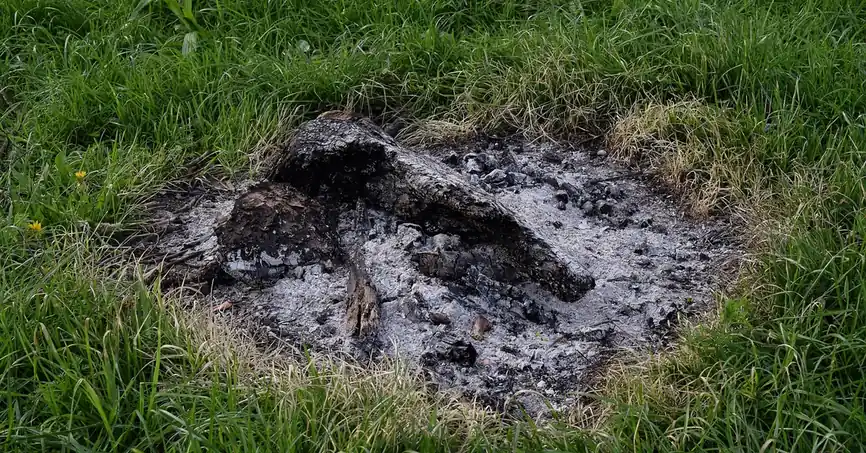
Wood ash is the mineral residue left after a fire burns away wood’s cellulose and lignin, mostly calcium carbonate and potassium carbonate. When wood ash gets wet, those potassium compounds dissolve and release hydroxide ions, and the resulting solution can reach a pH as high as 12, according to a case report published by the Missouri Poison Center. That is the same alkalinity range used to make traditional lye water. Wood ash plus water is, chemically, dilute lye, which is exactly why it behaves differently on skin than a cosmetic ingredient.
📊 Wet wood ash can produce a solution with a pH as high as 12 – Source: Missouri Poison Center, Poison Alerts case report
Why the “Wood Ash Face Mask” Claims Do Not Hold Up
DIY guides for wood ash face masks commonly claim it is a gentle exfoliant, that its minerals “nourish” skin, and that it “detoxifies” by drawing out toxins. None of those claims are supported by dermatology research. Calcium and potassium carbonate are not absorbed through the skin barrier and do not nourish it, and the tingling or tightening sensation some DIY guides describe as a cosmetic effect is often the early stage of an alkaline reaction on skin, not exfoliation.
Is Wood Ash Actually Antiseptic or Healing?
No credible evidence supports that claim either. A case report published in the Journal of Emergency Medicine Case Reports describes a woman who applied wood ash to a healing shingles wound as a traditional folk remedy. Instead of helping the wound heal, she developed a body-wide rash with painful macules, a burning sensation, and fever, and needed medical treatment (see the full case report). The researchers concluded that wood ash with high potassium hydroxide content can act as a skin irritant rather than a healing agent.
Real Documented Skin Injuries From Wood Ash
“Wood ash plus water create a strong alkali that is capable of burning human skin.”
— Missouri Poison Center, Poison Alerts
Two documented cases show what that looks like in practice. A 2-year-old boy playing with a water gun in cold wood ash from an outdoor stove developed red lesions on his hands, arms, and thighs; some had become deeper ulcerations by day four. Poison control recommended hydrocortisone cream and antibiotic ointment, and while most lesions healed within days, his hands were left with small scars. In the second case above, an adult who applied wood ash to a wound developed a body-wide rash and fever that required medical treatment. Neither case involved leaving the mixture on skin for long; both involved ordinary household wood ash.
Where Wood Ash Actually Belongs: Making Lye and Soap
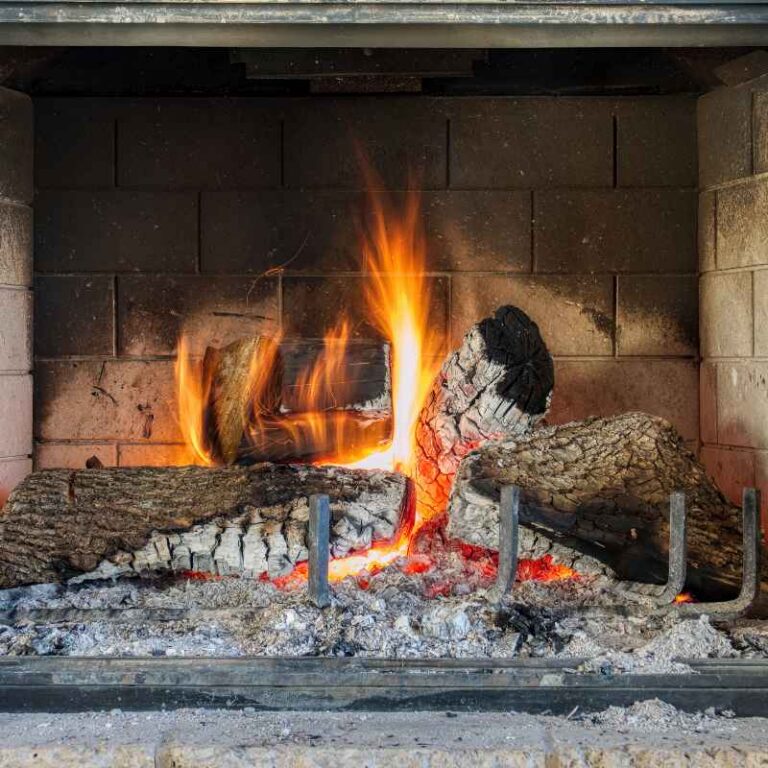
Wood ash’s real historical use in personal care is not a face mask. Soaking wood ash in water, letting the solids settle, and straining off the liquid produces lye water, the caustic solution that was traditionally combined with fat to make soap. That is the origin of “ash is good for your skin” folklore: the finished soap cleaned skin, not the raw lye itself. If you burn wood regularly, say in a wood burner or fireplace, you already produce this ash as a byproduct; see our guide to wood burning solutions for more on handling it safely.
Wood Ash vs. Actual Skin-Safe Mask Ingredients
| Ingredient | Typical pH | Skin-Safe? | Best For |
|---|---|---|---|
| Wood ash + water | Up to ~12 (caustic) | No, documented burn/rash cases | Making lye for soap, not skincare |
| Bentonite clay | ~8.5 to 10.5 | Yes, cosmetic-grade, pH-tested | Oily or acne-prone skin |
| Kaolin clay | ~6.5 to 7 (near skin-neutral) | Yes, gentlest clay option | Sensitive or dry skin |
| Cosmetic-grade activated charcoal | Near neutral | Yes, common in commercial masks | Pore-clearing masks |
Clay-based masks are also the ingredient category that has actual clinical research behind it. A peer-reviewed study on clay face masks for oily and acne-prone skin, published in the National Library of Medicine, found measurable improvements in oiliness and pore appearance with regular use, something no study exists for raw wood ash.

How to Avoid Wood Ash Skin Burns
If you handle wood ash for any reason, from cleaning out a stove to disposing of a fire pit, these precautions matter more than most people realize:
- Never let wood ash sit wet against skin. The alkaline reaction needs moisture to become caustic, so dry ash is far less risky than wet ash.
- Wear gloves when scooping ash that has been rained on, or when wetting ash down before disposal.
- Keep wet ash away from children and pets. The Missouri Poison Center case that prompted its public warning involved a toddler playing in wet ash with a water gun.
- If skin contact happens, rinse immediately with plenty of cool water and do not scrub the area.
- Never apply wood ash to broken skin, wounds, or rashes as a home remedy; the documented case above shows this can make things worse.
- If irritation, redness, or a rash develops and does not improve quickly, contact a doctor or Poison Control at 1-800-222-1222 (US).
Frequently Asked Questions
Is Wood Ash Good for the Face?
No. Wood ash mixed with water forms a caustic alkaline solution with a pH as high as 12, closer to household lye than any approved skincare ingredient. Documented cases include a toddler who developed burns from wet wood ash and an adult who developed a body-wide rash after using it as a folk remedy. Use a pH-tested cosmetic clay instead.
Can Ash Be Used on the Face?
Not wood ash specifically, though this is a common mix-up. Cosmetic-grade activated charcoal, which is manufactured and pH-tested for skin use, is genuinely used in commercial face masks. Raw wood ash from a fireplace or campfire is chemically different: it contains potassium hydroxide and can reach a pH of 12 when wet, which is why real burn and rash cases have been documented.
Does Wood Ash Have Healing Properties?
No credible evidence supports that. A published case report describes the opposite: a woman who applied wood ash to a healing shingles wound as a folk remedy developed a body-wide rash, burning pain, and fever, and needed medical treatment. Wood ash’s antiseptic and healing reputation is folklore, not dermatology.
How Do You Make a Wood Ash Solution?
Traditionally, a wood ash solution, sometimes called lye water, is made by soaking ash in water, letting it settle for about a day, then straining off the liquid through a fine cloth. That solution is a strong alkali historically used for making soap or as a cleaning agent, not something to apply to skin, since it is chemically the same wood-ash-and-water mixture documented in real skin burn cases.
Conclusion
A wood ash face mask is not the harmless natural beauty hack it is often described as. Mixed with water, wood ash forms lye with a pH high enough to burn skin, and real poison-control and dermatology case reports back that up. If you want a natural, DIY-friendly mask, reach for a cosmetic-grade clay like bentonite or kaolin instead, and save the wood ash for what it is actually good for: making lye and soap, or heading to the compost pile.
Sponsored / affiliate links. As an Amazon Associate I earn from qualifying purchases. I may earn additional commission from eligible campaigns.