Does Ash Wood Stain Well: Expert Tips & Techniques
Yes, ash wood stains well overall, but it’s a ring-porous, open-grained wood like oak, which means it can blotch or absorb unevenly if you skip a pre-stain conditioner or gel stain. The straight, pronounced grain that makes ash attractive is exactly what makes stain absorption uneven without a bit of prep first.
Here’s what actually affects how ash takes stain, the prep steps that prevent blotching, and which stain types work best on it.
Why Ash’s Grain Affects How It Stains
Best For Even Color On Ring-Porous Wood
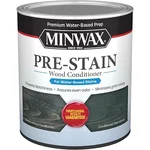 |
Minwax Pre-Stain Wood Conditioner – $18.48 This is the step that prevents ash’s open pores from absorbing stain unevenly – skip it and blotching is far more likely.
|
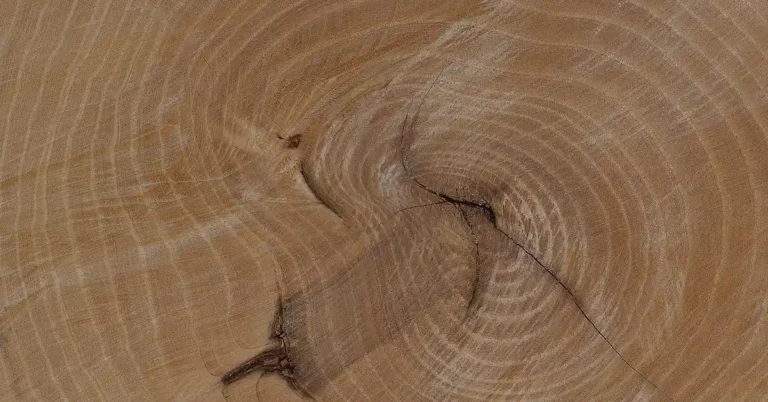
Ash is a ring-porous hardwood – its early-wood growth rings have noticeably larger pores than the late-wood bands, similar to oak and ash’s close relative, hickory. Those larger pores soak up more stain than the surrounding wood, which is exactly why ash grain “pops” so dramatically under a stain – but it’s also why uneven prep leads to blotchy, inconsistent color rather than a clean, uniform tone.
Ash’s natural color runs light brown to cream, sometimes with a yellowish cast, and there can be visible contrast between the pale sapwood and slightly darker heartwood on the same board. A stain that reads as an even tone on one board can look two-toned on another simply because of where the sapwood/heartwood boundary falls – worth checking for before you commit to a piece for a visible project.
Preparing Ash for an Even Stain
- Sand through the grits – typically 120, then 150, then 220 – sanding with the grain the whole way. Stopping at too coarse a grit leaves scratches that show up darker once stained.
- Wipe away all sanding dust with a tack cloth; dust left in the open pores blocks stain from penetrating evenly.
- Apply a pre-stain wood conditioner (or use a gel stain instead of a penetrating liquid stain) – this is the single biggest factor in avoiding blotching on ring-porous woods like ash. The conditioner partially seals the wood so it absorbs stain more evenly across both the porous and denser areas.
- Test on an actual offcut of the same board, not just “a similar piece of ash” – grain density and sapwood/heartwood mix vary enough between boards that a test on a different piece can be misleading.
Which Stain Type Works Best
Gel stain: Sits on the surface rather than soaking deep into the open pores, which makes it the most forgiving option for avoiding blotching on ash without a conditioner step.
Oil-based penetrating stain: Gives rich, deep color and a longer open working time to even out application, but needs a pre-stain conditioner on ash to avoid uneven absorption.
Water-based stain: Dries fast and is low-odor, but raises the grain (see our guide on raising the grain on wood if you’re using one) and can highlight blotching more than an oil-based stain if the wood isn’t conditioned first.
Light vs. Dark Stains on Ash
A light stain keeps ash’s natural pale tone and open grain pattern clearly visible – a good choice if the wood’s own character is the point. A dark stain builds more contrast and a richer look, but on ring-porous wood like ash, dark stains make any unevenness in absorption far more obvious, so the conditioning step above matters even more as you go darker.
Common Mistakes
Skipping the conditioner or gel stain: The single most common cause of blotchy results on ash specifically.
Over-applying stain: Pooled stain darkens unevenly as it dries and can leave a sticky, under-cured surface. Wipe off excess before it sets.
Testing on the wrong piece: A test patch on different ash stock than your actual project can look nothing like the final result.
Rushing dry time between coats: Check the label – oil-based stains often need longer than water-based ones, and applying a topcoat too early can cause cloudiness or poor adhesion.
Protecting the Finish
Once the stain has fully dried, a clear topcoat – varnish, polyurethane, or lacquer – protects the color and adds durability. Apply thin coats and let each cure fully; a topcoat rushed over stain that hasn’t finished drying is a common cause of a cloudy or uneven sheen.
Frequently Asked Questions
What is the disadvantage of ash wood?
Ash is more vulnerable to insect damage (particularly the emerald ash borer) and moisture-related warping than some hardwoods, and it’s softer than woods like oak or maple, so it dents more easily under heavy use. Its open, ring-porous grain also means it needs a conditioning step to stain evenly.
What does ash look like stained?
Stained ash shows a strong, pronounced grain pattern since its open pores absorb more color than the surrounding wood. With proper prep it reads as a rich, even tone in either light or dark stains; without a conditioner it can look streaky or two-toned, especially where sapwood and heartwood meet on the same board.
What is the hardest wood to stain?
Tight, closed-grain woods like maple, cherry, and birch are notoriously difficult to stain evenly because their dense structure resists absorption, leading to blotching. Ironically, this is a different problem than ash’s blotching risk (ash’s issue is pores that absorb too unevenly, not too little) but the fix is similar: a pre-stain conditioner or gel stain.
Does an ash wood stain finish last?
With a proper clear topcoat over the stain, yes – the finish holds up as well as on any similarly finished hardwood. Without a protective topcoat, stain alone will wear thin faster on high-traffic surfaces like flooring or tabletops.
Bottom Line
Ash takes stain well and shows off a dramatic grain pattern when it does – the key is treating it like the ring-porous wood it is. A pre-stain conditioner or a gel stain, tested on an offcut of your actual board, is what separates an even, rich finish from a blotchy one.
Sponsored / affiliate links. As an Amazon Associate I earn from qualifying purchases. I may earn additional commission from eligible campaigns.