BC Plywood vs Sande Plywood: Which Should You Use?
Picking the right plywood can feel tricky, especially when you see terms like BC and Sande. What’s the real difference? Why does it matter for your project?
Many beginners wonder, BC Plywood vs Sande Plywood: Which Should You Use? It’s a common question because the names sound similar, but the qualities are quite distinct. Don’t worry, this guide breaks it all down simply. We’ll look at each type so you can pick the best one for your needs.
Let’s get started and clear up any confusion.
Understanding Plywood Grades and Types
Plywood isn’t just one thing; it comes in different grades and types, which affects how it looks and how strong it is. This section helps you know what those letters and names mean. We will cover what makes a plywood good for certain jobs.
What is Plywood?
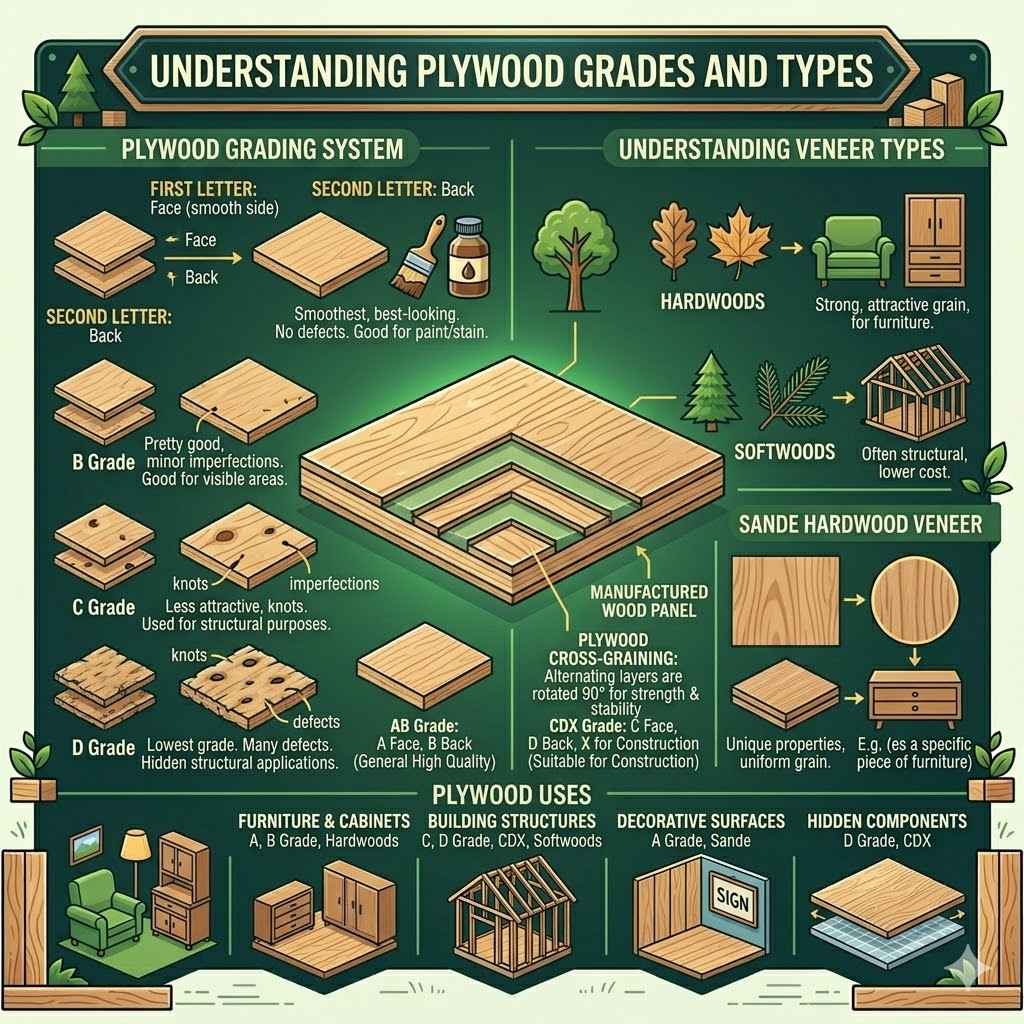
Plywood is a manufactured wood panel. It’s made from thin layers or “plies” of wood veneer. These layers are glued together with adjacent layers having their wood grain rotated at right angles to each other.
This cross-graining process makes plywood stronger and more stable than solid wood.
The arrangement of the grain gives plywood strength and prevents it from splitting or shrinking. It’s used in everything from furniture making to building structures.
Plywood Grading Systems
Plywood is often graded based on the quality of its face and back veneers. The most common system uses letters like A, B, C, and D. The first letter usually refers to the face (the side you see) and the second letter to the back.
- A Grade: This is the smoothest and best-looking veneer. It’s typically free of defects and is good for surfaces that will be painted or stained.
- B Grade: This grade is still pretty good but might have some minor imperfections. It’s often used where appearance is important but not as critical as A grade.
- C Grade: This grade is less attractive. It can have knots and some imperfections. It’s usually used for structural purposes where appearance doesn’t matter.
- D Grade: This is the lowest grade. It has many knots and defects and is generally used for hidden structural applications.
So, an AB grade plywood means it has an A grade face and a B grade back. This is generally high quality. A CDX grade means a C grade face and a D grade back, with an ‘X’ indicating it’s suitable for construction.
Understanding these grades helps you choose based on how the finished product will look and what it needs to do.
Understanding Veneer Types
Beyond the grade, the type of wood used for the veneers is also key. Different wood species have different properties. Some are harder, some are softer, and some have more attractive grain patterns.
The type of wood affects the strength, weight, and cost of the plywood.
For example, hardwoods like oak or maple are strong and look great, making them good for furniture. Softwoods like pine are often used for structural applications where cost is a factor. Sande is a specific type of hardwood veneer that has unique properties.
Exploring BC Plywood
BC Plywood refers to a specific grade of hardwood plywood. Its name comes directly from the grading system we just discussed. This section will detail what BC Plywood is, its characteristics, and where it’s best used.
We will look at its strengths and any potential drawbacks.
What BC Plywood Means
BC Plywood has an A-grade veneer on one side (the face) and a B-grade veneer on the other side (the back). This means one side is smooth and attractive, while the other side is still good but might have a few more minor knots or imperfections. It offers a good balance between appearance and cost.
The “C” in BC plywood refers to the core or inner plies, not the face or back. However, when people refer to “BC Plywood” in the context of comparing it to other types like Sande, they are typically referring to the face and back grades. This is a common shorthand in the lumber industry.
Characteristics of BC Plywood
BC Plywood is known for its smooth, paintable face. The B grade on the back is still quite presentable and suitable for many applications where it won’t be the primary visual focus.
- Appearance: The face is usually very clean, with minimal knots and smooth sanding. This makes it ideal for projects where a finished look is desired, like cabinet doors, furniture, or wall paneling.
- Strength: It’s strong and stable due to its cross-grained construction. The hardwood veneers contribute to its durability.
- Workability: BC Plywood is generally easy to cut, shape, and fasten. It holds screws well and glues effectively.
- Cost: It’s more expensive than lower grades like CDX but generally less costly than premium hardwood plywoods with AA or ABX grades.
The core layers of BC Plywood are typically made from a different wood species than the face and back veneers. This core material is usually a softwood or a less premium hardwood, chosen for structural integrity rather than appearance. The number and thickness of these core plies determine the overall strength and rigidity of the panel.
Applications for BC Plywood
Because of its good looks and strength, BC Plywood is a popular choice for many woodworking and construction projects. It’s often used for:
- Cabinetry: The smooth face is perfect for cabinet doors and visible cabinet parts.
- Furniture making: It’s a solid choice for tabletops, shelves, and decorative panels in furniture.
- Wall paneling: It can be used for interior walls where a smooth finish is needed.
- Display units and shelving: Its strength supports weight well, and its appearance is appealing.
One common scenario is building custom kitchen cabinets. A woodworker might choose BC Plywood for the cabinet doors because the A-grade face allows for a beautiful painted or stained finish. The B-grade back is sufficient for the interior where it won’t be seen.
This combination provides a professional look without the highest price tag associated with all-premium-grade veneers.
Another example is crafting built-in bookshelves. The strong core and stable construction of BC Plywood ensure that shelves can hold significant weight without sagging. The smooth face allows for a fine finish, making the bookshelves a decorative as well as functional piece of furniture.
Delving into Sande Plywood
Sande Plywood is different because “Sande” refers to the specific wood species used for the veneers, rather than just the grade. This section will explain what Sande wood is, how it’s used in plywood, and what makes it stand out from other types of plywood. We will discuss its unique visual appeal and performance.
What Sande Plywood Is
Sande Plywood is made using veneers from the Sande tree, which is native to West Africa. The wood itself is known for its attractive, consistent appearance and good workability. When it’s made into plywood, it typically features a high-quality veneer on both sides.
While not always strictly graded with the A, B, C, D system, Sande Plywood is generally considered a premium product. It’s often produced with a consistent, smooth face, making it comparable to AA or even AAA grades in terms of appearance. The consistency of the Sande wood itself means fewer imperfections like dark streaks or knot clusters compared to some other hardwood plywoods.
Characteristics of Sande Plywood
Sande Plywood offers a distinct look and feel. Its natural color and grain are its main selling points.
- Appearance: Sande wood has a light, warm color, often with a pinkish or reddish hue. It has a fine, uniform grain that is very smooth and attractive. This makes it a great choice for projects where the natural wood grain is meant to be a feature. It can be finished with a clear coat to highlight its natural beauty or stained to achieve different looks.
- Durability: Sande is a moderately hard wood. This means it offers good resistance to dents and scratches, making it suitable for furniture and other surfaces that see regular use.
- Workability: It is known for being easy to work with. It cuts cleanly, sands smoothly, and takes finishes very well. This ease of use is a significant advantage for woodworkers.
- Cost: Due to the specific sourcing of Sande wood and its attractive qualities, Sande Plywood is generally more expensive than standard BC Plywood or construction-grade plywoods.
The core layers of Sande Plywood can vary. Some high-end Sande panels use all Sande veneers, including the core. Others might use a combination of Sande faces and a more economical hardwood or softwood core to manage costs while still offering the premium Sande look on the visible sides.
It’s important to check the specific product details to know what’s inside.
Applications for Sande Plywood
The beautiful appearance and good workability of Sande Plywood make it a preferred material for decorative and functional projects.
- Furniture: It’s excellent for high-end furniture, tables, and decorative pieces where the natural wood grain is admired.
- Cabinetry: High-quality cabinets, especially those with a natural wood finish, benefit from Sande Plywood.
- Architectural millwork: Interior paneling, decorative trim, and custom built-ins often use Sande.
- Boat building: Its good strength-to-weight ratio and resistance to moisture variations make it suitable for interior boat construction.
Consider a situation where someone wants to build a custom entertainment center with a natural wood finish. Sande Plywood would be an excellent choice for the visible parts, like the doors and shelves. Its warm color and fine grain would create a sophisticated look.
A clear finish would enhance the wood’s natural beauty, making the finished piece a standout.
Another scenario could be a designer creating a boutique retail display. Sande Plywood could be used for counters, display shelves, and wall accents. The consistent appearance provides a polished and inviting aesthetic that enhances the products being displayed.
Its durability also means the display can withstand the wear and tear of a retail environment.
BC Plywood vs Sande Plywood Which Should You Use
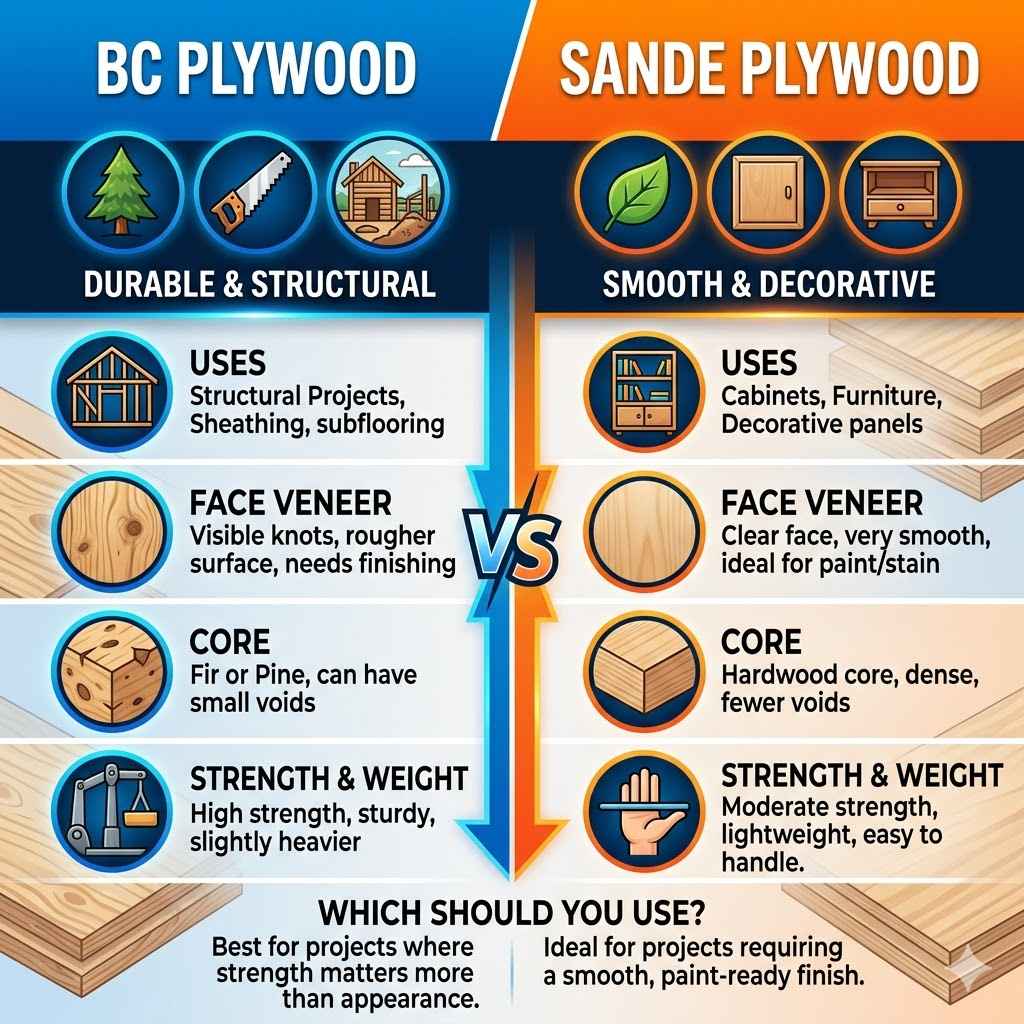
Now that we’ve looked at each type individually, let’s directly compare BC Plywood and Sande Plywood to help you decide. This comparison will highlight the key differences and guide you in making the best choice for your specific project needs. We will use a table to make the comparison clear.
Direct Comparison Table
The table below summarizes the main differences between BC Plywood and Sande Plywood. This should help you see at a glance which might be better suited for your task.
| Feature | BC Plywood | Sande Plywood |
|---|---|---|
| Veneer Type | Graded hardwood veneers (typically Birch, Poplar, or other common hardwoods) | Sande hardwood veneer (specific species from West Africa) |
| Appearance Grade | One face is A grade (smooth, minimal defects), the back is B grade (minor defects allowed) | Generally high quality on both sides, often AA or equivalent, with consistent grain and color |
| Color & Grain | Can vary; face is usually clean and uniform, back may have more variation | Light to warm color, often with pinkish or reddish tones; fine, uniform grain pattern |
| Cost | Mid-range; more affordable than premium options like Sande | Premium; generally more expensive due to sourcing and consistent high quality |
| Typical Use | Cabinet doors, furniture, paneling, shelving where a good finish is needed on one side | High-end furniture, decorative paneling, architectural millwork, visible cabinetry, projects where natural wood beauty is key |
| Workability | Good, standard hardwood plywood workability | Excellent, known for being easy to cut, sand, and finish |
| Durability | Good, stable, and strong | Moderately hard, good resistance to dents and scratches |
When to Choose BC Plywood
You should opt for BC Plywood when your project requires a good-looking, paintable or stainable surface on one side, but the other side doesn’t need to be perfect. It’s an economical choice for many applications where you want a professional finish without breaking the bank.
- Budget-Conscious Projects: If you are working with a tighter budget, BC Plywood offers a great balance of quality and price. You get a nice finish on the visible parts of your project while saving money.
- Painted Projects: The A-grade face is perfect for painting. It’s smooth and takes primer and paint very well, resulting in a flawless finish.
- Functional Furniture: For furniture like tables, desks, or shelving units where durability and a decent appearance are needed, but the absolute premium look isn’t the top priority, BC Plywood is excellent.
- Cabinetry Backs and Interiors: While the face is great for cabinet doors, the B-grade back is perfectly acceptable for the unseen interior parts of cabinets.
For instance, if you’re building a set of garage shelves, BC Plywood would be a smart pick. The front edges and surfaces can be finished nicely, while the back or underside doesn’t need to be perfect. This saves money and still gives you a strong, functional result.
Another example is creating a simple partition wall in a basement finishing project. The BC grade provides a smooth surface ready for paint or wallpaper on the visible side, and the cost is much lower than higher-grade panels. The structural integrity is more than adequate for this purpose.
When to Choose Sande Plywood
Sande Plywood is the better choice when the natural beauty of the wood grain and color is a primary design element. It’s for projects where you want a high-end, natural wood look and are willing to invest more for that premium aesthetic and finish.
- Showcase Projects: When you want the wood itself to be a focal point, like in a feature wall, a coffee table, or custom furniture that guests will admire.
- Natural Wood Finishes: If you plan to use a clear coat or a light stain that will highlight the wood’s natural color and grain, Sande Plywood offers a superior result.
- High-Quality Cabinetry: For custom kitchen or bathroom cabinets where the wood grain is visible and part of the design, Sande provides a beautiful, consistent look.
- Projects Requiring Fine Workability: If you are working on intricate designs or want the easiest possible sanding and finishing experience, Sande’s properties are beneficial.
Imagine crafting a dining room table. You’d want a surface that is both beautiful and durable. Sande Plywood, finished with a high-quality sealant, would provide a stunning tabletop with a warm, inviting appearance that will last for years.
Consider a scenario where you are designing a reception desk for an office. Sande Plywood would lend an air of sophistication and quality. Its consistent grain pattern ensures a professional and elegant look that makes a great first impression on clients and visitors.
Factors to Consider for Your Project
Beyond the type of plywood, several other factors play a role in your final decision. These can influence your choice, even if you initially leaned towards one type over the other. We’ll explore these key considerations to ensure you make the most informed decision possible.
Budget Considerations
Your budget is often a primary driver. BC Plywood is generally less expensive than Sande Plywood. If you are on a tight budget, BC Plywood is a more practical choice.
However, if the aesthetic is critical and the budget allows, Sande Plywood can be worth the extra investment for its premium look.
It’s also worth noting that the cost of finishing materials can differ. A high-end finish for Sande Plywood might be more expensive than a simple paint job for BC Plywood. Always factor in the total project cost, not just the material price.
Project Aesthetics and Finish
The desired look of your finished project is paramount. If you want a smooth, uniform surface for painting or a consistent, neutral base for staining, BC Plywood is excellent. If you want to showcase the natural beauty and unique character of a specific wood grain and color, Sande Plywood is the way to go.
Consider the environment where the project will be. A high-traffic area might benefit from the durability of Sande Plywood, while a less visible area might be perfectly fine with BC Plywood. The finish you choose will greatly impact the final appearance of either wood type.
Structural Requirements
Both BC Plywood and Sande Plywood are generally strong and stable enough for most furniture and cabinetry applications. However, for projects requiring extreme structural integrity or load-bearing capacity, it’s essential to check the thickness of the plywood and the type of core material used. Some Sande Plywood might have a less robust core than a specifically engineered structural plywood.
Always check the manufacturer’s specifications for load-bearing capacities if your project involves significant weight. The core plies are as important as the face veneers for structural performance. A thicker panel will generally be stronger than a thinner one, regardless of the face veneer.
Availability and Sourcing
Sometimes, the choice comes down to what is readily available in your local lumber yard or online. BC Plywood is a common product and is usually widely available. Sande Plywood, being a more specialized product, might be harder to find and could require special ordering, potentially increasing lead times and costs.
If you need materials quickly, checking local availability first is a good idea. For custom or specialized projects, you might have more flexibility to order specific materials, but it’s important to plan ahead for delivery times.

Frequently Asked Questions
Question: What is the main difference between BC Plywood and Sande Plywood?
Answer: BC Plywood refers to a grading system where one side is smooth (B grade) and the other is slightly less perfect (C grade). Sande Plywood refers to the type of wood used, which is a hardwood from Africa, known for its attractive, consistent grain and color.
Question: Can I paint BC Plywood?
Answer: Yes, the A-grade face of BC Plywood is ideal for painting because it is smooth and has very few defects. It provides an excellent surface for primer and paint application.
Question: Is Sande Plywood good for furniture?
Answer: Yes, Sande Plywood is an excellent choice for furniture. Its attractive natural appearance, fine grain, and moderate hardness make it suitable for high-quality furniture pieces where natural wood beauty is desired.
Question: Which is more expensive BC Plywood or Sande Plywood?
Answer: Sande Plywood is generally more expensive than BC Plywood. This is because Sande wood is a specific, premium hardwood, and Sande Plywood is typically manufactured with higher quality standards for appearance.
Question: Can I use BC Plywood for cabinet doors?
Answer: Yes, BC Plywood is a very common and suitable choice for cabinet doors. The smooth face allows for a great finish, whether painted or stained, making your cabinets look professional and appealing.
Conclusion
Choosing between BC Plywood and Sande Plywood depends on your project’s needs. BC Plywood offers a great balance of appearance and affordability, perfect for projects needing a smooth, finishable surface. Sande Plywood provides premium natural wood beauty and excellent workability for higher-end applications.
Consider your budget, desired look, and project demands to make the best choice.