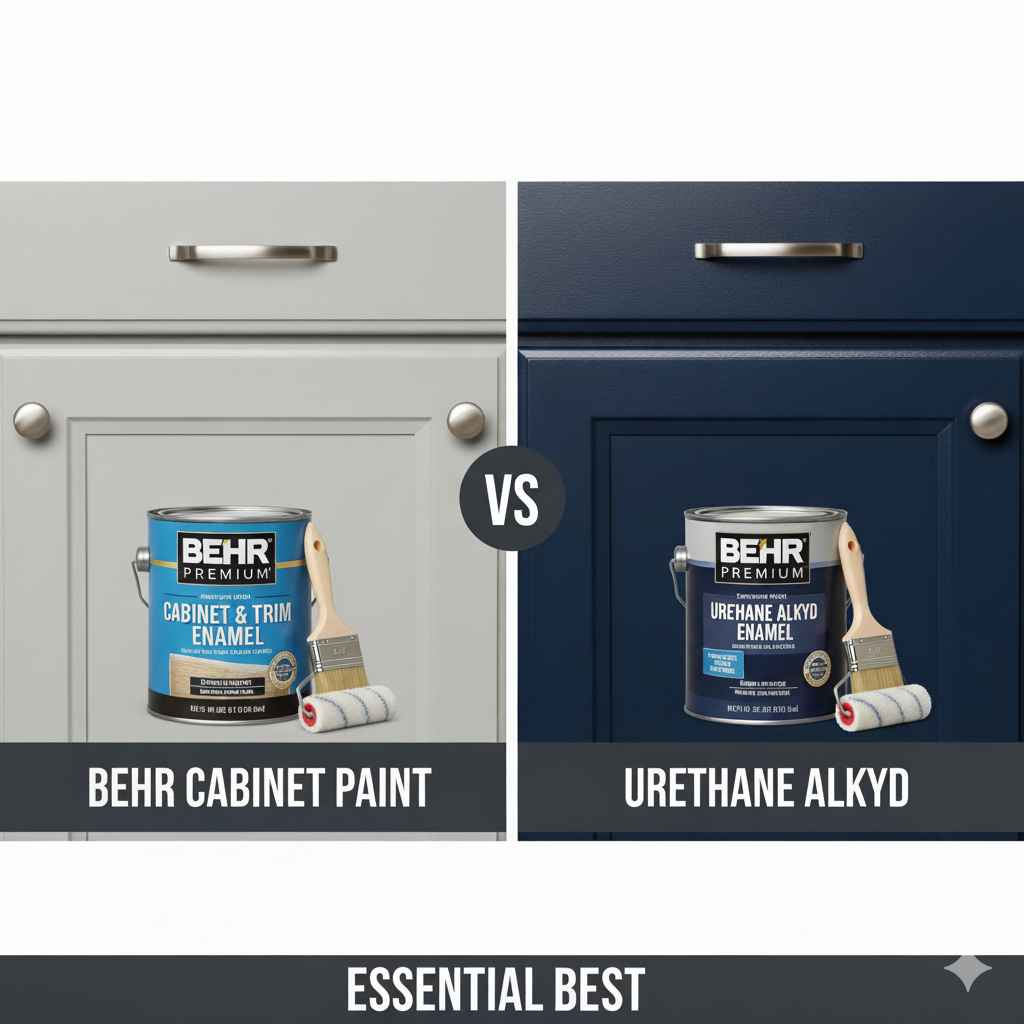
Behr Cabinet Paint vs Urethane Alkyd: Essential Best
Choosing the right paint for your kitchen or bathroom cabinets can seem tricky, but it doesn’t have to be! For a durable, beautiful finish, understanding the differences between Behr’s cabinet paint and urethane alkyd enamel is key. This guide will break it down simply so you can pick the perfect paint with confidence.
Hello there, fellow DIYers and homeowners! Md Meraj here, ready to guide you through a common but often confusing project: painting your cabinets. I know how frustrating it can be to stare at a can of paint, wondering if it’s the right choice for that smooth, lasting finish you’re dreaming of. Will it chip? Will it look professional? Don’t worry, we’ve all been there. Today, we’re going to tackle the great cabinet paint debate: Behr Cabinet Paint versus Urethane Alkyd Enamel. By the end of this, you’ll know exactly which one will give your cabinets that beautiful, durable makeover you’re looking for. Let’s dive in and make your cabinet dreams a reality!
Understanding Your Cabinet Paint Options
When you set out to repaint your cabinets, you’ll quickly realize there are many paint options out there. Two popular choices that often come up are specialized cabinet paints, like those offered by Behr, and the workhorse known as urethane alkyd enamel. While both aim to give your cabinets a fresh look, they achieve this in different ways, offering distinct advantages and disadvantages. Knowing these differences will help you achieve the best possible finish for your specific needs and your cabinets.
What is Behr Cabinet Paint?
Behr, a well-known brand in the paint world, offers specific product lines designed for cabinets. These are often latex-based paints formulated with added acrylics or other binders to improve their durability, adhesion, and finish compared to standard interior latex paints. They are typically designed for easy application, fast drying times, and low VOC (volatile organic compound) content, making them a user-friendly option for DIYers. Behr cabinet paints aim to provide a smooth, factory-like finish with good resistance to scuffs and stains, perfect for high-traffic areas like kitchens.
What is Urethane Alkyd Enamel?
Urethane alkyd enamels are a hybrid paint, blending the best properties of traditional oil-based alkyd paints with the benefits of modern polyurethane technology. Traditional alkyd paints are known for their exceptional hardness, smooth finish, and durability, but they can have strong odors, longer dry times, and yellowing issues over time. Urethane alkyds are formulated to offer much of that superior hardness and a sleek finish while being water-reducible (meaning you can clean up with soap and water), having lower VOCs than pure oil paints, and offering better flexibility to resist cracking. They are often favored for their extreme durability and resistance to wear and tear, making them a top choice for high-impact surfaces like cabinets, trim, and doors.
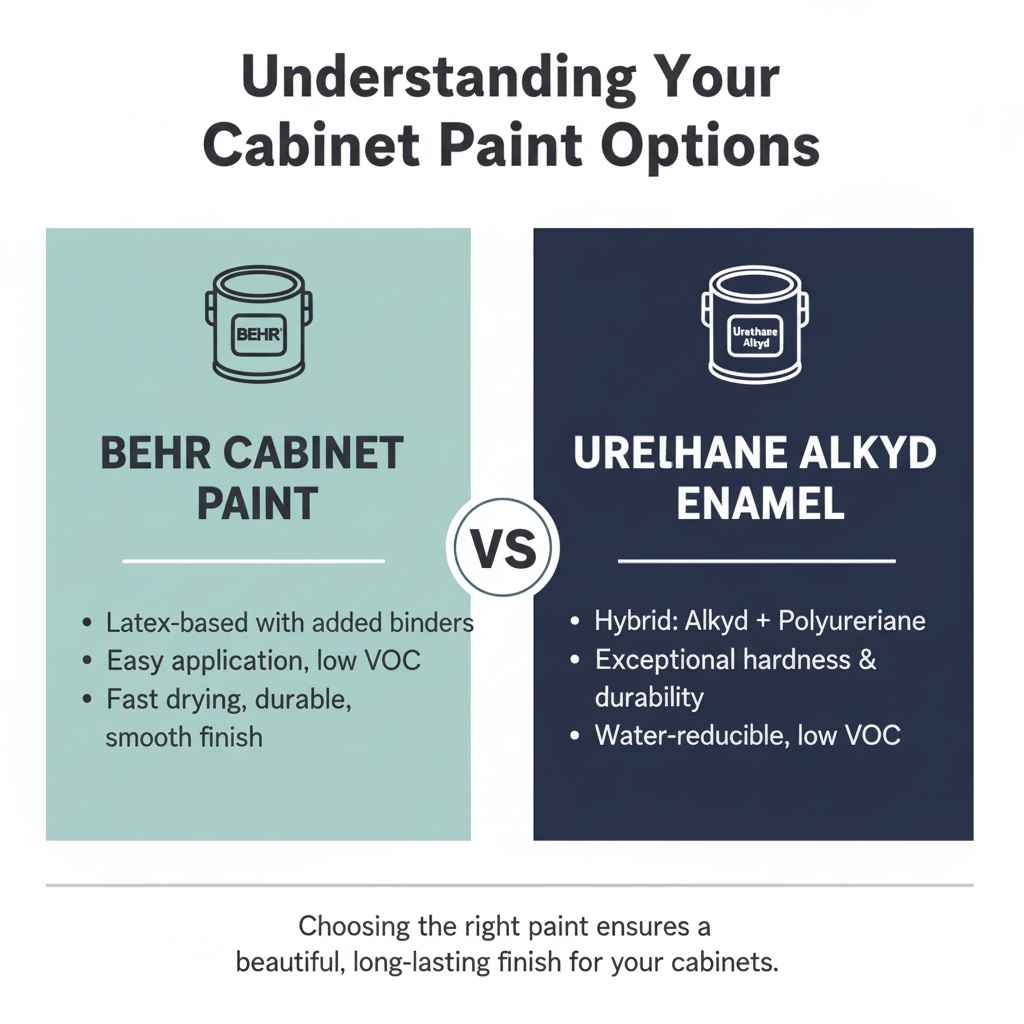
Key Differences: Behr Cabinet Paint vs. Urethane Alkyd Enamel
To make an informed decision, let’s break down the core differences between Behr’s specialized cabinet paint and urethane alkyd enamels. This comparison will focus on factors most important to a DIY project: ease of use, durability, finish quality, cleanup, and cost.
Durability and Hardness
This is often the most significant differentiator. Urethane alkyd enamels generally offer superior hardness and scratch resistance. The polyurethane in their formulation creates a very tough, resinous film that stands up exceptionally well to daily wear, knocks, and spills. Behr cabinet paints are also formulated for durability and are much tougher than standard interior paints. However, the advanced resin system in urethane alkyds often gives them an edge in long-term resilience against chipping and abrasion, making them a favorite for demanding areas.
Finish and Application
Both types of paint aim for a smooth, professional-looking finish. Behr cabinet paints are designed for ease of application, often having a smoother flow and leveling on their own, reducing the likelihood of brush marks or roller texture. Many are self-leveling, which helps achieve that sought-after smooth look. Urethane alkyd enamels can also provide an incredibly smooth finish, often with a subtle sheen that looks very high-end. However, their application can sometimes be a bit trickier for beginners. They might require more careful brushing or rolling to avoid drips and ensure an even coat, especially if not thinned correctly. The drying time is also a factor; urethane alkyds can sometimes take longer to cure fully, even though they might dry to the touch relatively quickly.
Adhesion
Proper adhesion is crucial for any cabinet painting project. Both Behr cabinet paints and urethane alkyd enamels are formulated with excellent adhesion properties when applied to properly prepared surfaces. This means ensuring your cabinets are clean, sanded, and primed. Behr often emphasizes their “sticks to anything” capabilities for ease of use, while urethane alkyds leverage their advanced binders for tenacious grip. Following surface preparation guidelines meticulously is paramount for both paint types to ensure longevity.
Cleanup
This is where water-reducible urethane alkyds shine compared to traditional oil-based paints. Cleanup for Behr cabinet paints (which are typically water-based) is straightforward: soap and water. For urethane alkyds, while they are often water-reducible, meaning your brushes and rollers can be cleaned with soap and water when the paint is wet, some users find they can be a bit stickier to work with during cleanup than pure latex paints. However, a significant advantage over traditional oil-based paints is that you don’t need harsh solvents.
VOCs and Odor
Behr cabinet paints, being water-based, generally have very low VOCs and minimal odor, making them ideal for indoor use and for those sensitive to chemical smells. Urethane alkyd enamels have significantly improved in this area over the years. While they might have a slightly stronger scent than pure latex paints during application, modern formulations are often low-VOC and much more pleasant to work with than old-school oil paints. Always check the product’s Safety Data Sheet (SDS) for specific information on VOC content.
Cost
Pricing can vary significantly based on the specific product line within Behr’s offerings and the brand of urethane alkyd enamel you choose. Generally, specialized cabinet paints like those from Behr might come at a premium compared to standard interior wall paints but can often be comparable to or slightly less expensive than high-quality urethane alkyd enamels. However, considering the superior durability and long-lasting finish of urethane alkyds, they can offer better value in the long run, as you’ll likely need to touch up or repaint less frequently.
Comparison Table: Behr Cabinet Paint vs. Urethane Alkyd Enamel
To help visualize the differences, here’s a quick comparison:
| Feature | Behr Cabinet Paint | Urethane Alkyd Enamel |
|---|---|---|
| Durability | Good to Very Good; resistant to scuffs and stains. | Excellent; superior hardness and scratch resistance. |
| Finish Quality | Smooth, often self-leveling for a factory-like look. | Very smooth, sleek finish with good sheen. |
| Ease of Application | Very easy; designed for DIY ease, good flow. | Moderately easy; may require slightly more technique for perfect results. |
| Cleanup | Easy (soap and water). | Easy when wet (soap and water); can be slightly stickier than latex. |
| VOCs & Odor | Very Low; minimal odor. | Low to Moderate; generally lower than traditional oil, but can have more odor than latex. |
| Cost (Estimate) | Mid-Range to Premium. | Mid-Range to Premium; potentially higher upfront. |
| Best For | Beginners, quick makeovers, areas with moderate wear. | High-traffic areas, demanding surfaces, long-term durability. |
Choosing the Right Paint for Your Project: Key Considerations
Now that you understand the basics, how do you pick the winner for your cabinets? It really comes down to your priorities and the specific demands of your space. Think about these points:
Your DIY Skill Level
If you’re new to painting or woodworking projects, Behr cabinet paint might be the more forgiving option. Its formula is designed to help you achieve a smooth finish with less struggle. Urethane alkyds can be amazing, but if you’re not comfortable with painting techniques, you might find them a little less forgiving if you make a mistake. For example, getting a perfectly even coat without visible brush strokes can take a bit more practice.
The Cabinets’ Location and Use
Are these kitchen cabinets that will see constant use, splashes of water, grease, and maybe even the occasional bump from a toddler’s toy? Or are they for a bathroom vanity that gets less intense traffic? For high-traffic, high-wear areas like kitchen cabinets, the superior durability of a urethane alkyd enamel is often worth the investment and any slight increase in application effort. For lower-traffic areas or if you’re just looking for a freshen-up, Behr cabinet paint can be an excellent, easy-to-use choice.
Desired Finish
Both produce smooth finishes, but there can be subtle differences. Behr cabinet paints often aim for a satin or semi-gloss finish that looks clean and modern. Urethane alkyds, in my experience, tend to yield an exceptionally smooth finish with a noticeable depth and hardness to the sheen, almost akin to a lacquered or factory-painted look. If you desire that ultimate sleek, almost glass-like hardness, urethane alkyd is a strong contender.
Time and Budget
If you’re on a tight timeline and want the project done quickly with minimal fuss, Behr’s convenient formulas might appeal. The faster drying times of many latex-based paints can also speed up the overall process. If budget is a major concern, compare prices carefully, as high-end urethane alkyds can sometimes be pricier upfront than Behr’s cabinet lines. However, consider the longevity – a more durable paint that lasts longer might save you money and effort in the long run.
How to Prepare Your Cabinets for Painting (Essential Steps for Any Paint Type!)
No matter which paint you choose, proper preparation is the secret to a professional-looking, long-lasting finish. Skipping these steps is the surest way to end up with paint that peels or chips. Treat this as the most critical part of the process!
- Clean Thoroughly: This is non-negotiable. Kitchen cabinets, especially, accumulate grease and grime. Use a good degreaser and a clean cloth to wash down every surface. For stubborn grease, a solution of TSP (trisodium phosphate) substitute mixed with water can be very effective. Rinse well and let them dry completely. Pro Tip: If you’re unsure how to handle TSP, a strong solution of dish soap and hot water can also do a decent job, but it might require more elbow grease. Always wear gloves when working with cleaning solutions.
- Repair Imperfections: Fill any holes from old hardware or dings and dents with a good quality wood filler. Let it dry completely, then sand it smooth. For larger gouges, you might need to use a two-part wood filler for a more robust repair.
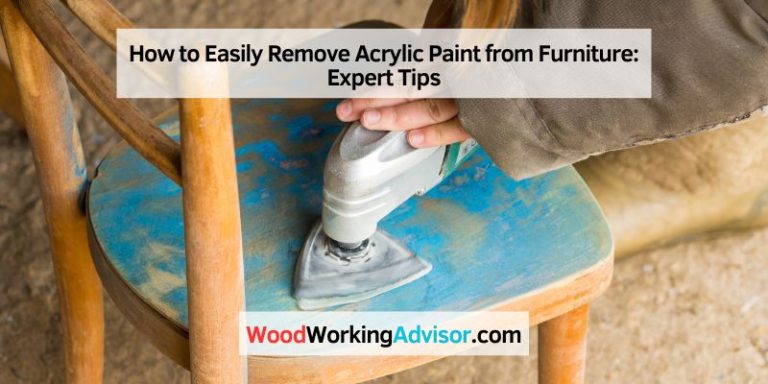
- Sand Everything: This creates a “mechanical bond” for the paint to adhere to. For most cabinets, a medium-grit sandpaper (around 100-150 grit) is sufficient. You don’t need to remove the old finish; just scuff up the surface so it’s no longer glossy or slick. Don’t forget to sand any existing paint or primer. Safety First: Always wear a dust mask and safety glasses when sanding. Consider using a sanding sponge for easier access to corners and edges. You can find helpful resources on safe sanding practices from OSHA, the Occupational Safety and Health Administration.
- Clean Again: After sanding, there will be dust. Use a vacuum with a brush attachment to remove loose dust, then wipe everything down with a tack cloth or a damp microfiber cloth to pick up any fine particles. Ensure cabinets are dust-free before priming/painting.
- Prime (If Necessary): While some paints claim to be “paint and primer in one,” a dedicated primer often provides the best adhesion and a uniform base for your topcoat. Use a high-quality bonding primer, especially if you have a slick surface or are painting over a dark color. Water-based primers are usually compatible with both Behr cabinet paints and urethane alkyds. For oil-based primers (which offer superior adhesion and stain blocking), ensure your topcoat is compatible; many modern water-based paints are.
Applying Your Chosen Paint: Tips for a Professional Finish
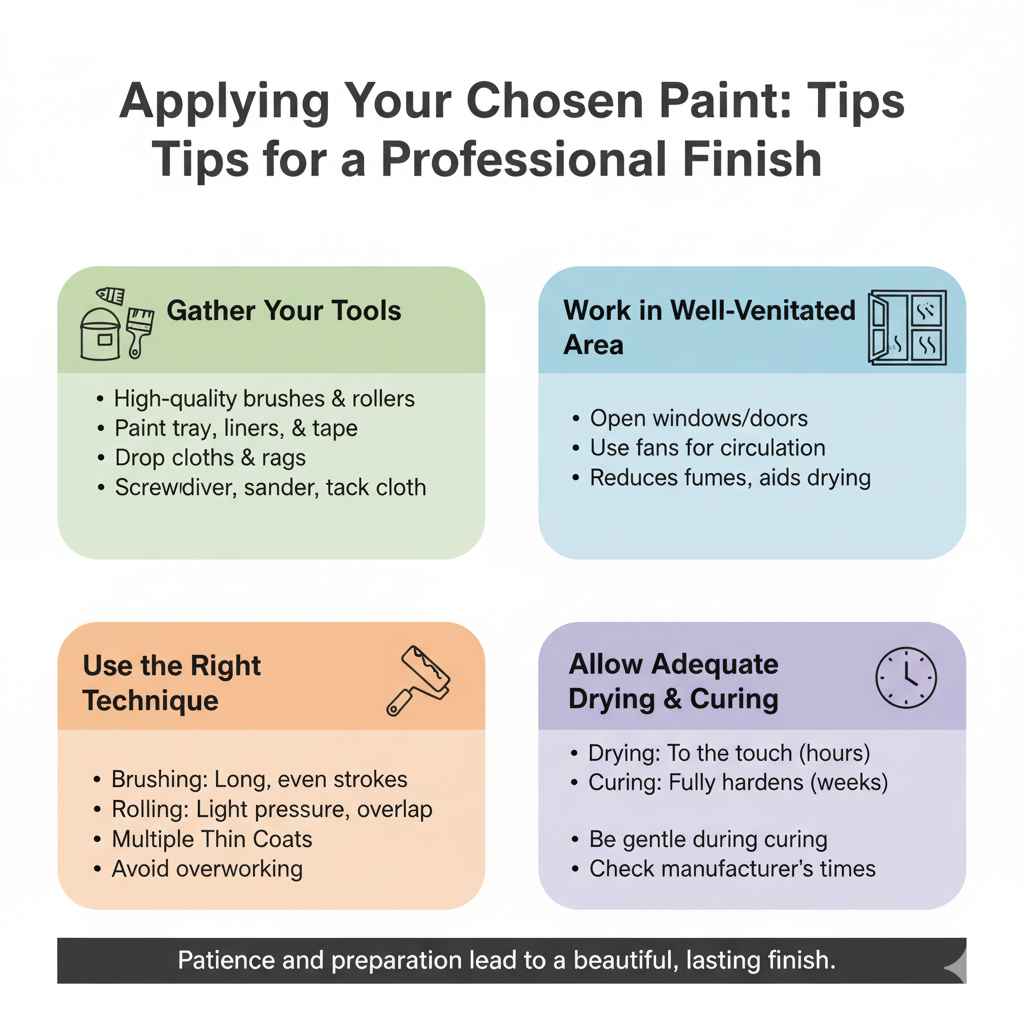
Once your cabinets are prepped and primed, it’s time for the fun part – painting! Here are some general tips that apply whether you’re using Behr cabinet paint or a urethane alkyd enamel.
Gather Your Tools
Having the right tools makes a world of difference:
- High-quality synthetic bristle brushes (for cutting in edges and details)
- High-density foam rollers or micro-roller covers (for smooth application on flat surfaces)
- Paint tray and liners
- Painter’s tape (high quality, like FrogTape or 3M Blue Tape)
- Drop cloths or old sheets
- Screwdriver or drill to remove hardware
- Sanding block or electric sander
- Tack cloths
- Clean rags
Work in a Well-Ventilated Area
Open windows and doors, and consider using fans to ensure good air circulation. This helps with drying and keeps fumes to a minimum. Even with low-VOC paints, good ventilation is always a wise practice.
Use the Right Technique
- For Brushing: Apply paint in long, even strokes, working in one direction. Don’t overwork the paint; apply a thin, even coat and let it do its job.
- For Rolling: Load your roller evenly in the paint tray. Apply paint to the cabinet surface with light pressure, using overlapping strokes. Avoid pressing too hard, which can create an uneven texture.
- Multiple Thin Coats: It’s almost always better to apply two or three thin coats of paint rather than one thick coat. Thin coats dry faster, adhere better, and result in a smoother, more durable finish.
Allow Adequate Drying and Curing Time
Paint dries to the touch relatively quickly, but it takes much longer to cure fully. Behr cabinet paints, being water-based, might cure within a week or two. Urethane alkyds can take up to 30 days to reach their maximum hardness. During the curing period, be extra gentle with your cabinets. Avoid slamming doors or placing heavy items that might scratch or mar the fresh paint. Check the paint manufacturer’s recommendations for specific drying and recoating times between coats. For more details on paint curing, resources from paint manufacturers or organizations like the American Coatings Association can be very informative.
Frequently Asked Questions (FAQ)
Q1: Can I use regular Behr interior paint on cabinets?
While you can, it’s not recommended for the best results. Regular interior paint isn’t formulated for the high traffic, grease, and moisture cabinets endure. Specialized Behr cabinet paints or urethane alkyds offer superior durability, adhesion, and a smoother finish.
Q2: Is urethane alkyd enamel hard to apply?
Urethane alkyds can be a little trickier than latex but are much easier than traditional oil-based paints. With proper preparation and technique—using a good quality brush and roller, and applying thin coats—beginners can achieve excellent results.
Q3: Which type of paint is more resistant to chipping?
Urethane alkyd enamels generally offer superior resistance to chipping due to their extreme hardness and flexibility, making them ideal for high-impact areas.
Q4: Do I need to use a primer with Behr cabinet paint?
While some Behr cabinet paints are designed for good adhesion, using a quality bonding primer after proper prep will always enhance adhesion, ensure a uniform color, and contribute to the overall durability of your finish.
Q5: How long will it take for my cabinets to cure completely?
Behr cabinet paints, being water-based, typically cure in about 7-14 days. Urethane alkyd enamels can take longer, often up to 30 days, to reach their maximum hardness. During this time, treat your cabinets gently.