Best Composite Decking Brands Compared
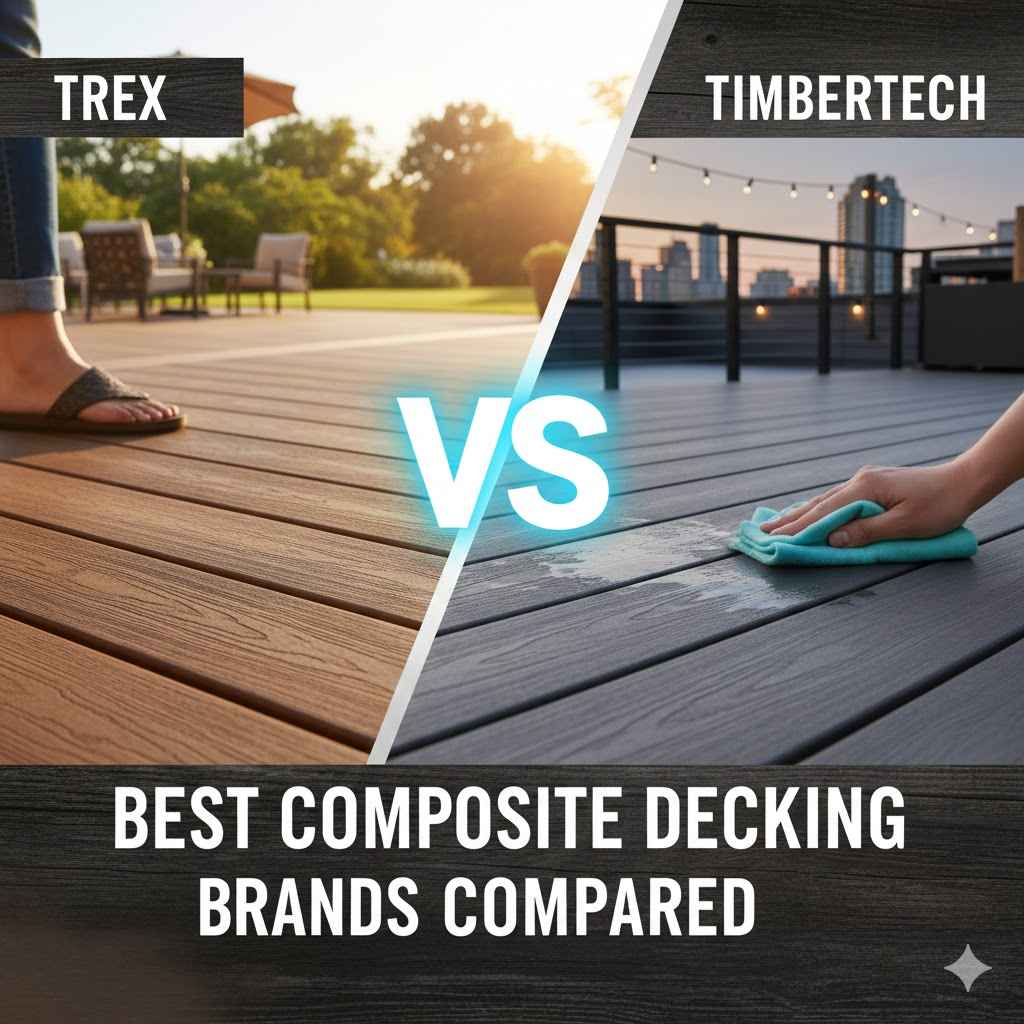
Choosing the right composite decking can feel like a puzzle for folks new to home improvement projects. You see all the options, and figuring out which brand offers the most bang for your buck can be tough. Don’t worry!
We’re here to make it super simple. We’ll walk you through everything step by step, so you can pick the perfect decking without any stress. Get ready to find out which of the Best Composite Decking Brands Compared truly stands out for your backyard.
Exploring Top Composite Decking Brands
This section looks at the leading companies that make composite decking. We’ll talk about what makes each brand special and why they are popular choices for homeowners. Think of this as your first look at the big players in the composite decking world.
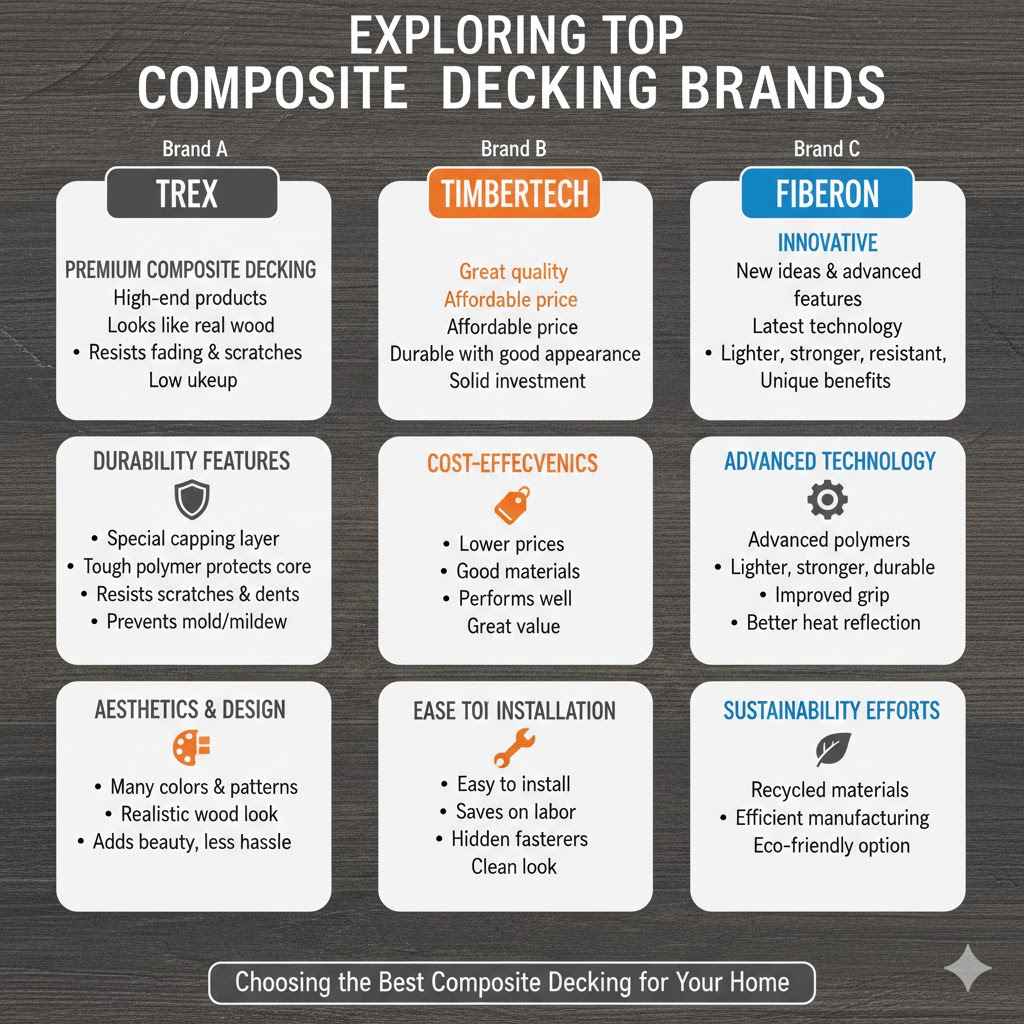
Brand A Premium Composite Decking
Brand A is known for its high-end products. They focus on making decking that looks like real wood but lasts much longer. Their materials are designed to resist fading, staining, and scratches.
This makes them a great choice if you want a beautiful deck that needs very little upkeep.
Durability Features
Brand A uses a special capping layer. This layer is like a shield that protects the core of the decking board. It’s made of a very tough polymer.
This makes it hard for scratches and dents to get through. It also stops moisture from getting in, which prevents mold and mildew growth. This strong protection means your deck will look good for many years.
Aesthetics and Design
They offer many colors and wood grain patterns. You can find options that look like classic hardwoods or more modern, sleek styles. The realistic look is a big reason why people choose Brand A.
They want a deck that adds beauty to their home without the hassle of real wood.
Brand B Value Composite Decking
Brand B offers great quality at a more affordable price. They provide durable decking that still has a good appearance. This brand is a smart pick for those on a budget who don’t want to sacrifice too much.
You get a good looking deck that will last, making it a solid investment for your home.
Cost-Effectiveness
Brand B is a top contender when you look at the Best Composite Decking Brands Compared for value. Their prices are generally lower than premium brands. Yet, they still use good materials.
This means you get a deck that performs well without spending a fortune. It’s a balance that many homeowners appreciate.
Ease of Installation
The decking boards from Brand B are designed to be easy to install. This can save on labor costs if you’re hiring someone or make it easier if you’re doing it yourself. The system often includes hidden fasteners, which give a clean look and simplify the process.
Brand C Innovative Composite Decking
Brand C stands out for its new ideas and advanced features. They often use newer materials or offer unique benefits. If you’re looking for something a bit different or want the latest in decking technology, Brand C might be the one.
They are always trying to improve what composite decking can do.
Advanced Technology
Brand C might use advanced polymers or manufacturing techniques. This could result in decking that is lighter, stronger, or more resistant to the elements. They might also offer special features like improved grip surfaces or better heat reflection to keep your deck cooler.
These innovations set them apart from others.
Sustainability Efforts
Many people are interested in eco-friendly options. Brand C often focuses on using recycled materials in their products. They might also have efficient manufacturing processes that reduce waste.
Choosing a sustainable brand is good for your home and the environment.
Key Features to Consider When Comparing Brands
When you’re looking at the Best Composite Decking Brands Compared, several important features matter. These are the things that will affect how your deck looks, how long it lasts, and how easy it is to care for. Thinking about these details helps you make the best choice for your needs and your budget.
Material Composition
Composite decking is made from a mix of wood fibers and plastic. The type and quality of these materials make a big difference. Some brands use more wood, while others use more plastic.
The plastic often comes in the form of polyethylene, polypropylene, or PVC. The wood can be sawdust or wood flour. The ratio and the quality of these components affect the decking’s strength, resistance to moisture, and overall appearance.
For instance, decking with a higher plastic content might be more resistant to stains and fading.
Wood vs. Plastic Ratio
The balance between wood and plastic impacts performance. A higher plastic content generally leads to better resistance against moisture and insects. It also helps in preventing rot and decay.
Decking with more wood might look more natural but can be more prone to weathering if not properly protected.
Type of Plastic Used
Different plastics offer different benefits. Polyethylene (PE) is common and offers good durability. Polypropylene (PP) is also strong and can resist chemicals well.
Polyvinyl Chloride (PVC) is known for its strength and fire resistance. The choice of plastic affects the decking’s flexibility, hardness, and resistance to UV rays.
Durability and Longevity
Composite decks are built to last longer than traditional wood decks. However, not all composites are created equal. Some will hold up better to harsh weather, heavy foot traffic, and daily wear and tear.
Look for brands that offer good warranties, as this is often a sign of their confidence in their product’s lifespan.
Resistance to Weather Elements
Composite decking should withstand sun, rain, snow, and temperature changes. Brands that use UV inhibitors in their plastic help prevent fading and cracking from sunlight. Good quality composites also don’t absorb much moisture, which stops them from warping, swelling, or rotting in wet conditions.
Scratch and Stain Resistance
A common concern is how well composite decks resist scratches from furniture or pets, and stains from spills like food or drinks. Higher-quality composite decking often has a protective outer layer, sometimes called “capping,” that acts as a barrier. This capping makes it much harder for scratches and stains to penetrate the board.
Aesthetics and Style Options
Composite decking has come a long way in looks. Many brands now offer realistic wood grain textures and a wide range of colors. You can find styles that mimic exotic hardwoods or traditional pine.
Think about the look you want for your home and backyard. The visual appeal is a major factor in choosing the right decking.
Color Palettes
The available colors can range from light tans and grays to deep browns and even black. Some brands offer solid colors, while others have multi-tonal shades that mimic the natural variation found in wood. This variety allows you to match your deck to your home’s exterior or create a specific outdoor mood.
Wood Grain Textures
Modern composite decking can have very realistic textures. The embossing process creates patterns that look and feel like natural wood grain. Some premium brands even offer textures that replicate specific wood species, giving your deck a high-end, authentic appearance without the maintenance of real wood.
Maintenance Requirements
One of the biggest advantages of composite decking is its low maintenance. However, the level of effort required can still vary between brands. Some might need occasional cleaning with soap and water, while others might require more specialized care.
Understanding the maintenance will help you manage your deck care routine.
Cleaning and Care
Most composite decks just need a sweep to remove debris and an occasional wash with mild soap and water. Tougher stains might need a bit more effort, but generally, the process is straightforward. Always check the manufacturer’s recommendations for cleaning products to avoid damage.
Mold and Mildew Resistance
Because composite decking doesn’t absorb moisture like wood, it’s much less likely to grow mold or mildew. Brands that use advanced capping materials are even better at preventing these issues. This means less scrubbing and fewer worries about your deck looking dingy over time.
Warranties and Guarantees
A good warranty is a sign that a company stands behind its product. When comparing the Best Composite Decking Brands Compared, pay close attention to the warranty details. Look for coverage on staining, fading, structural integrity, and insect damage.
Longer warranties typically mean higher quality and greater peace of mind.
Length of Warranty
Warranties can range from 10 to 30 years, or even be “lifetime” warranties for some premium products. A longer warranty usually indicates a more durable and well-made product. It shows the manufacturer’s confidence in how long their decking will perform well.
What is Covered
Read the fine print to know exactly what is covered. Some warranties only cover material defects, while others include coverage for staining, fading, and even labor costs for replacement. Understand if the warranty is “pro-rated,” meaning its value decreases over time, or “full replacement.”
Comparing Popular Composite Decking Brands
Now, let’s get into a direct comparison of some of the most well-known composite decking brands. This will help you see where each brand shines and where they might fall short. By looking at them side-by-side, you can make a more informed decision about which one fits your project best.
Brand A vs. Brand B
When comparing Brand A and Brand B, you’re looking at a premium option versus a more budget-friendly choice. Brand A often uses more advanced materials and offers a wider range of luxury looks. Brand B, on the other hand, provides a solid, reliable product at a lower price point, making it a great value.
| Feature | Brand A (Premium) | Brand B (Value) |
|---|---|---|
| Price Range | $$$$ | $$ |
| Durability | Excellent | Very Good |
| Aesthetics | High-end, very realistic wood grains | Good, natural wood looks |
| Warranty | 25-50 years, often non-prorated | 15-25 years, may be prorated |
| Maintenance | Very Low | Low |
Material Quality
Brand A often uses a thicker, more robust cap layer made of advanced polymers. This cap provides superior protection against scratches, stains, and fading. Brand B uses good quality materials, but their capping might be thinner or less advanced, making it slightly more susceptible to wear over time.
Design Variety
Brand A typically offers a broader spectrum of colors and more intricate wood grain patterns. These designs often mimic exotic hardwoods with greater accuracy. Brand B provides a good selection of popular colors and textures, but the level of detail might not be as fine as Brand A’s top-tier lines.
Cost vs. Investment
Brand A represents a higher upfront cost, but many consider it a long-term investment due to its superior durability and extended warranty. Brand B offers a more accessible entry point, allowing homeowners to achieve a composite deck at a significantly lower price, which is ideal for those on a tighter budget.
Brand A vs. Brand C
Comparing Brand A with Brand C pits a well-established premium brand against an innovator. Brand A is known for its consistent quality and traditional luxury looks. Brand C might offer newer technologies or unique features, potentially focusing on sustainability or specialized performance aspects.
| Feature | Brand A (Premium) | Brand C (Innovative) |
|---|---|---|
| Price Range | $$$$ | $$$-$$$$ |
| Durability | Excellent | Excellent, potentially with unique properties |
| Aesthetics | High-end, very realistic wood grains | Modern, diverse, may include unique finishes |
| Warranty | 25-50 years, often non-prorated | 20-50 years, varies with innovation |
| Unique Features | Proven luxury and performance | Advanced technology, sustainability focus |
Technological Edge
Brand C might incorporate cutting-edge materials or manufacturing processes. This could translate into benefits like enhanced UV protection, superior heat dissipation to keep the deck cooler, or even self-cleaning properties. Brand A focuses on perfecting proven technologies for reliable, high-quality results.
Environmental Considerations
If sustainability is a major concern, Brand C often leads the way. They might use a higher percentage of recycled content or have more eco-friendly production methods. Brand A is also improving its sustainability efforts, but Brand C might be more specialized in this area.
Target Audience
Brand A appeals to homeowners seeking timeless elegance and proven performance. Brand C attracts those looking for the latest advancements, eco-conscious options, or specific performance enhancements that go beyond standard composite decking.
Brand B vs. Brand C
When you compare Brand B, a value-oriented option, with Brand C, an innovator, you’re weighing budget against cutting-edge features. Brand B offers a solid, cost-effective solution for most needs. Brand C might provide advanced benefits or unique selling points that could justify a higher price for some homeowners.
| Feature | Brand B (Value) | Brand C (Innovative) |
|---|---|---|
| Price Range | $$ | $$$-$$$$ |
| Durability | Very Good | Excellent, potentially with unique properties |
| Aesthetics | Good, natural wood looks | Modern, diverse, may include unique finishes |
| Warranty | 15-25 years, may be prorated | 20-50 years, varies with innovation |
| Key Selling Point | Affordability and good performance | Advanced features and innovation |
Cost-Benefit Analysis
Brand B offers the most affordable way to get a good composite deck. You get reliability and a nice look without a high cost. Brand C’s pricing reflects its advanced features.
Whether those features are worth the extra money depends on your specific priorities and how you plan to use your deck.
Performance Edge
Brand C might offer specific performance advantages, such as better fade resistance or cooler surface temperatures, due to its innovative materials. Brand B provides solid, all-around performance that meets the needs of most homeowners looking for a durable and attractive deck.
Long-Term Value Proposition
For homeowners focused purely on budget, Brand B provides excellent long-term value. For those who prioritize specific advanced features, eco-friendliness, or the latest technology, Brand C can offer superior long-term value despite a higher initial cost.
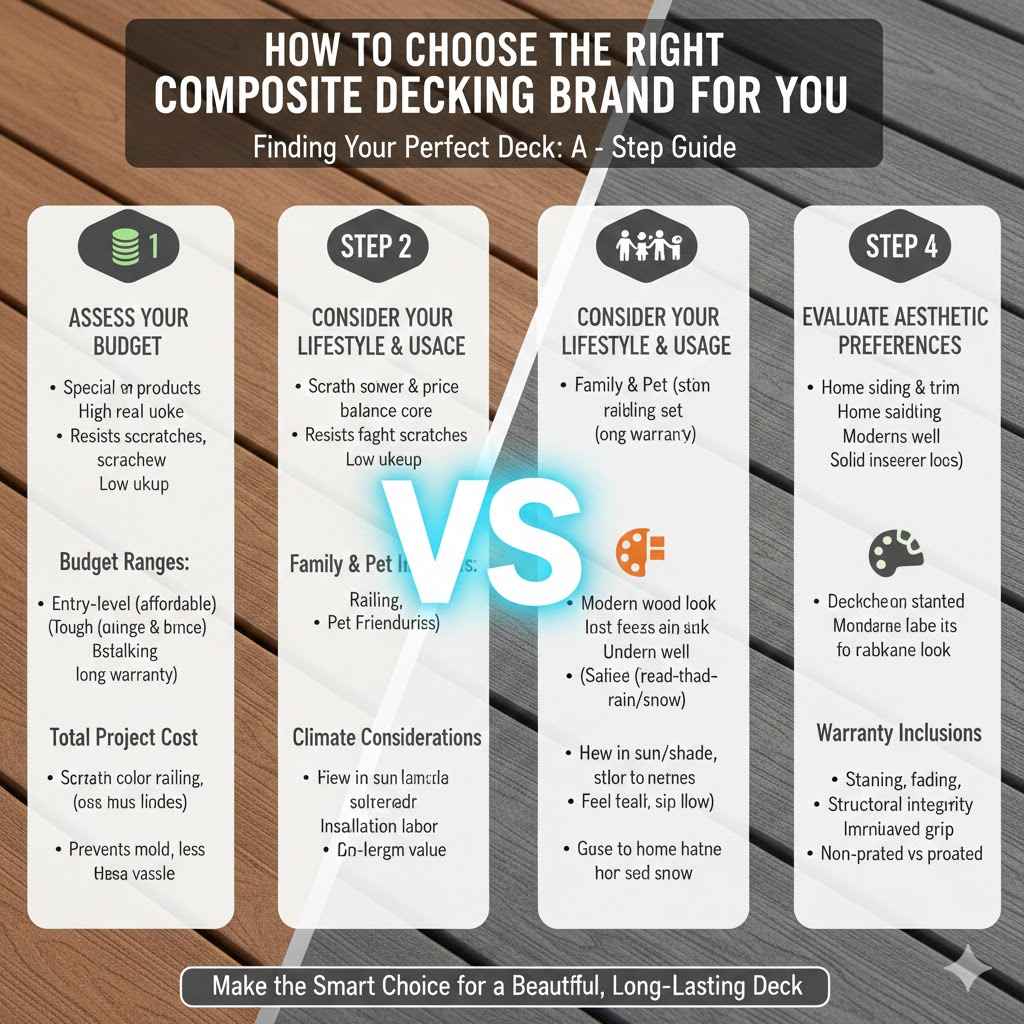
How to Choose the Right Composite Decking Brand for You
Picking the right brand from the Best Composite Decking Brands Compared comes down to your personal needs and preferences. Think about your budget, how you’ll use your deck, and what look you’re going for. By considering these factors, you can narrow down your options and make a confident choice.
Step 1 Assess Your Budget
The cost of composite decking can vary significantly between brands and product lines. It’s important to set a realistic budget before you start shopping. Remember to factor in the cost of accessories like fasteners, railing systems, and lighting.
Also, consider installation costs if you’re not doing the work yourself. Higher-priced brands often offer better warranties and durability, which can mean more value over time.
Budget Ranges
Composite decking typically falls into three price categories: entry-level, mid-range, and premium. Entry-level options are the most affordable but may have fewer features or shorter warranties. Mid-range brands offer a good balance of quality and price.
Premium brands are the most expensive but provide the best performance, aesthetics, and longest warranties.
Total Project Cost
Always consider the total cost, not just the price per linear foot of decking. Railings, posts, stair components, and fasteners can add substantially to the overall expense. Some brands offer integrated systems where all components are designed to work together, which can simplify purchasing and installation.
Step 2 Consider Your Lifestyle and Usage
How you plan to use your deck will influence the type of composite decking that’s best for you. If you have pets or children, you’ll want a material that’s very scratch and stain-resistant. If you live in a hot climate, look for decking that stays cooler underfoot.
For areas with heavy rain or snow, ensure the material offers excellent moisture and slip resistance.
Family and Pet Friendliness
For homes with active families and pets, durability is key. Look for composite decking with robust capping that resists scratches from pet claws and scuffs from toys. Stain resistance is also vital for handling spills from food, drinks, and mud.
Brands with enhanced protective layers are ideal in these situations.
Climate Considerations
In very hot climates, the surface temperature of composite decking can become uncomfortable. Some newer composite technologies are designed to reflect more heat, keeping the deck cooler. In areas with extreme cold or significant freeze-thaw cycles, choose decking known for its stability and resistance to cracking.
Step 3 Evaluate Aesthetic Preferences
The appearance of your deck is crucial, as it contributes significantly to your home’s curb appeal. Think about the style of your house and your landscaping. Do you prefer a classic wood look, or are you open to more modern color palettes and finishes?
Many brands offer samples, which are invaluable for seeing how colors and textures look in natural light.
Color and Texture Match
Consider the colors of your home’s siding, trim, and roof. You’ll want a deck that complements these elements. If you love the look of a specific wood species, see which composite brands offer the closest match.
The texture, or wood grain pattern, also plays a big role in the overall realism and feel of the deck.
Sample Testing
Always obtain sample boards from your top brand choices. Place these samples in your yard, in direct sunlight and shade, to see how the colors appear throughout the day. Test their texture by touch.
This hands-on experience is far more helpful than looking at pictures online.
Step 4 Research Installation and Warranty
The installation method can impact both the ease of building and the final look of your deck. Hidden fastener systems create a clean surface without visible screws. As mentioned earlier, always read the warranty details carefully.
A strong warranty provides assurance that the manufacturer believes in their product’s long-term performance.
Installation Systems
Many composite decking brands use proprietary fastening systems. Hidden fasteners create a smooth, screw-free surface, which is aesthetically pleasing and safer. Some systems are designed for faster installation, potentially saving on labor costs.
Understand the recommended installation methods for the brand you choose.
Warranty Inclusions
Carefully review what the warranty covers. Does it protect against staining, fading, scratching, or structural failure? Is it a full replacement warranty or prorated?
A non-prorated, long-term warranty that covers staining and fading provides the most confidence.
Frequently Asked Questions
Question: Is composite decking worth the investment compared to wood?
Answer: Yes, for most people, composite decking is worth the investment. While it costs more upfront than wood, it requires much less maintenance, lasts longer, and resists issues like rot, warping, and insect damage. This saves you time and money on repairs and upkeep over the years.
Question: How do I clean composite decking?
Answer: Cleaning composite decking is usually simple. Most brands recommend sweeping away debris regularly and washing with mild soap and water. For tougher stains, you can use a soft brush.
Always check the manufacturer’s guidelines for specific cleaning products to avoid damage.
Question: Will composite decking fade in the sun?
Answer: High-quality composite decking is designed with UV inhibitors to resist fading. While some minor fading can occur over the first few months, especially with cheaper products, most reputable brands maintain their color for many years. Premium capped composites offer the best protection against fading.
Question: Can I install composite decking myself?
Answer: Yes, composite decking can be installed by a DIY enthusiast. Most systems are designed with ease of installation in mind, often featuring hidden fastener options. However, it’s important to follow the manufacturer’s specific installation guidelines closely for best results and to maintain your warranty.
Question: What are the main differences between composite and PVC decking?
Answer: Composite decking is a blend of wood fibers and plastic, offering a more natural look. PVC decking is made entirely of plastic (polyvinyl chloride) and is known for being very strong, durable, and resistant to moisture and fire, but it can sometimes look less like wood.
Summary
Choosing the right composite decking brand involves balancing budget, durability, and style. By comparing leading brands like Brand A, Brand B, and Brand C, you can find the best fit for your needs. Focus on material quality, warranty, and aesthetic options.
With careful consideration, you’ll select a beautiful, long-lasting deck that enhances your outdoor living space.