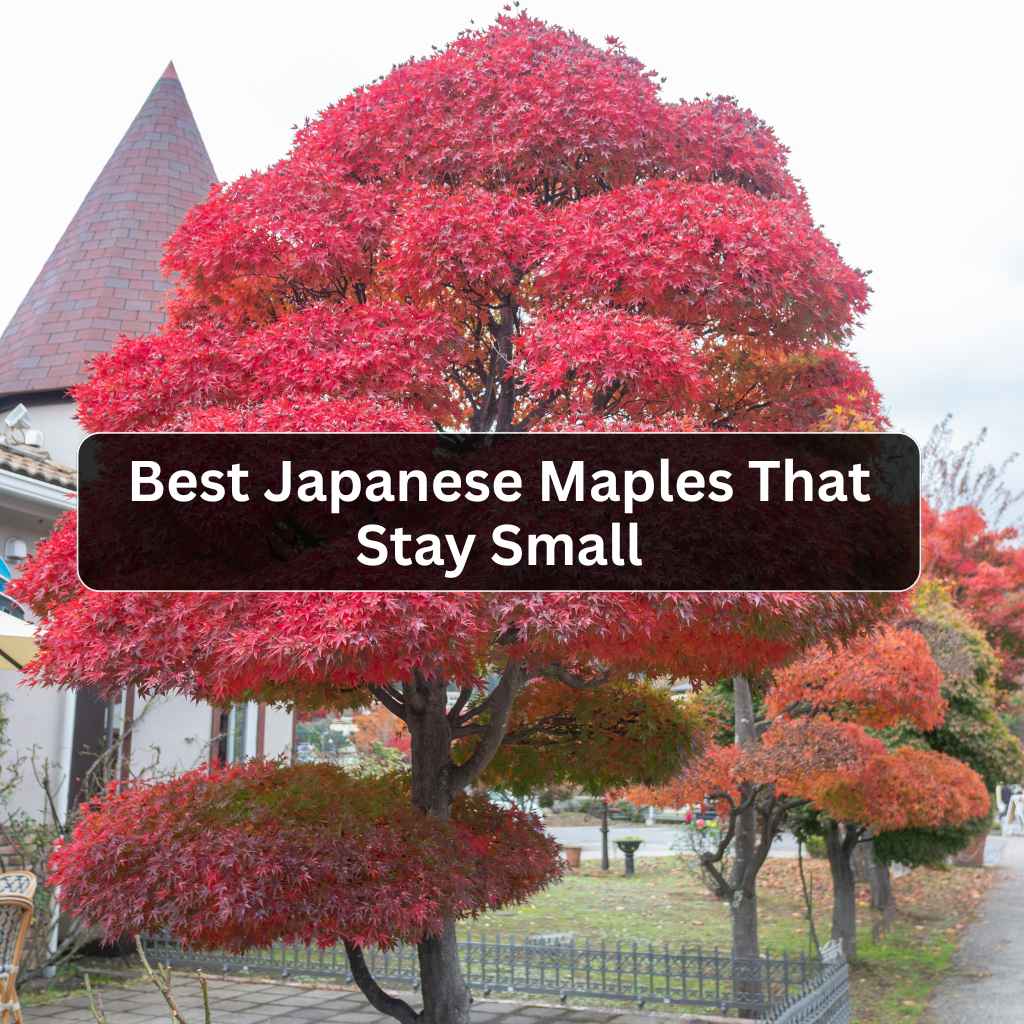
Best Japanese Maples That Stay Small
Finding the right Japanese maple for your yard can feel a little tricky sometimes. Many people worry about them growing too big. It’s easy to feel overwhelmed when you first start looking.
But don’t worry, we’ve got a simple plan to help you pick the Best Japanese Maples That Stay Small. We’ll walk you through everything you need to know so you can make a great choice.
Choosing Best Japanese Maples That Stay Small
Selecting the right small Japanese maple for your garden is an exciting prospect for many homeowners. These trees are prized for their stunning foliage, delicate structure, and vibrant seasonal colors. However, a common challenge for beginners is distinguishing between varieties that maintain a compact size and those that will eventually outgrow their intended space.
This guide aims to simplify that process, focusing on varieties that are well-suited for smaller gardens, containers, or foundation plantings. We will explore the key characteristics that define a small Japanese maple and provide clear, actionable advice to ensure your chosen tree thrives without becoming unmanageable. By understanding the nuances of different cultivars, you can confidently select a specimen that will bring beauty and elegance to your landscape for years to come.
Understanding Dwarf Japanese Maples
Dwarf Japanese maples are specifically chosen or bred for their slow growth rate and naturally smaller stature. Unlike their larger cousins, these varieties often take decades to reach their full mature height, which can range from a few feet to around 10-15 feet. Their compact nature makes them ideal for various garden settings where space is limited.
This includes urban gardens, rock gardens, container plantings on patios, or as focal points in mixed borders. The term “dwarf” itself isn’t a strict scientific classification but rather a descriptor for cultivars that exhibit significantly reduced vigor and size compared to the species. This trait is often a result of natural mutations that are then propagated through grafting or cuttings.
The appeal of dwarf Japanese maples lies not only in their size but also in their often intricate leaf shapes and diverse coloration. Many feature deeply lobed, dissected leaves that give them a fern-like appearance, while others boast broader, star-shaped leaves. Their color palettes range from vibrant greens and deep burgundies to striking oranges and yellows, with many trees offering a dramatic shift in hue throughout the seasons.
This visual variety ensures there’s a dwarf Japanese maple to suit almost any aesthetic preference.
Slow Growth Rate: Dwarf cultivars typically grow only a few inches to a foot per year. This slow pace is their defining characteristic, ensuring they remain manageable. Without this slow growth, they would quickly become too large for their intended small-space environments.
Compact Form: Their branching structure is often more dense and less spreading than larger varieties. This natural habit helps them maintain an attractive, tidy appearance even without constant pruning. It means less effort for gardeners trying to keep them in bounds.
Variety in Leaf Shape and Color: From finely cut, lace-leaf types to rounded, broad-leafed specimens, the diversity is remarkable. Colors can be consistently vibrant or change dramatically with the seasons, offering dynamic visual interest.
Grafting Technique: Many dwarf Japanese maples are grafted onto rootstock of a more vigorous variety. This technique helps control the final size and shape of the tree, as the scion (the desired dwarf variety) dictates the top growth. The rootstock provides a stable foundation while the graft union limits upward expansion.
Why Beginners Struggle with Size
Beginners often find choosing small Japanese maples challenging because the names of cultivars can be confusing, and descriptions might not always emphasize mature size clearly. Many plants sold as “small” can still grow quite large over time. Without specific knowledge about each variety’s potential growth, it’s easy to make a mistake.
A tree that looks perfect at the nursery might become a landscaping problem in a few years. This leads to disappointment and the difficult task of relocating or removing a beloved plant.
The sheer number of Japanese maple cultivars available adds to the confusion. Each has unique needs and growth habits. Understanding that “dwarf” doesn’t always mean “tiny” is key.
Some “dwarf” varieties can still reach 8-10 feet or more, which might be too big for a small patio or a tight corner. It requires looking beyond just the initial appeal to consider the long-term implications of growth. Fortunately, there are many varieties that genuinely stay small and manageable, even for beginners.
The good news is that with a little guidance, you can easily identify the best options. We will break down the most popular and reliable choices that are known for their charmingly compact size. You’ll learn exactly what to look for to ensure your Japanese maple remains a delightful feature rather than a future burden.
Let’s explore some specific varieties that fit the bill perfectly.
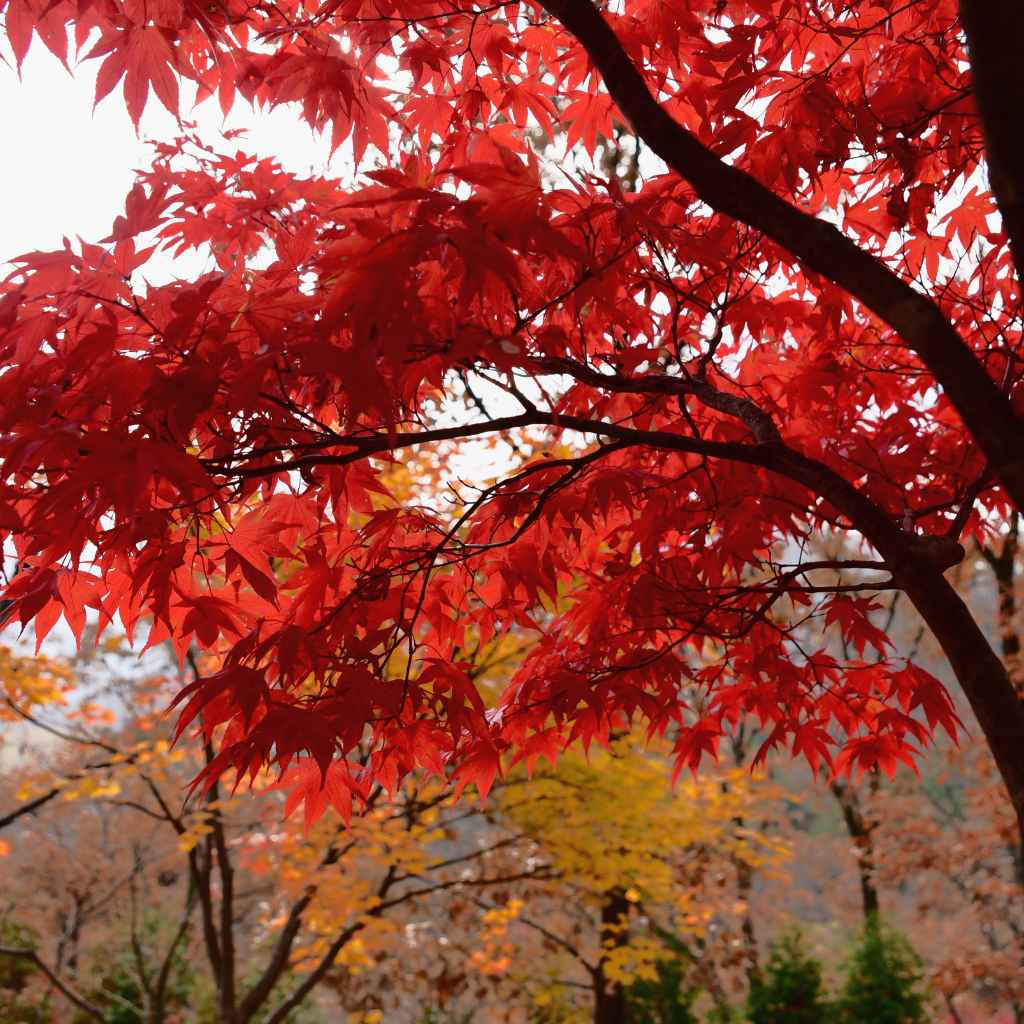
Popular Small Japanese Maple Varieties
When seeking out the Best Japanese Maples That Stay Small, focusing on specific, well-known cultivars is the most effective approach. These varieties have a proven track record of maintaining a desirable size, making them perfect for a variety of garden settings. We’ll explore some of the most beloved options, highlighting their unique characteristics and why they are excellent choices for gardeners with limited space or those who prefer a more intimate scale in their landscaping.
These trees offer beauty without demanding extensive room to grow.
‘Acer palmatum’ Kōhime’
The ‘Kōhime’ (meaning “little princess” in Japanese) is a true gem for small gardens. This cultivar is renowned for its exceptionally slow growth rate and its naturally dwarf habit. It typically reaches a mature size of only 4-6 feet in height and width, making it one of the smallest Japanese maples available.
Its leaves are deeply dissected, giving it a delicate, almost lacy appearance that remains attractive throughout the growing season. In spring, the new foliage emerges a bright, vibrant green, which matures to a rich, deeper green in summer. As autumn arrives, ‘Kōhime’ puts on a spectacular show, turning brilliant shades of fiery red and orange.
Its small size and slow growth make it incredibly versatile. ‘Kōhime’ is an excellent choice for containers, rock gardens, or as a specimen plant in a small bed. It also works beautifully as a miniature tree in Japanese-inspired gardens.
Because it grows so slowly, it requires very little pruning to maintain its shape, which is a significant advantage for beginner gardeners. The intricate leaf structure catches the light beautifully, adding texture and depth to any planting scheme. Its resilience and compact nature make it a highly rewarding choice.
Mature Size: Typically 4-6 feet tall and wide. This is a key feature for small spaces.
Leaf Characteristics: Deeply dissected, lace-leaf foliage that is light and airy. The fine texture is a major visual appeal.
Seasonal Color: Bright green in spring, maturing to darker green, with stunning red and orange fall colors. The transition is a garden highlight.
Growth Habit: Very slow-growing and naturally compact, requiring minimal pruning. This is a major benefit for ease of care.
Ideal Uses: Perfect for containers, rock gardens, small beds, or as a focal point. Its versatility is a strong point.
‘Acer palmatum’ Tinkerbelle’
‘Tinkerbelle’ is another fantastic option for those looking for a truly miniature Japanese maple. This cultivar is known for its incredibly slow growth and its tendency to form a dense, rounded shape. It rarely exceeds 3-5 feet in height and width, even after many years.
The leaves are small and delicate, with a beautiful lobed shape. In spring, ‘Tinkerbelle’ unfurls foliage in a lovely soft green. As the season progresses, the color deepens slightly, and in the fall, it transforms into attractive shades of yellow and orange, sometimes with hints of red.
The charm of ‘Tinkerbelle’ lies in its petite size and its almost whimsical appearance. It’s perfectly suited for the smallest of gardens, for growing in a pot on a balcony or patio, or for adding a touch of elegance to a miniature landscape. Its dense growth habit means it naturally looks full and well-shaped, minimizing the need for any shaping or size-controlling pruning.
This makes it an exceptionally low-maintenance choice for beginners who want a beautiful tree without a lot of fuss. The delicate leaves provide a soft texture that complements other garden plants.
Mature Size: Typically 3-5 feet tall and wide. This is exceptionally small for a Japanese maple.
Leaf Characteristics: Small, delicate, and lobed leaves on a compact plant. The tiny size of the leaves enhances its miniature look.
Seasonal Color: Soft green in spring, turning to yellow and orange fall colors. The autumn display is subtle but lovely.
Growth Habit: Extremely slow-growing, forming a dense, rounded mound. Its natural shape is part of its appeal.
Ideal Uses: Excellent for very small gardens, container gardening, fairy gardens, or as a groundcover accent. Its diminutive size is its greatest asset.
‘Acer palmatum’ Naniwa’
‘Naniwa’ is a Japanese maple cultivar that stands out for its unique appearance and compact growth. It is considered a dwarf variety, typically reaching a mature height of around 5-7 feet, with a similar spread. Its most distinctive feature is its foliage.
The leaves are small, deeply lobed, and have a somewhat crinkled texture, giving them a very refined look. In spring, ‘Naniwa’ emerges with vibrant red new growth that gradually matures to a deep, rich burgundy color throughout the summer. This deep coloration provides a striking contrast against other greens in the garden.
As autumn approaches, the burgundy leaves of ‘Naniwa’ can develop brilliant scarlet and crimson hues, offering a dramatic and long-lasting fall display. This cultivar is well-suited for small gardens, as a specimen plant, or for use in containers. Its slow growth rate and naturally tidy form mean it doesn’t require frequent pruning to maintain its aesthetic appeal.
The rich, dark color of its leaves makes it a valuable addition to gardens looking for year-round color and texture, especially during the summer months when many other plants are simply green.
Mature Size: Typically 5-7 feet tall and wide. A manageable size for most small gardens.
Leaf Characteristics: Small, deeply lobed, and crinkled leaves with a refined texture. The unique texture adds visual interest.
Seasonal Color: Vibrant red new growth that matures to deep burgundy. Excellent scarlet and crimson fall colors.
Growth Habit: Slow-growing and naturally somewhat upright, forming a dense, attractive shape. Its upright habit can be beneficial for narrow spaces.
Ideal Uses: Great for specimen planting, containers, foundation plantings, or in mixed borders for its striking color. The rich color provides a strong focal point.
‘Acer palmatum’ Ken’s Littleleaf’
‘Ken’s Littleleaf’ is a Japanese maple cultivar celebrated for its incredibly fine, delicate foliage and its compact, slow-growing nature. It is a true dwarf variety, often reaching only 4-5 feet in height and a similar spread over many years. The leaves are remarkably small and deeply lobed, resembling those of a tiny bonsai tree.
In spring, the new leaves emerge in a soft, bright green, which transitions to a deeper, more muted green as the summer progresses. Its fine texture creates a delicate, airy appearance that is highly sought after.
The fall color of ‘Ken’s Littleleaf’ is a beautiful spectrum of golden yellow to fiery orange, providing a warm and inviting display before the tree goes dormant. Due to its extremely slow growth and diminutive size, this cultivar is ideal for small gardens, rock gardens, containers, or as a charming accent plant. It requires very little pruning and naturally maintains an attractive, well-proportioned form.
The tiny leaves and slow growth make it look like a miniature specimen tree, even when young, offering a sophisticated aesthetic with minimal maintenance. It’s a great choice for adding intricate detail to your garden.
Mature Size: Typically 4-5 feet tall and wide. One of the smallest and slowest-growing cultivars.
Leaf Characteristics: Extremely small, deeply lobed leaves with a very fine texture. This is its most striking feature.
Seasonal Color: Bright green in spring, deeper green in summer, with beautiful golden yellow to orange fall colors. The subtle fall tones are appealing.
Growth Habit: Very slow-growing, forming a dense, compact, and well-shaped mound. It looks like a miniature tree naturally.
Ideal Uses: Perfect for very small gardens, bonsai enthusiasts, rock gardens, containers, or as an accent where fine texture is desired. Its miniature appearance is highly valued.
Care and Maintenance for Small Japanese Maples
Caring for your small Japanese maple is much simpler than for larger trees, mainly because their size naturally limits their needs. However, proper care ensures they remain healthy and beautiful. This involves providing them with the right growing conditions from the start.
Understanding these basics will help you enjoy your compact maple for years without any significant challenges. These trees are forgiving if you give them a good home.
Optimal Growing Conditions
Japanese maples, including dwarf varieties, thrive in specific conditions that mimic their native woodland environments. The most crucial factor is light. Most small Japanese maples prefer partial shade, especially protection from intense afternoon sun, which can scorch their delicate leaves.
Dappled shade or morning sun with afternoon shade is often ideal. In cooler climates, they can tolerate more sun, while in hotter regions, more shade is necessary. Too much shade can reduce the intensity of their fall colors, so a balance is key.
Soil is another vital element. Japanese maples need well-draining soil that is rich in organic matter. They do not tolerate waterlogged conditions, as this can lead to root rot.
A slightly acidic to neutral soil pH is generally preferred. Amending heavy clay soils with compost or other organic materials can improve drainage and aeration. For container-grown maples, a high-quality potting mix that drains well is essential.
Ensuring good airflow around the plant also helps prevent fungal diseases.
Light Requirements: Partial shade is best, with protection from harsh afternoon sun. Morning sun and afternoon shade are ideal for most cultivars. Too much sun can cause leaf scorch, while too little can reduce vibrant fall colors.
Soil Drainage: Must have well-draining soil. Avoid heavy clay or compacted areas where water can stand. Adding compost or perlite can improve drainage significantly.
Soil pH: Prefers slightly acidic to neutral soil (pH 5.5-7.0). Most garden soils fall within this range naturally, but testing can confirm.
Watering Needs: Consistent moisture is important, especially when young or in containers. Water deeply when the top inch of soil feels dry. Avoid overwatering, which is more damaging than occasional dryness.
Air Circulation: Good airflow helps prevent fungal diseases. Avoid planting too closely with other dense shrubs. This is especially important in humid climates.
Pruning for Shape and Health
Pruning for shape and health on small Japanese maples is generally minimal. Because these varieties are naturally slow-growing and compact, they rarely need aggressive trimming. The goal of pruning is usually to maintain their natural form, remove any dead or damaged branches, or to improve air circulation.
The best time to prune is typically in late winter or early spring, before new growth begins, although light pruning to remove stray branches can be done in summer.
When pruning, it’s important to make clean cuts just outside the branch collar. Avoid leaving stubs, as these can become entry points for pests and diseases. For dwarf varieties, focus on thinning out crowded branches to allow light and air into the canopy rather than trying to drastically reduce the size.
If a branch is growing in an awkward direction or crossing other branches, it can be removed. Remember that Japanese maples respond poorly to heavy pruning, so always err on the side of caution. Let the tree’s natural shape guide your decisions.
When to Prune: Late winter or early spring is ideal for structural pruning. Summer pruning is best for minor adjustments or removing unwanted growth.
What to Prune: Focus on dead, damaged, or diseased branches first. Then, thin out crowded areas for better air circulation and light penetration. Remove branches that cross or rub against each other.
How to Prune: Use clean, sharp pruning shears or loppers. Make cuts just above a bud or at the branch collar. Avoid leaving stubs, which can decay.
Pruning for Size Control: Dwarf varieties rarely need size reduction. If absolutely necessary, prune lightly and selectively to encourage a more compact habit. Aggressive pruning can stress the tree.
Encouraging Natural Form: The most important principle is to work with the tree’s natural shape. Avoid trying to force it into an unnatural form through excessive pruning.
Pest and Disease Management
Small Japanese maples are generally hardy, but like all plants, they can be susceptible to certain pests and diseases. The most common issues include aphids, scale insects, and Japanese beetles. Aphids are small, soft-bodied insects that feed on sap, causing leaf distortion.
Scale insects are immobile pests that attach to branches and leaves, also feeding on sap. Japanese beetles are larger insects that skeletonize leaves by eating the tissue between the veins.
Diseases can include verticillium wilt, a serious fungal disease that can cause wilting and dieback, and powdery mildew, a fungal growth that appears as white, powdery spots on leaves. Good cultural practices are the best defense. Ensuring proper watering, good air circulation, and healthy soil helps prevent many problems.
For pest infestations, often a strong spray of water can dislodge aphids. Insecticidal soap or horticultural oils can be effective for persistent pest issues. For diseases, proper sanitation and avoiding overwatering are key.
If verticillium wilt is suspected, affected branches should be removed and destroyed.
Common Pests: Aphids, scale insects, and Japanese beetles. Regular inspection can help catch infestations early.
Pest Control: For minor infestations, a strong jet of water can remove aphids. For more severe cases, insecticidal soap or neem oil can be effective. Horticultural oils are also useful for scale.
Common Diseases: Verticillium wilt and powdery mildew. These can affect overall plant health and appearance.
Disease Prevention: Proper watering, good air circulation, and avoiding overhead watering (especially in humid weather) help prevent fungal diseases. Ensuring the tree is healthy reduces susceptibility to wilt.
Early Detection: Regularly inspect your tree for any signs of trouble, such as discolored leaves, wilting, or visible insects. Catching problems early makes them much easier to manage.
Where to Plant Your Small Japanese Maple
Deciding where to place your small Japanese maple is key to its success and visual impact. These trees, while compact, still need specific conditions to thrive. Thinking about light, soil, and how the tree will look in your landscape is important.
The right spot will highlight its beauty and ensure it remains a healthy, happy addition to your garden.
Considering Light and Exposure
As mentioned, most small Japanese maples prefer partial shade. This means finding a location that receives bright, indirect light for most of the day, or morning sun with protection from the harsh afternoon rays. A spot near a larger tree that casts dappled shade, or on the east side of a building or fence, can be perfect.
Direct, intense sunlight, especially during the hottest part of the day, can lead to leaf scorch, where the edges and tips of the leaves turn brown and crispy.
However, it’s also important not to plant them in deep, perpetual shade. Some sunlight is necessary for good leaf color, especially the vibrant reds and oranges of many cultivars. Too much shade can result in duller colors and weaker growth.
Consider the changing angles of the sun throughout the year. What might seem like adequate light in spring could become too intense in summer. Observing the light patterns in your yard over a full day will help you choose the best position.
Partial Shade Ideal: Bright, filtered light is best. This protects delicate leaves from burning.
Morning Sun/Afternoon Shade: A popular and safe choice for many regions. It provides enough light for color without excessive heat.
Avoid Intense Sun: Prolonged exposure to direct, hot sun can cause leaf scorch, browning, and wilting.
Dappled Shade Benefits: Light filtering through other trees provides a natural, ideal environment. This mimics their native woodland habitat.
Consider Seasonal Light Changes: Observe how the sun moves across your yard throughout the year to make the best choice.
Soil and Drainage Considerations
Excellent drainage is non-negotiable for Japanese maples. Their fine, fibrous root systems are very susceptible to rot if left in soggy conditions. Before planting, test your soil’s drainage by digging a hole about a foot deep and filling it with water.
If the water drains away within a few hours, your drainage is likely good. If it sits for a long time, you’ll need to amend the soil or consider raised beds or containers.
Amending heavy clay soil with organic matter like compost, well-rotted manure, or peat moss is crucial. These amendments improve soil structure, making it more porous and allowing water to drain freely. For areas with very poor drainage, planting on a slight mound or in a raised bed can be a highly effective solution.
Containers are also an excellent option, as you can control the soil mix entirely, ensuring perfect drainage with a quality potting mix. Avoid planting directly next to downspouts or in areas that naturally collect water.
Drainage is Crucial: Waterlogged roots lead to root rot and can kill the tree.
Test Your Soil: Dig a hole and fill it with water to see how quickly it drains.
Amend Heavy Soils: Add compost, peat moss, or other organic matter to improve clay soil structure.
Raised Beds/Mounds: Excellent solutions for areas with very poor natural drainage.
Container Gardening: Provides complete control over soil and drainage, making it a forgiving option.
Integration into Landscape Design
When planning where to plant your small Japanese maple, think about its role in your overall garden design. Its compact size makes it incredibly versatile. It can serve as a beautiful focal point in a small garden, drawing the eye with its form and color.
Plant it in a prominent spot where its seasonal changes can be appreciated.
Small Japanese maples also pair wonderfully with other plants. Consider planting them near evergreens for year-round contrast, or with plants that have different textures, such as hostas or ferns, to create visual interest. They can be used to soften the corners of a building or to add elegance to a pathway.
For containers, choose a pot that complements the tree’s aesthetic and ensure it’s large enough to accommodate its root system as it grows slowly. Even a small tree can make a big impact when placed thoughtfully.
Focal Point: Use its unique form and color to draw attention in a small garden or a specific area.
Companion Planting: Pair with plants of contrasting textures, colors, or growth habits for a dynamic display.
Architectural Element: Place near structures, along paths, or at corners to soften lines and add grace.
Container Specimen: Elevate its beauty on a patio or deck in a well-chosen pot that suits its style.
Layering Textures: Combine with plants like ferns, hostas, or grasses for a rich visual tapestry.
Comparing Small Japanese Maple Varieties
When choosing from the Best Japanese Maples That Stay Small, comparing specific characteristics can help you find the perfect fit for your garden. While all the varieties we’ve discussed are excellent dwarf options, they offer subtle differences in leaf shape, color, and ultimate size. Understanding these distinctions allows for a more informed decision based on your personal preferences and specific garden needs.
Below is a table to help visualize these differences.
| Variety | Approximate Mature Height | Approximate Mature Width | Leaf Type | Primary Color | Fall Color | Growth Rate |
|---|---|---|---|---|---|---|
| ‘Kōhime’ | 4-6 feet | 4-6 feet | Deeply Dissected (Lace-leaf) | Green | Red/Orange | Very Slow |
| ‘Tinkerbelle’ | 3-5 feet | 3-5 feet | Lobed, Delicate | Soft Green | Yellow/Orange | Extremely Slow |
| ‘Naniwa’ | 5-7 feet | 5-7 feet | Small, Crinkled Lobed | Deep Burgundy | Scarlet/Crimson | Slow |
| ‘Ken’s Littleleaf’ | 4-5 feet | 4-5 feet | Extremely Small, Deeply Lobed | Bright Green | Golden Yellow/Orange | Very Slow |
This table highlights that ‘Tinkerbelle’ and ‘Ken’s Littleleaf’ are among the smallest, ideal for the most confined spaces. ‘Kōhime’ offers a beautiful lace-leaf texture, while ‘Naniwa’ provides a striking, consistent burgundy color throughout the summer. The fall colors also vary, with ‘Kōhime’ and ‘Naniwa’ often offering the most intense displays.
All share a slow growth rate, ensuring they remain manageable for many years. Your choice will depend on whether you prioritize a specific leaf shape, a particular color, or the absolute smallest mature size.
Frequently Asked Questions
Question: What is the smallest Japanese maple that stays small
Answer: Varieties like ‘Tinkerbelle’ and ‘Ken’s Littleleaf’ are among the smallest, typically reaching only 3-5 feet in height and width, making them ideal for very limited spaces.
Question: Can I grow a small Japanese maple in a pot
Answer: Yes, small Japanese maples are excellent for container gardening. They grow slowly and their size makes them well-suited for pots on patios or balconies, provided they have good drainage and are watered regularly.
Question: How much sun do small Japanese maples need
Answer: Most prefer partial shade, especially protection from hot afternoon sun, which can scorch their leaves. Morning sun with afternoon shade is often ideal, though some can tolerate more sun in cooler climates.
Question: Do small Japanese maples require a lot of pruning
Answer: No, dwarf varieties are naturally slow-growing and compact, so they require very little pruning. Pruning is usually limited to removing dead or damaged branches to maintain health and shape.
Question: When is the best time to plant a small Japanese maple
Answer: The best times to plant are in early spring after the last frost or in early fall before the ground freezes. This allows the roots time to establish before extreme weather conditions.
Conclusion
Choosing the Best Japanese Maples That Stay Small is achievable with these simple choices. Varieties like ‘Kōhime’, ‘Tinkerbelle’, ‘Naniwa’, and ‘Ken’s Littleleaf’ offer beautiful foliage and manageable sizes. They thrive in partial shade with well-drained soil.
Their slow growth means minimal pruning is needed. Enjoy adding a touch of elegance and vibrant color to your garden with these perfect, petite trees.