Best Way to Clean Engineered Wood Flooring: Essential Guide
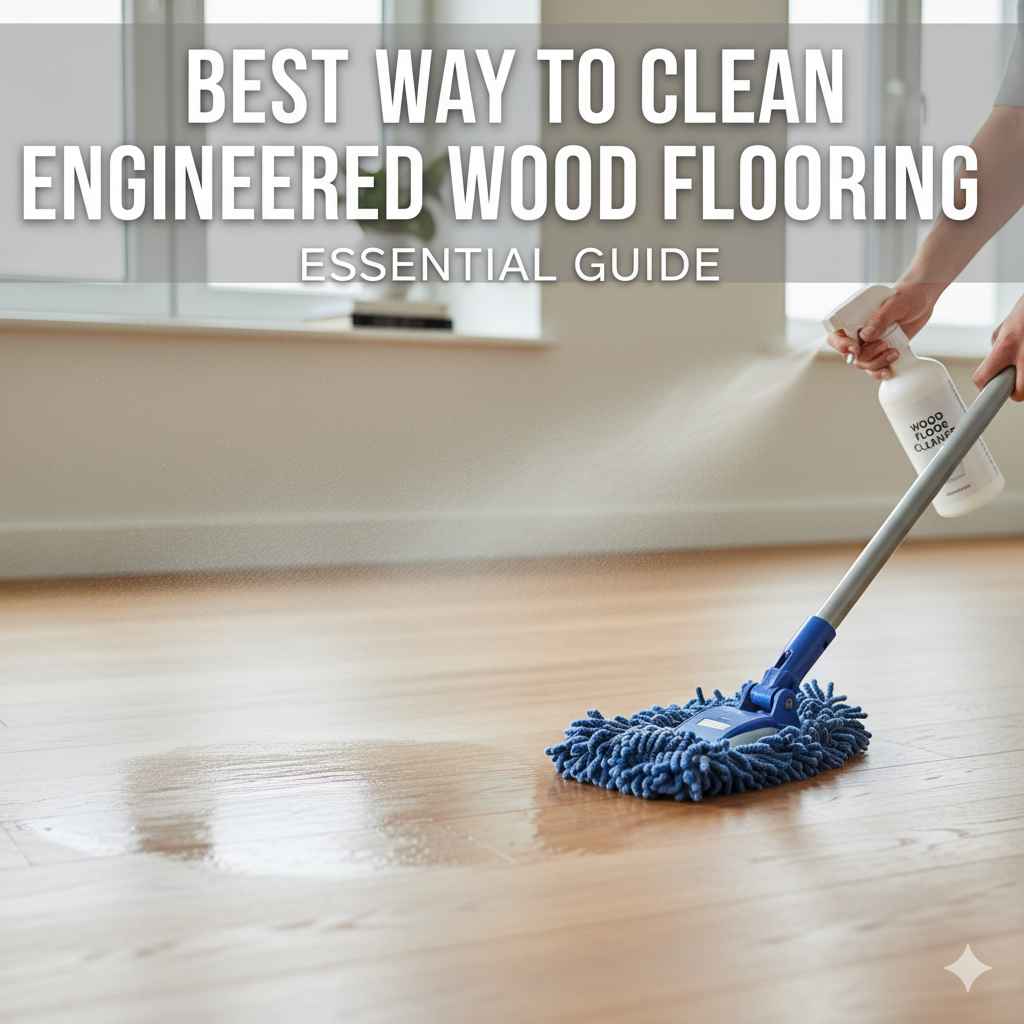
The best way to clean engineered wood flooring is with a daily sweep or vacuum followed by a damp (not wet!) mop using a pH-neutral cleaner specifically designed for wood floors. Always test cleaners in an inconspicuous spot first and avoid harsh chemicals or excessive moisture to protect the finish.
Hello there, fellow DIYers and smart homeowners! Seeing that beautiful engineered wood flooring in your home is fantastic, isn’t it? It brings so much warmth and style. But keeping it looking its absolute best? That can sometimes feel like a puzzle, especially when you want to do it right without risking any damage. Many of us worry about using the wrong cleaner or too much water, leading to dull spots or, even worse, swollen planks. Don’t you worry!
I’m here to guide you, step-by-step, on how to effectively clean your engineered wood floors, making them shine like new without any stress. We’ll cover everything from daily tidying to tackling tougher spots, ensuring your gorgeous floors stay beautiful for years to come.
Understanding Your Engineered Wood Flooring
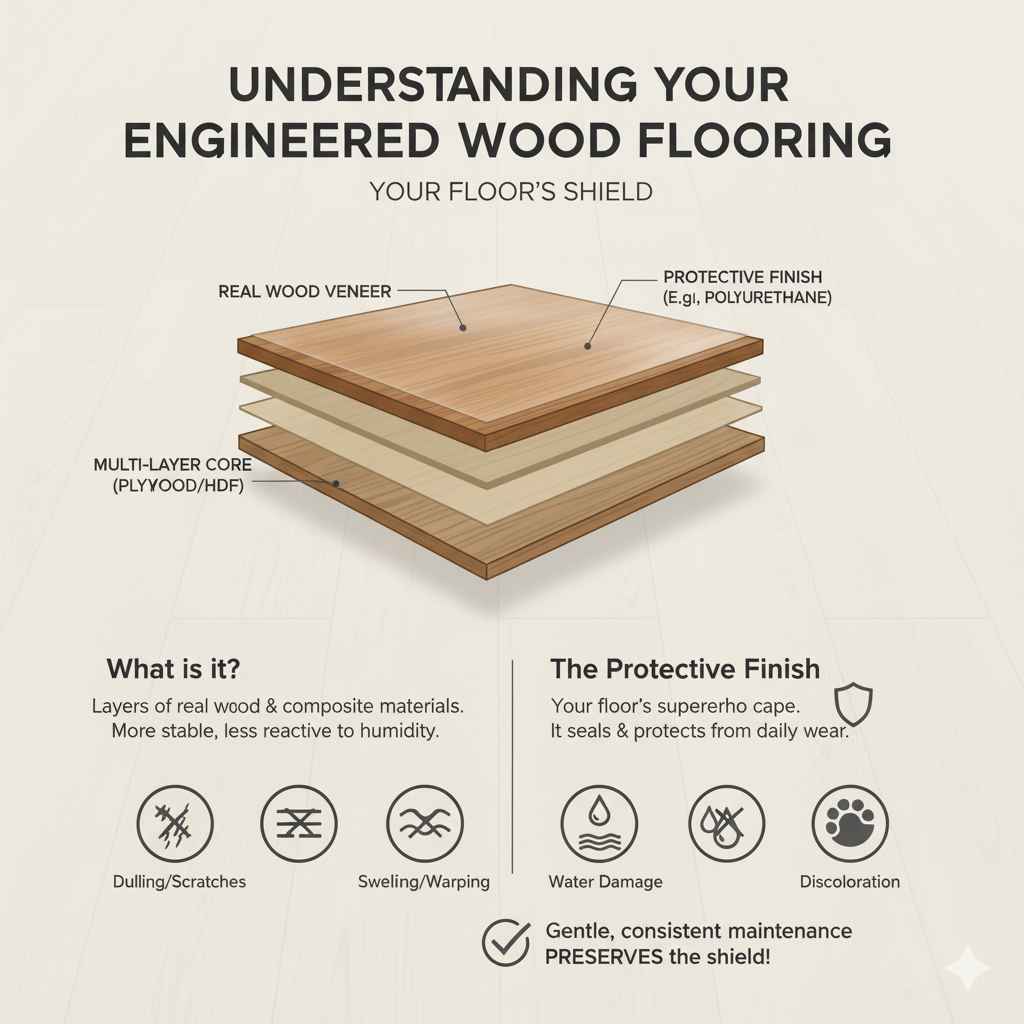
Before we grab our cleaning supplies, let’s take a moment to understand what engineered wood flooring actually is. It’s not solid wood, but rather a brilliant construction of multiple layers. Typically, it has a thin top layer of real hardwood (the veneer) bonded to a core of composite wood materials, like plywood or high-density fiberboard. This design gives it the look of real wood but makes it more stable and often more resistant to humidity changes than solid hardwood. However, this also means it has a protective finish that we need to be gentle with.
This finish is crucial for protecting the wood layer from daily wear and tear, spills, and scratches. Common types of finishes include polyurethane, which is very durable, and oil-based finishes, which offer a more natural look but require different care. Knowing your floor’s finish is the first step to cleaning it correctly. If you’re unsure, a quick check with your flooring manufacturer or installer is a great idea.
The Protective Finish: Your Floor’s Shield
Think of the finish as your engineered wood floor’s superhero cape. It’s the layer that takes all the hits from daily life – foot traffic, pet paws, dropped items. Most engineered wood floors come with a factory-applied protective coating, usually polyurethane-based, that seals the wood. This coating is designed to be tough, but it’s not invincible. Harsh chemicals, abrasive scrubbing, or excessive water can compromise this shield, leading to :
- Dulling of the sheen
- Scratches that penetrate the finish
- Swelling or warping of the wood layers
- Discoloration
That’s why using the right cleaning methods and products is key. We want to clean your floors effectively while preserving that protective finish for as long as possible. It’s all about gentle, consistent maintenance rather than aggressive cleaning.
Essential Tools for Cleaning Engineered Wood Floors
Gathering the right tools makes any cleaning job much easier and more effective. For engineered wood, we’re aiming for gentle yet efficient. Here’s what you’ll want to have on hand:
- Soft-bristle broom or dust mop: Perfect for daily sweeping and picking up dust, dirt, and pet hair without scratching the floor. Brands like O-Cedar or Swiffer offer good options for dust mops.
- Vacuum cleaner with a wood floor attachment: If you prefer vacuuming, ensure it has soft roller brushes and a suction-only setting or a specific setting for hard floors. Avoid vacuums with beater bars that can scratch or damage the finish. Dyson and Shark often have models with suitable attachments.
- Microfiber mop: This is your best friend for damp mopping. Microfiber pads are excellent at trapping dirt and don’t require excessive water. Bona and Swiffer WetJet have popular mopping systems that work well for wood floors.
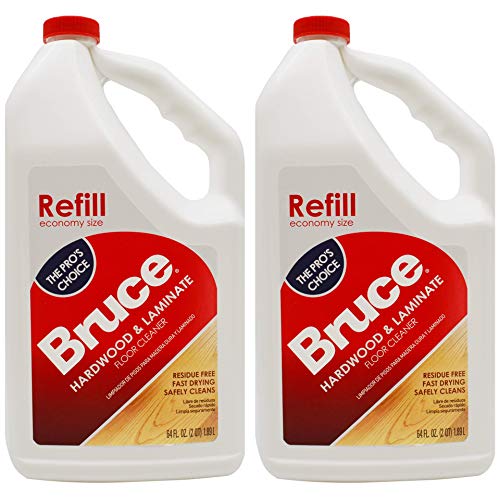
- pH-neutral wood floor cleaner: This is crucial! You need a cleaner specifically formulated for engineered wood or finished hardwood floors. Harsh chemicals like ammonia, bleach, or vinegar can damage the finish. Reputable brands include Bona, Bruce, and Pallmann.
- Two buckets: One for your cleaning solution and one for rinsing your mop. This prevents you from spreading dirty water back onto the floor.
- Clean, lint-free cloths: For drying any damp spots or buffing after mopping.
With these items, you’ll be well-equipped to keep your engineered wood floors looking pristine. Remember, the goal is gentle cleaning that respects the floor’s finish.
Step-by-Step Guide: The Best Way to Clean Engineered Wood Flooring
Now that we have our tools and understand our floors, let’s get down to the cleaning routine. This method focuses on effectiveness and protecting your investment.
Daily or As-Needed Cleaning: The First Line of Defense
Most of the “work” in keeping engineered wood floors clean is the daily upkeep. This prevents grit and grime from becoming ingrained and causing scratches.
Step 1: Sweep or Dust Mop
-
- Use your soft-bristle broom or dust mop.
- Work in the direction of the wood grain to capture as much loose debris as possible.
- Pay attention to corners and edges where dust tends to gather.
Step 2: Vacuum (If Preferred)
- If using a vacuum, ensure the correct attachment is selected (soft brush roll, hard floor setting, or suction only).
- Move the vacuum slowly and steadily over the floor, again following the grain of the wood.
- Avoid going back and forth repeatedly in one spot, as this can create dullness.
This daily task takes just a few minutes but makes a world of difference in preventing dullness and minor scratches. Think of it as a quick tidy-up to keep things fresh.
Weekly Cleaning: Deepening the Clean
Once a week, or as needed depending on foot traffic and spills, it’s time for a more thorough clean.
Step 1: Prepare Your Cleaning Solution
-
- Check the instructions on your chosen pH-neutral wood floor cleaner. Most require dilution with water.
- Fill one bucket with the recommended amount of cleaner and water.
- Fill the second bucket with clean water for rinsing the mop. (This is a crucial step many people skip!).
Step 2: Damp Mop Your Floors
-
- Dip your microfiber mop into the cleaning solution.
- Wring it out THOROUGHLY. The mop should be barely damp, not dripping wet. This is the most critical part for engineered wood. Excess water is the enemy!
- Start in a corner of the room and mop in long, even strokes, following the direction of the wood grain.
- Work your way out of the room so you don’t walk on wet areas.
Step 3: Rinse the Mop Regularly
-
- After mopping a small section (e.g., 3-4 sections of the floor), rinse your mop in the clean water bucket.
- Wring it out again, very well, before dipping it back into the cleaning solution. This keeps your cleaning water clean and effective.
Step 4: Dry or Allow to Air Dry
- Most engineered wood finishes dry relatively quickly, usually within 10-20 minutes.
- For a bit more shine or if you notice any lingering dampness, you can go over the floor with a clean, dry microfiber cloth or a dry microfiber mop head.
- Avoid walking on the floor until it’s completely dry to the touch.
Dealing with Spills and Stains
Accidents happen! The key with spills on engineered wood is to act fast.
- For liquid spills: Blot them up immediately with a clean, absorbent cloth or paper towel. Don’t wipe, as this can spread the liquid.
- For sticky messes: Gently wipe with a damp cloth (again, not wet!) and a tiny bit of your pH-neutral cleaner.
- For stubborn spots or scuffs: Try a slightly more concentrated bit of cleaner on a cloth, gently rub the spot, and then wipe with a clean, damp cloth and dry. For scuff marks, sometimes an art gum eraser can work wonders gently!
The absolute rule is: never let spills sit. The longer they’re on the floor, the higher the chance of them seeping between the planks or damaging the finish.
What to AVOID When Cleaning Engineered Wood Floors
Just as important as knowing what to do is knowing what NOT to do. These are the common mistakes that can damage your beautiful floors:
- Excessive Water: This is the number one enemy. Engineered wood layers can expand, warp, or delaminate if they get too wet. Never use a soaking wet mop or flood the floor.
- Steam Mops: While tempting for a quick, “deep” clean, steam mops can force moisture and heat into the seams of your flooring, damaging the glue and the wood layers. Most manufacturers advise against them. For more on why steam mops can be problematic, check out this article from Wood Floor Business, a reputable industry publication.
- Harsh Chemicals: Avoid ammonia-based cleaners, bleach, abrasive powders, oil soaps, or spray wax. These can strip the finish, leave a dull residue, or even permanently damage the wood.
- Abrasive Scrubbing Tools: Steel wool, stiff-bristled brushes, or abrasive sponges can scratch the finish. Stick to soft microfiber cloths and mops.
- Vinegar and Harsh Household Cleaners: While vinegar is often recommended for other surfaces, its acidity can break down the protective finish on engineered wood over time, dulling its appearance.
- Wax or Polish (Unless Recommended): Most modern engineered wood floors have a polyurethane finish that doesn’t need waxing or polishing. Applying these can create a slippery surface or a buildup that’s difficult to remove. Always check with your manufacturer.
By avoiding these common pitfalls, you’re doing a huge favor for the longevity and appearance of your engineered wood floors.
Choosing the Right Cleaner: A Deeper Dive
Selecting the correct cleaning solution is paramount. As we’ve discussed, pH-neutral is the magic phrase. But what does that mean in practice?
A pH scale measures how acidic or alkaline a substance is. Pure water is neutral (pH 7). Cleaners that are too acidic (low pH) or too alkaline (high pH) can strip away the protective coating on your engineered wood floors designed to shield them from damage. Over time, this leads to a dull, lifeless appearance and makes the wood more susceptible to scratches and stains.
Commercial wood floor cleaners are specifically formulated to be within the safe pH range for these finishes. They are designed to lift dirt and grime without damaging the protective top layer. Here’s a quick comparison of common cleaning agents and their suitability:
| Cleaning Agent | pH Level (Approximate) | Suitability for Engineered Wood | Reasons |
|---|---|---|---|
| pH-Neutral Wood Floor Cleaner (e.g., Bona, Bruce) | 6-7 | Excellent | Specifically formulated for wood floors, safe for finish. |
| Water | 7 | Good (when used damp) | Safe, but might not be enough to tackle grime effectively on its own. Always use damp, never wet. |
| Mild Dish Soap (diluted) | 7-9 | Use with Caution | Can be okay if very diluted and used sparingly, but may leave a residue. Not ideal for regular cleaning. |
| White Vinegar (diluted) | 2-3 | Not Recommended | Too acidic, can damage and dull the finish over time. |
| Ammonia | 11-12 | Not Recommended | Too alkaline, strips finish and can cause discoloration. |
| Bleach | 12-13 | Not Recommended | Harsh chemical, will damage finish and discolor wood. |
Always read the product label to confirm it’s safe for engineered hardwood and follow dilution instructions precisely if using a concentrate. If you’re ever in doubt, a small test patch in a hidden area like inside a closet is a wise move before cleaning your whole floor.
Maintaining the Beauty: Beyond Cleaning
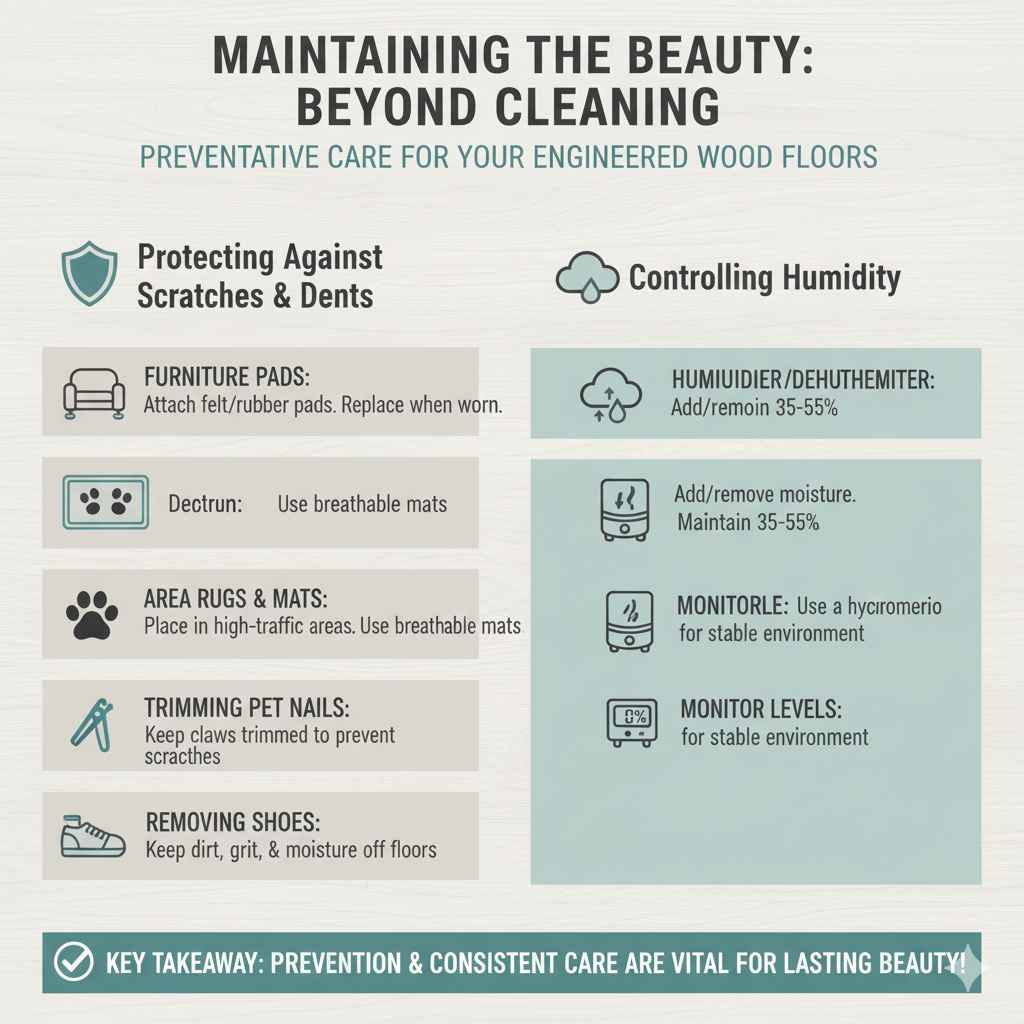
Preventative measures are just as vital as cleaning for keeping your engineered wood floors looking their best. Think of it as preemptive care for your beautiful investment.
Protecting Against Scratches and Dents
The hard finish on engineered wood can still be scratched or dented by sharp objects or heavy furniture. Simple precautions can save a lot of hassle:
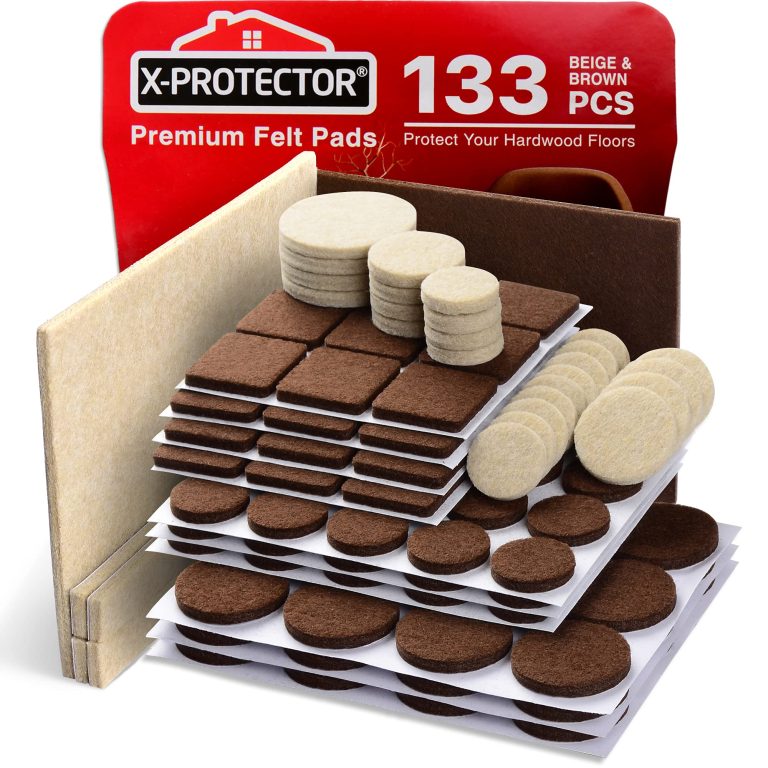
- Furniture Pads: Attach felt or rubber pads to the legs of all furniture (chairs, tables, sofas). Check these pads regularly and replace them when they become worn or embedded with grit. This is one of the most effective ways to prevent scratches.
- Area Rugs and Mats: Place rugs in high-traffic areas like hallways, entryways, and in front of sinks or appliances. Use breathable mats that won’t trap moisture underneath. In entryways, a good quality “walk-off” mat can trap a significant amount of dirt and grit before it even reaches your wood floors. Check out recommendations from organizations like the U.S. Environmental Protection Agency (EPA) on indoor air quality, which includes tips on managing dust and debris tracked indoors.
- Trimming Pet Nails: Keep your dog’s or cat’s nails trimmed regularly. Sharp claws can easily scratch the floor, especially if combined with their weight when they run or play.
- Removing Shoes: Encourage family members and guests to remove their shoes at the door. Shoes can track in dirt, gravel, and moisture that can scratch and damage the finish.
Controlling Humidity
While engineered wood floors are more stable than solid hardwood, extreme fluctuations in humidity can still affect them. Ideally, the humidity level in your home should be kept between 35% and 55% year-round.
- Use a Humidifier/Dehumidifier: In overly dry environments (often during winter heating), a humidifier can add moisture. In very humid conditions (like humid summers), a dehumidifier can help remove excess moisture.
- Monitor Levels: Consider using a hygrometer (a device that measures humidity) to keep track of the moisture levels.
Maintaining a stable environment helps prevent the wood from expanding or contracting excessively, which can lead to gapping or cupping.
Frequently Asked Questions (FAQ)
Here are some common questions I get asked about cleaning engineered wood floors.
Q1: Can I use a Swiffer WetJet on my engineered wood floors?
A1: Many Swiffer WetJet solutions are designed for sealed hard floors, and some might be suitable. However, always check the solution’s ingredients to ensure it’s pH-neutral and specifically states it’s safe for finished hardwood or engineered wood. Some solutions can leave a residue. The key is that the mop pad is only slightly damp and the floor dries quickly.
Q2: How often should I deep clean my engineered wood floors?
A2: This depends heavily on your household. For homes with pets, children, or high traffic, a gentle damp mop once a week is usually appropriate. For lower-traffic areas and if you maintain good daily sweeping habits, you might only need to damp mop every two to three weeks.
Q3: My floor looks dull. What can I do?
A3: Dullness is often caused by a buildup of cleaning solution residue or dirt that hasn’t been fully removed. Try a damp mop with just water to remove any potential residue. If that doesn’t help, you may need a specific wood floor cleaner designed to remove buildup. Avoid wax-based polishes, as they often cause dullness on modern finishes.
Q4: Can I use a cordless vacuum like a Dyson?
A4: Yes, you can! Just ensure you’re using the correct attachment. Most modern cordless vacuums have a ‘hard floor’ or ‘soft roller’ head that is perfect for engineered wood. Avoid using the brush roll designed for carpets, as its bristles can be too stiff and scratch the finish.