How to Remove Motor Oil From Wood Floors (Save the Finish)
Motor oil lifts off a wood floor with dish soap and warm water if you catch it fresh — a dried or set-in spot usually needs mineral spirits instead. Vinegar, despite what most cleaning guides say, should stay in the kitchen: its acid slowly breaks down polyurethane finish with repeated use. This guide covers fresh-spill cleanup, the mineral-spirits method for old stains, and how your floor’s finish changes what’s actually safe to use.
Quick Answer
Blot fresh oil with paper towels, then clean with a few drops of dish soap in warm water, working with the grain. For dried or set-in stains, dampen a cloth with mineral spirits instead. Skip vinegar and bleach — both can damage a polyurethane finish over time — and if oil has soaked into bare or unfinished wood, expect to sand and refinish that spot.
Why Motor Oil Is Different From an Ordinary Spill
Best for Set-In Oil Stains
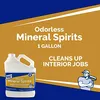
Klean-Strip Odorless Mineral Spirits, 1-Gallon
A low-odor solvent strong enough to lift dried motor oil without the harsh fumes of standard mineral spirits.
- Best for: dried or set-in oil stains on sealed polyurethane floors
- Why we picked it: odorless formula makes indoor spot-cleaning far more tolerable than standard mineral spirits
- Main drawback: still a solvent — always spot-test and ventilate the room
Compare more oil-stain and floor-care options
 Option 1 Bona Hardwood Floor Cleaner Spray
|
 Option 2 3M Sandpaper, 220 Grit, 5 Sheets
|
 Option 3 Rejuvenate Wood Floor Restorer, 32 oz
|
As an Amazon Associate we earn from qualifying purchases.
Motor oil is a petroleum-based lubricant that penetrates wood floors faster than water-based spills because it doesn’t bead on a finish the way water does — it creeps into seams between boards and, on unfinished or wax-finished wood, straight into the grain. Unlike water stains, oil rarely lifts with water alone; you’re removing a film, not diluting a liquid. For a broader look at floor care beyond stains, see our wood flooring guide.
Time matters more than technique. On a sealed polyurethane floor, oil sitting for a few hours is usually still surface-level and comes up with dish soap. On bare or oil-finished wood, a spill left overnight can penetrate deep enough that no amount of scrubbing removes it — sanding becomes the only fix.
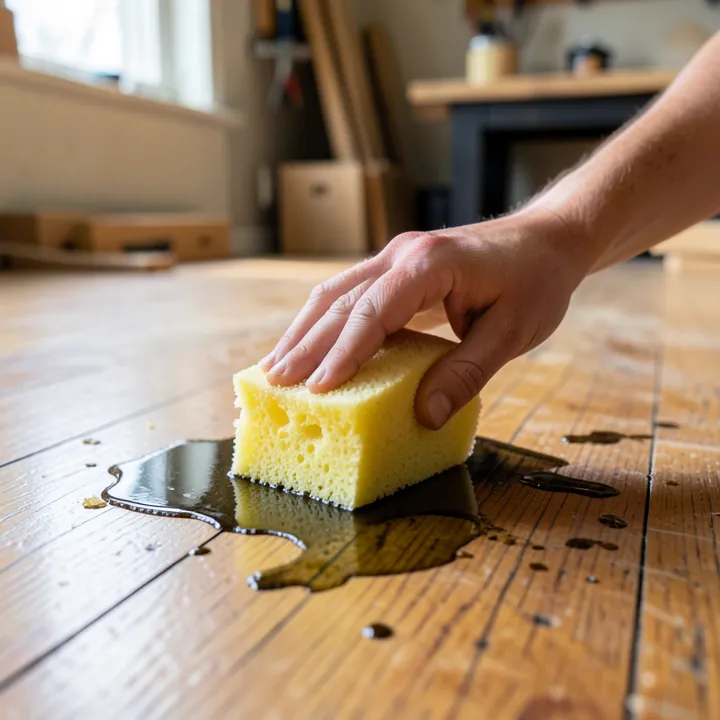
Know Your Floor’s Finish Before You Clean
Most cleaning advice treats every wood floor the same, but the right method depends on what’s actually protecting the wood. Getting this wrong is how a cleaning attempt turns into a bigger repair.
- Polyurethane (most common in newer homes): a hard plastic-like topcoat. Dish soap and water are safe. Mineral spirits are fine for spot use but shouldn’t sit for long. Avoid vinegar and ammonia-based cleaners long-term — their acidity breaks down the polyurethane bond, causing dullness and eventual peeling at the seams.
- Wax finish (common on older or antique floors): softer and more vulnerable. Water-based cleaners can dull the wax, and mineral spirits will strip it. Blot only, then use a wax-safe cleaner — see our guide to cleaning waxed wood floors — and expect to re-wax the spot afterward.
- Penetrating oil finish (Danish oil, tung oil, hardwax oil): the finish itself is oil, so motor oil blends into it visually but doesn’t always stain — dab the spot with mineral spirits on a cloth, never scrub, and re-oil once dry.
- Unfinished or bare wood: the highest risk. Oil penetrates within minutes to hours. Absorb aggressively (see below) and don’t expect a full recovery without sanding.
Not sure which finish you have? Run a finger across the floor near the baseboard. A smooth, slightly plastic-feeling surface is polyurethane. A soft, slightly tacky feel that shows a fingerprint is wax. A matte surface with visible open wood grain is usually a penetrating oil finish.
What You’ll Need
Gather these before you start — having everything on hand keeps you from leaving the spill unattended mid-cleanup.
Cleaning Supplies
- Paper towels or clean cloths — for blotting, not rubbing.
- Cornstarch or baking soda — absorbs oil before it spreads.
- Dish soap — the safest cleaner for a finished floor.
- Mineral spirits — for dried or set-in stains, not fresh ones.
- Soft-bristled brush or sponge — never steel wool on a finish.
Safety Gear
- Nitrile gloves — mineral spirits and degreasers irritate skin.
- Ventilation — open windows when using mineral spirits; the fumes build up fast in a closed room.
How to Clean a Fresh Motor Oil Spill
For a spill that just happened, work through these steps in order — speed matters more than any specific product here.
- Contain it: ring the spill with old towels so it can’t spread while you work.
- Blot, don’t wipe: press clean cloths straight down onto the oil and lift them away. Wiping smears oil into a wider area instead of lifting it.
- Absorb what’s left: sprinkle cornstarch or baking soda over the spot and let it sit 15–20 minutes — it pulls residual oil out of the finish before you add any liquid.
- Sweep or vacuum the powder away, then check whether a shadow or film remains.
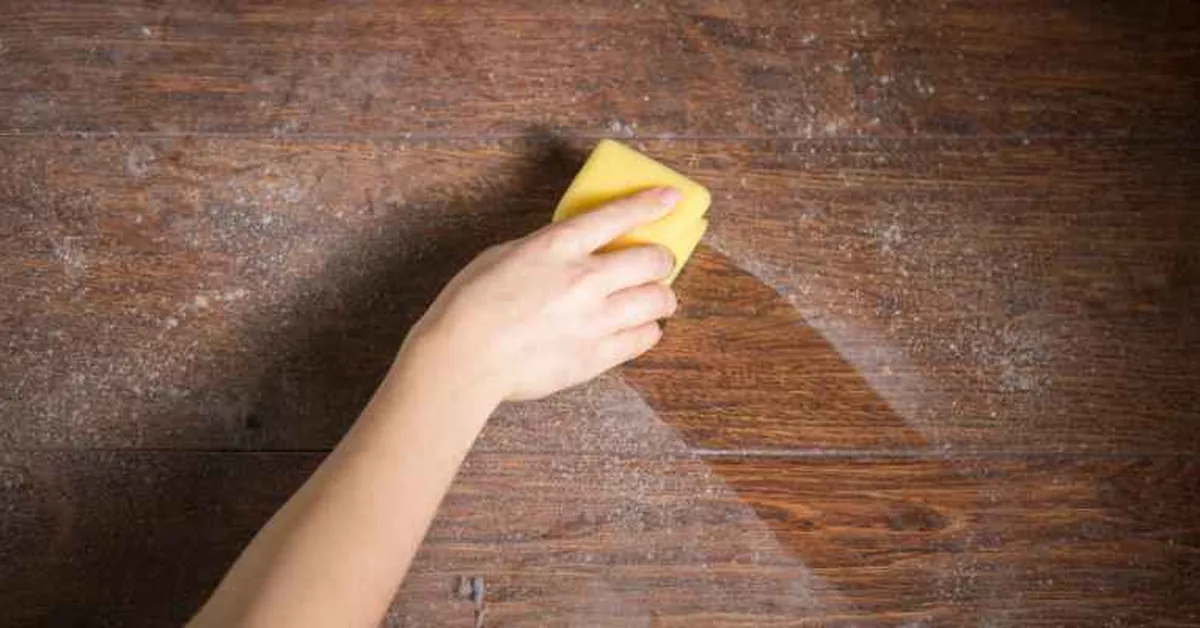
- Wash with dish soap: mix a few drops of dish soap into warm water, dampen a soft cloth, and work in the direction of the wood grain.
- Rinse and dry: wipe with a cloth dampened in plain water, then dry the area completely — standing moisture is its own risk to a wood floor.
Removing Dried or Set-In Oil Stains
Dish soap struggles once oil has dried into a film or soaked past the surface. At that point, mineral spirits — a solvent, not a detergent — does the job dish soap can’t.
- Test a hidden spot first: apply mineral spirits to a corner or closet-edge board and wait 10 minutes to confirm it doesn’t cloud the finish.
- Apply sparingly: dampen a clean cloth — never pour directly on the floor — and rub the stain gently, following the grain.
- Wipe with a dry cloth to lift the loosened oil before it can spread.
- Rinse the spot with a barely damp cloth and dry it fully.
- Repeat once if needed, but stop and move to sanding (below) if two passes don’t lift it — more solvent won’t fix a stain that’s already penetrated the wood.
Method Comparison by Stain Age and Finish
| Stain Condition | Method | Best For |
|---|---|---|
| Fresh, still wet | Blot + cornstarch + dish soap | Any finish type |
| Dried, surface-level | Mineral spirits, spot-applied | Polyurethane finish |
| Dried, on wax or oil finish | Blot only, re-wax or re-oil after | Wax / penetrating oil finish |
| Soaked into bare wood | Fine-grit sanding + matching stain | Unfinished wood |
📊 Motor oil that soaks past a floor’s finish can become a permanent stain within a matter of hours on unfinished or wax-finished wood, because oil doesn’t bead and evaporate the way water-based spills do — it keeps migrating into the grain until it’s blotted or absorbed out. Source: Today’s Homeowner, hardwood floor oil-stain guide (2026).
When to Sand and Refinish Instead of Clean
If a stain survives two rounds of mineral spirits, or it’s on bare/unfinished wood that’s had oil sitting on it overnight, cleaning products have done what they can. At that point:
- Sand the spot with fine-grit (220-grit or finer) sandpaper, working with the grain, just enough to remove the stained top layer of wood.
- Vacuum the dust and wipe the area with a barely damp cloth.
- Apply a matching wood stain to the sanded spot, feathering the edges so it blends with the surrounding boards.
- Reseal with the same type of finish the rest of the floor has — mixing finish types on one board is the most common reason a “fixed” spot still stands out.
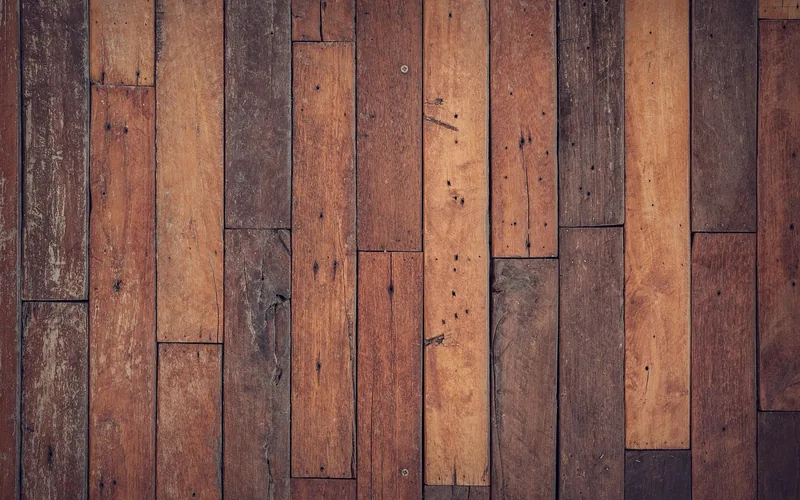
In our own shop, unfinished pine or bare subfloor has always been the fastest to stain — a spill that would blot cleanly off a sealed floor can leave a shadow in unsealed wood in under an hour. Treat any spill on bare or raw wood as urgent, not a five-minute cleanup you can get to later.
Protecting the Finish While You Clean
Harsh chemicals and rough scrubbing solve one problem by creating another. Stick to gentle cleaners, and check labels for anything with bleach or ammonia — both strip a finish faster than the oil stain itself would have. Test any new cleaner on a hidden spot, like inside a closet, before using it on visible flooring.
Once the stain is gone, keep the rest of the floor looking consistent by polishing every few months rather than only when something spills — regular light maintenance is what actually prevents a fresh stain from standing out against the surrounding sheen.
Preventing the Next Spill From Becoming a Stain
- Keep absorbent material on hand in any room where oil-based products get used — cornstarch or baking soda under the sink is enough.
- Use mats or trays under anything that could leak — a small parts tray under a car battery or a garage tool box, for instance.
- Sweep and dust-mop weekly so grit doesn’t scratch the finish and create low spots where future spills can pool and soak in faster — if the floor has gone longer than that, start with our deep-cleaning guide for very dirty wood floors rather than layering oil-spot cleaner onto built-up grime.
- Act within minutes, not hours — the single biggest factor in whether a spill becomes a permanent mark is how fast it gets blotted.
Frequently Asked Questions
How can I remove motor oil stains from wood?
Blot fresh oil with paper towels, then sprinkle cornstarch or baking soda over the spot and let it sit 15–20 minutes to absorb residue. Clean with dish soap and warm water, working with the grain. If the stain is already dried in, switch to mineral spirits on a cloth instead of scrubbing harder with soap.
Is it safe to use vinegar on wood floors for oil stains?
Not as a routine choice. Vinegar’s acidity can slowly break down a polyurethane finish with repeated use, leading to dullness, cupping, or peeling at the board seams over time. If you use it at all, dilute it heavily, apply sparingly, and never let it sit on the floor — dish soap and water is the safer default for oil stains.
Will a motor oil stain on wood be permanent?
It can be, especially on unfinished or wax-finished wood where oil penetrates within hours. A sealed polyurethane floor buys you more time since the finish resists penetration, but any oil left sitting for a day or more has a real chance of leaving a permanent mark that only sanding and refinishing can fix.
What household items can help with oil removal?
Cornstarch and baking soda absorb oil directly when sprinkled on the spot. Dish soap breaks down the oily film for fresh spills. Mineral spirits handle dried or set-in stains that soap can’t touch. Avoid bleach and go easy on vinegar — both can damage the floor’s finish faster than the stain itself.
How long should I let mineral spirits or cleaner sit on the stain?
Work mineral spirits in short passes rather than letting it sit — apply, rub gently, and wipe away within a minute or two. For a cornstarch or baking soda absorbent, 15 to 20 minutes is enough; letting any product dry completely on the floor makes it harder to wipe away cleanly.
Can I use bleach on a wood floor to remove an oil stain?
No. Bleach on wood floors is not recommended for oil stains — it can discolor the wood and strip the finish without actually lifting the oil, since bleach isn’t formulated to break down petroleum-based products. Stick to dish soap or mineral spirits instead.
Conclusion
Motor oil is one of the more forgiving stains to catch early and one of the least forgiving to ignore. Blot immediately, match your cleaner to your floor’s actual finish, and reach for mineral spirits rather than vinegar once a stain has dried. When a spot has soaked past the finish, a small sand-and-refinish job beats fighting it with more cleaner.
Sponsored / affiliate links. As an Amazon Associate I earn from qualifying purchases. I may earn additional commission from eligible campaigns.