Carpet and Wood Flooring Combinations for the Living Room
Carpet and wood flooring pair well in the same living room when the carpet’s undertone contrasts the wood’s finish — dark floors need a lighter carpet, light floors a darker one, except in small rooms where staying light keeps the space open. Get the contrast wrong and a mismatched rug reads as an afterthought, not a design choice. This guide covers the 6-inch rug-size rule and which transition strip — T-molding, reducer, or Z-bar — fits your floor’s height difference.
Quick Answer
For most living rooms, pair a light or mid-tone wood floor with a plush wool or nylon area rug in a contrasting shade, sized to extend 6 to 8 inches beyond the sofa’s edges. Use a T-molding where carpet and wood sit at the same height, or a reducer strip when the wood floor sits higher.
Choosing The Right Carpet
Best Carpet-To-Wood Transition Pick
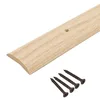
Northeast Red Oak Carpet Bar, 36″ Wood Transition Strip
A solid red oak transition bar that bridges a carpet-to-wood seam without looking like an add-on.
- Best for: Solid or engineered oak floors where color and grain continuity matter
- Why we picked it: Real wood stains to match your existing floor far better than a plastic or vinyl strip
- Main drawback: Costs more than a vinyl strip and needs cutting/finishing to match your exact floor color
Compare more transition strip options
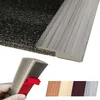 Option 1 Maxiroc Self-Adhesive Transition Strip
|
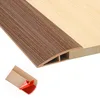 Option 2 Ramped Doorway Threshold Strip
|
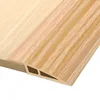 Option 3 Wide Vinyl Carpet Edging Strip
|
As an Amazon Associate we earn from qualifying purchases.
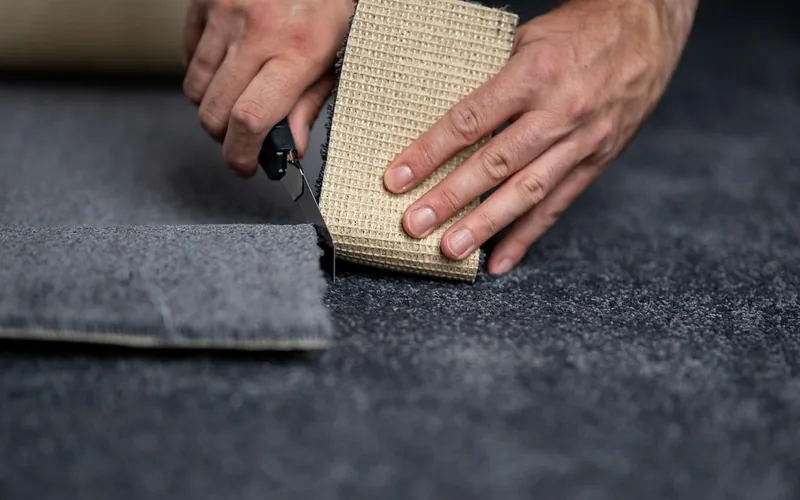
Carpet materials include wool, nylon, polyester, and olefin. Wool feels soft and natural. Nylon is durable and stain-resistant, which is why it holds up best in busy living rooms. Polyester offers vibrant colors and softness. Olefin is affordable and moisture-resistant. Consider each material’s benefits before making a choice.
Neutral colors like beige and gray match any decor. Bold colors make a statement. Patterns can add texture and interest. Stripes make a room look longer. Geometric patterns give a modern feel. Choose colors and patterns that fit your style.
Types Of Wood Flooring
Oak is a popular choice for hardwood floors. It is strong and durable. Maple offers a smooth, clean look. Hickory is another option, known for its hardness. Cherry wood brings a rich, warm color to any room. Walnut is dark and elegant. If you want a wide-plank look specifically, Carlisle-style wide plank flooring reads as more traditional and pairs well with thicker, textured carpets.
Engineered wood is made of layers. The top layer is real wood, cut from the same species as solid flooring. The bottom layers are plywood. This makes it stable and durable. It can be installed in many areas. It resists moisture better than solid wood. Oak, maple, hickory, and walnut are the most popular species used for engineered wood — the same species buyers pick for solid flooring, just milled thinner over a plywood core.
Not sure which category fits your project? Our full wood flooring guide breaks down every type side by side before you commit to one.
Matching Styles And Themes
Modern aesthetics often use minimalist designs. Choose carpets with neutral colors like gray or beige. Pair these with light wood flooring for a sleek look. Bold patterns can add a touch of character. Keep furniture simple and functional. This creates a clean, organized space. Use metal or glass accents to complement the modern feel. Add texture with soft cushions and throws. These elements tie the room together.
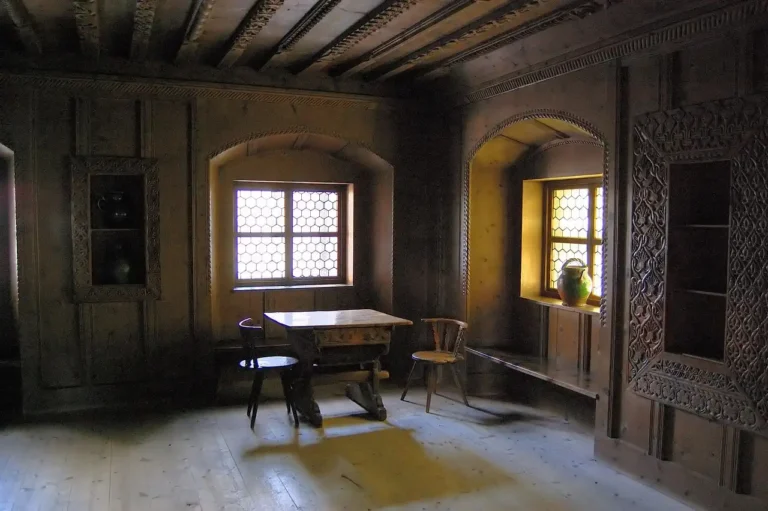
Traditional looks often favor rich, warm tones — the same tones that show up in rustic farmhouse wood flooring. Opt for carpets in deep reds or browns. Dark wood flooring pairs well with these colors. Elegant patterns like florals add a classic touch. Choose furniture with detailed carvings. This enhances the traditional vibe. Use heavy drapes and ornate lighting fixtures. These add to the room’s coziness. Accessories like vintage clocks or paintings complete the look.
Balancing Textures
Carpets feel soft and warm. They are perfect for comfort. Wood floors are hard and smooth. They add a touch of elegance. Combining them creates a balanced look. The softness of the carpet contrasts the hardness of the wood. This mix feels inviting and stylish. Use carpets in areas where you sit or play. Place wood floors where you walk a lot. This way, you get the best of both worlds.
Choose colors that match each other. Dark wood pairs well with light carpets. Light wood looks good with dark carpets. This creates a nice visual balance. Patterns matter too. Simple carpet patterns go well with rich wood grains. Busy carpet designs need plain wood floors. This keeps the room from looking too busy. Always think about how the textures work together. The right combination makes your living room look amazing.
How Big Should Your Area Rug Be? (The 6-Inch Rule)
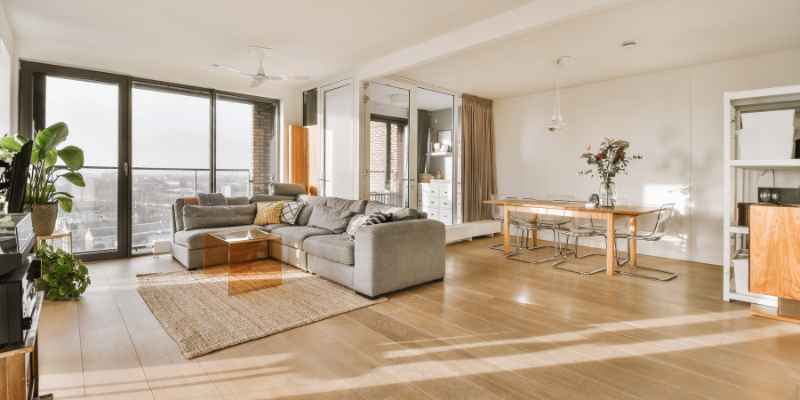
Your area rug should extend 6 to 8 inches beyond the sides of your sofa or seating group, with at least the front legs of every piece resting on it. A rug that stops short of the furniture makes a wood floor look chopped up instead of open. This is the single most common sizing mistake in rooms that mix carpet and wood.
For a small living room (roughly 150 sq ft), a 6×9 rug usually works. An average-sized living room (around 200 sq ft) typically needs an 8×10 or 9×12 rug to cover the seating area properly. Always add a rug pad underneath — it stops the rug from sliding on the wood floor and protects the finish from grit trapped in the rug’s backing.
Color Coordination Tips
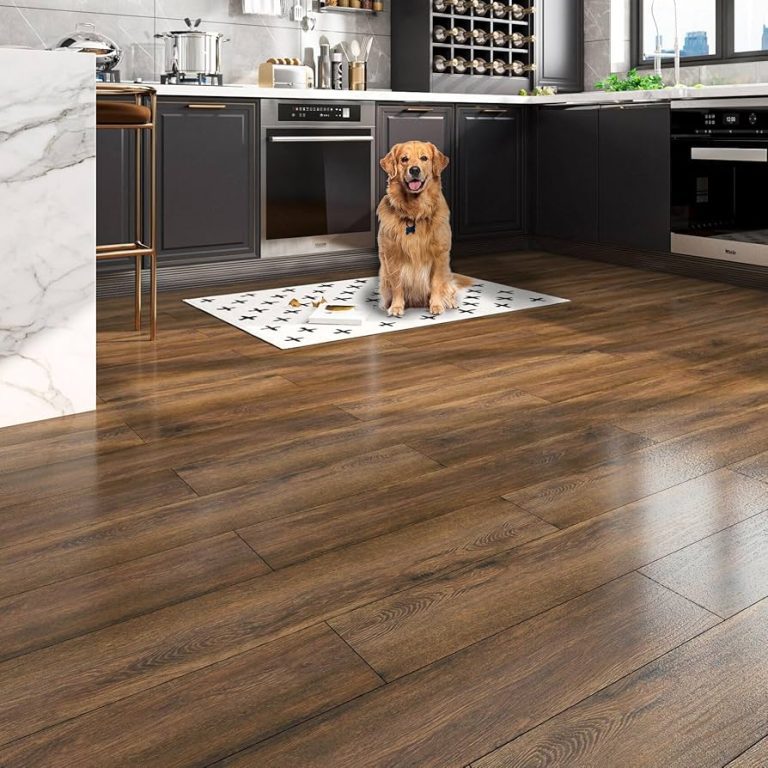
Pick bold and vibrant colors for a modern look. Try a dark wood floor with a light carpet. This makes the room feel open. Another idea is a light wood floor with a dark carpet. This adds depth. Contrasting colors can make your living room pop — a soft blue or navy carpet, for example, reads as bold rather than cold against a honey or golden-oak floor.
Use similar shades for a calm feel. Pair beige wood flooring with a cream carpet. This creates a peaceful space. Another option is a grey wood floor with a soft blue carpet. Harmonious tones make the room feel cozy and balanced.
Room Size Considerations
Choosing the right carpet and wood flooring combination enhances the living room’s ambiance. Ensure the room size balances textures and colors for a cohesive look.
Small Spaces
Small living rooms need careful planning. Light-colored carpets make the space look bigger. A wooden floor with wide planks can also help. Avoid dark colors as they make the room feel small. Use rugs to create cozy areas — sized with the 6-inch rule above, not the whole floor.
Large Areas
Large living rooms offer more freedom. Dark wood floors add warmth and richness. Use bold carpet patterns to define zones. Mixing textures can make the space interesting. You can also use large area rugs to break up the floor space.
Which Transition Strip Do You Need?
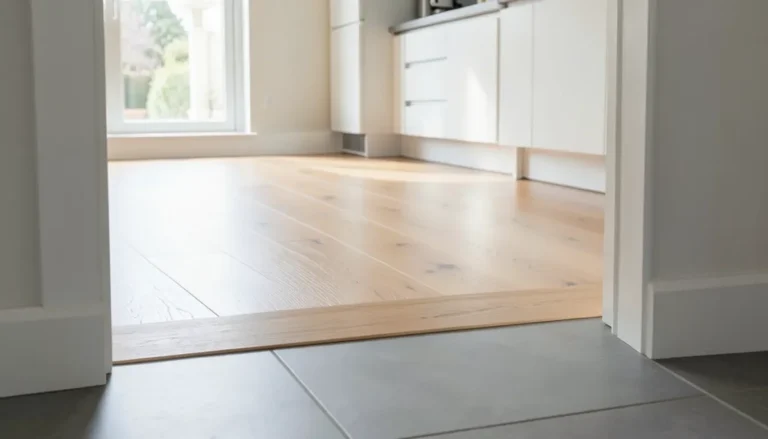
A transition strip is a molding piece that bridges the seam where carpet meets wood flooring. It covers the raw edge of the carpet, prevents fraying, and accounts for any height difference between the two floors. The right type depends entirely on how much of a height gap you’re bridging.
| Transition Type | Height Difference | Best For |
|---|---|---|
| T-molding | None — both floors level | Carpet and wood installed at the same height |
| Reducer strip | Small — wood sits higher | Wood floor slightly taller than the carpet |
| Z-bar / carpet bar | Small to moderate | Tucking and securing a loose or fraying carpet edge |
| Threshold / end cap | Larger gaps | Doorways with a bigger height difference between rooms |
“In our own installs, the transition headache is almost never the carpet color — it’s the quarter-inch height mismatch between a solid wood floor and standard carpet pad. A reducer strip solves that in minutes; shimming the subfloor almost never does.”
Common Mistakes When Combining Carpet and Wood Flooring
- Matching the wood tone too closely to the carpet. When both are the same warmth and depth, the floor and rug blur together instead of contrasting — pick a carpet at least one or two shades apart from the wood.
- Skipping the rug pad. A rug without a pad slides on a wood floor and traps grit against the finish, which shows up as fine scratches within a year.
- Undersizing the rug. A rug that doesn’t reach the front legs of the seating group makes the furniture look like it’s floating, not grounded.
- Using the wrong transition strip for the height difference. A flat T-molding forced onto a floor with a real height gap creates a trip hazard and wears out fast.
- Ignoring sheen. A high-gloss wood floor next to a flat, low-pile carpet can look mismatched even when the colors are right — matte or satin floor finishes blend more easily with most carpet textures.
Installation And Maintenance
DIY installation can save money. You need basic tools and some skills. Mistakes can be costly, though. Professional installation is faster and often better. Experts ensure a perfect fit. They also deal with any issues quickly. Professional work often comes with a warranty. This can be helpful in the long run. If you’re combining flooring types over an existing surface, see our guide on whether installing wood flooring over tile is an option before you tear anything out.
Regular vacuuming keeps carpets clean — a good vacuum built for both carpet and wood floors saves you from switching tools mid-room. Use a vacuum with a HEPA filter. Spot clean spills right away to prevent stains. Wood floors need sweeping or vacuuming without a beater bar. Use a damp mop for deeper cleaning. Use pads under furniture to prevent scratches. Refinish wood floors on a schedule that matches how hard the room gets used, not a fixed date.
📊 Hardwood floors typically need a full sand-and-refinish every 7 to 10 years under light wear, but every 3 to 5 years in a high-traffic living room — Source: National Wood Flooring Association, 2026.
Budget-friendly Options
Choosing a budget-friendly carpet can save money. Many options are both stylish and durable. Look for synthetic fibers like polyester or nylon. These materials are often cheaper but still look great. Carpet tiles are another good choice. They are easy to install and replace. Discount stores and online sales can offer good deals. Always compare prices before buying.
There are many cost-effective wood flooring options available. Laminate flooring is a popular choice. It looks like real wood but costs less. Engineered wood is another affordable option. It is made from layers of wood and is more stable. Bamboo flooring is also budget-friendly and eco-friendly. Always check for sales and discounts. Local stores might have clearance items. This can help you save even more.
Frequently Asked Questions
Can You Mix Carpet And Wood Flooring?
Yes, you can mix carpet and wood flooring. It creates visual contrast and can define different areas in open spaces.
What Color Carpet Goes Well With Wood Floors?
Neutral colors like beige, gray, or cream complement wood floors. Bold choices include navy, emerald green, or burgundy.
Should Wood Floor Match Carpet?
Wood floors do not need to match carpet. Complementary colors and styles create a harmonious look. Focus on balance.
How To Transition Between Carpet And Hardwood?
Use a transition strip to bridge the gap between carpet and hardwood. Choose a T-molding when both floors are the same height, a reducer strip when the wood sits higher, or a Z-bar to tuck and secure the carpet edge. Select a strip that matches your flooring height and style for a seamless look.
Do You Need A Transition Strip Between Carpet And Wood Flooring?
Yes, in almost every case. A bare seam wears unevenly and can fray the carpet edge over time. The right strip type depends on the height difference between the two floors.
How Big Should An Area Rug Be Over A Wood Floor?
Size the rug so it extends 6 to 8 inches beyond the sides of your sofa or seating group, with the front legs resting on it. Most living rooms need a 6×9 rug in a small room or an 8×10 to 9×12 rug in an average-sized room.
Conclusion
Pairing carpet and wood flooring in a living room comes down to three decisions: contrasting undertones, a rug sized with the 6-inch rule, and the right transition strip for your floor’s height difference. Get those three right and the mix reads as designed, not accidental.
Sponsored / affiliate links. As an Amazon Associate I earn from qualifying purchases. I may earn additional commission from eligible campaigns.