Best Way to Clean Oak Cabinets: Effortless Shine
To get your oak cabinets shining effortlessly, the best approach is a gentle cleaning method using a mild soap and water solution, followed by a thorough rinse and dry. Avoid harsh chemicals and abrasive scrubbers to protect the wood’s natural beauty and finish.
Oak cabinets are a beautiful addition to any home, bringing warmth and a classic look. But over time, they can gather grease, grime, and dust, making them appear dull. Many homeowners worry about damaging the finish when it comes to cleaning them. If you’re wondering the best way to clean oak cabinets without causing harm, you’re in the right place! This guide will walk you through simple, safe, and effective steps to restore their natural shine.
We’ll cover everything from the gentlest cleaning solutions to the best tools to use, ensuring your oak cabinets look their best for years to come. Get ready to transform your kitchen or bathroom with my easy-to-follow advice, drawing on years of experience working with wood.
Why Proper Cleaning Matters for Oak Cabinets
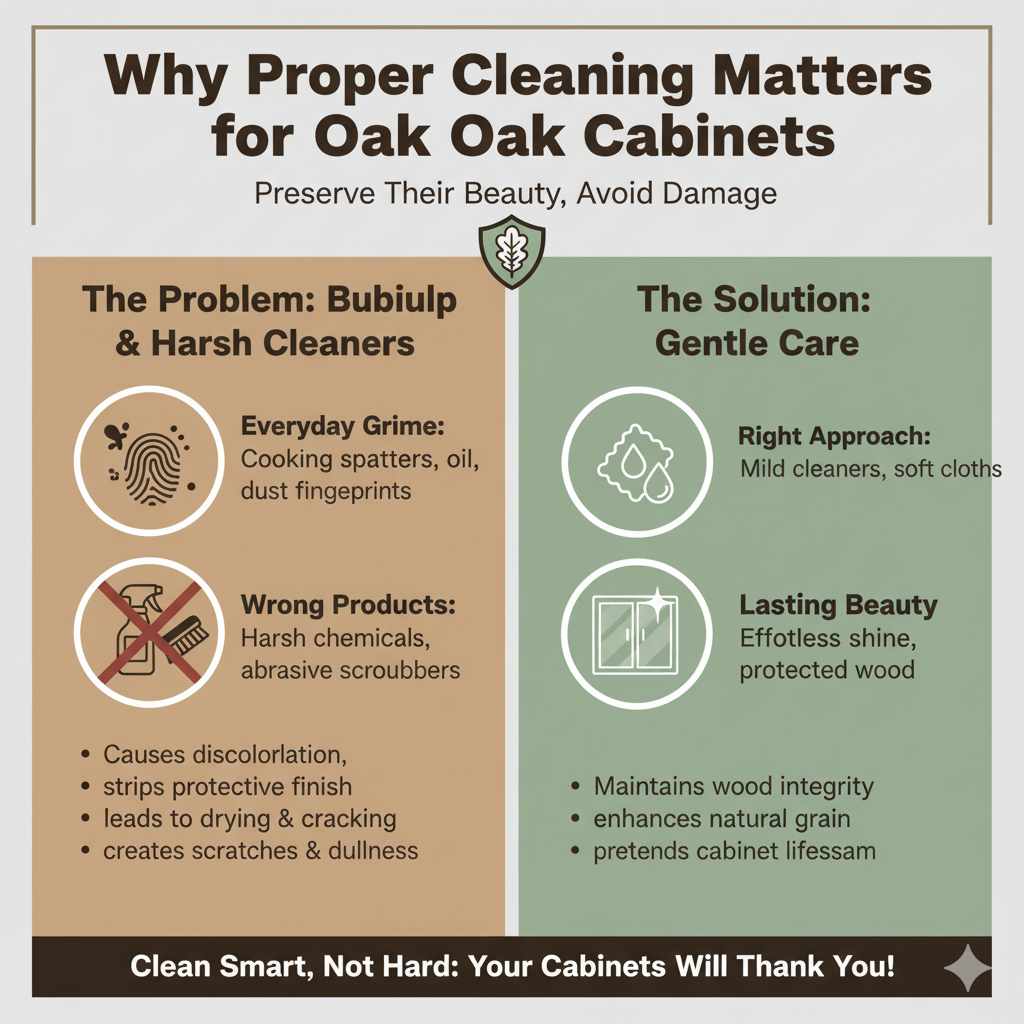
Oak is a hardwood known for its strength and beautiful grain. However, like any natural material, it needs proper care. Over time, kitchen cabinets, in particular, are exposed to a variety of substances. Think cooking splatters, oily residues from stovetops, fingerprints, and everyday dust. If left unaddressed, these can build up and become stubborn to remove.
Using the wrong cleaning products can be a real problem. Harsh chemicals found in some all-purpose cleaners can strip away the cabinet’s protective finish, leading to discoloration, drying, and even damage to the wood itself. Abrasive sponges or scrub brushes can scratch the surface, dulling the shine and leaving unsightly marks. The goal is to clean effectively while preserving the integrity and beauty of the oak.
The “best way to clean oak cabinets” isn’t about using the strongest cleaner; it’s about using the right gentle approach. This ensures you achieve a brilliant shine without any unintended consequences. I’ve seen too many pieces of beautiful wood ruined by overzealous cleaning, so let’s make sure that doesn’t happen to your cabinets!
Understanding Your Oak Cabinet’s Finish
Before you grab any cleaning supplies, it’s essential to have a general idea of your oak cabinets’ finish. Most oak cabinets you’ll find in homes are coated with a protective sealant. This finish is what gives them their sheen and shields the wood from moisture and stains. Common finishes include:
- Polyurethane: This is a durable, plastic-like coating that provides excellent protection. It’s common on modern cabinets.
- Varnish: Similar to polyurethane but can be more flexible. It offers good water resistance.
- Lacquer: A fast-drying finish that provides a smooth, hard surface. It’s less durable than polyurethane but can be easier to repair.
- Oil or Wax Finishes: These are less common on cabinets but exist, especially on older or custom pieces. They offer a more natural, matte look and require specific maintenance.
For the vast majority of oak cabinets, a gentle cleaning method will be safe and effective. If you’re unsure about your finish, it’s always best to start with the mildest solution and test in an inconspicuous area first. A good rule of thumb, especially for DIY beginners, is to assume a polyurethane or varnish finish and proceed with caution and gentleness.
What You’ll Need: Gathering Your Cleaning Arsenal
The beauty of cleaning oak cabinets lies in its simplicity. You likely already have most of the necessary items at home. Having the right tools and solutions ready will make the cleaning process smooth and efficient. Here’s what I recommend:
Essential Cleaning Supplies:
- Two to three soft, lint-free cloths: Microfiber cloths are excellent for this.
- A bucket or basin: For your cleaning solution.
- Mild dish soap: A gentle, pH-neutral option without added moisturizers or degreasers.
- Warm water: The perfect temperature to help lift grime.
- Optional: White vinegar: A natural disinfectant and degreaser for tougher spots (used sparingly and diluted).
- Optional: Wood furniture polish or restorer: For a final touch-up after cleaning.
Prohibited Cleaning Items:
It’s just as important to know what not to use. These items can damage your oak cabinets:
- Abrasive cleaners (e.g., scouring powders, steel wool)
- Harsh chemicals (e.g., ammonia, bleach, acetone, mineral spirits)
- All-purpose cleaners not specifically designed for wood
- Excessive water (never spray directly onto cabinets)
- Rough sponges or scouring pads
Having these items on hand means you’re ready to tackle any grime your oak cabinets might be hiding, all while keeping them safe and sound.
Step-by-Step Guide: Best Way to Clean Oak Cabinets
Let’s get those cabinets looking like new! This method is designed to be gentle yet effective. Remember to work in sections and avoid saturating the wood.
Step 1: Prepare Your Cleaning Solution
In your bucket or basin, mix a few drops of mild dish soap with about a gallon of warm water. You want a slightly soapy solution, not a foamy bath. If you’ve got stubborn greasy spots, you can add a small amount of white vinegar—about 1/4 cup per gallon of water—but always test this in an inconspicuous spot first, as vinegar can be slightly acidic.
A good source for understanding household cleaning ingredients and their safety can be found through resources like the EPA’s Safer Choice program, which helps consumers identify products with the least impact on health and the environment.
Step 2: Test in an Inconspicuous Area
Before you clean the entire cabinet, dampen one of your soft cloths with the solution and gently wipe a small, hidden area—perhaps the inside of a door or a corner that isn’t easily visible. Let it dry completely. Check for any signs of discoloration, dulling, or damage to the finish. If everything looks good, you’re ready to proceed.
Step 3: Gently Wipe Down the Cabinets
Dip a clean, soft cloth into your cleaning solution and wring it out thoroughly so it’s just damp, not wet. Start wiping down your oak cabinets, working in small sections. Use gentle, sweeping motions with the grain of the wood. This helps lift away dust, dirt, and light grease without pushing it into the wood grain.
Pay attention to areas that get a lot of hand contact, like around knobs and handles, and greasy spots near the stove. For tougher grime, you might need to go over the spot a couple of times, but avoid scrubbing aggressively. If you encounter a particularly stubborn spot that the soap and water solution isn’t lifting, you can try a slightly more concentrated amount of vinegar in water, or a specialized wood cleaner suitable for finished wood, always testing first.
Step 4: Rinse Thoroughly
This is a crucial step! Once you have cleaned a section, immediately follow up with a clean cloth dampened with plain, clear water. Again, wring this cloth out completely so it’s only damp. This rinse step removes any soap residue that could attract dirt or leave a dull film over time. Make sure to wring out your rinsing cloth frequently.
It’s essential that no soapy residue is left behind, as this can sometimes dull the finish after it dries. A thorough rinse ensures a true, clean surface.
Step 5: Dry and Buff
Immediately after rinsing a section, use a third, completely dry, soft, lint-free cloth to thoroughly dry the cabinet surface. Buff the wood gently in a circular motion or with the grain. This not only ensures no water spots are left behind but also helps to restore the natural shine of the oak. A good buffing can make a surprising difference!
Step 6: Address Stubborn Spots (If Needed)
If after the initial cleaning, some spots remain, you can try a paste of baking soda and water. Apply it gently to the spot with a soft cloth, let it sit for a minute or two, then gently wipe it away with a damp cloth, rinse, and dry as usual. For very heavy grease, a dedicated kitchen degreaser specifically approved for wood cabinets might be considered, but always follow the product instructions precisely and test first. Remember, gentleness is key.
Step 7: Conditioning and Protection (Optional)
Once your cabinets are clean, dry, and looking great, you might consider applying a wood furniture polish or a dedicated cabinet conditioner. Choose a product that is formulated for finished wood and doesn’t contain silicone or waxes that can build up over time. Apply a small amount to a clean cloth and gently rub it into the wood. This can help protect the finish, add a bit more luster, and make future cleaning easier. Buff away any excess. This step is like giving your cabinets a nice spa treatment!
By following these steps consistently, you’ll maintain the beautiful appearance of your oak cabinets with minimal effort.
Choosing the Right Cleaning Products for Oak
When it comes to cleaning natural materials like oak, the product selection is critical. Using the wrong cleaner can undo your hard work and damage the beautiful finish. Here’s a breakdown of what works and what to avoid:
Recommended Cleaning Agents:
These are your go-to solutions for safe and effective cleaning:
- Mild Dish Soap: A dish soap like Dawn or a similar pH-neutral brand is your best friend. It’s designed to cut through grease without being too harsh.
- Warm Water: Works in synergy with the soap to loosen dirt and grime.
- White Vinegar (Diluted): A fantastic natural degreaser and mild disinfectant. Dilute it significantly with water (e.g., 1 part vinegar to 4 parts water) and use sparingly for tough spots. Always rinse thoroughly after using vinegar.
- Specialized Wood Cabinet Cleaners: If you prefer a commercial product, look for cleaners specifically labeled for wood cabinets. Read reviews and ingredients carefully. Brands like Method, Murphy Oil Soap (though some debate its use on modern finishes, it’s often gentle for many), or products from reputable wood care companies are good places to start.
Products to Avoid:
Steer clear of these items, as they can cause irreversible damage:
Here’s a quick table summarizing what to avoid:
| Product Type | Reason for Avoidance |
|---|---|
| All-Purpose Cleaners (non-wood specific) | Can contain harsh chemicals that strip finishes or damage wood. |
| Abrasive Cleaners (e.g., Comet, Ajax) | Contain grit that will scratch and dull the wood surface. |
| Ammonia or Bleach | Very harsh chemicals that can discolor and degrade the wood finish permanently. |
| Acetone or Nail Polish Remover | Strong solvents that will dissolve and remove the cabinet finish. |
| Soapy Sponges or Steel Wool | Abrasive materials that will scratch the finish. |
| Excessive Water | Can cause wood to swell, warp, and damage the finish. |
When in doubt, always opt for the gentlest approach. You can find more information on safe cleaning practices for wood furniture on sites like Woodworking Network, which offers industry insights on maintaining wood finishes.
Dealing with Specific Oak Cabinet Issues
Sometimes, oak cabinets present more than just general grime. Here’s how to tackle some common stubborn issues:
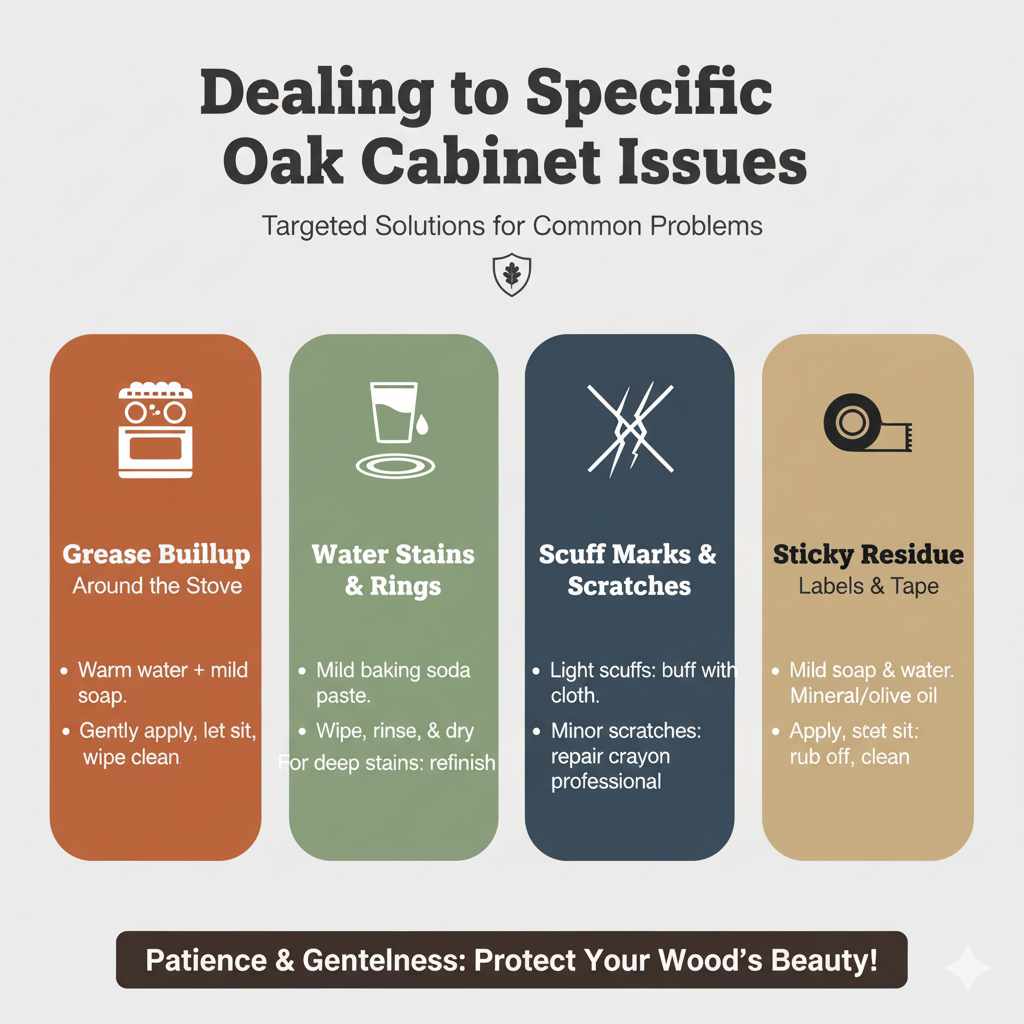
Grease Buildup Around the Stove:
This is a common problem. The best way to tackle it is with a slightly stronger solution, but still gently. Try a mixture of warm water and a bit more mild dish soap, or that diluted white vinegar solution. Apply with a damp cloth, let it sit for a moment on the grease (but don’t let it soak), and then wipe away. You might need to repeat this process. A good quality wood-specific degreaser can also be effective if used according to package directions and tested first.
Water Stains and Rings:
Minor water spots might come out with your regular cleaning. For more defined rings, you can try wiping the area with a soft cloth dampened with a very mild solution of baking soda and water, then rinse and dry. For older, set-in water stains, it might be a sign that the finish itself is compromised, and professional refinishing or repair might be needed.
Scuff Marks and Minor Scratches:
Light scuff marks can often be buffed out with a dry, soft cloth. For very minor scratches on stained and finished oak, you can sometimes use a furniture repair crayon or marker that matches your cabinet’s color. Apply carefully with a fine-tipped applicator, then gently buff the area. For deeper scratches, the finish may need to be touched up by a professional.
Sticky Residue from Labels or Tape:
This can be frustrating! Try gently rubbing the residue with a cloth dampened with your mild soap and water solution. If that doesn’t work, a small amount of mineral oil or olive oil on a cloth can often help to dissolve adhesive. Apply the oil, let it sit for a few minutes, then gently rub the residue away. Clean the area afterward with your regular soap and water solution to remove any oily film, then rinse and dry.
Always remember that the key is to be patient and gentle. Aggressive methods are more likely to cause damage than solve the problem.
Maintaining the Shine: Regular Care Tips
The best way to keep your oak cabinets looking their best is through consistent, gentle maintenance. Doing a little bit often prevents the need for deep, potentially damaging cleaning sessions later on.
Daily Wipes
For high-traffic areas or after cooking, a quick wipe-down with a dry microfiber cloth can remove fresh fingerprints and light dust. This takes seconds and prevents buildup.
Weekly Cleaning
Once a week, or as needed, do a more thorough wipe-down of your cabinets using your prepared mild soap and water solution. Always follow up with a clean, damp cloth for rinsing and finish with a dry cloth for buffing. This routine will keep most everyday grime at bay.
Deep Cleaning Schedule
Consider a more thorough cleaning, similar to the step-by-step guide, every 1-3 months, depending on your kitchen’s usage. This is when you might tackle slightly more stubborn spots and give the cabinets a good polish.
Protect from Moisture and Heat
Avoid placing damp items directly on your cabinets. Ensure that steam from cooking or dishwashers isn’t continuously directed at the cabinet fronts, as prolonged exposure to moisture and heat can break down the finish over time.
Hardware Care
Don’t forget the hardware! Knobs and pulls can be cleaned separately using appropriate cleaners for their material (e.g., brass cleaner for brass, stainless steel cleaner for stainless steel). Be careful not to let harsh cleaners touch the wood cabinets.
Following these simple tips will help ensure your oak cabinets remain a beautiful, cherished feature of your home for years to come. For more in-depth information on wood care, you can consult resources like the This Old House website, which provides practical advice for homeowners.
Frequently Asked Questions (FAQ)
Q1: Can I use a magic eraser on my oak cabinets?
It’s generally not recommended to use a magic eraser (melamine foam) on finished oak cabinets. While effective on many surfaces, melamine foam is abrasive and can dull or even remove the cabinet’s protective finish, especially if used aggressively. Always test any new cleaning tool in an inconspicuous area first, but for oak, sticking to soft cloths is safest.
Q2: How often should I clean my oak cabinets?
For best results, aim for a light wipe-down of high-touch areas daily or as needed. A more thorough cleaning with soap and water should be done weekly or bi-weekly, and a deeper clean (including optional conditioning) every 1-3 months. Regular maintenance prevents grime buildup and makes cleaning easier.
Q3: What’s the best way to remove sticky residue from labels on oak cabinets?
Start with your mild dish soap and water solution on a soft cloth. If that doesn’t work, try a small amount of mineral oil or olive oil on a cloth to dissolve the adhesive. Let it sit for a few minutes, gently rub the residue off, then clean the area with soap and water, rinse, and dry.