Best Way to Prime Mdf: Expert Tips for Flawless Finish
Are you looking to transform your MDF projects from ordinary to extraordinary? If so, understanding the best way to prime MDF is crucial.
MDF, or Medium Density Fiberboard, is a versatile material popular for its smooth surface and affordability. However, without proper priming, your painting or finishing efforts could fall flat. Imagine achieving a flawless finish that not only enhances the aesthetics but also extends the lifespan of your projects.
In this guide, we’ll explore the most effective techniques to prime MDF, ensuring your work captures attention and admiration. Don’t miss out on these insider tips that could be the game-changer you’ve been searching for!

Credit: cworkshop.co.uk
Choosing The Right Primer
Selecting the ideal primer for MDF ensures a smooth finish. Water-based primers dry quickly and reduce surface imperfections. Sanding between coats enhances adhesion and durability for lasting results.
Oil-based Vs Water-based Primers
MDF needs a good primer to stick well. Oil-based primers are strong and last long. They block stains and water. But, they have a strong smell. Water-based primers dry fast and have less smell. They are easy to clean with water. Always check the primer label. Choose one that says for MDF. Look for primers that fill gaps and seal surfaces. Smooth surfaces make paint stick better. Both types have good and bad points. Decide based on your project needs. Consider drying time and odor. Think about ease of use. Both primers protect MDF. Choose wisely for best results.
:max_bytes(150000):strip_icc()/2365111-avoid-extra-sanding-prime-mdf-5b844f04c9e77c002c2b0cbd.png)
Credit: www.thesprucecrafts.com
Preparing MDF Surface
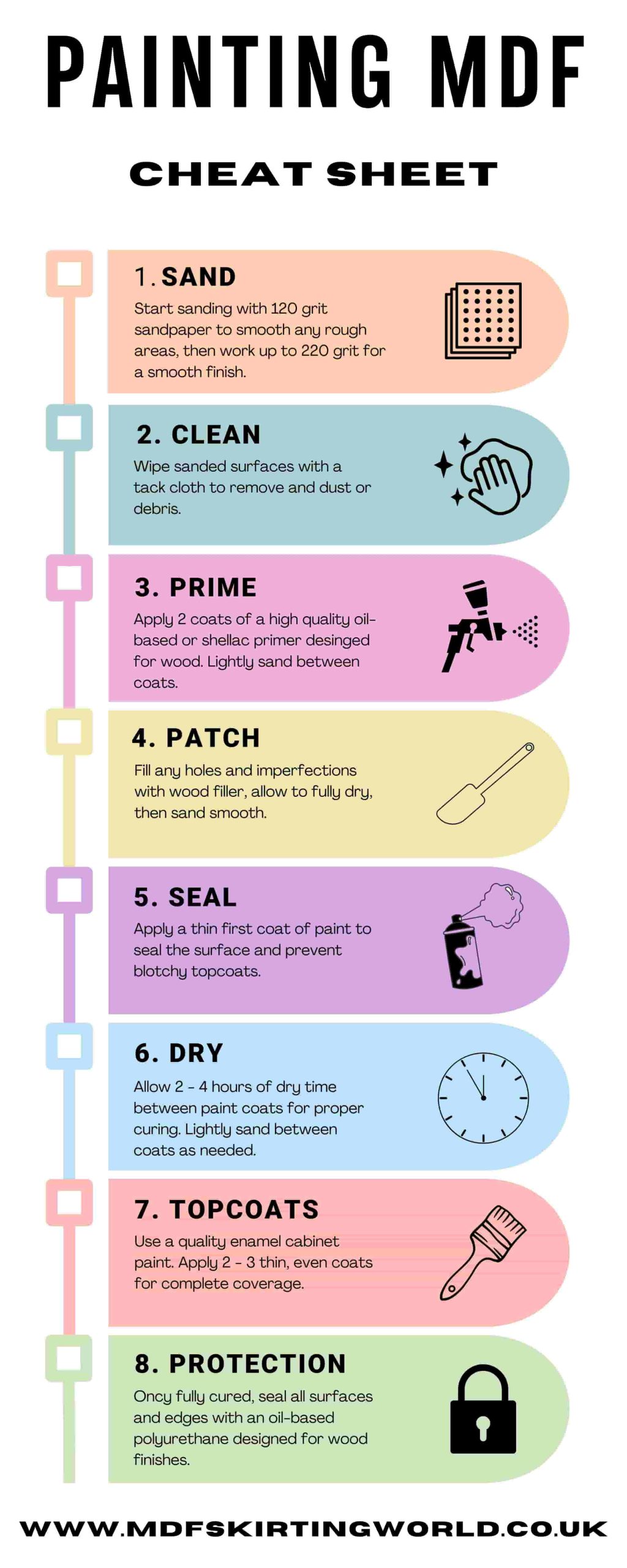
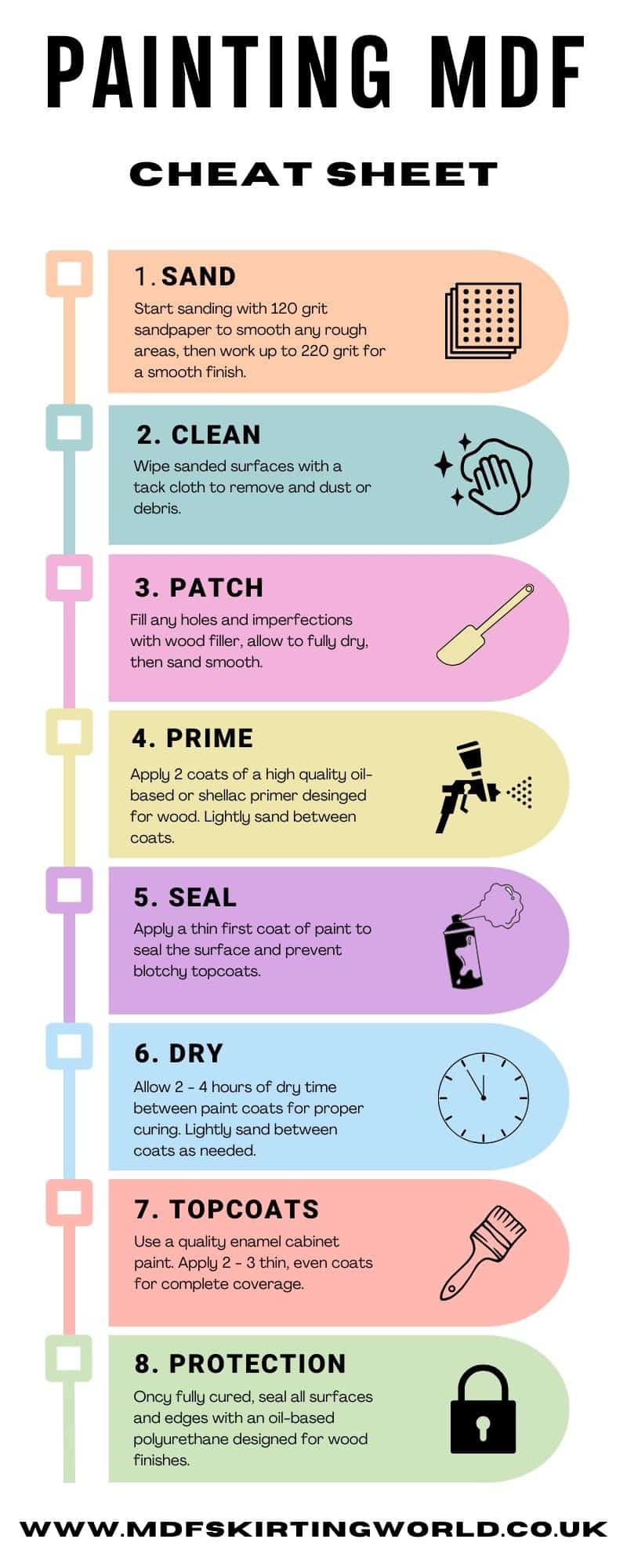
MDF needs a clean surface. Dust and dirt must go away. Use a soft cloth for wiping. Sanding is next. It makes the surface smooth. Fine-grit sandpaper works best. Sand gently. Edges need special care. Smooth edges with sandpaper. Cutouts also need sanding. Remove any rough bits. Dust off after sanding. Now the MDF is ready for primer.
Edges of MDF are often rough. Sand them smooth. Cutouts need sanding too. Use fine sandpaper. Smooth all surfaces. Dust off after sanding. Edges can chip easily. Handle with care. Cutouts should be neat. Primer sticks better on smooth surfaces. Always check for rough spots. Smooth them before priming.
Application Techniques
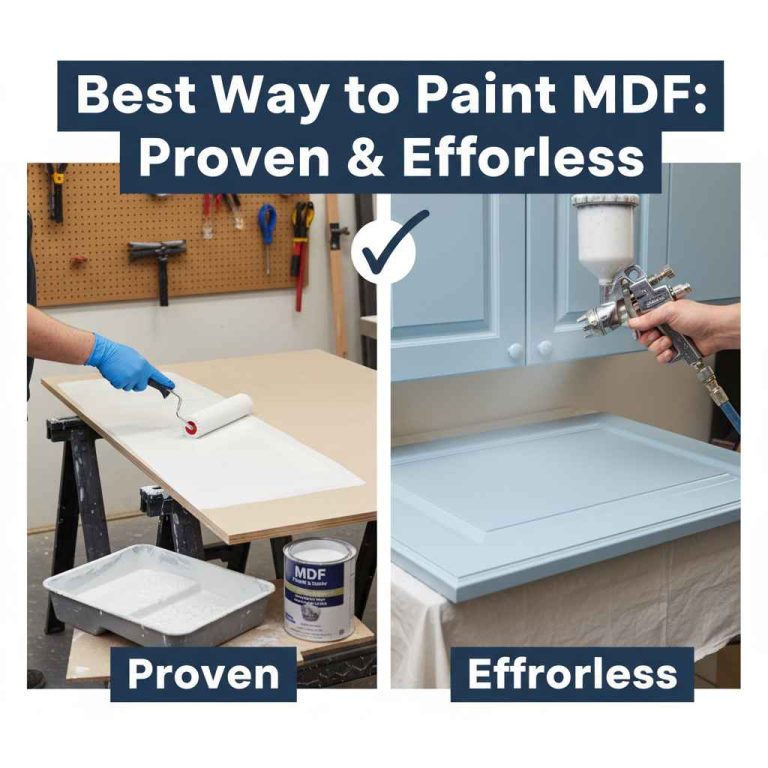
Using a brush on MDF can be slow. But it gives control. You can reach all corners easily. A roller covers large areas fast. It’s good for flat surfaces. It might leave some texture. Spray is the fastest way. It gives a smooth finish. But it needs practice. Spray can be messy if not careful.
Thin layers are best for priming MDF. They dry faster. Two or three layers work well. Each layer should dry fully. This can take a few hours. Drying time depends on the primer type. Some dry quick, others take longer. Always check the label for advice.
Common Mistakes To Avoid
Sanding is a crucial step in priming MDF. It helps create a smooth surface. Without sanding, the paint may not stick well. This can lead to uneven surfaces. It also helps in removing any rough edges. Use a fine-grit sandpaper for the best results. Don’t rush this step. Patience ensures a good finish.
Drying time is important when priming MDF. Each primer has its own drying time. Always check the instructions on the can. Rushing this step can cause problems. The paint might peel or crack. Let the primer dry completely. This ensures a strong bond. It will make your paint job last longer.
Expert Recommendations
Choosing the right brand is very important for MDF priming. Rust-Oleum offers reliable primers. Zinsser is known for its quick-drying formulas. Kilz provides strong adhesion and stain blocking. These brands are trusted by professionals worldwide. All three brands ensure smooth surfaces. They help reduce the risk of peeling paint. Each brand has unique features. Some offer water-based options. Others might be oil-based for stronger finishes. They make the priming process easier.
Good tools make all the difference. High-quality brushes give an even coat. Rollers work well for large areas. Sandpaper smooths rough surfaces. Use primer trays to hold paint evenly. Drop cloths protect the floor from spills. Painter’s tape ensures clean edges. Tools help achieve a professional look. They save time and effort. Choose tools wisely for best results.
Credit: mdfskirtingworld.co.uk
Frequently Asked Questions
What Is The Best Thing To Prime MDF?
Use a high-quality MDF primer or acrylic primer for best results. Ensure the primer is designed for wood surfaces. Apply with a brush or roller for even coverage. This seals the surface, preventing moisture absorption and improving paint adhesion. Allow the primer to dry completely before painting.
Can You Prime MDF Without Sanding?
Yes, you can prime MDF without sanding. Use a high-quality primer designed for MDF surfaces. Ensure the primer is applied evenly to prevent bubbling or uneven texture. Proper priming ensures better paint adhesion and a smooth finish. Always follow manufacturer instructions for optimal results.
Is It Better To Paint MDF With A Roller Or Brush?
Using a roller provides a smoother finish on MDF, reducing brush marks. Rollers cover large areas quickly. For detailed work or edges, a brush is better. Combining both tools can offer optimal results, ensuring a professional finish. Proper preparation and using quality tools enhance the final appearance.
How Many Coats Of Primer Do You Put On MDF?
Apply two coats of primer on MDF for best results. This ensures smooth surface and proper paint adhesion. Sand lightly between coats for better finish. Ensure primer is compatible with MDF material to prevent absorption issues. Proper preparation enhances durability and appearance of final paint.
Conclusion
Priming MDF ensures a smooth and lasting finish. It prevents moisture damage and enhances paint adhesion. Always sand the surface before applying primer. Use a brush or roller for even coverage. Choose a high-quality primer for best results. Allow the primer to dry fully.
Then, sand lightly for a perfect finish. This process prepares MDF for any paint or finish. Achieve a professional look without complexity. Priming MDF may seem simple, yet it’s crucial. Follow these steps for a flawless outcome. Enjoy your beautifully primed and painted MDF surfaces.