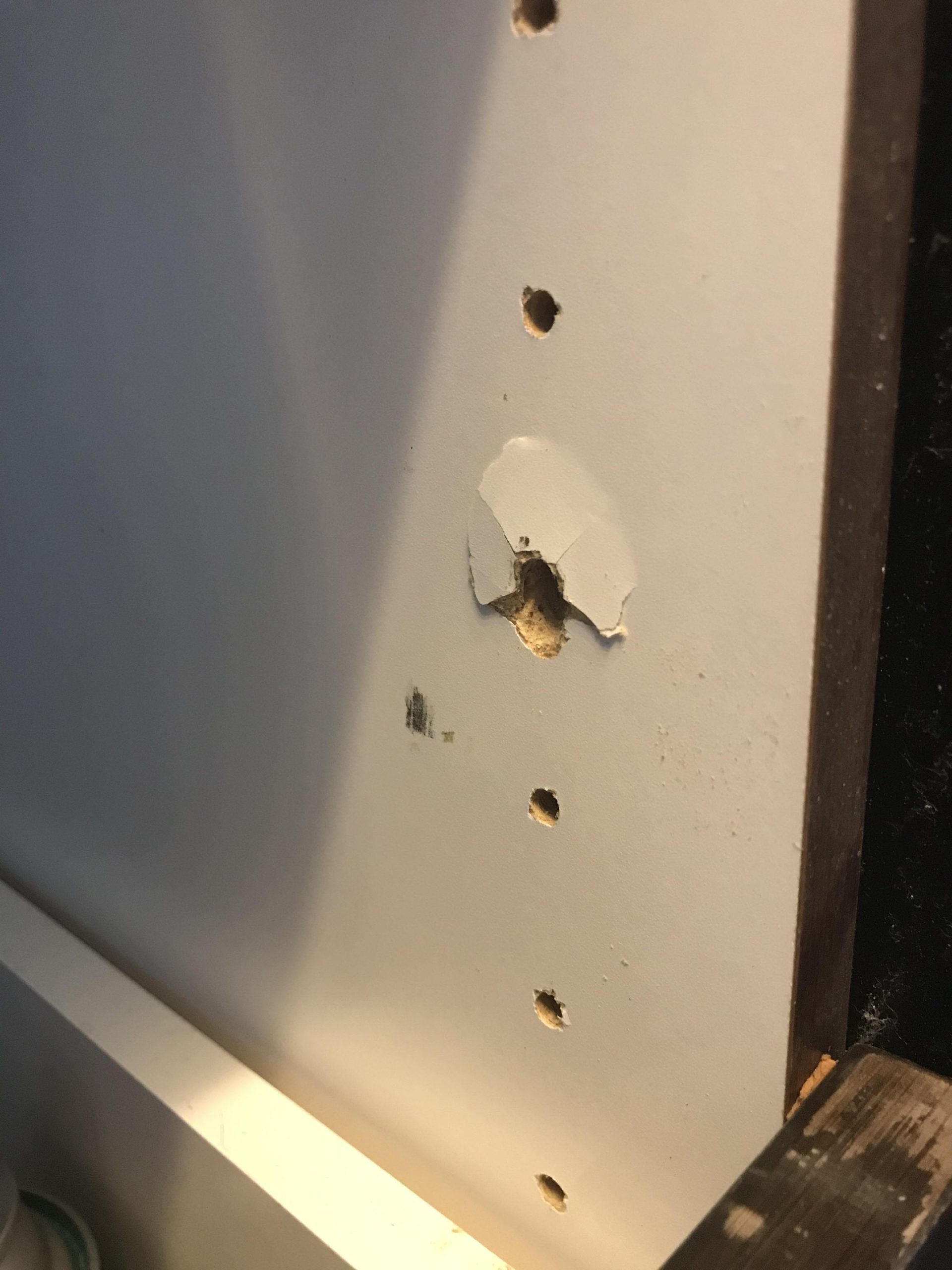
How to Repair MDF Screw Holes (Even Vinyl-Wrapped Cabinets)
Are you struggling with those pesky MDF screw holes that seem impossible to fix? You’re not alone.
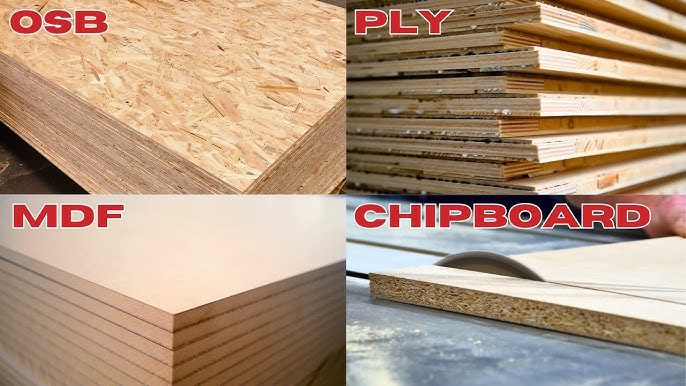
MDF, or Medium Density Fiberboard, is a popular material due to its affordability and versatility. Yet, when it comes to repairing screw holes, it can leave you scratching your head. But worry not! This guide is here to help you tackle the challenge, ensuring your MDF surfaces look as good as new.
Imagine the satisfaction of restoring your furniture or projects without hassle. By the end of this article, you’ll have the skills to repair those holes like a pro, saving both time and money. Let’s dive into the world of MDF repair and transform your projects today!
Tools And Materials Needed
Best MDF Repair Pick
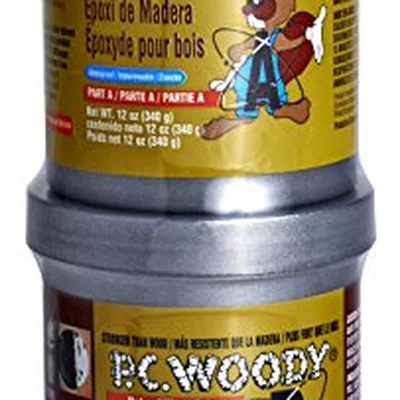
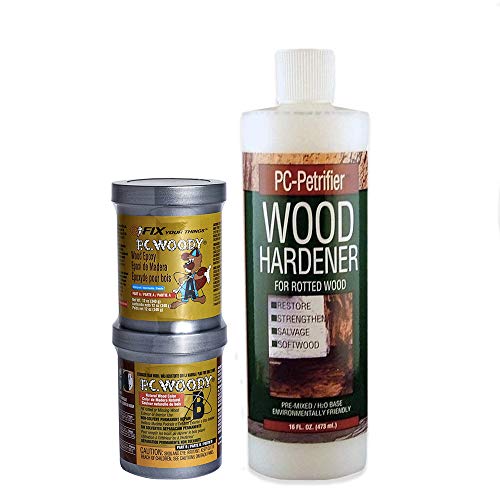
PC-Woody Two-Part Wood Repair Epoxy Paste
The material-science reason this guide recommends epoxy over toothpicks for MDF: it hardens into a rock-solid plug instead of relying on fiber grip that MDF doesn’t have.
- Best for: a stripped or crumbled MDF screw hole that needs to hold real weight
- Why we picked it: sandable and stainable once cured, unlike hardware-store wood filler
- Main drawback: two-part mixing means you can’t reopen a partially used batch later
Round out your repair kit
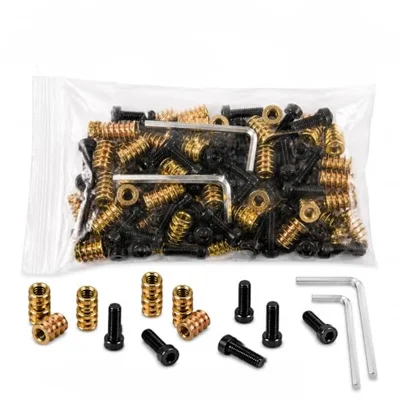 Option 1 Threaded Inserts for Wood
|
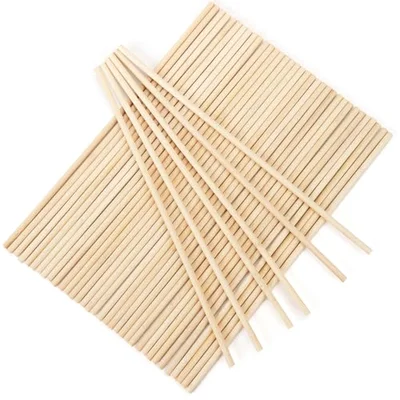 Option 2 1/4″ Wooden Dowel Rods
|
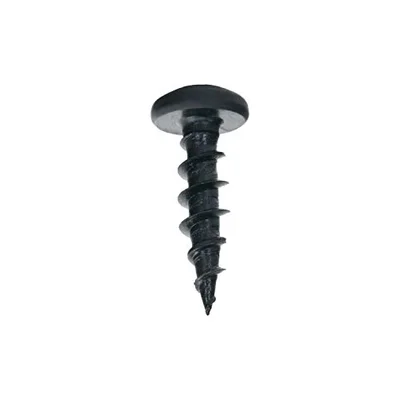 Option 3 Coarse Deep-Thread MDF Screws
|
As an Amazon Associate we earn from qualifying purchases.
To fix the screw holes, gather a few important tools and materials. You will need wood filler to fill the holes. A putty knife helps in applying the filler smoothly. Sandpaper is essential to make the surface smooth after filling. An electric drill can assist in making new holes if needed. A vacuum cleaner is useful to remove any dust from sanding. Ensure you have a clean cloth to wipe the surface clean. Keep these items ready before starting the repair work.
A small paintbrush can be handy for painting over the repaired area. You might also need a ruler to measure the distance between holes. This ensures accuracy when drilling new holes. Having all tools ready saves time and makes the work easier. Proper preparation is key to a successful repair.

Preparing The Work Area
First, clear the space where you’ll work. Remove any furniture or items nearby. This keeps your tools from getting blocked. Lay down a cloth or newspaper to catch dust or debris. It also protects the floor. Gather all your necessary tools and materials. Keep them within reach. Make sure there’s enough light to see well. A lamp can help. Wear safety goggles and gloves to protect your eyes and hands. Open a window or use a fan for fresh air. This helps when using glue or paint. Keep the area clean and tidy. This will help you work better and faster.
Assessing The Damage
Check the size and depth of the hole. Look for any cracks around the hole. Are the edges rough or smooth? Use a flashlight to see inside the hole. Is there any loose debris? Make sure the hole is clean before fixing it. Take note of the location of the hole. Is it near a corner or in the middle? Knowing these details helps in choosing the right fix. Measure the diameter of the hole if possible. A ruler can help with this. Small holes may need different methods than big ones. Once assessed, you can plan your repair steps. Remember, a good assessment leads to a better fix.
Filling The Screw Holes
Select a filler that suits your project. Wood filler is a great choice. It is strong and durable. Use epoxy for bigger holes. It dries hard and is very reliable. Make sure the filler color matches the wood. This helps the repair look nice.
Clean the hole before filling. Remove dust and debris. Use a small putty knife to apply the filler. Push it deep into the hole. Smooth the surface with the knife. Let the filler dry completely. This might take a few hours. Sand the area to make it smooth. Now the hole is ready for a new screw.
Sanding And Smoothing
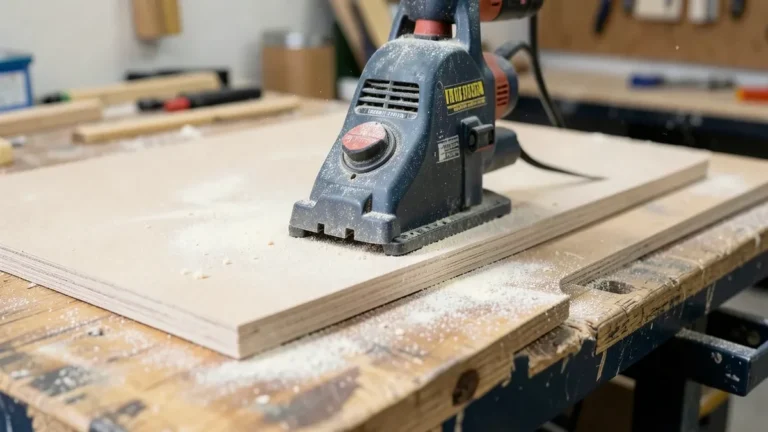
Start by using sandpaper to smooth the rough edges. Make sure the surface is even. This helps the patch stick well. Use a gentle touch to avoid damage. Wipe away dust after sanding. Dust can stop the patch from sticking.
Apply a thin layer of wood filler to the hole. Use a putty knife for best results. Make sure the filler is level with the surface. Let the filler dry completely. Drying takes about 15 to 30 minutes.
Once dry, sand the area again. This ensures a smooth finish. Always sand in a circular motion. Circular motions help achieve a flat surface. Check the surface for any bumps or dents. Repeat until it’s perfectly smooth.
Re-drilling And Reinforcing
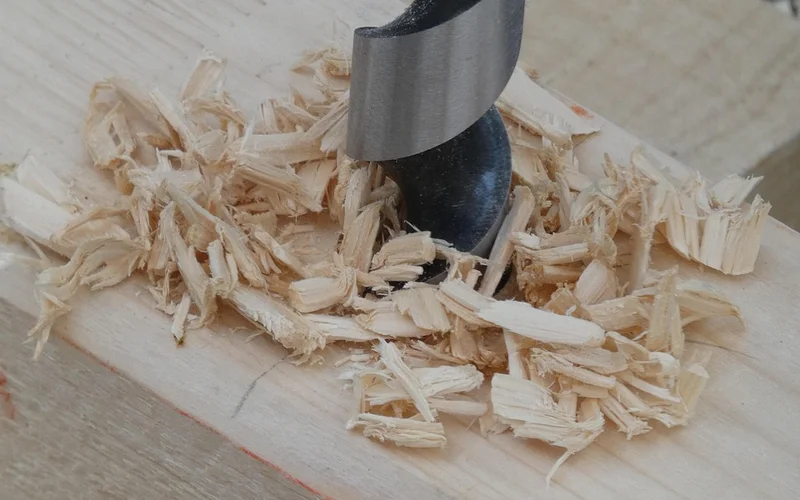
Drilling needs care and focus. Use a sharp drill bit to avoid damage. Drill slowly and steadily. This helps in making clean holes. Use a guide for straight drilling. It keeps the drill steady. Avoid too much pressure. It can break the MDF. Measure twice to ensure accuracy. Double-check before drilling.
Inserts give strength to screw holes. Metal inserts are strong. They hold screws well. Choose the right size for your screws. Drill a hole for the insert. It should fit snugly. Use glue to keep inserts in place. It adds extra support. Let the glue dry fully. This ensures a tight fit. Check if screws fit well after inserting.
Why MDF Screw Holes Fail Differently Than Solid Wood
MDF is made of compressed wood fibers bonded with resin, with no long wood grain to bite into. When a screw strips out of solid wood, it usually splits along the grain; in MDF, the fibers around the hole simply crumble and compress permanently under the screw’s pressure, leaving a hole that’s wider and looser than it started. This is why wood glue-soaked toothpicks — a reliable fix in solid wood, where the fibers give the glue something to grip — often work less well in MDF. A two-part epoxy putty is the more reliable fix for MDF specifically, since it hardens into a solid plug that fills the crumbled void and bonds directly to the surrounding fiberboard rather than relying on grain to grip. For a repair that needs to hold real weight (cabinet hinges, wall-mounted shelving), a threaded insert epoxied into an oversized hole gives a permanent metal-to-metal connection that doesn’t rely on the MDF’s fiber strength at all.
Repairing Screw Holes In Vinyl-Wrapped MDF Cabinets
Vinyl-wrapped (foil-wrapped) MDF cabinet doors add one more complication: the vinyl layer itself can crack or peel around a damaged screw hole. Work through the repair in this order to protect the wrap. Toothpicks or bamboo skewers glued into the hole are the least invasive option, since their long fibers grip well and the repair stays hidden under the existing screw. If the vinyl around the hole has started to peel, don’t fill the hole first — work wood glue underneath the lifted vinyl with a small brush or cotton swab, press it back down, and hold it with masking tape until the glue cures before addressing the hole itself. For a hole too enlarged for toothpicks, a dowel plug (drill the damaged area out clean with an appropriately sized bit, glue in a matching dowel, then re-drill a centered pilot hole) keeps the repair flush and refinishable, unlike epoxy putty which can telegraph through thin vinyl if overfilled.
Data point: Woodworking and cabinetry forums consistently point to two-part epoxy putty as the fix for MDF and damaged solid wood alike, since it creates a rock-hard anchor that fills voids and bonds delaminated fiber layers in a way plain wood glue and dowels don’t.
Finishing Touches
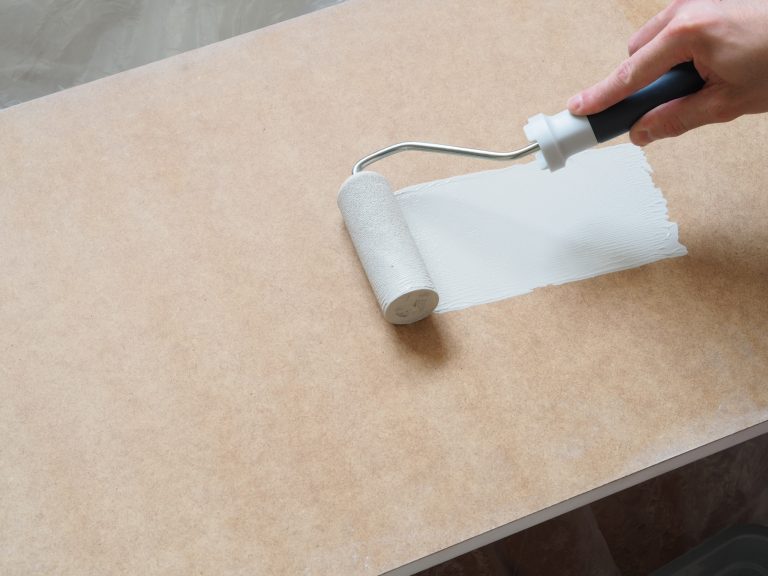
Choose a suitable paint or stain color. It should match your furniture. First, clean the area with a damp cloth. This removes dust and dirt. Apply a thin coat of primer. Let it dry completely. Then, apply the paint or stain. Use smooth, even strokes. Wait for it to dry. A second coat may be needed. This gives a better finish. Always work in a well-ventilated area. It keeps you safe from fumes.
Sealing helps protect the surface. Use a clear sealant. This keeps the color lasting longer. Apply the sealant with a brush. Use gentle, long strokes. Let it dry fully before using the item. Sealing makes the surface more durable. It can stop water damage, too. Always read the sealant label for instructions.
Preventive Measures
Avoiding Over-tightening is crucial. Tight screws can damage MDF. This makes holes larger. Use a screwdriver with care. Turn slowly and gently. Feel the resistance. Stop when tight enough. This keeps MDF safe.
Using Suitable Screws helps. Not all screws fit MDF well. Choose screws meant for MDF. They grip better. They cause less damage. They hold parts firm. Check screw size. Too big or small is bad. Pick the right one. This ensures secure fixing.
Frequently Asked Questions
What Is The Best Filler For Screw Holes In MDF?
Wood filler is the best option for filling screw holes in MDF. It adheres well and sands smoothly. Choose a high-quality, water-based wood filler for easy cleanup and minimal shrinkage. Apply with a putty knife, let it dry, and sand for a seamless finish.
How To Fix Screws Into MDF?
Drill a pilot hole to prevent splitting. Use screws designed for MDF for better grip. Apply wood glue for extra hold. Avoid screws near edges to prevent damage. Choose appropriate screw length for thickness.
How To Fix MDF Board Hole?
Repair MDF board holes using wood filler. Sand the area smooth once the filler dries. Apply primer and paint for a seamless finish. Ensure the surface is clean before starting the repair. Use tools like a putty knife for even filler application.
Choose high-quality materials for durability.
How Do You Fix A Ripped Screw Hole?
Fill the hole with wood filler or toothpicks coated in wood glue. Let it dry completely. Sand the surface smooth. Drill a new pilot hole slightly smaller than the screw. Reinsert the screw securely. This method restores the hole’s grip, ensuring the screw holds firmly.
How Do You Fix A Screw Hole In A Vinyl-Wrapped MDF Cabinet Door?
Use toothpicks or bamboo skewers glued into the hole first, since the repair stays hidden under the existing screw and doesn’t disturb the vinyl. If the vinyl is already peeling around the hole, work wood glue underneath it with a brush or cotton swab, press it flat, and tape it until cured before touching the hole itself. For a badly enlarged hole, a flush dowel plug is safer for thin vinyl than epoxy putty, which can telegraph through if overfilled.
Is Epoxy Putty Or Wood Glue Better For MDF Screw Holes?
Two-part epoxy putty generally holds up better in MDF than wood glue and toothpicks alone. MDF has no long wood grain for glued fibers to grip, so the repair depends more on the filler material bonding directly to the crumbled fiberboard — which is exactly what epoxy putty is designed to do. Wood glue and toothpicks still work for lighter-duty repairs, but epoxy putty or a threaded insert is the more reliable choice for anything load-bearing.
Conclusion
Repairing MDF screw holes is easier than it seems. Using simple materials, you can fix them effectively. Choose the right filler for your project. Wood fillers and epoxy work well for small holes. Larger holes may need dowels or plugs.
Always sand the area smooth after filling. This ensures a neat finish. Finally, paint or stain to match the surface. This step blends the repair seamlessly. With these steps, your MDF looks as good as new. Easy repairs save you time and money.
Plus, they extend the life of your furniture or panels.
Sponsored / affiliate links. As an Amazon Associate I earn from qualifying purchases. I may earn additional commission from eligible campaigns.