Best Way to Paint MDF: Brush, Roller or Sprayer?
Brush, roller or sprayer: which is the best way to paint MDF? The honest answer is that the tool matters less than what you do to the edges first. This page compares the four application methods side by side, with real coverage and cost numbers. If you want the full step-by-step process for a board, see our guide on how to paint MDF board; if you are still wondering whether it works at all, read can you paint MDF.
The Short Answer: Seal the Edges, Then Match the Tool to the Surface
Best Spray Primer Pick for MDF
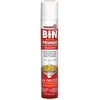 |
Zinsser B-I-N Shellac Primer-Sealer (Turbo Spray, 26 oz), $29.86 A shellac aerosol that seals raw MDF edges fast, so the topcoat does not soak in and the fibers do not fuzz up.
|
For most projects the best way to paint MDF is a mixed method: a brush to seal and prime the cut edges, a mini foam roller for the flat faces, and a sprayer only if you are finishing a set of doors or a large batch of parts. Each surface of an MDF sheet behaves differently, and one tool rarely suits both.
Why the Edges Decide Everything
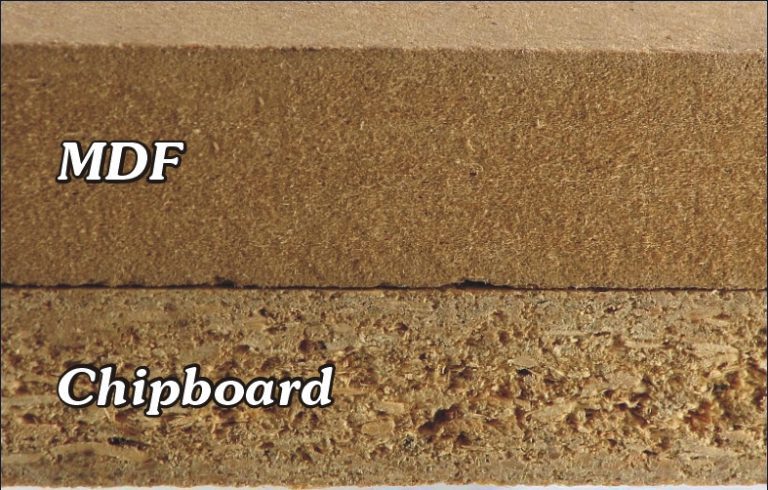
A sheet of MDF has a hard, smooth factory face and a fibrous core. Once you cut it, the core is exposed, and it drinks paint and moisture far faster than the face does. That is why a fresh coat can look even on the face and blotchy, rough or swollen along the edge.
This leads to two common myths worth correcting:
- Myth: extra thin coats will fix absorbent edges. They will not. Each coat of topcoat soaks in and the edge stays dull and fuzzy. Sealing the edge with primer first is what stops the absorption.
- Myth: sand the face hard to help paint stick. Heavy sanding can break through the dense skin and expose loose fibers, which then lift under the first coat. Sand lightly with 220 grit after the primer instead.
For a deeper look at the sealing step, see the best way to seal MDF edges and the best way to prime MDF.
Brush, Roller, Aerosol or Sprayer: The Comparison
| Method | Best on MDF for | Finish | Real cost or number | Main risk |
|---|---|---|---|---|
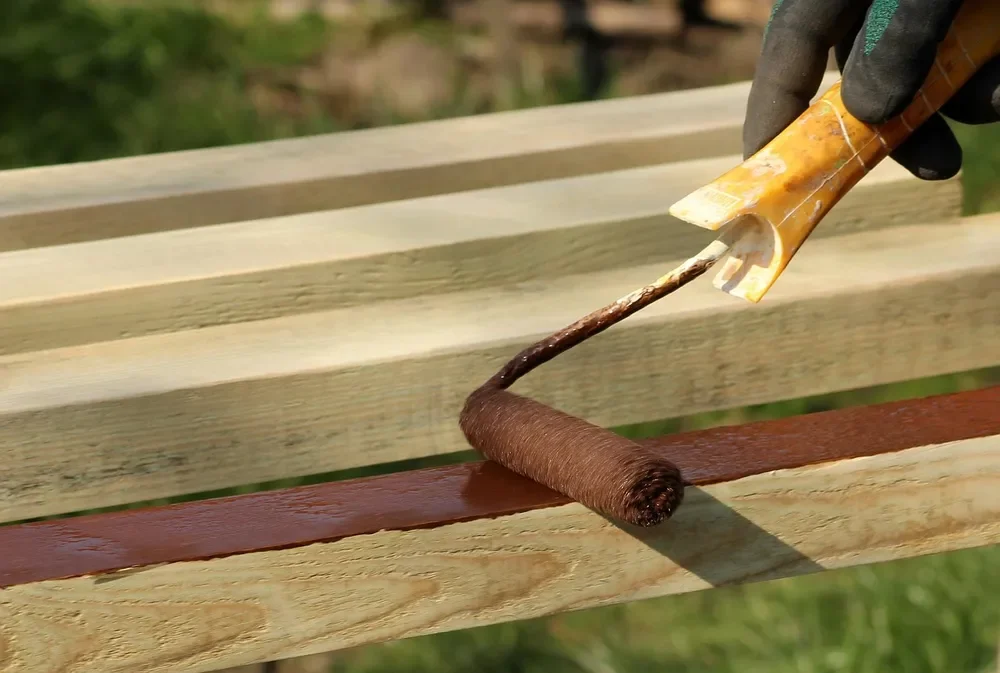
| Angled synthetic brush (2 to 2.5 in.) | Cut edges, routed profiles, corners | Good, may show strokes | Brush-on primer: $11.99 per quart, about 100 sq ft, so roughly $0.12 per sq ft | Brush marks; water-based paint raising fibers on bare edges |
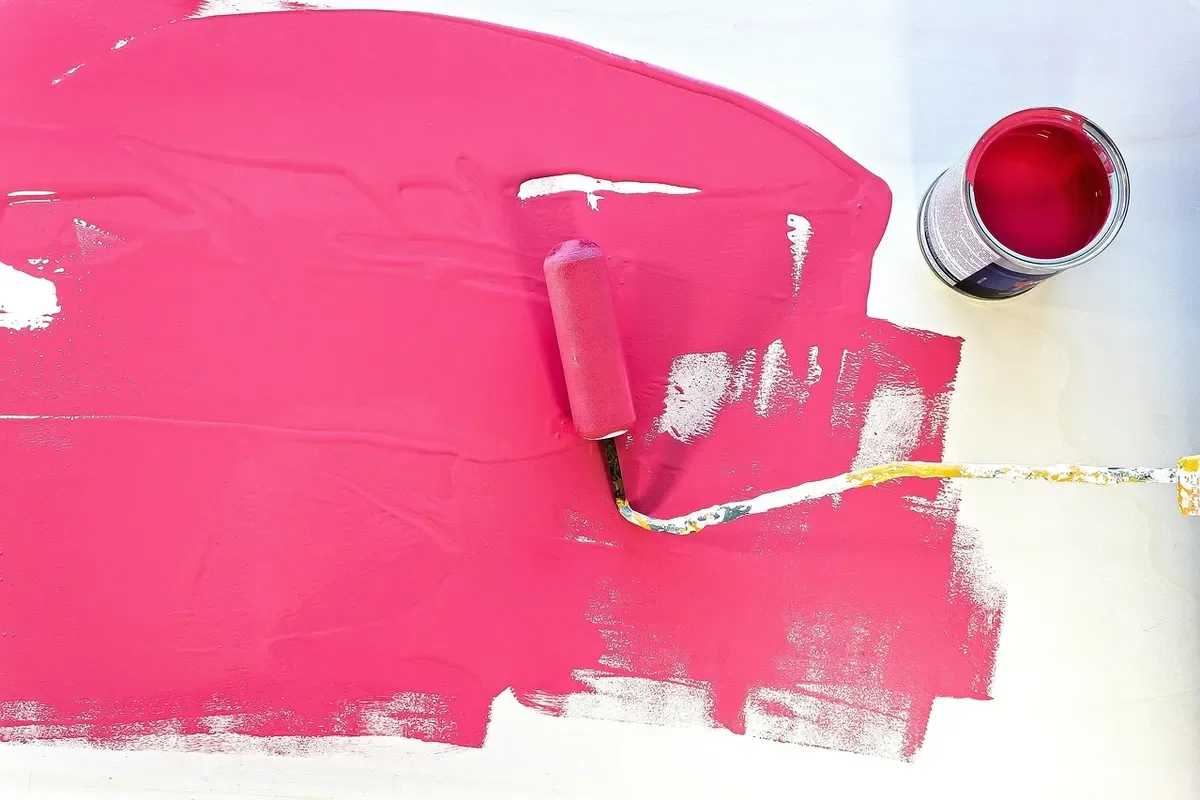
| Mini foam or microfiber roller (4 in.) | Flat faces: panels, shelves, tabletops | Very good on flat faces | Same paint cost as brush; roller cover is a few dollars | Bubbles from rolling too fast; lint from cheap covers |
| Aerosol primer or paint | Small parts, sealing edges quickly | Good if kept moving | Shellac aerosol: $29.86 for 20-24 sq ft, roughly $1.24 to $1.49 per sq ft | Cost, drips, overspray, fumes |
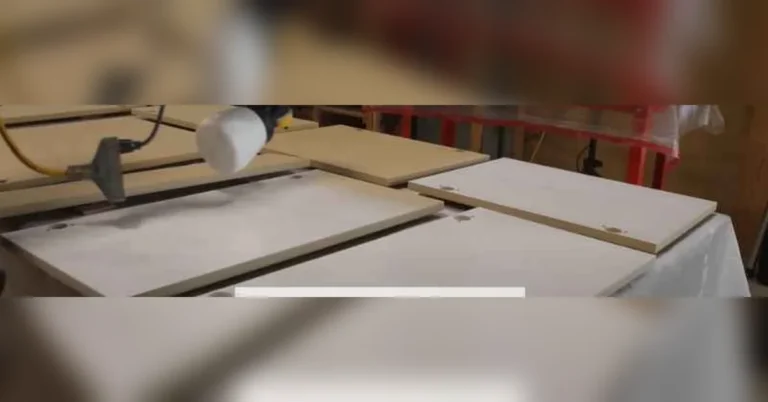
| HVLP or airless sprayer | Cabinet doors, matching sets, big projects | Best, factory-smooth | Higher setup cost; paint must be thinned to the maker’s data sheet | Overspray, cleanup time, learning curve |
The cost gap is the surprising part. Using the listing prices above, a quart of brush-on primer works out to about 12 cents per square foot, while an aerosol shellac primer runs $1.24 to $1.49 per square foot on its label coverage: roughly ten times more. Aerosol is worth it for sealing a few edges quickly, but it is a poor choice for priming a whole cabinet.
Best Method by Project
Flat panels, shelves and tabletops
Seal the edges with a brush, then roll the face with a 4 inch mini foam or microfiber roller. Roll in one direction with light pressure and do not over-work the paint as it starts to tack up. Two thin topcoats over a sanded primer coat is a sound plan.
Doors, cabinet fronts and routed profiles
Profiles and door edges are where brushes and rollers struggle to stay even. A sprayer is the easiest way to get a smooth finish here, but if you are brushing, use a good angled synthetic brush and thin coats. Our guide to painting MDF cabinet doors covers the edge-swelling problem in detail.
Small parts and quick jobs
An aerosol primer can seal edges on small parts fast. Keep the can moving, spray in light passes, and follow the can’s recoat window. Shellac-based aerosol is flammable and smells strongly, so work outdoors or with strong ventilation.
A Sequence That Works With Any Method
- Check the board. Fill screw holes and dings with filler and let it cure, then knock the dried filler flush.
- Dust it off. Vacuum and wipe with a barely damp cloth or tack cloth. Dust under primer shows up as grit.
- Seal the edges first. Work primer into every cut edge, hole and routed profile, and give them a second coat once the first has dried.
- Prime the faces. One even coat is usually enough on the factory face.
- Sand lightly. Use 220 grit only to knock down raised fibers, then remove the dust again.
- Topcoat in thin layers. Two thin coats beat one heavy coat. Follow the recoat time printed on your can, since it varies by product and by humidity.
- Let it cure. Paint can feel dry within hours but keeps hardening for days, so go gently with painted MDF at first.
Common Mistakes With Each Method
Brushing
Loading the brush too heavily leaves ridges that set before they level out. Dip about a third of the bristle length, and finish each stroke by lightly dragging the brush along the direction of the surface.
Rolling
Fast rolling traps air and leaves tiny bubbles or a stippled surface. Slow down, keep a wet edge, and use a fresh mini roller cover, since old or cheap covers shed lint into the finish.
Spraying
Holding the can or gun too close, or pausing mid-pass, causes runs. Practice on a scrap piece of MDF, keep every pass moving, and stop spraying before you reach the end of the stroke, not after. Cover nearby surfaces and use a respirator rated for the paint you are spraying.
Choosing the Paint That Goes With the Method
Water-based acrylic or latex enamel is the easiest to brush or roll and cleans up with water, but on bare MDF it can raise the fibers, which is another reason to prime first. Oil-based or alkyd enamels level out nicely and leave fewer brush marks but have strong fumes and slow drying. For a full comparison, see which paint to use on MDF and oil versus water-based enamel on MDF.
Safety When Preparing MDF
MDF is made with resin binders, and sanding or cutting it makes a fine dust that irritates the eyes, nose and lungs. Wear a well-fitted respirator or dust mask and safety glasses when you sand, vacuum the dust rather than blowing it around, and follow the ventilation instructions on any shellac or oil-based product. Our guide on whether it is safe to sand MDF goes further.
Frequently Asked Questions
Is it better to brush, roll or spray MDF?
Use a brush on edges and profiles, a mini foam roller on flat faces, and a sprayer only when you have many pieces or want a factory-smooth finish. The method matters less than sealing the edges first.
Can I use a brush on MDF edges?
Yes, and it is usually the best tool for them. Work the primer into the cut edge with a brush and let the first coat soak in. Sand lightly with 220 grit once dry, then add a second coat of primer before topcoating.
Why does my roller leave a fuzzy texture on MDF?
Fuzz usually means bare fibers absorbed moisture from water-based paint and stood up, or the face skin was sanded through. Prime first, sand lightly with 220 grit after the primer, and use a fresh mini foam roller.
Is spray paint good for MDF?
It can give a smooth finish, but aerosol is expensive per square foot and drips if you hold it too close. Use it for small parts or for sealing edges, and follow the can’s distance and recoat directions.
Do I need to sand MDF before painting?
Not heavily. The dense factory face is smooth, and hard sanding can break through it. Scuff-sand only if needed, then sand lightly after the primer dries. Wear a dust mask or respirator, since MDF dust is an irritant.
Conclusion
The best way to paint MDF is not one tool but a sequence: seal the edges first, prime, sand lightly, then choose a roller for faces, a brush for profiles, or a sprayer when you need a smooth finish across many pieces. Get the edges right and every method works; skip them and none of them will.
Sponsored / affiliate links. As an Amazon Associate I earn from qualifying purchases. I may earn additional commission from eligible campaigns.