Best Way to Put MDF Together: Expert Tips & Tricks
Are you tired of struggling with MDF projects that just don’t seem to hold together? You’re not alone.
MDF, or medium-density fiberboard, is a popular choice for many DIY enthusiasts and professionals alike, thanks to its affordability and versatility. But when it comes to joining pieces, things can get tricky. You want your creations to last, right? Finding the best way to put MDF together is crucial for the durability and appearance of your projects.
Imagine the satisfaction of seeing your efforts result in flawless joins that stand the test of time. This article is here to guide you through the most effective techniques, ensuring you achieve professional results without the hassle. Keep reading to discover how you can master MDF and transform your woodworking projects into impressive works of art.

Credit: vir-mdf.com
MDF Basics
MDF stands for Medium-Density Fiberboard. It’s made from wood fibers. These fibers are glued together with heat and pressure. MDF is smooth and dense. It’s easy to cut and shape. It doesn’t have knots or grain. This makes it great for painting. But, MDF can be heavy. It may absorb moisture. So, keep it dry.
MDF is used in many projects. Furniture is often made from MDF. Shelves and cabinets are common too. It’s also used in moldings and doors. MDF is good for speaker boxes. It helps with sound quality. Craft projects use MDF because it’s easy to work with. Always handle with care. It can break if dropped.
Preparation Techniques
Good tools make work easy. You need a saw, drill, and measuring tape. Use a pencil to mark lines. Sandpaper smooths rough edges. Get strong wood glue. Use clamps to hold pieces tight. A cloth cleans up spills. Have a screwdriver ready. You might need screws. Wear gloves to protect hands. Always check tools before use. Make sure everything works well. Keep tools in a box. This helps you find them quickly.
Safety is important. Wear gloves to protect your hands. Use goggles to shield your eyes. Dust masks help you breathe clean air. Keep tools away from children. Work in a clean area. This prevents accidents. Don’t rush. Take your time to do things right. Read instructions carefully. Follow them step by step. Check wires and cords. Make sure they are safe. Keep water away from tools. It can cause damage. Always stay alert. Safety first.
Joining Methods
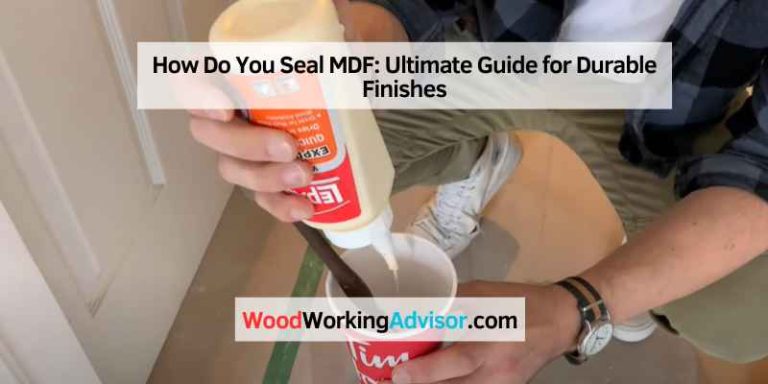
Wood glue works well with MDF. It holds pieces tightly. Apply glue evenly. Use a brush for this. Press pieces together firmly. Let them dry for hours. This makes a strong bond. Contact cement is another option. It’s sticky and strong. You must be careful. Align pieces correctly. Mistakes are hard to fix.
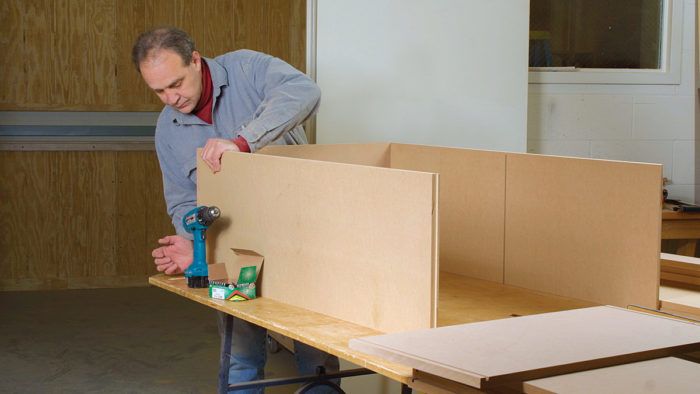
Screws can hold MDF pieces. Use the right size. Pre-drill holes first. This prevents splitting. Wood screws are best. They grip well. Use washers with them. It spreads pressure evenly. Fasteners like brackets help too. They add extra strength. Place them at corners.
Biscuits are oval-shaped. They fit into slots. Use glue with them. They swell when wet. This makes a tight bond. Dowels are round sticks. Drill holes for them. They align pieces well. Both methods need careful measurement. They keep MDF joints aligned.

Credit: partnerstack.com
Surface Finishing
Joining MDF effectively requires proper techniques and tools. Utilize wood glue for a strong bond, ensuring surfaces are clean. For additional strength, employ screws or dowels, maintaining alignment.
Sanding MDF Surfaces
MDF needs a smooth surface. Sand it carefully. Use fine sandpaper. Gently rub the surface. Remove all dust. Dust can cause problems. A clean surface is best. Do not rush. Take your time.
Applying Paint Or Veneer
Paint or veneer makes MDF look nice. Choose the right type. Paint needs a primer first. Apply it evenly. Use a brush or roller. Let it dry completely. For veneer, use glue. Press the veneer firmly. Trim the edges if needed. Ensure all parts stick well. This gives a neat finish.
Common Mistakes
MDF can warp if not handled right. Moisture is a big enemy. Keep MDF dry at all times. Use a flat surface for storage. This helps prevent bending or twisting. Use proper support when cutting. This keeps edges straight and clean. Warping can ruin projects fast. Be careful with temperature changes too. Sudden changes cause problems. Keep MDF in a stable place. Avoid direct sunlight exposure.
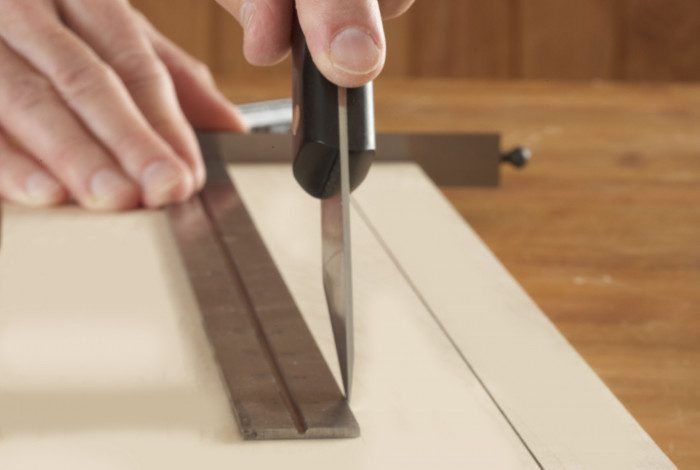
MDF can splinter easily. Sharp tools are essential. Use sharp blades for clean cuts. Dull blades cause rough edges. Cut slowly to keep edges smooth. Speed causes splinters. Sand edges after cutting. This smooths out rough spots. Use the right glue for joints. Good glue prevents breaking apart. Splintering makes MDF look bad. Proper handling stops this. Seal edges to protect them. This prevents damage over time.
Maintenance Tips
Keep MDF clean to make it last longer. Use a soft cloth to wipe it.
For tough spots, use a damp cloth. Dry it right away. Water can damage MDF.
Avoid it as much as possible. Dust often to keep it looking nice.
Never use strong cleaners or chemicals. They can harm the surface.
Be gentle when cleaning edges. They are more fragile.
Small scratches can be fixed easily. Use a wax crayon to fill them.
Sand the surface gently. This makes it smooth again. For bigger chips,
use wood filler. Let it dry before sanding. Paint over it to make it look new.
Always use paint that matches your MDF color.
This keeps it looking good.
Credit: www.homedepot.com
Frequently Asked Questions
What Is The Best Way To Attach MDF Together?
Use wood glue and clamps for attaching MDF. Ensure surfaces are clean and apply glue evenly. Clamps provide pressure, enhancing the bond. Allow time for drying to achieve a strong connection. For additional strength, use screws with pilot holes to prevent splitting.
Should You Nail Or Screw MDF?
Use screws for MDF to ensure a secure hold. Pre-drill holes to prevent splitting. Nails can cause damage.
What Is The Best Way To Bond MDF?
Use PVA wood glue for bonding MDF effectively. Clamp tightly after applying glue for a strong hold. Ensure surfaces are clean and dry before bonding.
What Is The Best Fastener For MDF?
Use screws specifically designed for MDF to ensure a secure hold. MDF screws have a thin core and coarse threads. Pre-drill holes to prevent splitting and use a drill with adjustable torque for best results. Avoid regular wood screws, as they may cause damage to the MDF material.
Conclusion
Putting MDF together can be simple with the right tools. Use screws and glue for a strong, lasting bond. Always pre-drill holes to avoid splitting the MDF. Remember to work on a flat surface for best results. Sand any rough edges before assembly for a clean finish.
MDF is versatile and ideal for many projects. With careful planning, your project will be sturdy and beautiful. Practice makes perfect, so don’t hesitate to start small. Soon, you’ll be confident with larger projects. Enjoy the process and watch your skills grow.
Your creativity has no limits!