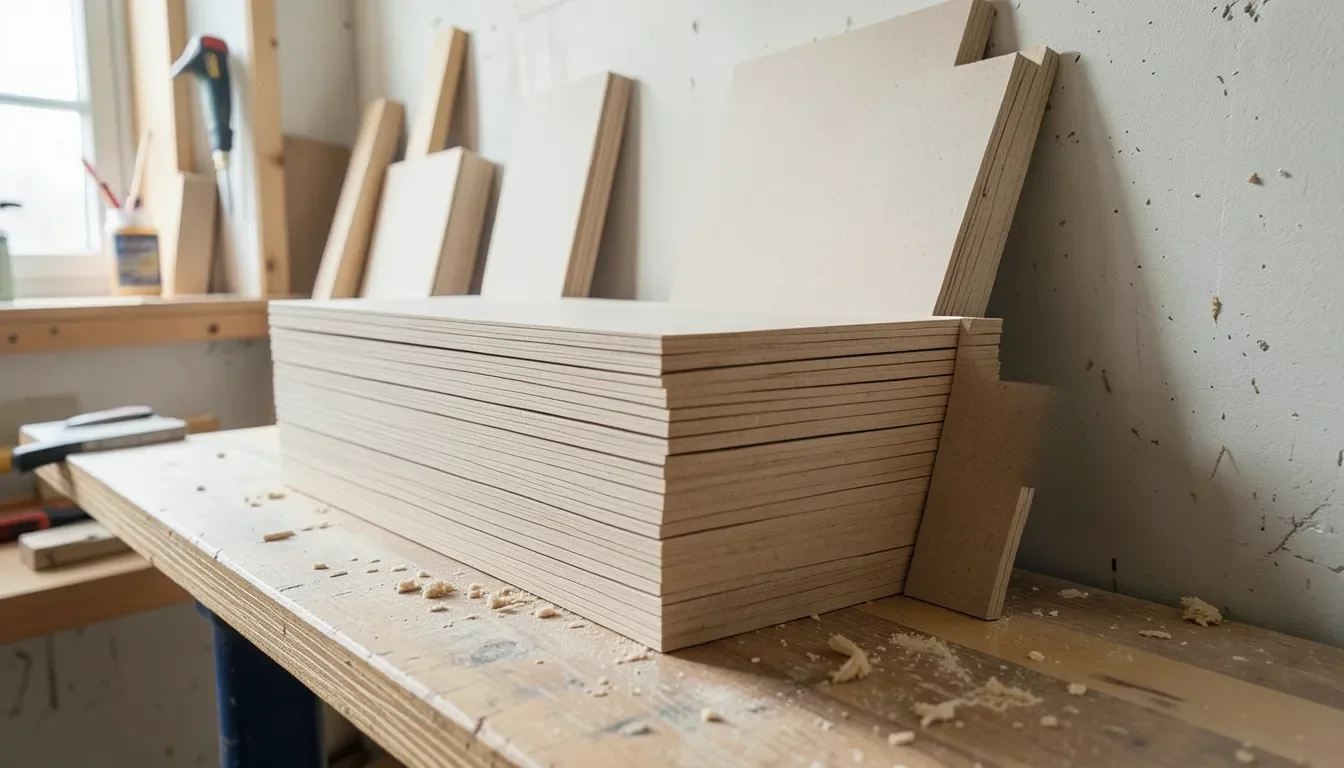
Is MDF Bad for the Environment? The Real Impact, Explained
MDF is not the environmental villain some articles make it out to be, but it isn’t a clean material either. The honest answer sits in the middle: standard MDF uses a formaldehyde-based resin that off-gasses (worse when you cut or sand it), yet most MDF sold in the US and EU today is also made largely from recycled wood fiber and has to meet formaldehyde emission limits that didn’t exist twenty years ago.
Below is what’s actually true about MDF’s environmental impact – the real formaldehyde risk, the regulations that already limit it, the recycled-content upside most “MDF is bad” articles skip, and what happens to MDF once you’re done with it.
What Actually Makes MDF an Environmental Concern
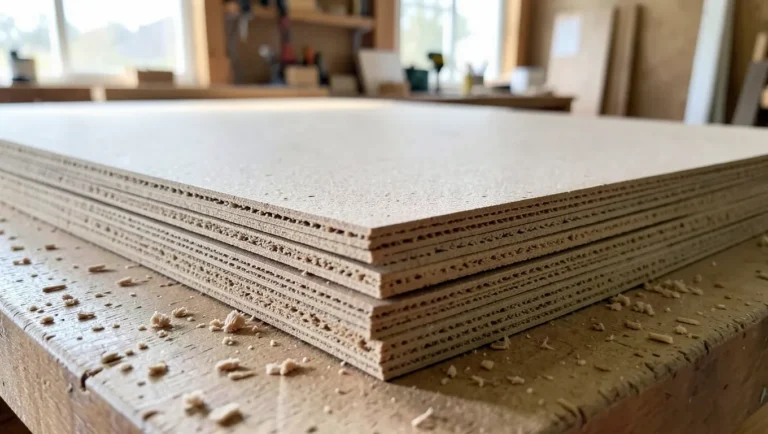
The core issue is the binder, not the wood. MDF is made by breaking wood down into fine fibers and pressing them back together with a resin – traditionally urea-formaldehyde (UF) resin. Formaldehyde is a documented volatile organic compound (VOC), and it off-gasses out of the panel over time, especially in the first weeks after manufacture.
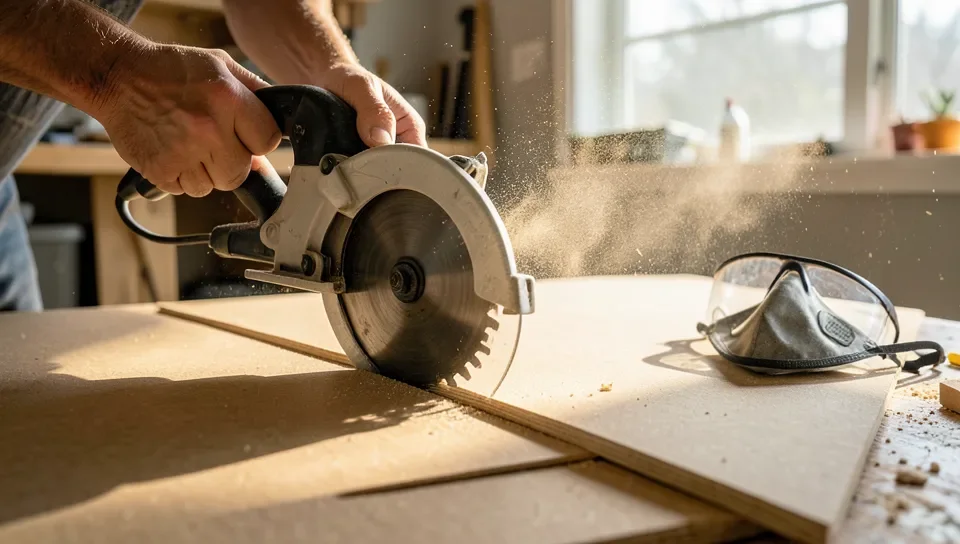
That off-gassing gets dramatically worse when the board is disturbed. Cutting, routing, or sanding MDF releases both fine wood dust and a concentrated burst of formaldehyde vapor from the exposed interior, which is why proper ventilation and respiratory protection matter more with MDF than with solid lumber. This isn’t exaggerated internet fear – it’s the exact reason the EPA and California Air Resources Board built formaldehyde emission standards specifically around composite wood products like MDF, plywood, and particleboard.
Best For Cutting/Sanding MDF Safely
 |
3M P100 / OV/AG Multi-Purpose Reusable Respirator 62023 – $37.25 A basic dust mask only filters particles – it does nothing for formaldehyde vapor. This half-facepiece respirator pairs P100 particulate filters with organic-vapor/acid-gas cartridges, which is the combination actually rated for MDF dust and off-gassing.
|
CARB Phase 2 and TSCA Title VI: The Regulation Most “MDF Is Bad” Articles Skip
Here’s the part that gets left out of a lot of one-sided articles: MDF sold in the United States today isn’t unregulated. Since June 2018, composite wood panels and finished products containing MDF, particleboard, or hardwood plywood manufactured or imported into the US must be third-party certified compliant with EPA TSCA Title VI or the equivalent California Air Resources Board (CARB) Phase 2 formaldehyde emission standard. Since 2018, TSCA Title VI is essentially the nationwide version of CARB Phase 2, so the two labels mean roughly the same thing no matter where you buy. Since March 2019, compliant products must carry a label saying so.
That doesn’t mean modern MDF releases zero formaldehyde – it means the emission ceiling is far lower than it was for older stock, and manufacturers have to prove it through certified testing rather than just claiming it. If you’re buying MDF or MDF furniture, checking for a CARB Phase 2 / TSCA Title VI compliance label (or asking the retailer directly) is the single most useful thing you can do to reduce your actual exposure – more useful than avoiding MDF altogether. This is also worth checking if you’re weighing MDF cabinets against solid wood for a kitchen or bathroom build, since cabinets sit in an occupied room for years.
The Sustainability Case for MDF: Recycled Wood Fiber
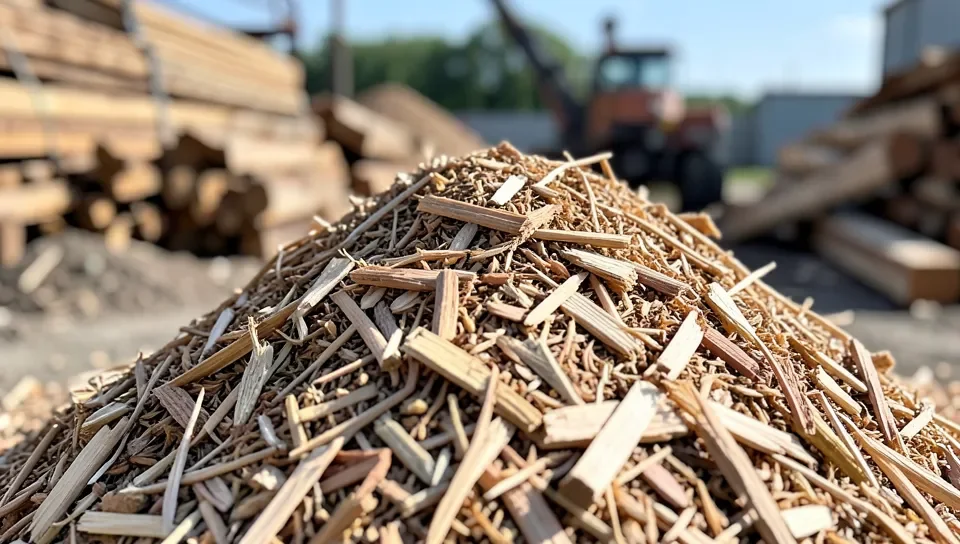
MDF has a genuine sustainability upside that fear-focused articles usually skip entirely: a large share of the wood fiber that goes into it comes from sawmill residues, wood chips, and recycled fiber rather than freshly harvested trees cut specifically for the purpose. Manufacturers use material that would otherwise be waste – offcuts, thinnings, and low-grade wood unsuitable for lumber – and turn it into a usable building material. That’s a genuinely different profile than, say, harvesting old-growth timber for solid-wood furniture.
This doesn’t cancel out the formaldehyde and end-of-life concerns below – both things are true at once. But it’s a real nuance: MDF is, at least in part, a waste-wood recycling product, not purely a virgin-timber product.
Carbon Footprint: How MDF Compares to Other Materials
According to figures published by the European Panel Federation, MDF carries an embodied carbon footprint of roughly 0.55 to 0.85 kg of CO2 per kilogram of material produced – lower than steel, aluminum, and plastic-based furniture materials on a like-for-like basis. Manufacturing MDF is still energy-intensive (pressing wood fiber into dense panels takes real heat and pressure), but the carbon math still generally favors it over metal or plastic substitutes for the same furniture or cabinetry application.
End-of-Life: Why MDF Is Hard to Recycle or Dispose Of
This is where MDF’s environmental case gets genuinely weaker, and it’s not exaggerated. The same resin binder that holds MDF fibers together also makes it very difficult to recycle – standard recycling equipment for wood struggles to separate the resin from the fiber, and the process is expensive enough that most facilities simply don’t offer it. Painted, laminated, or veneered MDF (which describes most furniture-grade MDF) is even harder to recycle, since the finish has to be stripped first.
Unlike solid wood, MDF doesn’t biodegrade in any reasonable timeframe once it’s in a landfill – the resin binder resists the natural decomposition that untreated lumber undergoes. In practice, most MDF that reaches the end of its useful life is landfilled rather than recycled or composted, which is the most legitimate “MDF is bad for the environment” argument that holds up.
How to Reduce MDF’s Environmental Impact in Your Own Shop
A few practical choices make a real difference if you’re already working with MDF:
- Buy CARB Phase 2 / TSCA Title VI-compliant board – check the label or ask the supplier before buying, not after.
- Cut and sand outdoors or with dust collection running – this is when formaldehyde exposure and airborne dust both spike.
- Wear a respirator rated for organic vapor, not just a paper dust mask – a dust mask stops particles but does nothing for formaldehyde gas.
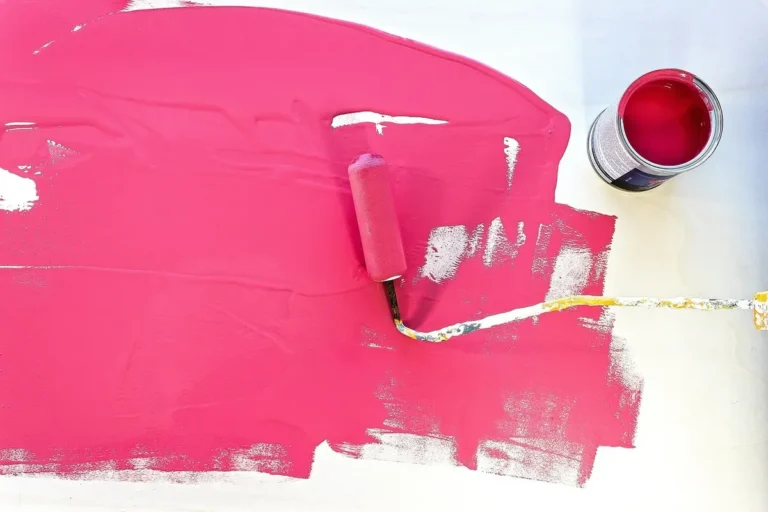
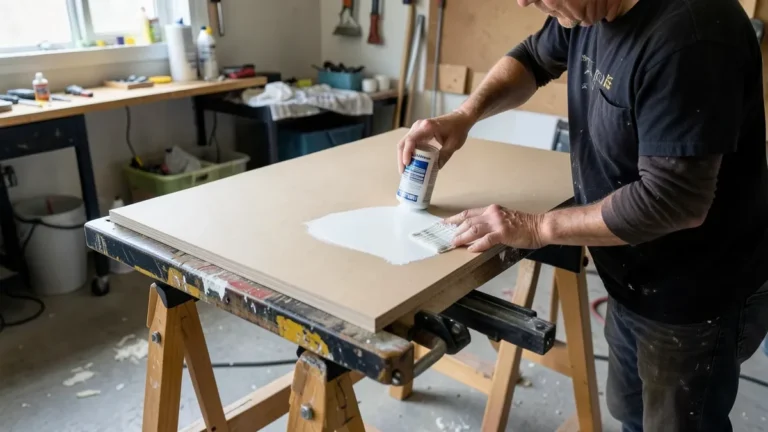
- Seal every cut edge with primer or paint. Properly priming MDF is one of the most effective ways to cut down on ongoing off-gassing, since raw exposed edges off-gas more than a sealed, finished surface.
- Choose reclaimed wood or solid lumber for projects where MDF’s stability isn’t actually needed – it’s not the right material for every job.
Frequently Asked Questions
Is MDF Actually Bad for the Environment?
It’s mixed, not one-sided. MDF uses a formaldehyde-based resin that off-gasses and is difficult to recycle at end of life, which are real downsides. But it’s also often made largely from recycled wood fiber and sawmill waste, has a lower carbon footprint than steel or plastic alternatives, and modern MDF sold in the US must meet CARB Phase 2 / TSCA Title VI formaldehyde emission limits.
Does Modern MDF Still Contain Formaldehyde?
Yes, most standard MDF still uses a urea-formaldehyde resin binder. What’s changed is the emission ceiling: since 2018, MDF manufactured or sold in the US must be certified compliant with EPA TSCA Title VI or CARB Phase 2, which sets a much lower formaldehyde emission limit than was legally required in earlier decades.
Can MDF Be Recycled?
Technically yes, but in practice it’s rare. The resin binder makes it difficult to separate from the wood fiber using standard recycling equipment, and painted or laminated MDF has to be stripped first. Most facilities don’t offer MDF recycling, so the majority ends up in landfill.
Is MDF Made From Recycled Wood?
A significant portion of it, yes. MDF manufacturers commonly use sawmill residues, wood chips, and other recycled or waste wood fiber rather than timber harvested specifically for the purpose, which is a genuine sustainability positive compared to virgin-timber materials.
Bottom Line
MDF isn’t the unregulated environmental hazard some articles describe, and it isn’t a guilt-free green material either. The formaldehyde and disposal concerns are real – so is the recycled-fiber content and the lower carbon footprint versus metal or plastic. If you’re using MDF, buy CARB Phase 2 / TSCA Title VI-compliant board, protect yourself with real ventilation and the right respirator when cutting it, and seal the edges once it’s built. That’s the actual, balanced way to reduce its impact – not avoiding it outright, and not ignoring the risk either.
Sponsored / affiliate links. As an Amazon Associate I earn from qualifying purchases. I may earn additional commission from eligible campaigns.