How to Repaint MDF Furniture Without Chipping or Peeling
To repaint MDF furniture without chipping or peeling: clean and degrease the piece, scuff-sand the surface, seal any cut/exposed edges, prime with a bonding primer, and apply two thin coats of a durable enamel paint. The step people skip most is checking whether the piece is actually raw MDF or a melamine/laminate-wrapped MDF – the wrong primer for that surface is the single biggest cause of paint failure.
This guide covers freestanding MDF furniture – dressers, tables, shelving, headboards, and similar pieces. If you’re repainting built-in cabinetry specifically, see our dedicated guides to repainting MDF cabinets and painting MDF cabinet doors, which cover the cabinet-specific hinge and hardware considerations this one doesn’t.
First, Identify What You’re Actually Painting
Best Bonding Primer for Laminate or MDF Furniture
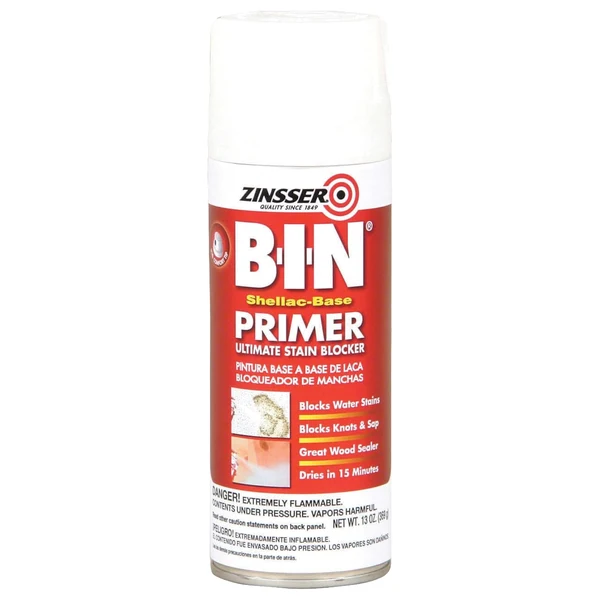 |
Zinsser B-I-N Shellac-Based Primer Spray, 13 oz – $19.39 Bonds to slick laminate and melamine surfaces that a standard MDF primer won’t grip, which is exactly where most furniture repaints fail.
|
This is the step most guides skip, and it’s the reason a lot of MDF furniture repaints fail within months. A huge share of budget flat-pack furniture (dressers, bookcases, nightstands from big-box and online retailers) isn’t raw or pre-painted MDF at all – it’s MDF core wrapped in a thin melamine or PVC foil laminate. That laminate looks like painted MDF but behaves completely differently under new paint.
- Raw or factory-painted MDF: has a slightly porous, matte surface. A fingernail scratch in an inconspicuous spot will dig into the material rather than just scuffing a coating.
- Melamine or laminate-wrapped MDF: has a hard, slick, almost plasticky surface. A fingernail scratch just glides across it. Corners and edges often show a thin visible seam where the laminate wraps around, or a slightly different texture at cut edges.
A standard MDF or stain-blocking primer is formulated to soak into and seal porous fiber – it doesn’t chemically bond well to slick laminate, and paint over it will peel in sheets within weeks, usually starting at corners and edges where the piece gets bumped. Laminate needs a dedicated bonding primer (a shellac-based primer like Zinsser B-I-N, or a purpose-made adhesion primer) that’s formulated to grip a non-porous surface, applied after a thorough deglossing sand rather than a light scuff.
Seal Every Cut and Exposed Edge
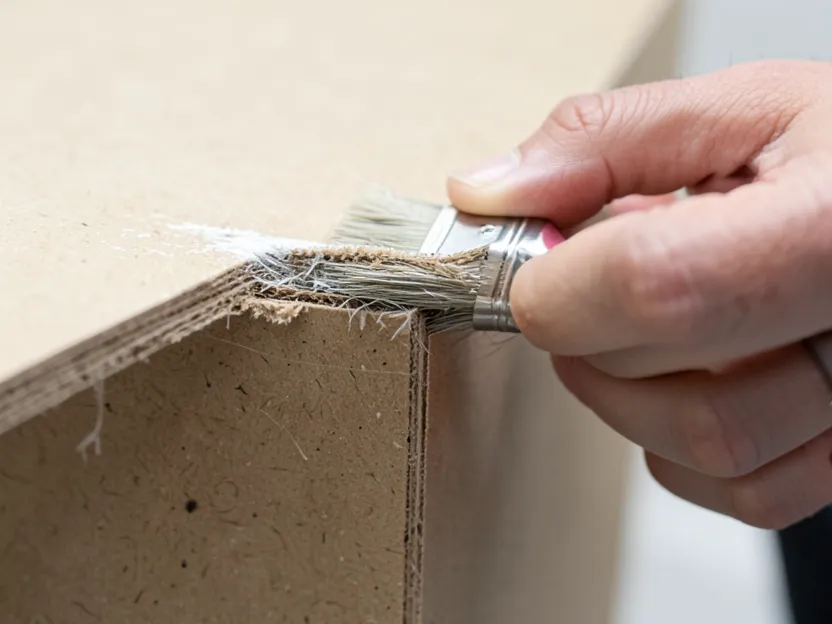
Furniture takes more edge exposure than built-in cabinetry – drawer fronts, table edges, shelf ends, and decorative profile cuts on dressers and headboards all expose the raw fiber core, even on furniture that arrived with a factory finish everywhere else. MDF’s edges are far more absorbent than its faces, since the compressed fiber is cut rather than sealed there. An unsealed edge will soak up primer and paint unevenly, swell slightly with ambient humidity, and telegraph as a faint fuzzy ridge through the topcoat – often the first place a repaint visibly fails.
Before priming, run a thin coat of edge sealer or diluted wood glue (roughly 3 parts glue to 1 part water) along every cut edge with a small brush, let it dry completely, then sand it smooth. This one extra step does more for a lasting finish on furniture specifically than almost anything else in this guide, precisely because furniture has so much more exposed edge than flat cabinet doors do.
Full Repaint Process
- Remove hardware. Knobs, pulls, hinges, and any hanging hardware come off completely – painting around them leaves visible unpainted rings once they’re removed later.
- Clean and degrease. Wipe the entire piece with a mild soap or degreaser solution, rinse with a barely-damp cloth, and let it dry fully. Skipping this leaves an invisible film that keeps primer from bonding, regardless of how well you sand afterward.
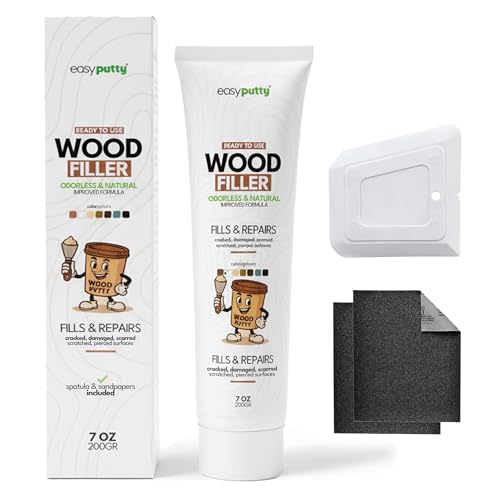
- Repair damage. Fill dents, gouges, and screw holes with wood filler, slightly overfilled since it shrinks as it cures, then sand flush once dry.
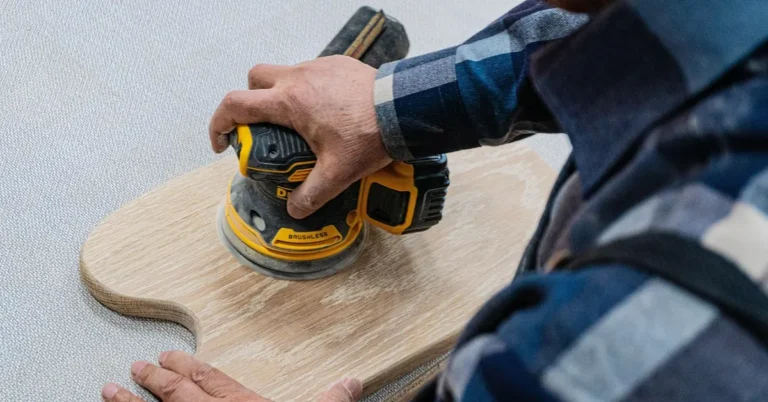
- Scuff-sand every surface. 120-150 grit across the whole piece is enough for raw or already-painted MDF; laminate surfaces need a more thorough scuff since there’s no porous fiber underneath for primer to grip mechanically. Follow with 180-220 grit to knock down scratches, then wipe with a tack cloth.
- Seal exposed edges as described above, and let that cure fully before moving on.
- Prime. A bonding/stain-blocking primer for raw or painted MDF, or a shellac-based bonding primer for laminate surfaces. Two thin coats beat one thick one – light sand with 220-grit between coats.
- Paint. Two thin, even coats of a durable enamel (a cabinet-and-trim-rated enamel holds up to furniture-level bumps and cleaning far better than a wall paint), applied with a foam roller on flat areas and an angled brush on edges and profiles. Let each coat cure fully – check the can, but plan on several hours minimum between coats.
Why Furniture Chips More Than Cabinets
Built-in cabinetry stays put once installed. Furniture gets moved – across a room, up a flight of stairs, into a moving truck – and corners take real impacts that a cabinet door rarely experiences. Two things reduce chip risk on pieces that will actually get moved:
- A harder topcoat. Cabinet-and-trim enamel cures to a noticeably more impact- and scuff-resistant film than a standard wall or furniture craft paint, which matters more here than on a stationary cabinet.
- Full cure time before use. Most enamels feel dry to the touch within hours but need one to several weeks to reach full hardness. Furniture that gets loaded and moved before that cure window is up is far more likely to chip at the corners than a cabinet door that just sits closed.
Frequently Asked Questions
How do I know if my furniture is real MDF or laminate-wrapped MDF?
Check an inconspicuous spot with a fingernail. Raw or painted MDF has a slightly porous surface a fingernail can dig into; laminate is hard and slick and a fingernail just glides across it. Cut edges are another tell – laminate often shows a visible wrap seam or a different texture where it’s been cut to size.
Why does paint peel off MDF furniture in sheets?
This almost always means the primer didn’t bond to the surface underneath – most often because the furniture is actually a laminate-wrapped MDF and got a standard MDF primer instead of a bonding primer made for slick, non-porous surfaces.
Do I need to seal MDF edges before painting furniture?
Yes, on any cut or exposed edge. MDF edges absorb moisture and paint far more than the faces do, and an unsealed edge often shows as a fuzzy ridge through the topcoat, usually the first visible sign of a failing repaint.
How long should painted MDF furniture cure before moving it?
Most enamels are dry to the touch within hours but need one to several weeks to fully harden. Moving or loading the piece before that cure window closes is the most common reason freshly painted furniture chips at the corners.
Sponsored / affiliate links. As an Amazon Associate I earn from qualifying purchases. I may earn additional commission from eligible campaigns.