Best Way to Remove Peeling Paint: Easy & Effective Techniques
Peeling paint can make your walls look old and neglected, and it’s frustrating when your hard work to keep your home beautiful starts to fall apart. You want a solution that’s quick, effective, and doesn’t damage your surfaces.
What if you could remove that peeling paint smoothly and prepare your walls perfectly for a fresh coat? You’ll discover the best way to remove peeling paint so your space looks flawless and stays that way longer. Keep reading, because the secret to a smooth, lasting finish is easier than you think.
Causes Of Peeling Paint
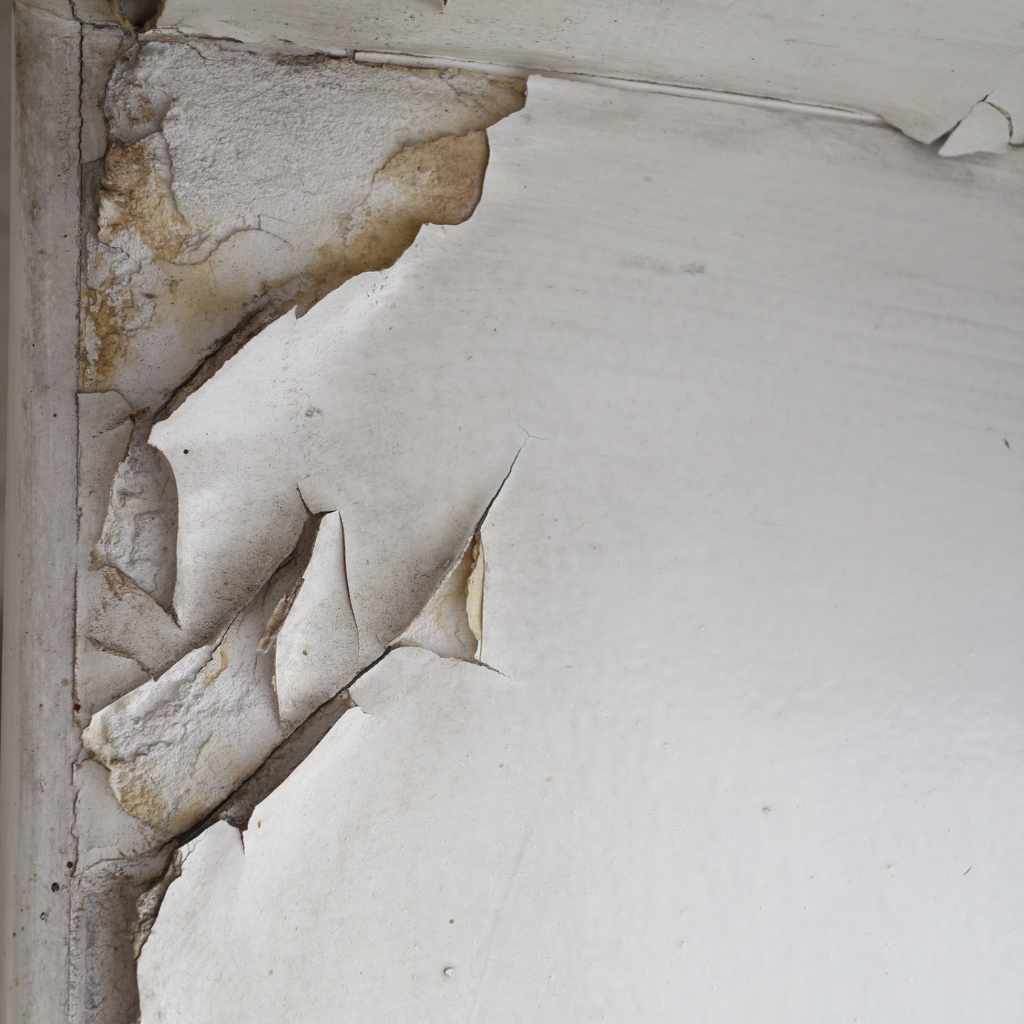
Peeling paint is a common problem in many homes. Understanding why paint peels helps to fix it properly. Paint can peel for several reasons. Knowing these causes can save time and money. Below are the main causes of peeling paint.
Moisture Issues
Moisture is a top cause of paint peeling. Water can come from leaks, humidity, or poor ventilation. When water gets under the paint, it breaks the bond. Paint loses grip and starts to peel away. Fixing moisture problems stops paint from peeling again.
Poor Surface Preparation
Paint needs a clean, dry surface to stick well. Dirt, dust, or old loose paint causes poor adhesion. Skipping sanding or primer also leads to peeling. Proper surface preparation is key for long-lasting paint.
Low-quality Paint
Cheap or old paint often peels faster. Low-quality paint lacks strong binding agents. It cannot handle weather changes or wear. Using good-quality paint creates a durable and smooth finish.
Environmental Factors
Sun, wind, and temperature changes affect paint health. Too much sun can dry paint and cause cracks. Cold weather makes paint brittle and easy to peel. Choosing the right paint for your climate helps prevent peeling.
Safety Precautions
Removing peeling paint can be messy and risky. Safety must come first. Protect yourself and others around you. Follow basic safety steps to avoid injuries and health problems.
Protective Gear
Always wear gloves to protect your hands. Use safety goggles to shield your eyes. A dust mask or respirator stops you from breathing harmful dust. Wear long sleeves and pants to cover your skin. Closed shoes keep your feet safe from falling debris.
Ventilation Tips
Work in a well-ventilated area. Open windows and doors to let fresh air in. Use fans to move air outside. Avoid working in small, closed spaces with paint dust. Good airflow reduces the risk of inhaling harmful particles.
Handling Lead Paint
Lead paint is toxic. Test old paint before starting. Use a lead test kit from a hardware store. If lead is present, take extra care. Avoid sanding or scraping dry paint. Wet the paint to reduce dust. Dispose of lead paint waste safely. Keep children and pets away from the work area.
Tools And Materials Needed
Removing peeling paint requires the right tools and materials. Using proper equipment makes the job easier and safer. It also ensures better results and a smooth finish. Here are the essential items you need for this task.
Scrapers And Sandpaper
Scrapers remove loose paint quickly. Choose a metal or plastic scraper with a sharp edge. Sandpaper smooths rough spots and removes small paint flakes. Use medium to fine grit sandpaper for best results. Sanding helps the new paint stick well.
Heat Guns And Chemical Strippers
Heat guns soften paint, making it easy to scrape off. Use a heat gun on low or medium settings. Chemical strippers dissolve paint layers. Apply the stripper with a brush and wait as directed. Always wear gloves and work in a ventilated area for safety.
Primers And Paints
Primers prepare the surface for new paint. They help the paint last longer and prevent peeling. Choose a primer suitable for your surface type. Select high-quality paint for a smooth finish. Use paint designed for the room or outdoor conditions.
Manual Removal Techniques
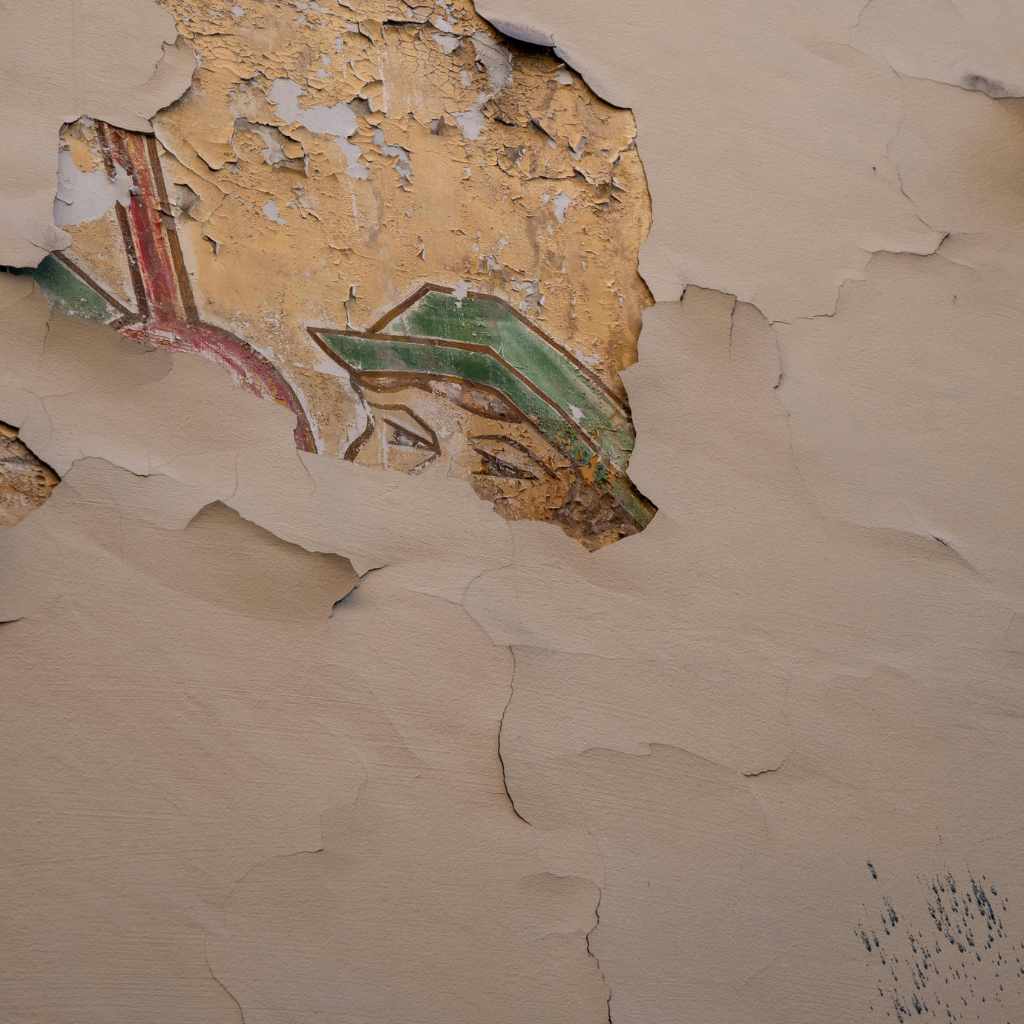
Manual removal techniques are simple and effective for peeling paint. These methods use basic tools and physical effort to remove loose paint. They work well for small to medium areas and help prepare surfaces for new paint. Manual techniques give more control and reduce dust compared to power tools.
Scraping And Sanding
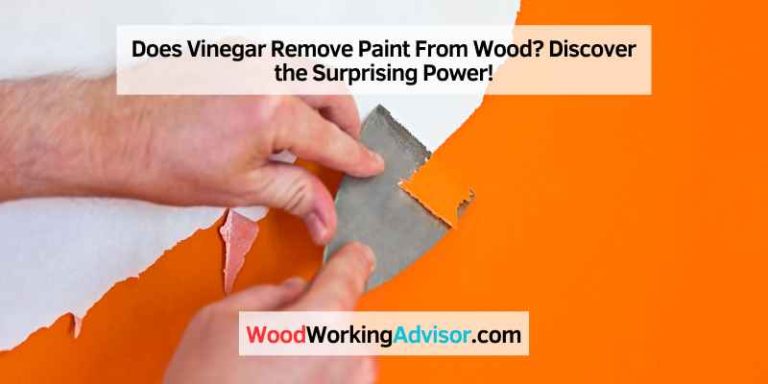
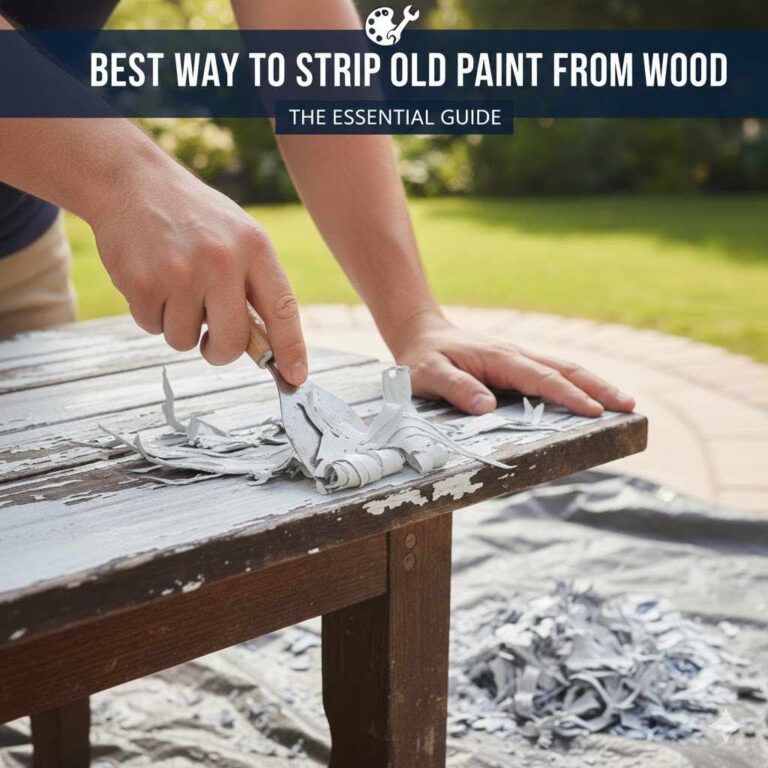
Scraping is the first step in manual paint removal. Use a paint scraper or putty knife to lift and remove peeling paint. Hold the scraper at a low angle for best results. Be careful not to damage the surface beneath the paint.
Sanding smooths rough edges left by scraping. Use medium-grit sandpaper to blend the edges. Sand by hand or with a sanding block. This step creates a smooth base for repainting and improves paint adhesion.
Using Wire Brushes
Wire brushes help remove paint from textured or uneven surfaces. Use a stiff wire brush to scrub off loose paint. Brush in one direction for better control and less damage. Wire brushes also clean dirt and rust from metal surfaces.
Choose wire brushes with soft or medium bristles for wood. Hard bristles may damage soft materials. After brushing, wipe the surface clean to remove dust and debris. This ensures better paint bonding on your next coat.
Chemical Removal Methods
Chemical removal methods offer an effective way to strip peeling paint. These methods use special liquids called paint strippers. They soften the paint, making it easy to scrape off. Chemical removers work well on wood, metal, and masonry surfaces. They save time and effort compared to sanding or scraping alone.
Applying Paint Strippers
First, choose a paint stripper suitable for your surface. Wear gloves and protective eyewear before starting. Apply the stripper with a brush in a thick, even layer. Let it sit for the time stated on the label. The paint will bubble or peel away. Use a plastic scraper to remove the softened paint gently. Avoid metal tools to prevent damage. Clean the surface with water or a recommended solvent after stripping.
Safe Disposal Practices
Dispose of used paint stripper and paint chips carefully. These materials can harm the environment. Collect all waste in a sealed container. Check local regulations for hazardous waste disposal. Never pour chemicals down drains or on soil. Use community hazardous waste programs or designated drop-off points. Proper disposal keeps your home and nature safe.
Heat-based Removal Options
Heat-based removal options provide an effective way to strip peeling paint from surfaces. These methods soften the paint, making it easier to scrape off. Heat tools save time and reduce dust compared to sanding. They work well on wood, metal, and other sturdy materials.
Using Heat Guns
Heat guns blow hot air onto the paint, causing it to bubble and soften. Hold the gun a few inches from the surface. Move it slowly to avoid burning the material. Once the paint bubbles, use a scraper to lift it away. This method works best for thick paint layers. It helps remove paint without damaging the base surface.
Cautions With Heat Removal
Heat can cause burns or fires if not used carefully. Always wear heat-resistant gloves and safety glasses. Work in a well-ventilated area to avoid inhaling fumes. Keep the heat gun moving to prevent scorching the surface. Avoid using heat guns near flammable materials. Follow all safety instructions on the tool’s label.
Surface Preparation After Removal
After removing peeling paint, the next step is surface preparation. This step helps the new paint stick well and last longer. Proper preparation prevents future peeling and keeps the surface smooth.
Cleaning The Surface
Clean the surface to remove dust, dirt, and grease. Use a mild detergent and water solution. Rinse well and let it dry completely. A clean surface helps the primer and paint bond better.
Repairing Damage
Check the surface for cracks, holes, or rough spots. Fill small holes with spackle or wood filler. Sand the area smooth after it dries. Repairing damage creates an even base for painting.
Priming For New Paint
Apply a good-quality primer to the clean, repaired surface. Primer seals the surface and improves paint adhesion. Use a primer suitable for your surface type. Allow the primer to dry fully before painting.
Tips For Long-lasting Paint
Keeping paint fresh and strong takes more than just applying it. Good choices and care matter. These tips help paint last longer on your walls and surfaces. Follow them for better results and less peeling.
Choosing The Right Paint
Pick paint made for your surface type. Some paints suit wood, others work best on metal or walls. Look for weather-resistant paint for outdoor areas. Good quality paint holds color and resists cracking.
Check the paint’s finish. Glossy paints resist dirt and moisture well. Matte paints hide surface flaws but may not last as long outdoors. Choose paint with mold and mildew protection for damp places.
Proper Application Techniques
Prepare the surface before painting. Clean away dirt, grease, and old loose paint. Sand rough spots smooth. This helps paint stick better.
Use a primer first. Primer seals the surface and improves paint grip. Apply paint in thin, even coats. Let each coat dry fully before adding the next. Avoid painting in direct sunlight or extreme temperatures.
Maintenance Advice
Keep painted surfaces clean by washing gently with mild soap and water. Fix small cracks and chips quickly to stop damage. Avoid harsh scrubbing or abrasive tools.
Check paint yearly. Repaint areas showing wear before peeling starts. Proper care extends paint life and keeps surfaces looking fresh.
Frequently Asked Questions
What Is The Best Method To Remove Peeling Paint?
The best method is to scrape off loose paint using a putty knife or scraper. Then, sand the surface smooth. For large areas, use a paint stripper or heat gun carefully. Always wear protective gear and clean the surface before repainting.
How Do I Prepare The Surface After Removing Peeling Paint?
After removing peeling paint, clean the surface thoroughly with a damp cloth. Repair any cracks or holes with filler. Sand the area to create a smooth base. Finally, apply a primer to ensure proper adhesion of the new paint.
Can I Remove Peeling Paint Without Sanding?
Yes, you can remove peeling paint without sanding by using chemical paint strippers or a heat gun. These methods soften the paint for easy scraping. However, sanding is recommended for a smoother finish and better paint adhesion.
How To Prevent Paint From Peeling Again?
To prevent peeling, always clean and dry surfaces before painting. Use a high-quality primer and paint suitable for the surface. Avoid painting in extreme temperatures or humidity. Regularly inspect and maintain painted surfaces to address issues early.
Conclusion
Removing peeling paint requires patience and the right tools. Start by scraping gently to avoid damage. Sand the surface smooth to help new paint stick well. Clean the area to remove dust and dirt. Choose quality paint to protect and brighten your walls.
Taking these steps ensures a long-lasting finish. Keep your space looking fresh and well-maintained. Simple care makes a big difference in your home’s appearance. Try these tips for a neat, smooth paint job every time.