Bing Cherry vs Black Cherry: Taste, Uses, and Nutrition
Picture this: a summer picnic, a bowl overflowing with vibrant red fruit, and you’re wondering if the sweet, juicy cherries you’re popping into your mouth are the same as the darker ones your neighbor grows. Many of us enjoy cherries without fully appreciating the subtle differences between popular varieties. This post will clear up the confusion, helping you pick the perfect cherry for your needs.
You’ll learn to distinguish between Bing Cherry vs Black Cherry: Taste, Uses, and Nutrition, making your next grocery trip and culinary creations much more informed and enjoyable.
Bing Cherry vs Black Cherry Taste Uses Nutrition
Cherries are a beloved fruit, enjoyed for their sweet or tart flavors and vibrant colors. When we talk about cherries, two names often come up: Bing cherries and black cherries. While they share a family resemblance, these varieties offer distinct experiences in terms of taste, culinary applications, and nutritional profiles.
This exploration will help you understand their unique characteristics, allowing you to make informed choices whether you’re snacking, baking, or seeking specific health benefits.
What Are Bing Cherries?
Bing cherries are arguably the most well-known sweet cherry variety in North America. Developed in Oregon in the late 19th century, they quickly became a favorite due to their desirable qualities. Their popularity means they are readily available in most grocery stores during cherry season.
Appearance and Texture
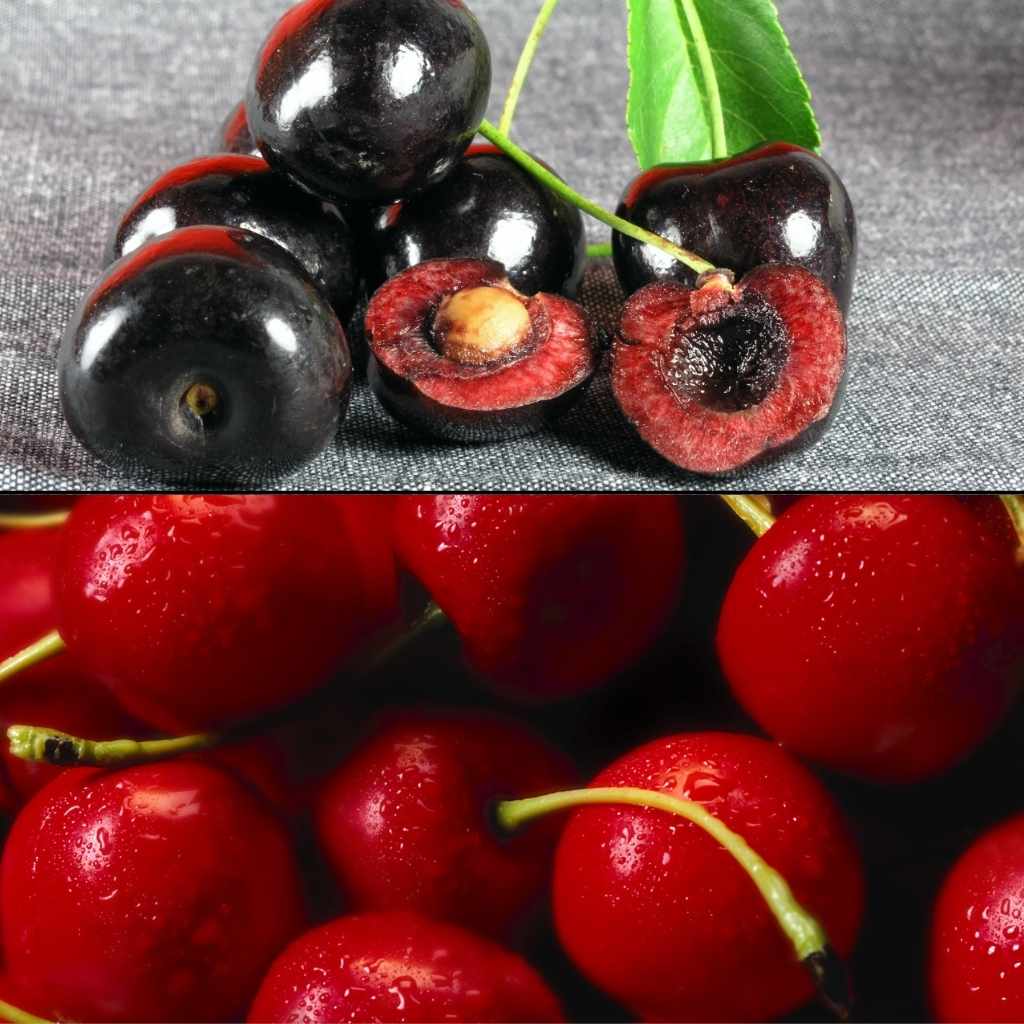
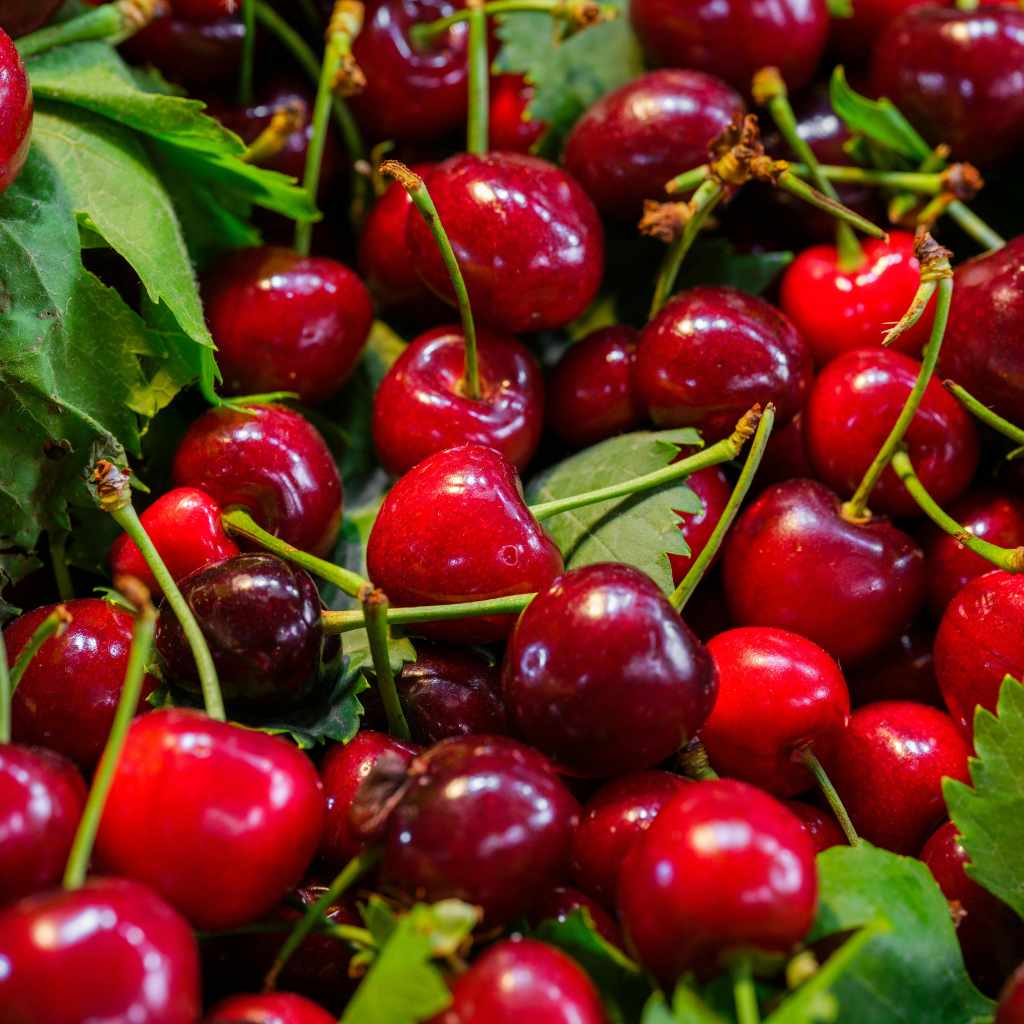
Bing cherries are typically large and heart-shaped with a deep red to almost black skin when ripe. Their flesh is firm, juicy, and a rich crimson color. The texture is satisfyingly crisp, offering a pleasant bite that makes them ideal for eating fresh.
Flavor Profile
The taste of a Bing cherry is its most celebrated feature. They are known for their intense sweetness with a balanced hint of tartness, creating a well-rounded and delightful flavor. This sweetness is what makes them perfect for enjoying straight from the bowl.
Growing Conditions
Bing cherries thrive in temperate climates with sufficient chill hours during winter. They require well-drained soil and plenty of sunlight. While they are widely cultivated, they can be susceptible to certain pests and diseases, requiring careful orchard management.
What Are Black Cherries?
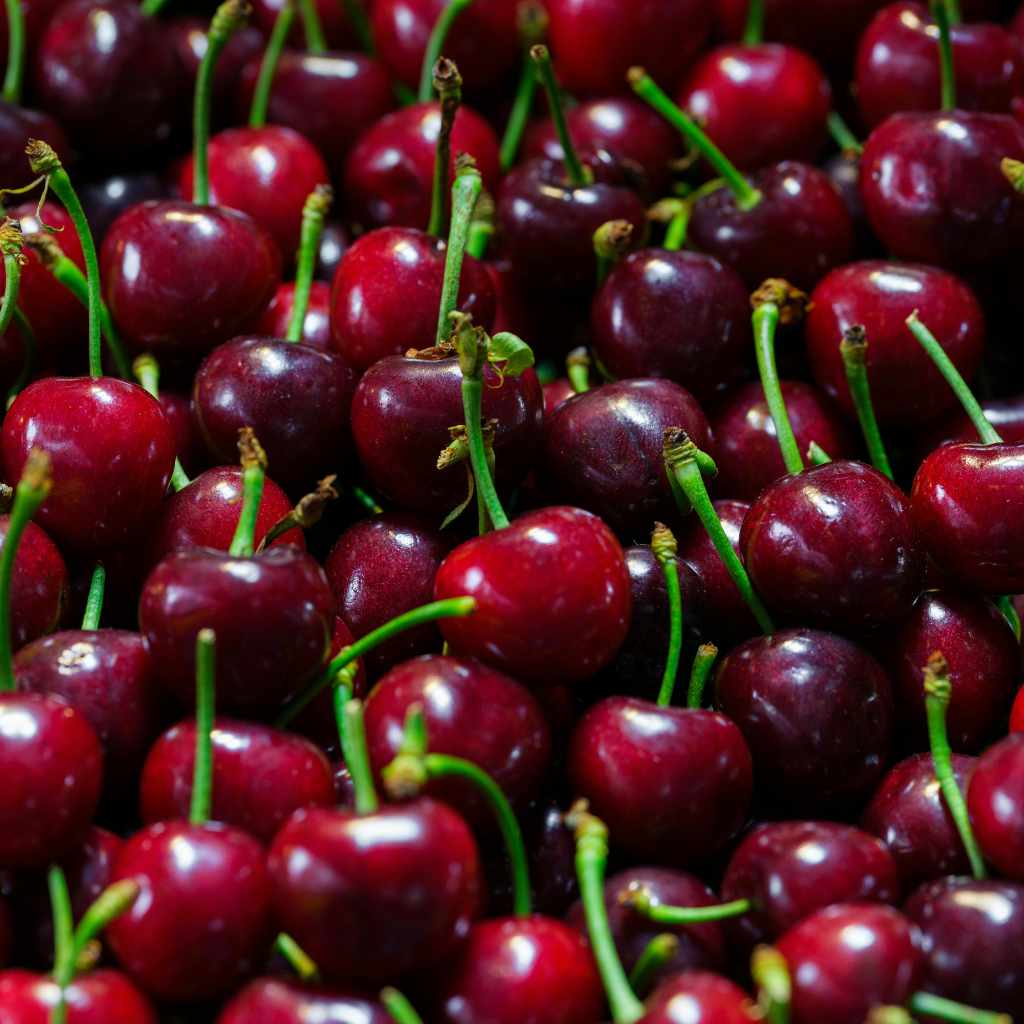
The term “black cherry” can be a bit broader, often referring to varieties that are darker in color and can include both sweet and tart types. However, when people refer to “black cherries” in contrast to Bing cherries, they are usually thinking of varieties like Lambert, Rainier (though often lighter), or even the wild black cherry. For the purpose of this comparison, we will focus on darker, sweet varieties that are commonly found alongside Bings, as well as acknowledge the existence of tart black cherries.
Appearance and Texture
Darker sweet black cherries, like Lamberts, often share a similar deep red to black coloration as Bings. They tend to be slightly smaller and may have a softer flesh compared to Bings. Tart black cherries, on the other hand, are almost always a very dark red or black and have a firmer texture, though this can vary.
Flavor Profile
Sweet black cherry varieties can offer a flavor profile similar to Bings, often very sweet with deep, rich undertones. Some might have a slightly more complex flavor. Tart black cherries, as their name suggests, are intensely sour, making them less ideal for fresh eating but excellent for cooking and baking.
Varieties and Characteristics
There are many cultivars that fall under the “black cherry” umbrella. Some popular sweet varieties include Lambert and Chelan. Tart varieties, such as the wild black cherry (Prunus serotina), are native to North America and have a distinctively different use profile, often processed rather than eaten fresh.
Bing Cherry vs Black Cherry Taste Comparison
The primary distinction often comes down to sweetness and depth of flavor. Bing cherries are renowned for their consistent, vibrant sweetness that appeals to a broad audience. They offer a straightforward, delicious sweet cherry experience.
Darker sweet black cherry varieties can sometimes offer an even richer, more complex sweetness, with notes that might be described as deeper or more wine-like. The tartness in Bings is generally more subtle, providing a refreshing balance. If you encounter a genuinely tart black cherry, the difference in taste will be dramatic, with sourness dominating.
Bing Cherry vs Black Cherry Uses
Both Bing and darker sweet black cherries are incredibly versatile, but their subtle differences can influence their best uses.
Fresh Eating
Bing cherries excel as a snack. Their large size, firm texture, and perfect balance of sweet and tart make them a top choice for eating out of hand. Their juiciness is also a big plus.
Many darker sweet black cherries are also excellent for fresh eating, offering a similar experience to Bings, sometimes with a more intense flavor that some people prefer.
Baking and Desserts
Both varieties hold up well in baked goods. Their sweetness means you might need less added sugar in pies, tarts, and cobblers. Bing cherries are a classic choice for cherry pie.
Darker sweet cherries can also be used similarly, contributing a rich color and flavor to baked treats. If using tart black cherries for baking, they are exceptional because their intense sourness provides a wonderful contrast to sugar, creating a more complex flavor in pies and pastries. They are often preferred for pies that benefit from a noticeable tartness.
Jams and Preserves
The high sugar content of Bing cherries makes them suitable for jams. Their flavor intensifies beautifully when cooked down. Darker sweet cherries can also be used for jams and preserves, offering a similar rich flavor.
Tart black cherries are fantastic for jams and jellies, as their natural tartness creates a more complex and less cloyingly sweet product. Their pectin content is often higher, leading to better set.
Beverages and Sauces
Both sweet varieties can be used to create flavorful cherry juices, liqueurs, and sauces for desserts or savory dishes. The deep color of dark cherries adds visual appeal to any beverage or sauce. Tart black cherries are particularly prized for making rich, intensely flavored sauces and syrups that pair wonderfully with meats like duck or pork, or as a topping for ice cream.
Comparison Table: Uses
| Use | Bing Cherry | Dark Sweet Black Cherry | Tart Black Cherry |
|---|---|---|---|
| Fresh Eating | Excellent, sweet and juicy | Excellent, often richer flavor | Less common, very sour |
| Baking (Pies, Tarts) | Very Good, classic choice | Very Good, similar to Bing | Excellent, best for tart pies |
| Jams and Preserves | Good, sweet flavor | Good, rich flavor | Excellent, balanced flavor |
| Sauces and Syrups | Good, adds sweetness | Good, adds color and flavor | Excellent, intense flavor |
| Beverages | Good, for sweet juices | Good, for rich juices | Excellent, for unique flavors |
Bing Cherry vs Black Cherry Nutrition
Cherries, in general, are powerhouses of nutrients. Bing cherries and darker sweet black cherries share many similarities in their nutritional makeup, with variations often coming down to specific cultivars and ripeness.
Key Nutrients
Both Bing and darker sweet black cherries are good sources of Vitamin C, an important antioxidant that supports the immune system. They also contain dietary fiber, which is beneficial for digestive health. Additionally, they provide potassium, which plays a role in blood pressure regulation.
Antioxidants and Phytonutrients
Cherries are particularly rich in antioxidants, including anthocyanins. These are the pigments that give cherries their vibrant red and dark colors. Anthocyanins have been studied for their anti-inflammatory properties and potential benefits in reducing the risk of chronic diseases.
Bing cherries and darker sweet varieties both boast high levels of these beneficial compounds.
Comparison Table: Nutrition (per 100g, approximate)
| Nutrient | Bing Cherry | Dark Sweet Black Cherry |
|---|---|---|
| Calories | 63 | 63 |
| Carbohydrates (g) | 16 | 16 |
| Fiber (g) | 2.1 | 2.1 |
| Sugars (g) | 13 | 13 |
| Vitamin C (mg) | 7 | 7 |
| Potassium (mg) | 173 | 173 |
| Anthocyanins | High | High (potentially higher in very dark varieties) |
Tart black cherries may have a slightly different nutritional profile, particularly in sugar content, which will be lower due to their tartness. However, they are still rich in the same beneficial antioxidants.
Choosing the Right Cherry
The choice between Bing cherries and other black cherry varieties often comes down to your personal preference and intended use. For snacking, the sweet and juicy nature of a Bing is hard to beat. If you’re seeking a slightly deeper, more intense sweet cherry flavor, explore other dark sweet varieties.
When baking, consider if you want a classic sweet cherry pie or one with a more pronounced tartness that only a true tart black cherry can provide.
Health Benefits of Cherries
Beyond their delicious taste, cherries offer several health advantages. The high antioxidant content, particularly anthocyanins, may help reduce inflammation, which is linked to various health issues like arthritis and heart disease. Some studies suggest that regular consumption of cherries may aid in muscle recovery after exercise and improve sleep quality due to their natural melatonin content.
Where Do Bing Cherries Come From?
Bing cherries originated in the United States, specifically in Milwaukie, Oregon, thanks to botanist Seth Lewelling. They were named after Ah Bing, a Chinese farm laborer who helped develop and cultivate the variety. Today, Bing cherries are grown in major cherry-producing regions, including Washington, California, and Oregon in the US, as well as in British Columbia, Canada.
Are Black Cherries Healthier Than Bing Cherries?
Both Bing cherries and darker sweet black cherries are packed with beneficial nutrients and antioxidants. It’s difficult to definitively say one is “healthier” than the other, as nutritional content can vary slightly between cultivars and growing conditions. However, very dark cherries, whether Bing or other varieties, tend to have higher concentrations of anthocyanins due to their deep pigment.
Tart black cherries, while less sweet, are still rich in these same beneficial compounds and offer a different nutritional balance due to their lower sugar content.
Frequently Asked Questions
Question: What is the main difference in taste between Bing cherries and black cherries?
Answer: Bing cherries are known for their classic, balanced sweetness with a hint of tartness. Darker sweet black cherries often offer a similar profile, sometimes with a deeper, richer flavor. Tart black cherries are distinctly sour and are not typically eaten fresh.
Question: Which type of cherry is better for pies?
Answer: Both Bing and darker sweet black cherries are excellent for pies, contributing sweetness. However, tart black cherries are often preferred by bakers for pies as their natural sourness provides a wonderful contrast to sugar, creating a more complex flavor.
Question: Can I eat black cherries straight from the tree?
Answer: If you are referring to sweet black cherry varieties, then yes, they are delicious to eat fresh. If you mean tart black cherries, they are edible but very sour and typically used in cooking or making preserves.
Question: Are Bing cherries a type of black cherry?
Answer: Bing cherries are a specific cultivar of sweet cherry that is deep red to nearly black when ripe, so they are often grouped with “black cherries.” However, “black cherry” can also refer to other distinct varieties or even tart cherries.
Question: Which cherry has more antioxidants Bing or Black?
Answer: Both Bing and dark sweet black cherries are rich in antioxidants like anthocyanins. Very dark cherries, regardless of specific cultivar name, generally have higher antioxidant levels due to their intense pigmentation.
Final Thoughts
Exploring the differences between Bing cherry and black cherry varieties reveals a spectrum of delightful flavors and versatile culinary applications. Bing cherries stand out for their iconic sweetness and juicy texture, making them a prime choice for straightforward snacking and general baking. Other dark sweet black cherries often echo this appeal, sometimes offering a more intense or complex sweet profile that many connoisseurs appreciate.
The distinction becomes most pronounced when considering tart black cherries, which, while less common for fresh consumption, are invaluable in the kitchen for creating pies and sauces with a vibrant, tangy character that balances sweetness beautifully. Nutritionally, both Bing and sweet black cherries are champions of flavor and health, delivering valuable antioxidants like anthocyanins that contribute to their vibrant colors and potent wellness benefits. Ultimately, the best cherry is the one that suits your taste buds and your recipe.
Whether you’re enjoying a simple handful or transforming them into a culinary masterpiece, there’s a cherry variety perfect for the occasion. So next time you’re at the market, consider the subtle nuances and choose the cherry that speaks to you, encouraging you to experiment and savor the distinct pleasures each offers.