Birch vs White Oak: Janka Hardness, Grain & Best Uses Compared
White oak rates 1,360 lbf on the Janka hardness scale versus birch’s 1,260 lbf – close enough that hardness alone shouldn’t decide it. The real difference that should: white oak’s closed grain structure makes it naturally water-resistant (it’s the wood whiskey barrels are made from), while birch is a more affordable, easier-to-work wood best suited to painted furniture and lower-traffic pieces.
Both are legitimate hardwood choices, and the “which is better” framing misses the point – they’re suited to different jobs. Below is a closer look at how they actually compare on grain, hardness, workability, cost, and where each one earns its keep.
Wood Characteristics
BEST SEALER FOR EVEN STAINING ON BIRCH OR OAK
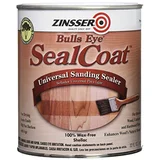 |
Zinsser Bulls Eye SealCoat Sanding Sealer – $21.99 A dewaxed-shellac universal sanding sealer that evens out absorption on blotch-prone woods like birch before staining.
|
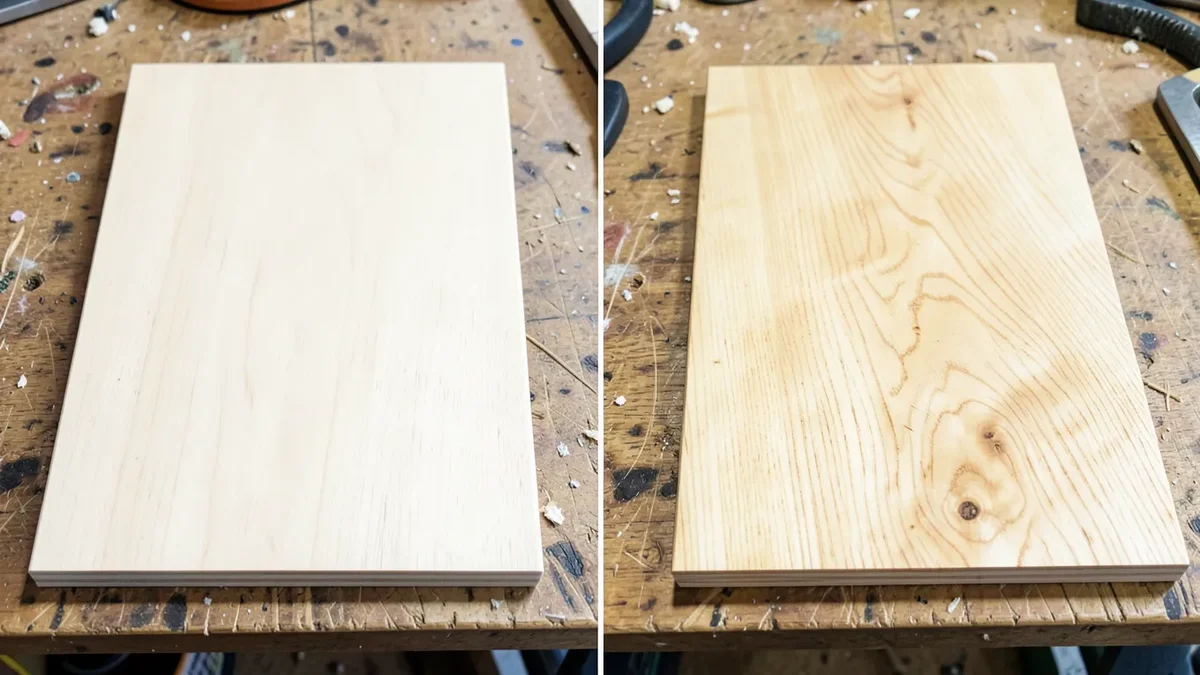
The clearest way to tell birch and white oak apart at a glance is the grain – birch is nearly featureless up close, while white oak has some of the most recognizable figure of any domestic hardwood.
Grain Patterns
Birch has a fine, tight, mostly straight grain with little visual texture – it’s a diffuse-porous wood, meaning its pores are small and evenly distributed rather than concentrated in rings. White oak is ring-porous with prominent medullary rays, which is what produces the long flecks and “tiger stripe” figure you see on quartersawn white oak specifically – that same ray structure is also what makes white oak’s pores naturally self-sealing enough to hold liquid, the reason it’s the traditional wood for wine and whiskey barrels.
Color Variations
Birch runs pale cream to light honey-brown with fairly uniform color from board to board, which is part of why it’s a common plywood face veneer – it’s easy to match. White oak ranges wider, from light tan through medium brown with occasional olive or gray undertones, and individual boards can vary more noticeably, so it’s worth buying oak for a single project from the same batch if color consistency matters to you.
Hardness And Durability
On the Janka scale, birch (yellow birch, the species most often sold as “birch” lumber) measures about 1,260 lbf, and white oak measures about 1,360 lbf – oak is harder, but the gap is smaller than most comparisons suggest. For context, red oak sits at 1,290 lbf and hard maple at 1,450 lbf, so both birch and white oak land in the same general durability tier as the other common domestic hardwoods, not in dramatically different classes.
Appearance And Aesthetics
Style, more than performance, usually decides this one – the two woods read as visually distinct even to non-woodworkers.
Natural Look
Birch’s smooth, understated grain suits modern, Scandinavian-influenced, or minimalist interiors where you want wood tone without a lot of visual noise. White oak’s stronger figure and warmer color read as more traditional or “craftsman,” and it’s the wood behind most of the current wide-plank, natural-finish flooring trend precisely because the grain shows through a clear finish so distinctly.
Staining And Finishing Options
Birch is notorious for blotching under stain because its tight, diffuse-porous grain absorbs pigment unevenly – a pre-stain wood conditioner or a dewaxed shellac sanding sealer applied first is close to mandatory if you want an even stained result, not just a nice-to-have step. White oak’s open, ray-heavy grain takes stain much more predictably and is often finished with just an oil or clear coat specifically to let that grain show rather than covering it up.
Workability
Birch is noticeably friendlier to work by hand or with underpowered tools, which matters more than the Janka numbers suggest for anyone without a full shop of sharp, high-horsepower equipment.
Ease Of Cutting And Shaping
Birch cuts and routs cleanly with less tool wear and lower cutting forces, making it a forgiving choice for detailed joinery or anyone working with a benchtop table saw rather than a cabinet saw. White oak’s higher density and open pore structure dull blades faster and benefit from a higher tooth-count blade and slower feed rate to avoid tear-out along the ray flecks.
Sanding And Polishing
Birch’s tight grain sands to a glassy smooth surface quickly with minimal grit progression. White oak’s open pores need to actually be filled (with a paste wood filler) if you want a perfectly flat, pore-free finish – left unfilled, the grain stays slightly textured under the finish, which many people specifically want for the traditional look but is worth knowing before you start.
Applications
Where each wood actually gets used commercially is a good shortcut for where it’ll perform best in your own project.
Furniture Making
Birch plywood is the standard face veneer for painted cabinetry and modern furniture specifically because it’s affordable, sands smooth, and its subtle grain doesn’t telegraph through paint the way oak’s would. Solid white oak is the traditional choice for mission and craftsman-style furniture, where the exposed grain and ray fleck are part of the design language, not something to hide.
Flooring
White oak dominates the current hardwood flooring market for good reason – its hardness and closed-pore water resistance both matter underfoot, and its grain hides the inevitable scuffs and dust of daily foot traffic better than a plainer wood would. Birch flooring exists and is serviceable in a low-traffic bedroom or den, but it dents more visibly and shows wear patterns sooner in a busy household.
Cabinetry
Birch’s smooth, paintable surface and low cost make it the go-to for painted kitchen cabinets nationwide – if you’ve bought stock cabinets from a big-box store, there’s a good chance the boxes are birch plywood regardless of what the doors are. White oak’s warmth and grain suit a natural or lightly stained finish, and its water resistance is a genuine practical advantage near a sink or dishwasher.
Cost And Availability
Budget is often the deciding factor once the aesthetic question is settled, and the gap between these two is real.
Price Comparison
Birch typically runs noticeably cheaper per board foot than white oak, largely because it grows faster and matures for harvest sooner. White oak’s slower growth cycle, higher demand from the flooring and barrel industries, and regional supply constraints keep its price meaningfully higher, particularly for wide, clear boards.
Sourcing And Supply
Birch grows across a wide swath of North America and northern Europe, which keeps mill supply relatively steady. White oak’s range is concentrated in the eastern United States, and rising demand from flooring manufacturers and the bourbon industry (barrel staves) has tightened supply and pushed prices up in recent years – it’s worth checking current lumber yard pricing rather than assuming older cost comparisons still hold.
Maintenance And Longevity
Both woods hold up well long-term with basic care, but their vulnerabilities differ.
Resistance To Wear
White oak’s closed-pore structure resists moisture penetration better, which is why it tolerates the occasional spill or humid environment more gracefully than birch. Birch is more prone to surface denting under point pressure and can show water spotting if a spill sits too long on an unsealed surface.
Care Tips
Dust both with a soft cloth and avoid standing water on either. Birch benefits from a slightly more frequent oil or polish refresh since its tighter grain shows dryness (a dull, chalky look) sooner. Keep both out of direct, prolonged sunlight – birch’s pale color yellows noticeably with UV exposure, and white oak’s tannins can shift tone unevenly if only part of a piece is sun-exposed.
Environmental Impact
Growth rate is the main environmental differentiator between these two species.
Sustainability
Birch’s faster growth cycle means it can be harvested and replanted on a shorter rotation, putting less sustained pressure on a given forest tract. White oak’s slower maturity and current high demand (particularly from flooring and the bourbon barrel industry) make sourcing from a certified, well-managed forest more important, not less.
Eco-friendly Practices
Look for FSC (Forest Stewardship Council) certification on either species as a baseline check that harvesting followed responsible forestry practices. Buying from a regional supplier also cuts transport emissions and, as a side benefit, usually gets you fresher, better-acclimated lumber than material shipped cross-country.
Choosing The Right Wood
Boil it down to two questions: will the piece see moisture or heavy wear, and do you want the grain to show or disappear under paint?
Project Requirements
Choose white oak for flooring, outdoor-adjacent pieces, kitchen or bathroom cabinetry, and anything that needs to shrug off moisture and heavy traffic. Choose birch for painted furniture, cabinet boxes, plywood substrates, and lighter-use pieces where budget matters and the grain doesn’t need to show.
Personal Preferences
If you want a clean, quiet, modern look, birch’s understated grain delivers that more consistently than oak, which almost always reads as more traditional no matter how it’s finished. If you want the wood itself to be the visual feature of a piece, white oak’s ray fleck and color depth give you more to work with, especially under an oil or clear finish that doesn’t hide the grain.
Frequently Asked Questions
What Are The Main Differences Between Birch And White Oak?
Birch has a fine, tight grain and pale, uniform color, while white oak has a bold ray-fleck grain and warmer, more variable color. White oak is slightly harder (1,360 lbf vs. birch’s 1,260 lbf on the Janka scale) and naturally more water-resistant, while birch is easier to work and less prone to tool wear.
Which Wood Is Better For Furniture: Birch Or White Oak?
White oak suits furniture that needs to resist moisture and heavy daily use, and its grain works well left exposed under a clear or oil finish. Birch is the better choice for painted furniture and cabinet boxes, where its smooth surface and lower cost matter more than exposed grain figure.
How Do Birch And White Oak Compare In Cost?
Birch is generally more affordable per board foot thanks to its faster growth cycle and wider availability. White oak costs more, and that gap has widened in recent years as flooring manufacturers and the bourbon barrel industry have both increased demand on a slower-growing species.
Is Birch Or White Oak More Durable For Flooring?
White oak is the better flooring choice – its higher Janka hardness and naturally closed, water-resistant pore structure both hold up better to daily foot traffic and occasional spills than birch does. Birch flooring can work in a lower-traffic room but shows dents and wear sooner in a busy household.
Conclusion
Birch and white oak aren’t really competing for the same job – birch is the affordable, easy-to-work choice for painted furniture and cabinet boxes, and white oak is the harder, naturally water-resistant choice for flooring and furniture that needs to show its grain and take a beating. Match the wood to what the piece actually has to withstand, and either one will serve you well for decades.
\n\n\n\n\nSponsored / affiliate links. As an Amazon Associate I earn from qualifying purchases. I may earn additional commission from eligible campaigns.