Maple Species Hardness Chart: Janka Rating Compared
Hard maple (sugar maple/black maple) is often around the mid-1,000s Janka, while most soft maples are commonly somewhere in the 700 to 1,000 range, so I pay for harder maple when the surface will take wear and choose softer species when easy machining matters more. Get this wrong and a buyer can spend extra on stock the job never needed, or end up with dented floors, bruised tabletops, and short-lived cutting boards. This guide compares maple species by name, explains mixed retail labels, and turns Janka numbers into cabinet, furniture, flooring, and cutting-board choices.
What the Janka hardness test measures and what it misses


How the test works
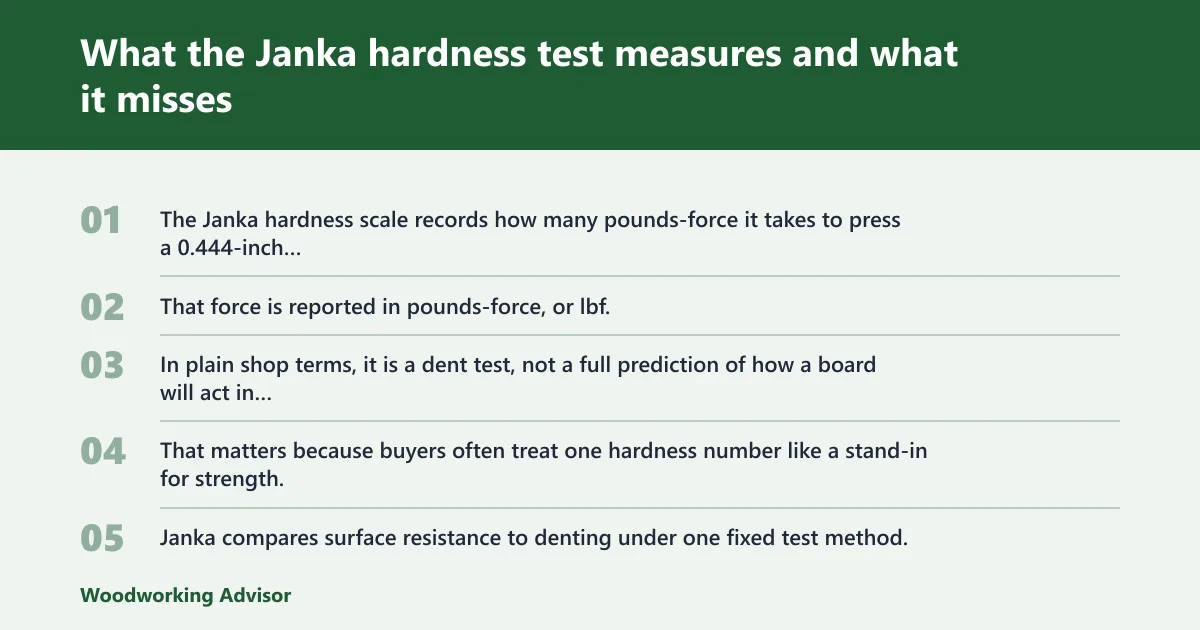
The Janka hardness scale records how many pounds-force it takes to press a 0.444-inch steel ball halfway into a wood sample. That force is reported in pounds-force, or lbf. In plain shop terms, it is a dent test, not a full prediction of how a board will act in every job.
That matters because buyers often treat one hardness number like a stand-in for strength, stiffness, toughness, and lifespan. It is not. Janka compares surface resistance to denting under one fixed test method.
What Janka is good for
For maple selection, Janka is useful because it gives a quick benchmark for surfaces that see dropped tools, chair legs, shoe traffic, and chopping wear. A cabinet face frame, work table edge, or kitchen floor will show the difference between soft maple and hard maple much sooner than a low-contact wall shelf.
Hard maple, usually sugar maple (Acer saccharum), is the benchmark many woodworkers use because it sits at approximately 1,450 lbf. That makes it easy to compare against white oak at 1,360 lbf, yellow birch at 1,260 lbf, and black walnut at 1,010 lbf. (wood-database.com)
What Janka misses
Janka hardness does not tell you how much load a board can carry before it bends, or how stiff it feels as a shelf or table span. It also does not tell a buyer how a wood handles moisture swings, whether it resists decay, or how cleanly it routes through reversing grain. Those are separate questions.
Published ratings come from tested samples and give a useful middle-of-the-pack number, not a guarantee for every board you bring home. Growth conditions, board cut, moisture content, and plain board-to-board variation can shift how one piece behaves next to another from the same stack.
📊 The Janka test uses a 0.444-inch steel ball pressed halfway into wood. Source: Wood Hardness Chart: Janka Ratings for 30 Popular Wood Species.
How hard is hard maple compared with soft maple?
Hard maple is plainly harder than soft maple in real project use. Sugar maple, the usual hard-maple benchmark, sits at about 1,450 lbf, while soft maple is a trade name covering several species that are generally lower. The result is better dent resistance from hard maple, but also slower machining and more tool wear.
Sugar maple as the benchmark
In lumberyard talk, hard maple usually means sugar maple, and sometimes black maple is grouped with it. The benchmark number most shops use is about 1,450 lbf. That is why hard maple shows up so often in flooring, butcher-block tops, bowling lanes, and cutting boards.
What “soft maple” actually means
Soft maple is not one species. It is an umbrella label used for several maple species sold together because they machine and look similar enough for many jobs. Red maple (Acer rubrum) is the common comparison, but silver maple and others may also appear under the same retail tag.
That mixed labeling creates confusion. Two boards both stamped “maple” may have similar pale color and fine grain, yet dent differently, sand differently, and burn at different rates under a router bit.
Why buyers feel the difference in the shop
The jump from soft maple to hard maple is big enough to feel in edge profiling, drilling, and sanding. Hard maple asks for sharper cutters, cleaner feed control, and a little more patience in my shop. Soft maple is often easier to mill cleanly when the project does not need maximum dent resistance.
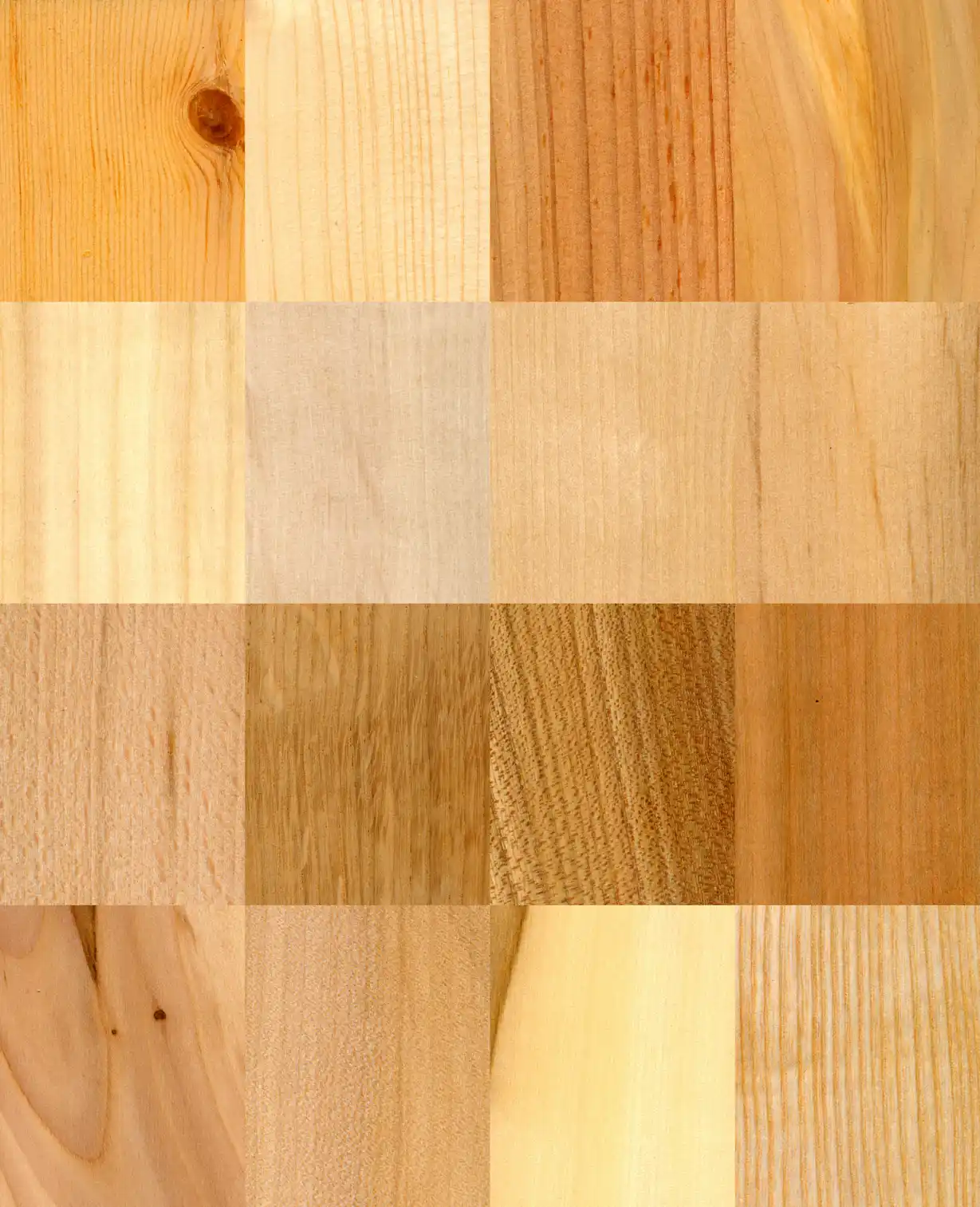
Maple species hardness chart for woodworking decisions
How to read this maple-first chart
The table below keeps the focus on maple species and common maple labels, then translates hardness into shop choices. The Janka column gives the benchmark or practical range. The rest is what matters at the bench: dent resistance, machining effort, likely use, and whether the extra hardness is worth paying for.
| Maple species or label | Janka rating | Typical woodworking use | Dent-resistance tier | Machining difficulty notes | Choose this if… |
|---|---|---|---|---|---|
| Hard maple / sugar maple (Acer saccharum) | 1,450 lbf | Flooring, cutting boards, work surfaces, cabinet parts that take abuse, table tops | High | More burn risk, slower sanding, harder on blades and router bits, likes sharp tooling |
|
| Black maple (often grouped with hard maple in trade use) | Often sold with hard maple rather than separately rated at retail | Similar roles to sugar maple when stocked that way | High | Expect hard-maple-style machining demands if sold in that group |
|
| Red maple (Acer rubrum) | Lower than hard maple; varies by species and board | Paint-grade cabinets, furniture frames, casework, interior trim | Medium | Easier to machine than hard maple in many shops; still benefits from sharp cutters |
|
| Soft maple (mixed retail label) | Varies; generally below hard maple | Cabinets, furniture, drawer parts, face frames, trim | Medium to medium-low | Usually friendlier to plane, route, and sand; exact behavior depends on the species mix |
|
| “Maple” with no species listed | Unknown until identified | Any of the above, depending on what the yard actually stocked | Unknown | Biggest risk is buying by name alone and assuming hard-maple performance |
|
What the table says in plain terms
If the project lives on the wear side of the house, hard maple earns its place. If the project is mostly vertical, lightly handled, or painted, soft maple often gives the better price-to-effort result. The trouble starts when a buyer assumes every pale maple board is hard maple.
Are all maple species equally hard?
No. “Maple” is a broad wood name, and species matter. Hard maple and red maple can look close enough to confuse buyers, yet they do not behave the same under impact, routing, or sanding. Retail labels like “soft maple” hide species differences, which is where many project-selection mistakes start.
Species name matters more than the word maple
A board identified as sugar maple tells a buyer much more than a board marked only as maple. Species-level naming narrows expectations for dent resistance, machining effort, and likely color. Generic labeling does the opposite.
Board-to-board variation is real
Even within one species group, hardness shifts. Slow-grown stock can feel different from fast-grown stock. Flatsawn and quartersawn boards can machine differently. Moisture content changes how a board feels under the cutter and under the hammer.
That does not make published ratings useless. It means the ratings work best as a guide rail. They set likely behavior, not an exact promise for every board in the rack.
Why retail labels create buying mistakes
Home-center and dealer labels often combine species for stocking convenience. That works for rough comparison, but poorly for precise project planning. A buyer choosing stock for flooring or cutting boards should ask for species, not just color and board footage.
Which maple should you choose for cabinets, furniture, flooring, and cutting boards?
Choose soft maple for many cabinets and much furniture when easier machining and lower cost matter more than maximum dent resistance. Choose hard maple for flooring, cutting boards, and hard-use surfaces. The right call depends on surface abuse, finish goals, and whether the project needs pale maple appearance more than benchmark hardness.
Cabinets
For kitchen and bath cabinets, soft maple is often hard enough for face frames, doors, and panels, especially on painted work or lower-impact installs. Hard maple starts to pay off when exposed edges take repeated knocks, stools bang into island ends, or the design uses large clear natural-finish doors that will show bruises.
Furniture
Furniture is where the tradeoff gets interesting. A side table, bookshelf, or dresser can work well in soft maple if the goal is easier shaping and a maple-like appearance. Dining tables, chair seats, and desk tops benefit more from hard maple because dents show fast on broad flat surfaces.
Flooring
Hard maple is listed at 1,450 lbf in the flooring chart, ahead of white oak at 1,360 lbf and northern red oak at 1,290 lbf. That makes hard maple a strong choice for wear resistance. White oak may still fit better when the project wants oak grain, a warmer tone, or a floor that hides scuffs a little better.
Cutting boards
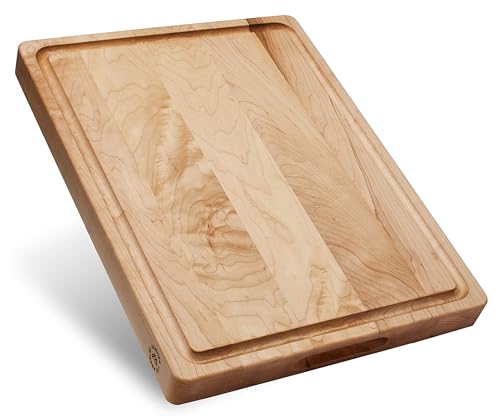
Sugar maple is the usual pick because it combines fine, tight grain with the hard-maple benchmark level of dent resistance. Soft maple can work for lower-demand kitchen accessories, but for a true cutting board or butcher-block top, hard maple is the safer choice when wear is the deciding factor.
Choosing the Right Maple Species for Kitchen Cabinets
Hard maple (sugar maple) is the best choice for kitchen cabinets because it resists dents in high-traffic areas and takes clear finishes evenly. Soft maple works well for budget builds or painted doors where slight differences in hardness and grain color matter less.
Selecting the wrong species leads to blotchy stain, premature wear on rails, or unnecessary material costs. The guide to maple species for cabinets compares hard maple, soft maple, and veneer options by finish response, durability, appearance, and price so you can match the wood to your specific kitchen conditions.
How much does hardness change machining, sanding, and tool wear?
Hardness changes shop behavior enough to matter. Once maple moves into hard-maple territory, burn risk rises, router bits dull faster, and sanding takes longer to remove milling marks. Soft maple is often easier to cut cleanly, which can save time and frustration on profiles, joinery, and broad surfaced panels.
Where maple starts to feel tougher on tools
Hard maple is one of those woods that makes dull tooling obvious. Saw blades heat up sooner. Router bits leave burn marks more readily on end grain and long edge passes. Feed rate matters, and so does chip clearance.
That does not make hard maple difficult in every setup. It means the margin for sloppy tooling is smaller. Shops running average blades and bargain bits often feel the difference right away when they switch from soft maple to sugar maple.
Burning, routing, and tear-out
Hard maple tends to burn during paused cuts, light climb errors, or slow feed on a bearing-guided profile. It also punishes cutters that are only “sharp enough.” Softer maple can still tear out in figured areas, but many users find it easier to route without heat stains and edge glazing.
Sanding differences
Hard maple sands slower. Cross-grain milling scratches can take longer to clear, and skipping grits is more likely to show up under finish. Soft maple moves faster through prep, which becomes a real labor advantage on large cabinet jobs.
When easier machining is the better value
If the surface will not live under constant abuse, soft maple often makes better sense. A painted vanity, bookcase, or built-in cabinet can gain very little from hard maple’s extra dent resistance, while the extra milling time and cutter wear stay very real.
How does maple compare with birch, walnut, oak, and hickory?
Hard maple sits above yellow birch and black walnut in Janka hardness, slightly above white oak, and well below the hickory group. In practical terms, that puts hard maple in a sweet spot: more dent resistant than many furniture woods, but usually easier to live with in the shop than the hardest wear-focused species.
Secondary comparison table
| Species | Janka rating | What the comparison means |
|---|---|---|
| Hard maple | 1,450 lbf | Benchmark for high-wear pale hardwood projects |
| White oak | 1,360 lbf | Close to hard maple; strong flooring and cabinet option with more visible grain |
| Northern red oak | 1,290 lbf | Softer than hard maple; common flooring baseline |
| Yellow birch | 1,260 lbf | Good cabinetry and furniture comparison; below hard maple in dent resistance |
| Black walnut | 1,010 lbf | Softer and often easier to machine; favored when color and workability matter more than dent resistance |
| Black cherry | 950 lbf | Another furniture reference point below hard maple |
| Pecan hickory | 1,820 lbf | Harder-wearing reference species than hard maple |
| Shagbark hickory | 1,880 lbf | Higher still; wear focused, with a bigger machining penalty |
Birch
Yellow birch at 1,260 lbf is close enough to stay in the conversation for cabinets and furniture, but hard maple still brings more dent resistance. If the design does not need the last bit of surface hardness, birch can be a sensible middle ground.
Walnut
Black walnut at 1,010 lbf is much softer than hard maple. For desks, casework, and furniture where rich color and easier machining matter, walnut often wins anyway. For pale kitchen surfaces and cutting boards, it is the wrong comparison target.
Oak
White oak at 1,360 lbf is close enough that project priorities decide the winner. Hard maple gives a cleaner, tighter grain look. White oak offers stronger grain character and often hides daily wear differently.
Hickory
Hickory and pecan, around 1,820 lbf and above, sit firmly harder than hard maple. That extra hardness can help in high-wear flooring, but it also pushes tool wear, machining effort, and sanding time upward fast.
When should you pay more for harder maple?
Pay more for hard maple when the surface takes repeated impact, abrasion, or knife contact, and when a pale tight-grained look is still the target. Skip the upgrade when the project is mostly vertical, lightly handled, painted, or large enough that easier machining and lower cost outweigh the dent-resistance gain.
Cases where hard maple earns the money
Hard maple makes sense for kitchen floors, table tops, work islands, stair treads, shop fixtures, cutting boards, and cabinet parts that sit in the traffic zone. These are surfaces where dents accumulate and become part of the project quickly.
Cases where soft maple is the smarter buy
Soft maple often gives the better result for built-ins, closet systems, paint-grade cabinetry, bookcases, and many furniture bases. The board still looks like maple to most people, but it usually asks less from cutters and less from the budget.
How color and grain can outweigh hardness
Many buyers focus on the number first and miss the visual side. If the design calls for dark contrast, walnut may beat maple despite lower hardness. If the project wants pronounced grain, white oak may fit better than either hard or soft maple.
A simple decision framework
- Identify the surface abuse level: light, moderate, or high.
- Confirm species, not just the word maple.
- Decide whether pale tight grain is required for the look.
- Ask whether easier routing, sanding, and lower cutter wear would save meaningful shop time.
- Choose hard maple for high-wear horizontal surfaces; choose soft maple when the project can trade some dent resistance for easier work and lower cost.
Maintaining Natural Color with Clear Topcoats
When crafting pieces from light-colored hardwoods, preventing unwanted amber discoloration is a primary concern for woodworkers. Traditional oil-based products often darken the wood over time, shifting its natural pale tone. To preserve the original look, selecting the best finish for maple is essential for long-term color retention.
Waterborne clear topcoats, such as acrylic-urethane and water-based polyurethane, maintain the bright appearance of your project without sacrificing durability. Reviewing color retention, repairability, and wear resistance helps determine the ideal protective coat for high-use surfaces and cabinetry.
Frequently asked questions
What is the Janka rating of sugar maple?
Sugar maple, the usual hard-maple benchmark, is approximately 1,450 lbf on the Janka scale. That number makes it a common reference point for wear-prone woodworking, especially flooring, table tops, work surfaces, and cutting boards where dent resistance matters more than easy machining.
Does a higher Janka rating mean better durability?
No. A higher Janka rating means better resistance to denting under the steel-ball test, not better performance in every category. It does not measure bending strength, stiffness, decay resistance, or long-term service life by itself, so hardness should be weighed alongside project use, species traits, and workability.
Which maple species is best for furniture or cabinets?
For many cabinets and much furniture, soft maple is often the better buy because it machines more easily and can look close to hard maple. Hard maple is better for tops, edges, and high-contact parts where dents are a real concern and the extra milling effort is worth it.
What does the Janka hardness test actually measure?
The Janka test measures the force needed to press a 0.444-inch steel ball halfway into the wood, and that force is reported in pounds-force. In practice, it is a dent-resistance benchmark. It is useful, but it does not tell the whole story about wood performance.
Are all maple species equally hard?
No. Hard maple and soft maple are different groups, and soft maple itself includes more than one species. Red maple is a common example sold under that soft-maple umbrella. Similar color and grain can hide meaningful differences in dent resistance, machining behavior, and board-to-board consistency.
Which maple is best for flooring or cutting boards?
Hard maple is usually the better choice for both. Its benchmark rating of about 1,450 lbf gives it stronger dent resistance than soft maple, and that matters on floors and cutting surfaces. Soft maple can suit lighter-duty kitchen accessories, but it is rarely the first pick for true cutting boards.
Sponsored / affiliate links. As an Amazon Associate I earn from qualifying purchases. I may earn additional commission from eligible campaigns.