Burning Pallet Wood in a Wood Stove: A Woodworker’s Guide to Safe and Efficient Heating
Hey there, fellow woodworker! If you’re anything like me, you’ve probably got stacks of pallet wood piling up in your workshop. Those sturdy, weathered boards are a treasure for crafting rustic furniture or quirky home décor. But when winter rolls in and you’re firing up your wood stove, you might wonder: Can I burn pallet wood in my wood stove? I’ve been down this road myself, experimenting with pallet wood as fuel, and I’m here to share everything I’ve learned. This guide is packed with practical tips, safety advice, and hands-on insights to help you decide if burning pallet wood is right for you. Let’s dive in and explore how to use this abundant resource safely and efficiently to keep your home cozy.
Why Pallet Wood Seems Like a Great Idea
Pallet wood is everywhere. If you’re a woodworker, you likely have a steady supply from local businesses or your own projects. It’s free or cheap, and burning it in your wood stove feels like a smart way to repurpose scraps. I remember the first time I considered tossing some leftover pallet boards into my stove—it seemed like a no-brainer. Why let good wood go to waste when it could keep my living room warm?
Pallet wood is typically made from softwoods like pine or hardwood species like oak, depending on the pallet’s purpose. It’s cut into manageable sizes, making it easy to stack and store. Plus, it’s often dry, especially if it’s been sitting in your shop for a while. Dry wood burns hotter and cleaner, which is a big plus for your stove. But before you start chucking pallets into the fire, there’s more to consider. Not all pallet wood is safe to burn, and that’s where things get tricky.
The Risks of Burning Pallet Wood
I’ll be honest—my first attempt at burning pallet wood wasn’t all smooth sailing. I tossed in a few boards, and while the fire roared, I noticed a strange smell. That’s when I started researching, and I’m glad I did. Pallet wood can be risky if you’re not careful. Here’s why.
Many pallets are treated with chemicals to protect them from insects and rot. The most common treatment is methyl bromide, a pesticide that releases toxic fumes when burned. Breathing those fumes is bad news for your health, and they can linger in your home. Other pallets may have paints, stains, or oils from their previous use—think spilled chemicals or food residues. Burning these can release harmful smoke and leave residue in your stove or chimney.
Then there’s the issue of nails and staples. Pallets are held together with metal fasteners, and if you’re not diligent about removing them, they can damage your stove or create sparks. I learned this the hard way when a nail got stuck in my stove’s grate. It was a hassle to clean out, and I worried about long-term damage.
How to Identify Safe Pallet Wood
After my early mishaps, I got serious about figuring out which pallets are safe to burn. Not all pallets are created equal, and knowing what to look for can save you a lot of trouble. Here’s what I do before burning any pallet wood.
First, check for markings. Safe pallets are usually marked with “HT” (heat-treated) or “KD” (kiln-dried). These treatments use heat, not chemicals, to preserve the wood. If you see “MB” (methyl bromide), steer clear—those pallets are toxic when burned. Untreated pallets, often used for lightweight or local shipping, are generally safe too, but they’re harder to identify without markings.
Next, inspect the wood itself. Does it look clean? Avoid pallets with stains, oily spots, or strange odors. If a pallet has been used to transport food, chemicals, or other materials, it’s best to skip it. I once found a pallet with a weird, greasy sheen—definitely not worth the risk.
Finally, remove all nails and staples. I use a pry bar and a magnet to sweep for stray metal. It’s tedious, but it’s better than damaging your stove or breathing in toxic smoke. When in doubt, only burn pallets you’re confident are clean and untreated.
Preparing Pallet Wood for Burning
Once you’ve got safe pallet wood, you need to prep it properly. I’ve found that a little effort upfront makes a big difference in how well the wood burns. Here’s my process.
Start by breaking down the pallets. A crowbar or hammer works well to separate the boards. Be careful—pallet wood can splinter, and those splinters are no joke. I wear gloves and safety glasses to stay safe. After dismantling, check each board for nails or staples. A metal detector or magnet is handy for catching anything you might miss.
Next, cut the wood to fit your stove. Most wood stoves work best with pieces 12 to 18 inches long, depending on the firebox size. I use a miter saw for clean cuts, but a hand saw works too. Stack the wood in a dry, well-ventilated area to season it. Even if the wood feels dry, letting it sit for a few months ensures it burns cleanly. Wet or “green” wood creates more smoke and creosote, which can clog your chimney.
Finally, store the wood properly. I keep my pallet wood under a tarp to protect it from rain while allowing air to circulate. Dry wood burns hotter and produces less smoke, so this step is key.
How Pallet Wood Burns in a Wood Stove
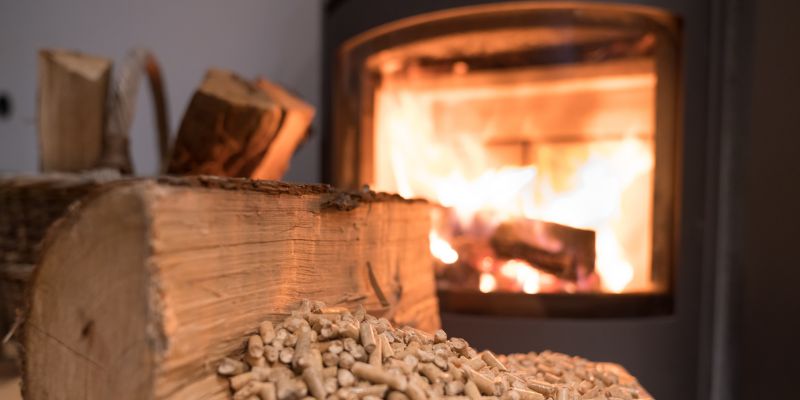
Burning pallet wood is different from burning traditional firewood. Pallet wood is often thinner and burns faster, which can be both a pro and a con. In my experience, it’s great for quick, hot fires, but you’ll need to feed the stove more often. Softwood pallets, like pine, ignite easily and burn hot but don’t last long. Hardwood pallets, like oak, burn slower and provide more sustained heat.
One thing I noticed is that pallet wood can produce more ash than cordwood. This means you’ll need to clean out your stove more often. I empty my ash pan every few days when burning pallets, compared to once a week with regular firewood. The ash can also be finer and messier, so keep a vacuum handy.
Another factor is creosote buildup. Pallet wood, especially softwood, can create more creosote than seasoned hardwood. Creosote is a tar-like substance that sticks to your chimney and can cause fires if it builds up. To minimize this, I mix pallet wood with regular firewood and keep my stove burning hot to reduce smoke.
Safety Tips for Burning Pallet Wood
Safety is my top priority when burning pallet wood. After a few close calls, I’ve developed a checklist to keep things safe and efficient.
Always ensure your wood is chemical-free. If you’re unsure about a pallet’s history, don’t burn it. Your health isn’t worth the risk. Use a carbon monoxide detector in your home to catch any fumes from improper burning. I installed one near my wood stove, and it gives me peace of mind.
Maintain your stove and chimney. Clean the firebox regularly to remove ash and debris. Have your chimney swept at least once a year to prevent creosote buildup. I learned this lesson after noticing a smoky smell in my house—turned out my chimney needed a good cleaning.
Never overload your stove. Pallet wood burns hot and fast, so start with a small amount and add more as needed. Overloading can cause flare-ups or damage your stove. I keep a fire extinguisher nearby, just in case.
Finally, ensure good ventilation. Open a window slightly when starting a fire to let fresh air in. This helps the fire burn cleanly and reduces smoke in your home.
Comparing Pallet Wood to Traditional Firewood
To give you a clearer picture, let’s compare pallet wood to traditional firewood. I’ve burned both in my stove, and each has its strengths and weaknesses. Here’s a breakdown:
| Factor | Pallet Wood | Traditional Firewood |
|---|---|---|
| Cost | Free or very cheap | $100-$300 per cord, depending on region |
| Availability | Abundant if you source locally | Requires purchasing or cutting yourself |
| Burn Time | Burns quickly, especially softwoods | Longer burn, especially hardwoods |
| Preparation | Requires dismantling and nail removal | May need splitting and seasoning |
| Safety Concerns | Risk of chemicals and metal | Generally safe if properly seasoned |
| Ash Production | Produces more ash | Less ash, depending on wood type |
| Environmental Impact | Repurposes waste wood | May involve tree harvesting |
Pallet wood is a budget-friendly option, especially if you’re already working with it. But traditional firewood, like oak or maple, is often easier to manage and burns more consistently. I like to use pallet wood for kindling or to supplement my firewood supply, rather than relying on it entirely.
Environmental Considerations
As a woodworker, I care about sustainability. Burning pallet wood can be eco-friendly since it keeps waste out of landfills. Pallets are often discarded after a single use, so repurposing them for fuel feels like a win. However, you need to be mindful of the environmental impact.
Burning treated wood releases toxic chemicals into the air, which harms the environment and your health. Stick to untreated or heat-treated pallets to minimize pollution. Also, consider the carbon footprint of sourcing pallets. If you’re driving far to collect them, the fuel you use might offset the benefits. I try to source pallets from local businesses to keep my impact low.
Another tip is to burn efficiently. A hot, clean fire produces less smoke and particulate matter. Use dry pallet wood, maintain your stove, and avoid smoldering fires. This not only helps the environment but also keeps your neighbors happy.
Common Mistakes to Avoid
I’ve made my share of mistakes burning pallet wood, and I want to help you avoid them. One big one is assuming all pallets are safe. Early on, I burned a pallet without checking its markings and ended up with a smoky, smelly fire. Always verify the wood is untreated.
Another mistake is not seasoning the wood. Even if a pallet feels dry, it may still have moisture inside. Burning unseasoned wood creates more smoke and creosote. Let it dry for at least a few months.
Don’t skip nail removal. I once thought a few small staples wouldn’t hurt, but they caused sparks and left residue in my stove. Take the time to clean the wood thoroughly.
Finally, don’t burn pallet wood exclusively. It burns fast and can overheat your stove if you’re not careful. Mix it with traditional firewood for a balanced fire.
My Personal Tips for Success
After years of burning pallet wood, I’ve picked up a few tricks. First, build a relationship with local businesses. Many are happy to give away pallets, especially if you pick them up regularly. I’ve got a coffee shop near me that saves clean pallets for me every month