Cabinet Saw Vs Table Saw: Which Suits Your Workshop?
Are you thinking about upgrading your workshop tools and feeling torn between a cabinet saw and a table saw? You’re not alone.
Choosing the right saw can make a huge difference in your woodworking experience. It affects not just the quality of your projects, but also your safety and efficiency. Imagine effortlessly slicing through wood with precision, knowing you’ve got the perfect tool for the job.
You’ll discover the key differences between cabinet saws and table saws, helping you make an informed decision. Whether you’re a seasoned craftsman or a DIY enthusiast, understanding these tools will transform your woodworking game. Stick around to find out which saw is the perfect match for your needs and budget.
Credit: www.youtube.com
Cabinet Saw Features
Cabinet saws have a strong motor. They cut thick wood easily. The motor helps with smooth cuts. These saws work for long hours. They don’t slow down.
Cabinet saws are heavy and strong. Made from metal and steel. They last a long time. Very durable. Built for tough jobs. They don’t break easily.
Cabinet saws give precise cuts. Perfect for fine work. They have exact measurements. Cuts stay straight. Helps with perfect angles. No mistakes.
Dust collection is good in cabinet saws. Keeps the area clean. Less dust means safer work. They have safety features. Protects hands and eyes. Safety guards are present.
Credit: www.rockler.com
Table Saw Features
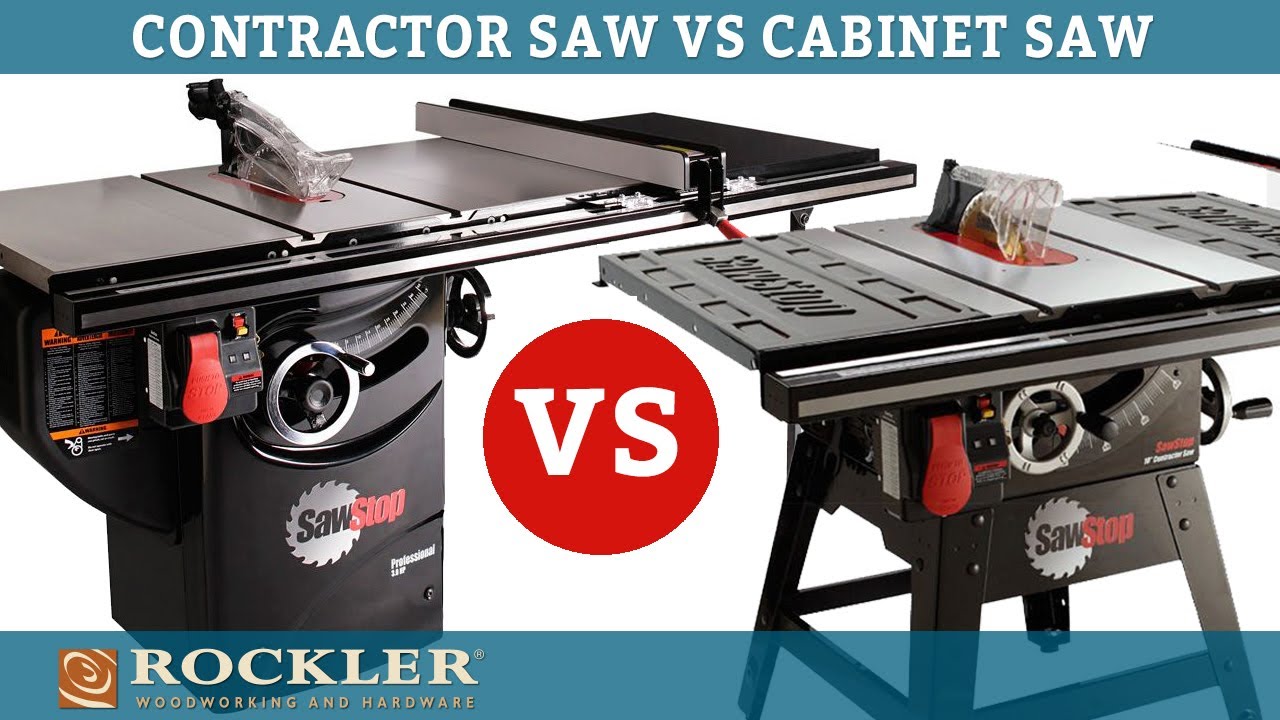
Comparing cabinet saws to table saws highlights key differences in design and performance. Cabinet saws offer enhanced durability and stability, ideal for professional woodwork. Table saws provide versatility and are often more portable, catering to hobbyists and smaller projects. Understanding these features aids in choosing the right tool for specific needs.
Portability And Space Efficiency
Table saws are easy to move around. They fit in small spaces. Great for tiny workshops. Their size helps them fit anywhere. They are perfect for small jobs.
Ease Of Use And Setup
Setting up a table saw is simple. It’s user-friendly for beginners. No special skills needed. Just plug it in and go. Easy to learn for all ages.
Versatility For Various Tasks
Table saws handle many wood projects. They cut wood into different shapes. Perfect for crafting and building. Adjust the blade for various cuts. One tool for many tasks.
Price And Accessibility
Table saws are affordable. Many options to fit any budget. Available in most hardware stores. Easy to find online too. Good choice for budget-friendly projects.
Comparative Analysis
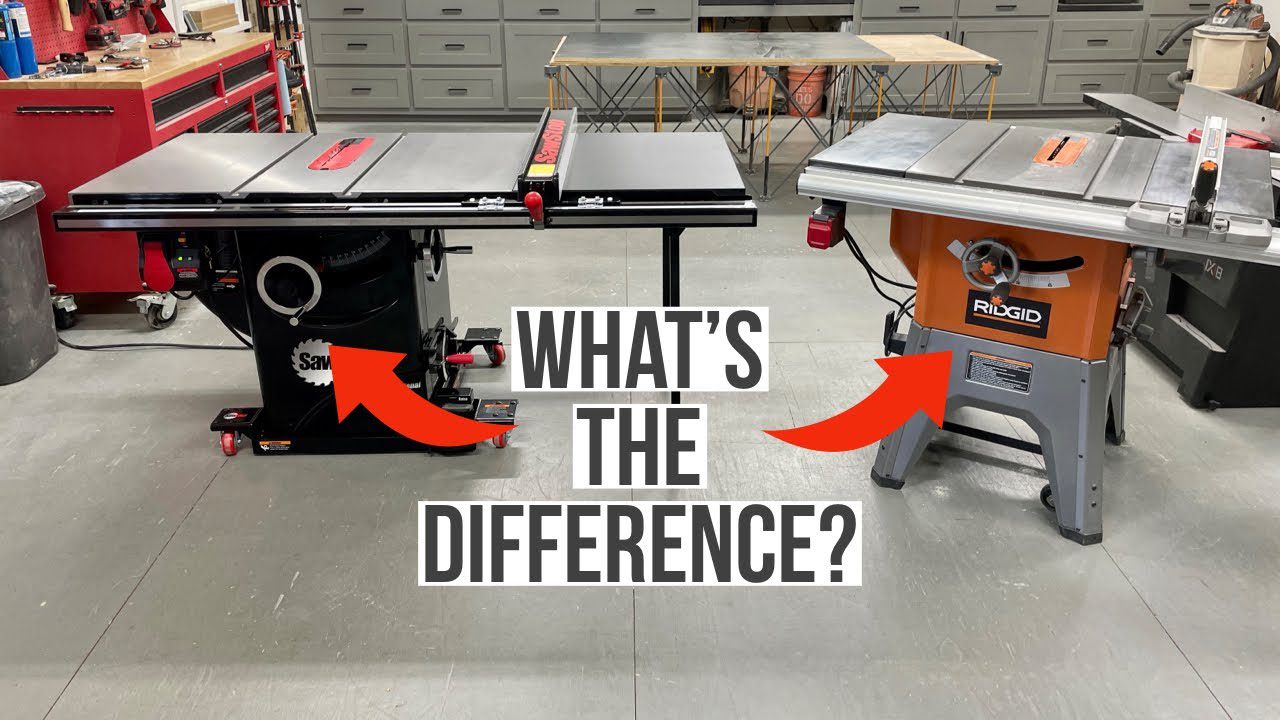
Cabinet saws are strong and can cut thick wood. They have a powerful motor. This makes them perfect for hard tasks. Table saws are lighter. They are good for small tasks. Their motor is less powerful. So, for big jobs, the cabinet saw wins. For simple tasks, the table saw is fine.
Cabinet saws are big and heavy. They need more space. Moving them is hard. Table saws are small and light. They fit in small spaces. You can move them easily. Choose a cabinet saw for a big workshop. Choose a table saw for small spaces.
Cabinet saws cost more money. They are a long-term investment. They last longer and do big jobs. Table saws are cheaper. They fit small budgets. Great for beginners or hobbyists. Think about your budget before buying.
Ideal Scenarios For Each Saw
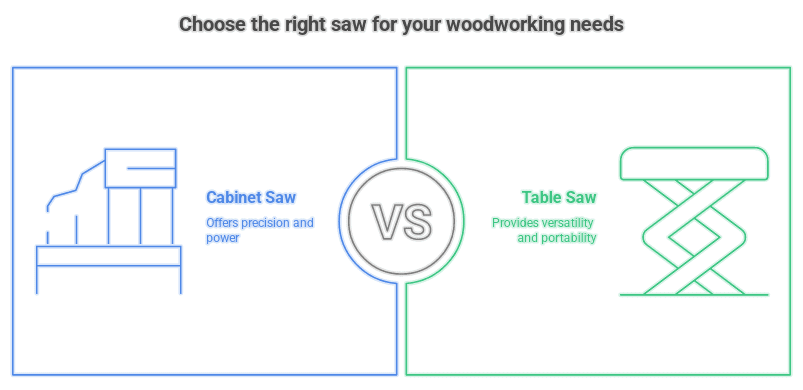
Cabinet saws shine in professional workshops, providing precision and power for heavy-duty projects. Table saws suit hobbyists and DIY enthusiasts, offering flexibility and ease for varied tasks. Each saw serves its purpose, catering to different needs and skill levels.
Cabinet Saw In Professional Workshops
Cabinet saws are perfect for professional workshops. These saws have strong motors. They cut through hard wood easily. Their sturdy base keeps them stable. They are built to last for years. Heavy work is no problem for them. Precision is their middle name. Professionals love their accuracy. They handle large projects well. Blade adjustment is easy and smooth. Dust collection is efficient. Noise levels are low. Safety features are excellent.
Table Saw For Hobbyists And Small Spaces
Table saws fit well in small spaces. Hobbyists enjoy using them. They are lightweight and portable. Easy to move around and store. Great for simple cuts. Their affordable price is a bonus. Setup is quick and easy. Perfect for DIY projects. They have basic features. Safety features are decent. Noise levels are moderate. Dust collection is basic. Blade adjustments are simple.
Factors To Consider When Choosing
A cabinet saw is larger. It needs more space. It fits well in big workshops. Table saws are smaller. They work well in small workshops. Think about your workshop size. Check your layout. Choose the saw that fits best. Both saws need room to move wood easily.
Cabinet saws are strong. They handle tough projects. They cut thick wood. Table saws are good for small projects. They cut thin wood well. Choose based on your project type. Do you build furniture? Or do you make crafts? Pick the saw that suits your needs.
Cabinet saws need experience. They are complex to use. Table saws are easier. Beginners can use them. Think about your skill level. Are you new to woodworking? Or do you have experience? Choose a saw that matches your skills.
User Experiences And Testimonials
Many users praise cabinet saws for their power and precision, perfect for heavy-duty tasks. Testimonials highlight table saws for their affordability and portability, ideal for small workshops. Each type offers distinct benefits tailored to different needs.
Feedback From Cabinet Saw Owners
Many owners of cabinet saws love the sturdy build. They often talk about its quiet operation. It makes cutting wood easier. These saws have a powerful motor. This helps cut through thick wood quickly. Users also appreciate the dust collection system. It keeps their workspace clean. Some owners mention the precision in every cut. They feel safe using it because of the safety features. Overall, they find it a reliable tool for their projects.
Table Saw User Insights
Table saw users enjoy its portability. Many like that they can move it around. The saw is easy to set up and use. Some people mention the affordable price. It fits their budget. Users appreciate the variety of blade options. They can change blades easily. People also note the adjustable fence. It helps in making accurate cuts. The table saw is good for small to medium projects. Users find it handy for quick tasks.

Credit: www.tylerbrownwoodworking.com
Frequently Asked Questions
What Is The Difference Between A Cabinet Saw And A Table Saw?
A cabinet saw is heavier, more powerful, and offers better dust collection. A table saw is lighter, portable, and suitable for smaller tasks. Cabinet saws are ideal for professional workshops, while table saws fit hobbyist and DIY needs. Both serve different purposes based on power and mobility.
What Makes A Cabinet Saw?
A cabinet saw features a heavy-duty cast iron table, enclosed cabinet base, and a powerful motor. It provides precise cuts and stability, making it ideal for professional woodworking. The saw’s robust construction reduces vibration, ensuring accurate results. A dust collection system is often included for cleaner operation.
Do I Need A Cabinet Table Saw?
A cabinet table saw is essential for precise woodworking tasks. It’s ideal for professionals and serious hobbyists needing accuracy and power. Consider your project size and budget before purchasing. If you frequently work with large wood pieces, investing in a cabinet table saw can enhance efficiency and safety.
Do I Need A Table Saw If I Have A Miter Saw?
A table saw offers versatility for ripping large boards, while a miter saw excels at angled cuts. Both tools have distinct functions. Consider your woodworking needs and projects to decide if you need both. A table saw is ideal for precise, straight cuts, complementing the miter saw’s ability for angled trims.
Conclusion
Choosing between a cabinet saw and table saw depends on your needs. Cabinet saws offer power and precision. Perfect for heavy-duty projects. Table saws are portable and versatile. Ideal for small workshops or DIY tasks. Consider your space and budget.
Think about the projects you tackle often. Safety features should also be a priority. Both saws have unique advantages. Each serves different purposes. Evaluate what’s essential for your work. Make a choice that suits your requirements. Happy woodworking!