Soft Stop Table Saw: Electric Brake vs. SawStop, Not the Same Thing
“Soft stop” isn’t standard industry terminology, and it’s often confused with two genuinely different features: an electric blade brake (stops a spinning blade quickly after the saw is powered off) and SawStop’s patented flesh-detection injury-prevention system (stops the blade on contact with skin, not on shutoff). These are not the same technology, and understanding the real difference matters if you’re actually shopping based on a safety feature.
Electric Blade Brake: A Real, Common Feature
A Real Saw With a Genuine Electric Brake
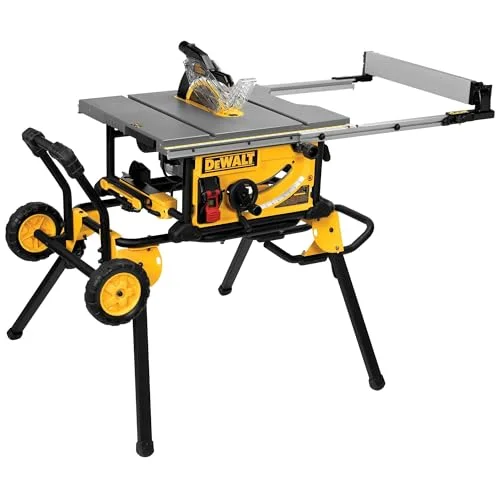 |
DEWALT 10″ Table Saw with Electric Brake (DWE7491RS) – $599.00 A genuine electric-brake-equipped jobsite saw — not flesh-detection, but a real feature that stops blade spin-down time.
|
An electric brake uses reverse current or a mechanical clamp to stop a table saw blade within a few seconds of the saw being switched off, instead of letting it freewheel down over 30+ seconds under its own momentum. This is a genuinely useful, common feature on many modern jobsite and contractor saws (including several DEWALT and SKIL models) — it reduces the window where a saw looks “off” but the blade is still spinning fast enough to injure someone reaching across the table.
SawStop: A Completely Different, Separate Technology
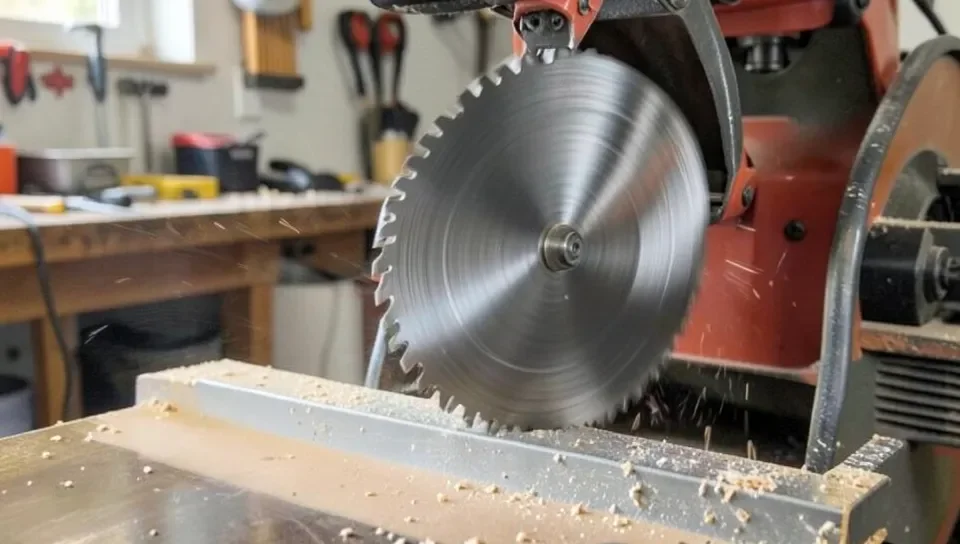
SawStop’s flesh-detection system continuously monitors a small electrical signal through the blade; when skin contact changes that signal (because a human body conducts electricity differently than wood), a brake cartridge drives an aluminum block into the blade, stopping it and retracting it below the table in under 5 milliseconds. This activates during active contact with skin, not on shutoff, and it’s a patented, licensed technology — not something achieved by a generic “electric brake” feature, regardless of how a saw’s marketing describes it.
Why This Distinction Actually Matters When Shopping
If injury prevention during active cutting is the priority, only genuine SawStop-technology saws (or licensed equivalents) provide that specific protection — an electric brake on a non-SawStop saw does not stop the blade on skin contact, only after the switch is turned off. Both features are worth having, but they solve different problems: one reduces post-shutoff freewheel risk, the other prevents injury during an active cut. Don’t let marketing language blur that distinction when comparing saws.
Frequently Asked Questions
Is a “soft stop” table saw the same as a SawStop saw?
No. “Soft stop” typically describes a generic electric brake that stops the blade after shutoff, while SawStop’s technology stops the blade during active contact with skin. These are different features with different purposes.
How fast does an electric brake stop a table saw blade?
Typically within a few seconds of shutoff, compared to 30+ seconds of freewheeling on a saw without one. This is much slower than SawStop’s under-5-millisecond skin-contact response, since it’s solving a different problem.
Does an electric brake prevent injury during cutting?
No. It only activates on shutoff, not on skin contact during an active cut. Only genuine flesh-detection technology like SawStop’s provides that specific protection.
Conclusion
“Soft stop” most often refers to a real, useful electric blade brake — but it is not SawStop’s flesh-detection injury prevention, and confusing the two when shopping could leave you with less protection than you think you’re getting. Know which specific feature you actually need before comparing saws on this basis.
Sponsored / affiliate links. As an Amazon Associate I earn from qualifying purchases. I may earn additional commission from eligible campaigns.