
Can Cedar Cause Cancer? Unveiling the Hidden Truth
Can cedar cause cancer? The short answer is no clear evidence directly links cedar exposure to cancer in humans.
But, it’s important to explore potential risks. Cedar wood, prized for its aroma and durability, is a popular choice in homes and gardens. Many enjoy its natural scent and insect-repelling properties. But, concerns about health effects may arise when cedar dust is inhaled.
Woodworkers and hobbyists often question the safety of cedar. This blog aims to provide clarity on cedar and cancer risks. We’ll look at scientific studies and expert opinions. Understanding these factors can help you make informed decisions. So, let’s dive in and explore the facts about cedar and its potential health impacts.
Introduction To Cedar
Cedar trees have been around for thousands of years. They grow in many parts of the world. Ancient people used cedar wood for building. It is strong and lasts a long time. Many cultures valued cedar for its beauty and strength.
Cedar is used in making furniture. It is also used for building homes. Some people use cedar for making closets. Cedar smells good and keeps bugs away. Cedar oil is used in perfumes and soaps.

Credit: outdoorhome.com
Cedar And Health Concerns
Cedar wood dust can be a health risk. Some people may breathe it in. This can lead to health issues. Long-term exposure may be harmful. There is a chance it can cause lung problems. Some studies suggest a link to cancer. But more research is needed.
People may have allergic reactions to cedar. Symptoms can include sneezing and coughing. Skin rashes can also occur. Asthma symptoms might get worse. Eye irritation is another common issue. Nosebleeds can happen too. It is important to limit exposure.
Chemical Composition Of Cedar
Cedar wood contains natural oils. These oils protect the tree from insects. Cedar also has a pleasant smell. People use cedar for furniture and closets. This wood is durable and resistant to decay. Cedar has thujone, a compound that repels pests.
Cedar wood can release volatile organic compounds (VOCs). These VOCs can be harmful in large amounts. Prolonged exposure may cause health issues. Some studies suggest a link to cancer. Wood dust from cedar may be a risk factor. It is important to use protection when working with cedar. Wearing masks and good ventilation can help reduce risks.

Credit: wildwoodgrillingoutlet.com
Studies On Cedar And Cancer
Scientists have studied cedar wood for many years. Some studies show cedar can be safe. Others suggest it might not be. These studies often focus on cedar dust. Inhaling cedar dust can cause health issues. Some people worry it might lead to cancer.
Animal tests also give mixed results. Some animals get sick from cedar dust. Others do not. More studies are needed to be sure. Humans and animals react differently to cedar.
Different studies give different answers. One study says cedar is safe. Another says it is not. This confusion makes it hard to know the truth. Some people are more sensitive to cedar. They might feel sick around cedar wood.
Workers in cedar industries need protection. Masks can help reduce dust exposure. More research can help us understand better. Until then, it is best to be careful with cedar.
Mechanisms Of Carcinogenicity
Cedar can affect cells in the body. Some chemicals in cedar can harm cells. This can happen when people breathe in cedar dust. The dust can enter the lungs and cause problems. Cells may get damaged. Damaged cells can become cancer cells. This process takes time. It can happen if exposure is long.
Cedar can cause changes in genes. These changes are called genetic mutations. Mutations can lead to cancer. They can make cells grow uncontrollably. This is how tumors form. Breathing in cedar dust is risky. It can increase the chances of mutations. Protect yourself by using masks and staying safe.
Exposure To Cedar
Workers in wood industries often come into contact with cedar. Breathing in cedar dust is common. Cedar dust can cause health problems. Some workers might develop skin issues. Long-term exposure could lead to more serious conditions. It’s important for workers to wear protective gear. This reduces the risks of cedar exposure.
People can also be exposed to cedar in the environment. Cedar trees release pollen into the air. This can cause allergies in some people. Allergic reactions include sneezing and itchy eyes. Cedar wood is used in homes and furniture. This can lead to indoor exposure. Proper ventilation helps reduce indoor cedar dust. Being aware of these exposures is key to staying healthy.
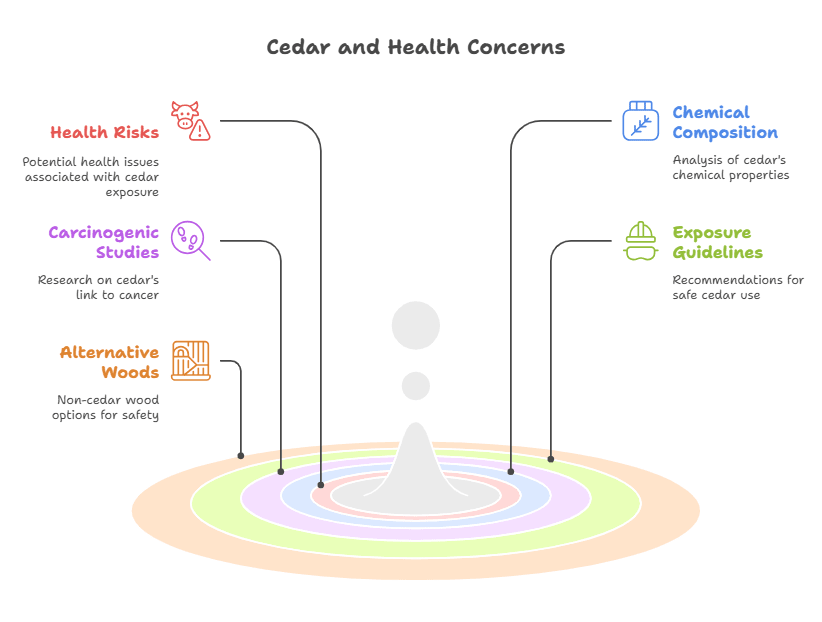
Regulations And Safety Measures
Cedar wood contains natural oils that may release harmful particles when inhaled. Prolonged exposure could potentially lead to respiratory issues. Safety measures, like proper ventilation and protective gear, are crucial to minimize risks.
Government Guidelines
Government guidelines help keep people safe. Rules exist for handling cedar wood. Exposure must be limited. Workers should follow these rules. These rules protect health. Safety standards are set by agencies. They check workplaces. They make sure rules are followed. Violations can lead to fines. This ensures compliance. Safe practices reduce risks.
Protective Practices
Protective gear is essential. Masks can prevent inhaling dust. Gloves protect skin. Ventilation helps remove dust. Workers should use masks. Proper gear keeps them safe. Training is necessary. Workers must learn safety steps. They must follow them. Proper care can prevent health issues. Safe practices reduce cancer risk. Safety measures are very important.

Alternatives To Cedar
Pine is a safer choice than cedar. It is more common and affordable. Birch is another good option. It is strong and durable.
Maple is also safe. It is hard and smooth. Oak is a popular choice too. It is very strong and lasts long.
Composite wood is a mix of wood fibers and plastic. It is durable and low maintenance. Plastic lumber is another option. It is made from recycled plastic. Both are resistant to rot and pests.
Fiberboard is made from wood fibers. It is strong and smooth. Plywood is layers of wood glued together. It is versatile and easy to work with.

Credit: www.amazon.com
Frequently Asked Questions
Can Cedar Wood Cause Cancer?
Cedar wood itself does not cause cancer. However, prolonged exposure to cedar dust can be harmful. Always use protective gear.
Is Cedar Dust Harmful To Health?
Yes, cedar dust can cause respiratory issues and skin irritation. Long-term exposure may lead to more severe health problems.
What Are The Risks Of Cedar Exposure?
The main risks include respiratory issues, skin irritation, and potential allergic reactions. Proper safety measures are essential.
How To Protect Against Cedar Dust?
Use protective gear like masks and gloves. Ensure proper ventilation when working with cedar wood to minimize exposure.
Conclusion
Cedar has both benefits and concerns. Limited research suggests potential risks. No concrete evidence links cedar directly to cancer. Moderation and caution are key. Always ensure proper ventilation when using cedar products. Consult health professionals if you have concerns. Stay informed, and make choices that prioritize safety.
Awareness helps in making better decisions for your health.