Cedar Oil Roach Repellent Recipe: What the Research Says
Cedar oil repels roaches — it does not kill them — by masking the pheromone trails they use to find food and mates, an effect the EPA recognizes by exempting cedarwood oil as a minimum-risk pesticide under FIFRA 25(b). A 1989 Journal of Economic Entomology study confirmed real repellency against German and brown-banded roaches, but only while the scent stays strong. This guide gives the exact spray ratio, where to apply it, and how it compares to boric acid.
Quick Answer
Mix 1 teaspoon of pure cedarwood essential oil per cup of water in a spray bottle and mist baseboards, cabinet backs, and entry points every 3-4 days. Cedar oil repels roaches by masking pheromone trails, but it will not kill an active infestation — pair it with sanitation and sealed entry points for real control.

What Is Cedar Oil, and Why Do Roaches React to It?
Best Cedar Oil Pick
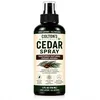
Colton’s Naturals Cedar Spray – 4 ounce – With Lavender Extract – Non-Chemical Wood Protection – for Cedar Wood – Restores Scent 4oz Bottle – Closets & Drawers
A ready-mixed cedar spray for closets, drawers, and cabinets if you’d rather skip measuring your own dilution.
- Best for: Quick spot-treatment of closets, cabinets, and drawers
- Why we picked it: Pre-diluted to a usable strength, no mixing required
- Main drawback: Costs more per ounce than mixing your own from concentrate
Compare more cedar oil options
 Option 1 Cedar Oil 8 OZ CAN (A)
|
 Option 2 Saman COC-000-250 Classic Cedar Oil
|
 Option 3 DG Cedar Oil Lawn and Kennel Outdoor Insect Repellent Concentrate, 32 Oz
|
As an Amazon Associate we earn from qualifying purchases.
Cedar oil is a natural insect repellent that is distilled from cedar wood, and the specific compounds responsible for that effect are cedrol and cedrene, two terpenoids concentrated in the heartwood. Roaches rely heavily on their sense of smell to follow pheromone trails to food, water, and each other — cedar’s strong scent overwhelms that trail and also irritates the spiracles roaches breathe through, which is why they avoid treated surfaces rather than crawling across them.
The Cedar section of this site covers cedar’s rot- and insect-resistance in the wood itself; this guide focuses specifically on the distilled oil as a spray-on repellent, which is a different application than using cedar oil to protect wood.
📊 The EPA has classified cedarwood oil as a minimum-risk pesticide since January 1994, exempting it from federal registration under FIFRA Section 25(b) because of its low toxicity to people, pets, and pollinators. That exemption covers cedar oil’s status as a repellent — it is not an EPA-registered roach killer.
Does Cedar Oil Actually Repel Roaches? What the Research Shows
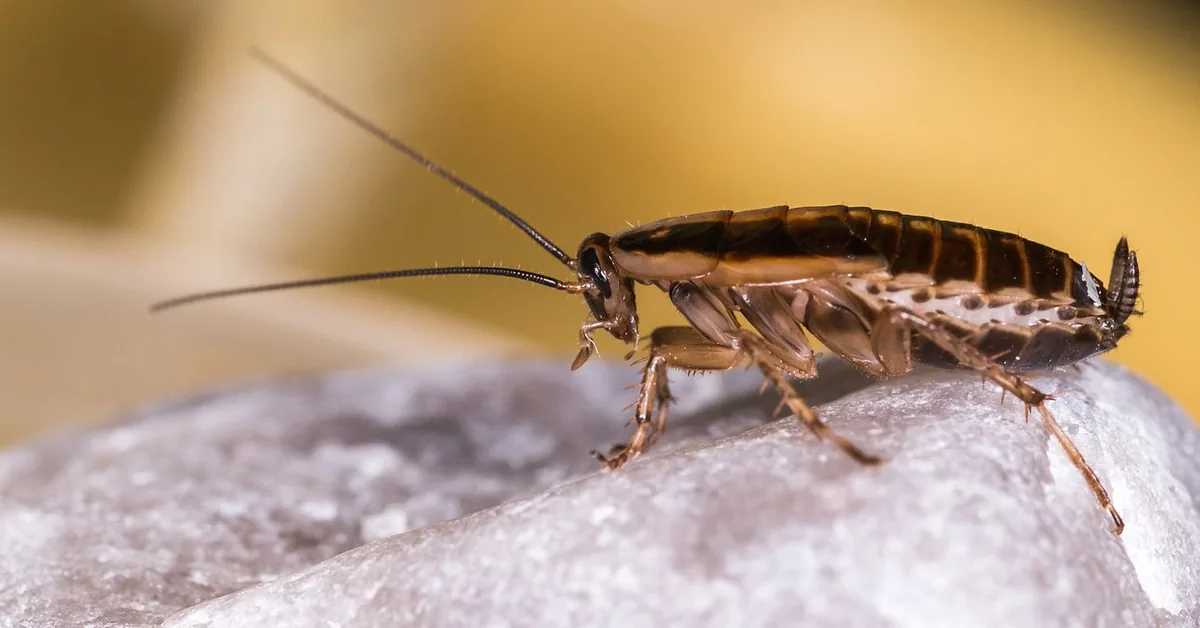
Most “does cedar repel roaches” articles online cite no actual study. There is one: a 1989 paper in the Journal of Economic Entomology titled “Repellency of Milled Aromatic Eastern Red Cedar to Domiciliary Cockroaches,” which tested German cockroaches (Blattella germanica) and brown-banded cockroaches (Supella longipalpa) against milled cedar. The result: cedar was significantly repellent to both species, and repellency increased as the amount of cedar surface area increased. The researchers were explicit that cedar acted as a repellent, not a toxicant — it did not kill the roaches in the study.
“Cedar’s repellency against domiciliary cockroaches was significant but not toxic — the effect scaled with how much cedar surface area the roaches were exposed to, not a single application.”
That distinction matters for how you use it. Cedar oil is a prevention and deterrence tool, not a substitute for the sanitation, sealing, and (for real infestations) baits or professional treatment that actually reduce roach populations.
DIY Cedar Oil Roach Repellent Recipe
Ingredients Needed
- 1 teaspoon 100% pure cedarwood essential oil (not a synthetic cedar fragrance oil)
- 1 cup distilled water
- 2-3 drops unscented dish soap, to help the oil emulsify
- A glass spray bottle (plastic can degrade with prolonged essential-oil contact)
Step-by-Step Instructions
- Choose pure cedarwood essential oil: confirm the label says 100% cedarwood oil, not a fragrance blend — synthetic fragrance oils don’t contain the cedrol and cedrene that make the repellent effect real.
- Mix the spray: combine the oil, dish soap, and distilled water in a glass spray bottle.
- Shake before every use: oil and water separate within minutes, so shake vigorously right before each application, not just once at mixing time.
- Apply to entry points and hiding spots: mist baseboards, cabinet backs, under-sink pipes, door thresholds, and window sills — the edges and gaps roaches actually travel, not open floor space.
- Reapply every 3 to 4 days: the scent fades as the oil evaporates, and the repellent effect fades with it.
Where and How Often to Apply It
Focus on entry points and edges, not the middle of a room: door and window thresholds, the gap behind and under the refrigerator and stove, cabinet hinges, under sinks, and along baseboards where flooring meets the wall. Roaches travel along edges by instinct, so a repellent barrier only needs to cover those lines, not the whole floor.

Reapply every 3 to 4 days indoors, and sooner in humid or well-ventilated rooms where the scent dissipates faster. Cedar chips or blocks placed in closets and drawers hold their scent much longer than a spray — usually a few months — but need light sanding or a fresh coat of oil to “recharge” once the smell fades, the same maintenance covered in our guide to making your own cedar oil from raw cedar wood.
Cedar Oil vs. Chemical and Other Natural Roach Repellents
Cedar oil is one tool among several, and it isn’t the right one for every situation. The table below compares it against the other repellents and treatments most commonly recommended for roaches.
| Repellent | How It Works | Kills Roaches? | Best For |
|---|---|---|---|
| Cedar oil spray | Masks pheromone trails, irritates breathing pores | No — repellent only | Prevention in a home with no active infestation |
| Boric acid powder | Abrades exoskeleton, poisons roach after grooming | Yes, over several days | Active infestations along wall voids and cracks |
| Diatomaceous earth | Cuts the exoskeleton, causes dehydration | Yes, over several days | Dry areas roaches walk through repeatedly |
| Pyrethroid spray (chemical) | Nerve toxin, contact and residual kill | Yes, fast | Heavy infestations needing immediate knockdown |
Cedar oil’s mechanism is similar to what makes it effective against other pests — see how it stacks up for repelling ants, where the same pheromone-masking effect is at work.
Common Mistakes When Using Cedar Oil for Roaches
- Buying fragrance oil instead of essential oil: synthetic “cedar scent” products contain little to no cedrol or cedrene and won’t repel anything.
- Expecting it to kill an existing infestation: cedar oil repels, it doesn’t kill — a heavy infestation needs boric acid, bait stations, or professional treatment alongside it.
- Spraying open floors instead of edges: roaches travel along walls and gaps, so treating the middle of a room wastes product.
- Skipping sanitation: exposed food and standing water will draw roaches back regardless of how much cedar oil is in the room.
- Forgetting to reapply: the repellent effect only lasts as long as the scent does, roughly 3 to 4 days for a spray.
Frequently Asked Questions
Does cedar oil repel cockroaches?
Yes, but only as a repellent, not a killer. A 1989 Journal of Economic Entomology study found milled Eastern red cedar significantly repelled German and brown-banded cockroaches, with the effect increasing as cedar surface area (and scent concentration) went up. Cedar oil will not eliminate an existing infestation on its own.
How do you make bug spray with cedarwood oil?
Combine 1 teaspoon of pure cedarwood essential oil, a few drops of unscented dish soap (to help the oil blend with water instead of floating on top), and 1 cup of distilled water in a glass spray bottle. Shake well before every use, since the oil and water separate within minutes, and mist directly onto baseboards, cabinet backs, and door thresholds.
What is the best homemade roach repellent?
No single homemade spray outperforms all others, but cedar oil, peppermint oil, and diatomaceous earth each play a different role: cedar and peppermint oil repel roaches away from an area, while diatomaceous earth actually kills roaches that walk through it. Combining a cedar oil spray at entry points with diatomaceous earth in wall voids covers both prevention and control.
What natural oil keeps roaches away?
Cedarwood, peppermint, and tea tree oil are the three most commonly cited natural roach repellents, and cedarwood is the only one with a published entomology study specifically testing cockroach repellency. All three work by overwhelming the roach’s sense of smell rather than by any toxic effect.
Is cedar oil safe to use around pets?
The EPA classifies cedarwood oil as a minimum-risk pesticide under FIFRA 25(b), meaning it’s exempt from registration due to low toxicity to people and pets when used as labeled. Undiluted essential oil can still irritate a cat’s skin or respiratory tract, so keep concentrated oil away from cats specifically and always dilute before spraying near any pet’s bedding or food area.
Cedar oil earns its place in a natural pest-control routine as a genuine, entomology-backed repellent — not as a cure for an active infestation. Mix it at a 1:10 oil-to-water ratio, apply it to the edges and entry points roaches actually use, and reapply every few days. For roaches that are already established in the home, pair this recipe with sanitation, sealed entry points, and, if needed, a product built to kill rather than repel, such as boric acid or diatomaceous earth in wall voids. See more natural, plant-based repellent options or a broader look at what repels wood roaches if cedar oil alone isn’t cutting it.
Sponsored / affiliate links. As an Amazon Associate I earn from qualifying purchases. I may earn additional commission from eligible campaigns.