Cedar vs Oak: Which Wood Should You Use?
Cedar resists rot, insects, and moisture on its own, making it the better pick for outdoor and closet projects. Oak is denser and more impact-resistant, making it the better pick for furniture and flooring — but it needs sealing to handle weather.
Here’s how the two compare on durability, weight, cost, and workability so you can match the wood to your project.
Introduction To Cedar And Oak
Cedar and oak sit at opposite ends of the wood-property spectrum: cedar is a lightweight softwood whose natural aroma comes from thujaplicin, a compound that also happens to repel insects and resist fungal decay, while oak is a dense, ring-porous hardwood valued mainly for raw strength and load-bearing capacity. That chemistry-versus-density distinction explains almost every practical difference between them below.
Historically, cedar’s rot- and insect-resistance made it the default choice for chests and trunks meant to protect stored fabric for generations, and the same properties made it a common home-building material in regions where it grew locally. Oak’s strength and resistance to compression made it the standard for wooden ship hulls and framing for centuries – the age of sail ran largely on oak, particularly white oak’s naturally water-resistant heartwood.
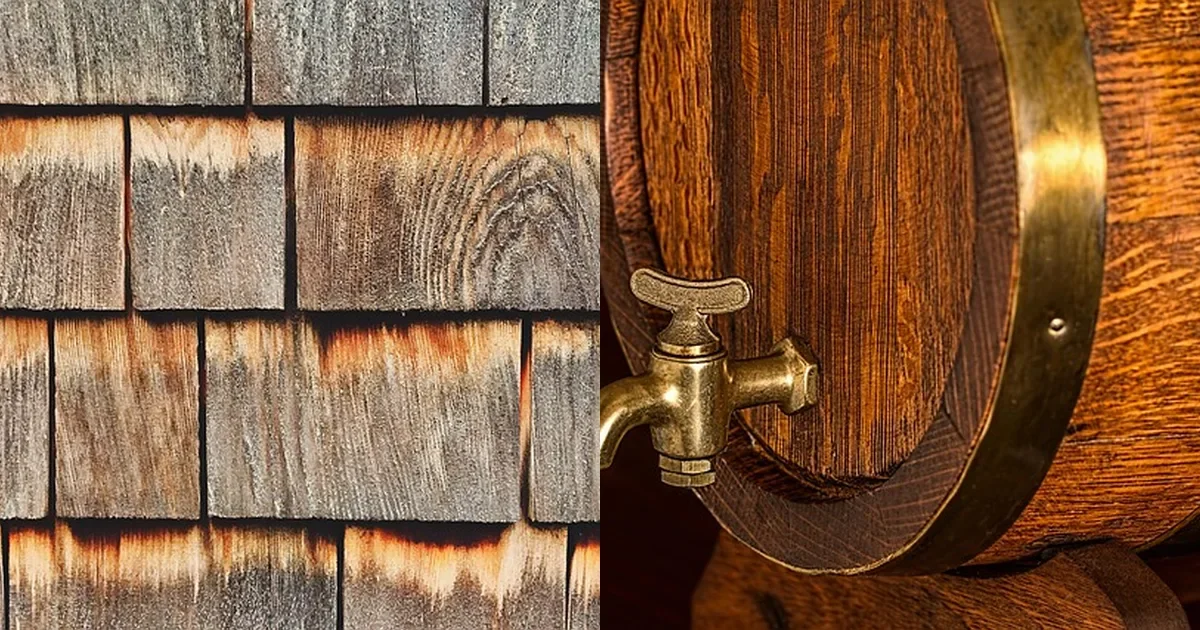
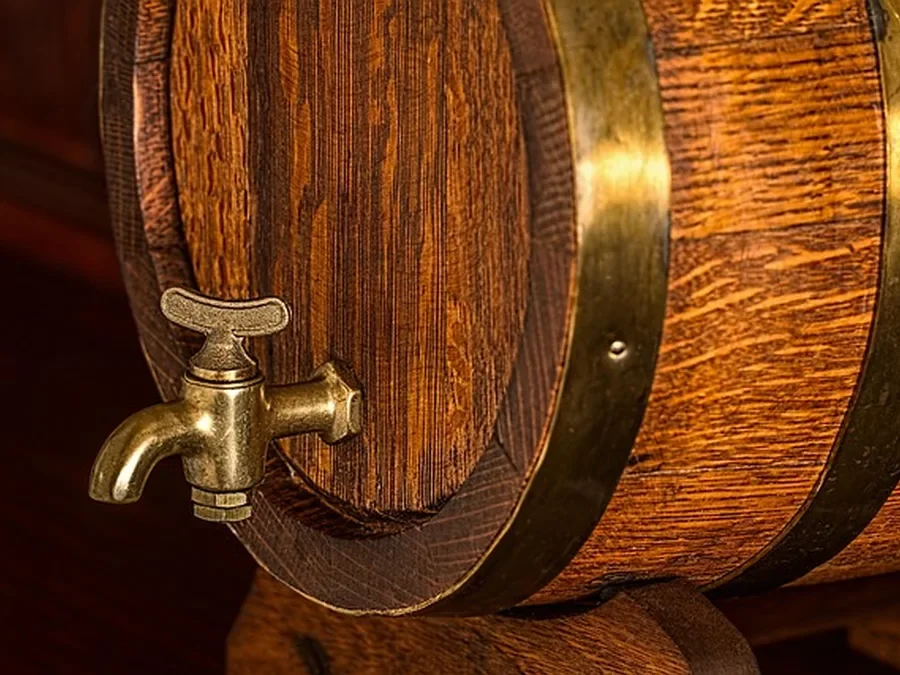
Those same properties carry into modern use: cedar still lines closets and saunas because thujaplicin’s scent and moisture tolerance hold up in humid, enclosed spaces, while oak’s density and tight grain remain the standard for flooring that has to survive decades of foot traffic and for wine barrels, where white oak’s low porosity keeps liquid from seeping through the stave.
Characteristics Of Cedar
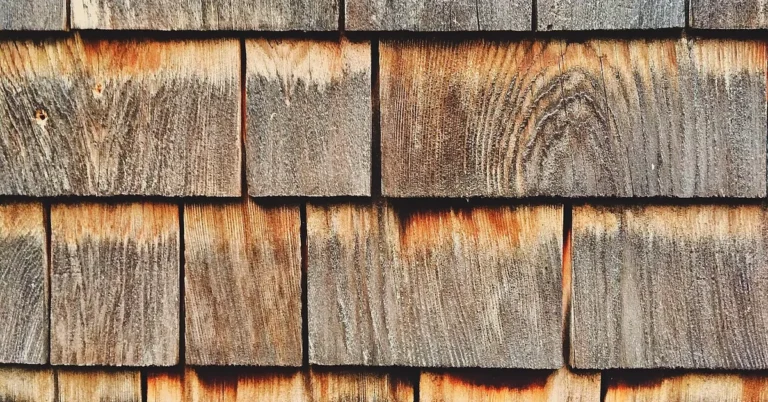
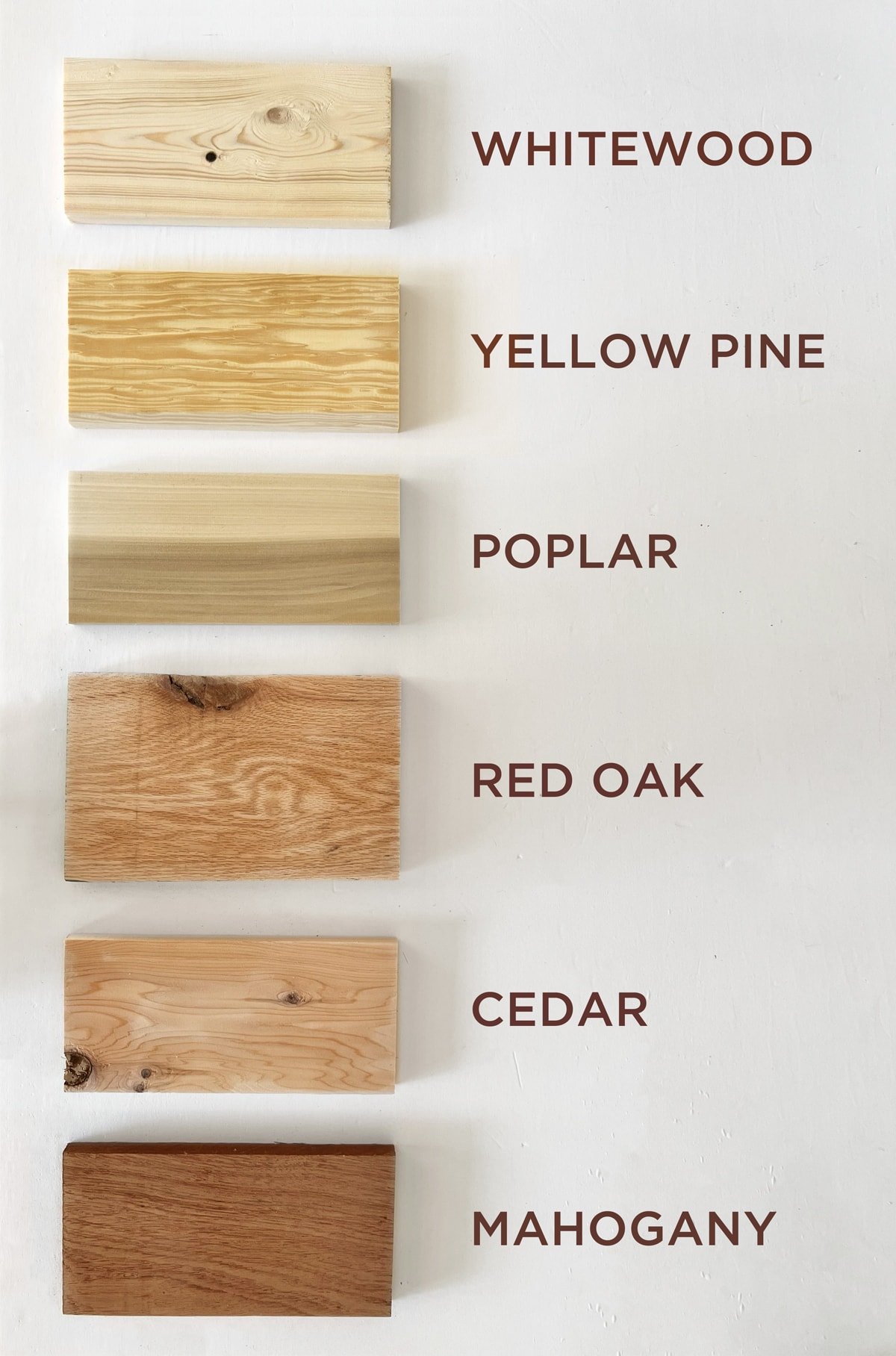
Cedar’s heartwood runs reddish-brown to pink, often with darker streaking and knots that most people consider part of the wood’s rustic character rather than a defect – unlike hardwoods, where knots are typically graded out of premium stock, cedar is frequently sold and used specifically for its knotty appearance.
On the Janka hardness scale, western red cedar measures around 350 lbf – roughly a third the hardness of red oak’s 1,290 – so it dents and scratches far more easily under impact. What it lacks in hardness it makes up for in rot resistance: cedar’s natural oils and extractives are fungicidal, which is why untreated cedar fence posts commonly last 15-20 years in ground contact where an untreated hardwood would fail in a fraction of that time.
That same oil content produces cedar’s signature aroma, and it’s not just a pleasant smell – thujaplicin, the compound responsible for it, is genuinely toxic to moths and moth larvae, which is the actual mechanism behind cedar’s reputation for protecting stored wool and fabric, not folklore. That natural insect resistance fades over years as the surface oils oxidize, which is why cedar closets benefit from a light sanding every few years to expose fresh, aromatic wood underneath.
Characteristics Of Oak
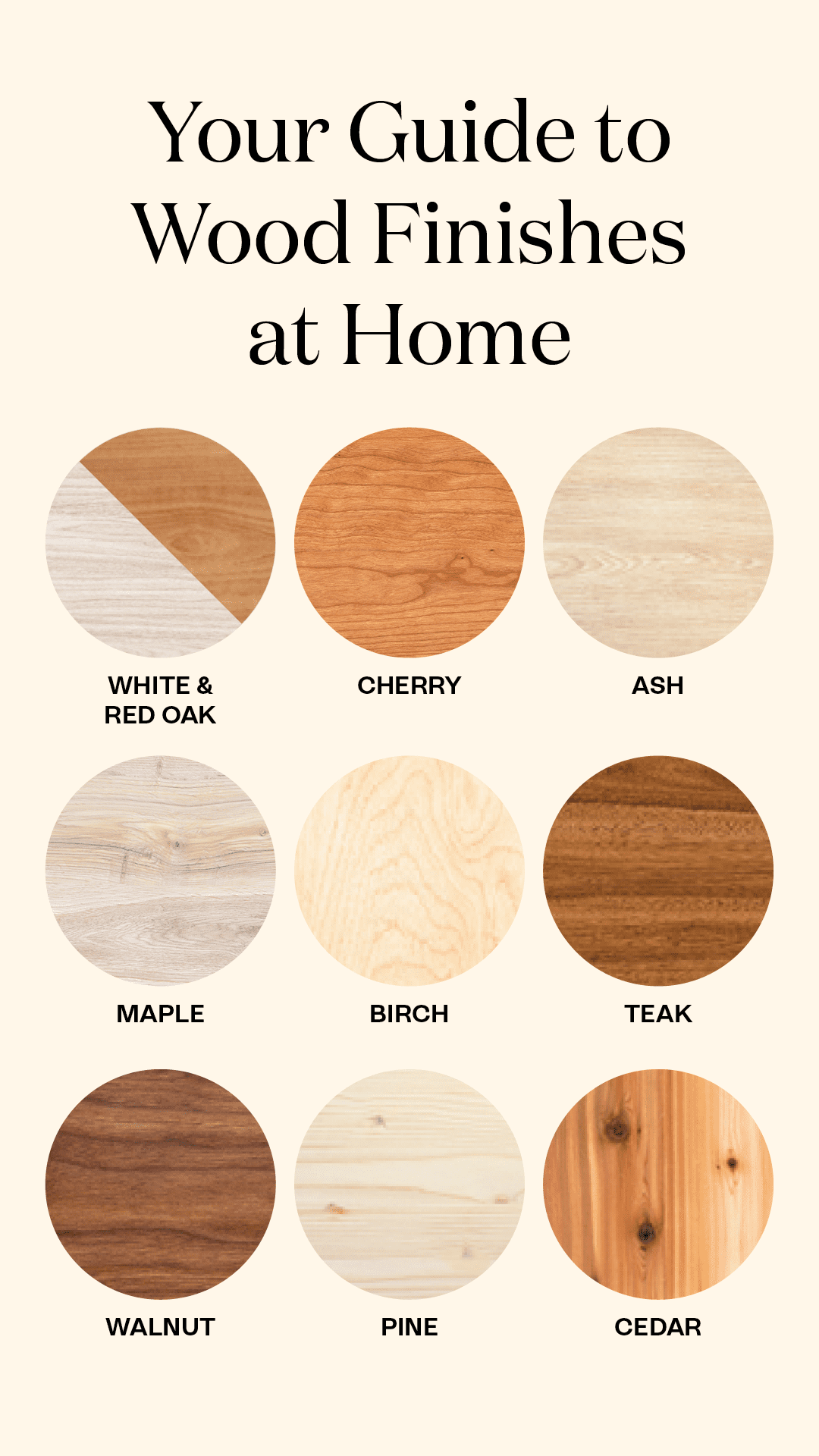
Oak’s color runs from white oak’s tan-to-olive-brown through red oak’s pinkish-tan, and both species take a natural, even shine when finished – a big part of why oak has been a default furniture and flooring wood for centuries rather than just a strong one.
On hardness, red oak measures around 1,290 lbf and white oak around 1,360 – nearly four times cedar’s 350 – which is what actually gives oak its reputation for durability under foot traffic and heavy furniture use rather than any special treatment. That density is also why oak requires sharper tools and more effort to machine than cedar.
Oak’s grain runs straight and open in most boards, with quartersawn cuts (specifically white oak) revealing pronounced medullary ray flecking that’s prized in Arts and Crafts and Mission-style furniture. The open pore structure that creates this texture is also functional: it’s why oak absorbs stain more deeply than tighter-grained woods, producing the rich, dark tones associated with traditional oak furniture.
Credit: www.jennasuedesign.com
Cedar Vs Oak: Cost Comparison
Pricing varies by region and species, but Western red cedar typically runs comparable to or somewhat above red oak per board foot, largely because cedar lumber yield per log is lower (more waste from knots and a smaller usable heartwood diameter in commercially available trees) rather than because it’s inherently a “premium” wood. Oak’s wide commercial availability, driven by decades of steady demand for flooring and furniture, keeps its price relatively stable and predictable by comparison.
Where the cost math shifts is total ownership: an unsealed cedar fence or deck can go a decade or more with just an occasional wash, while oak used outdoors needs a maintained sealant or paint film to avoid moisture damage, since oak lacks cedar’s natural decay resistance. Indoors, where neither wood faces weather, oak’s much greater hardness means less long-term wear-and-tear cost on flooring and high-use furniture, which can offset its similar or lower upfront price over the life of the piece.
Cedar Vs Oak: Workability
Cedar’s low density (350 Janka) means it cuts cleanly with hand tools and dulls blades far more slowly than hardwood, which is exactly why it’s a common recommendation for a first furniture or outdoor build – mistakes are easier to correct and the material forgives less-than-perfect technique.
Oak’s hardness cuts both ways for workability: it holds crisp joinery and screws better than soft cedar, but it requires sharp carbide-tipped blades, more clamping force, and generally more patience to shape, which is why it’s usually recommended once you’re past beginner-level hand-tool work.
Cedar’s natural oil content means it takes an oil-based finish evenly with minimal grain-raising, giving a smooth result with little prep – see our guide to Maloof-style hand-rubbed finishes for a technique that suits cedar particularly well. Oak’s coarser, more open grain needs a pre-stain conditioner or a patient multi-coat approach to avoid blotching, but it rewards the extra step with a deep, rich color that a tighter-grained wood like cedar can’t match.
Best Uses For Cedar
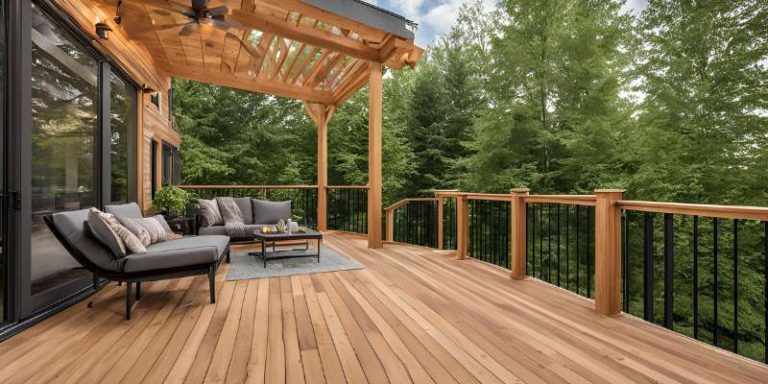
Cedar’s combination of natural decay resistance and light weight is what makes it the standard choice for fences, decking, and outdoor furniture that will see rain and sun for years without a maintained paint or sealant coat – untreated cedar fencing routinely lasts 15-20 years in ground contact, well beyond what an untreated softwood like pine manages in the same conditions.
Indoors, cedar’s aromatic oils are the real reason it shows up in closets and chests – the thujaplicin compound genuinely deters clothes moths, not just masks odors – and its low weight and easy workability make it a forgiving choice for DIY furniture and paneling projects where you want a warm, aromatic wood without oak’s higher cost in tool wear and effort.
Best Uses For Oak
Oak excels in furniture making, flooring, and cabinetry. Its durability and classic look make it a top choice for long-lasting pieces.
Furniture Making
Oak’s roughly 1,290-1,360 Janka hardness lets it handle the daily stress of dining chairs and tables – repeated weight-bearing, chair legs scraping across floors, kids climbing on furniture – without the dents and wear that would show up on a softer wood within a few years. That durability, combined with a grain pattern distinct enough to make each piece look individual, is why oak furniture built decades ago is still functional and commonly refinished rather than replaced.
Flooring And Paneling
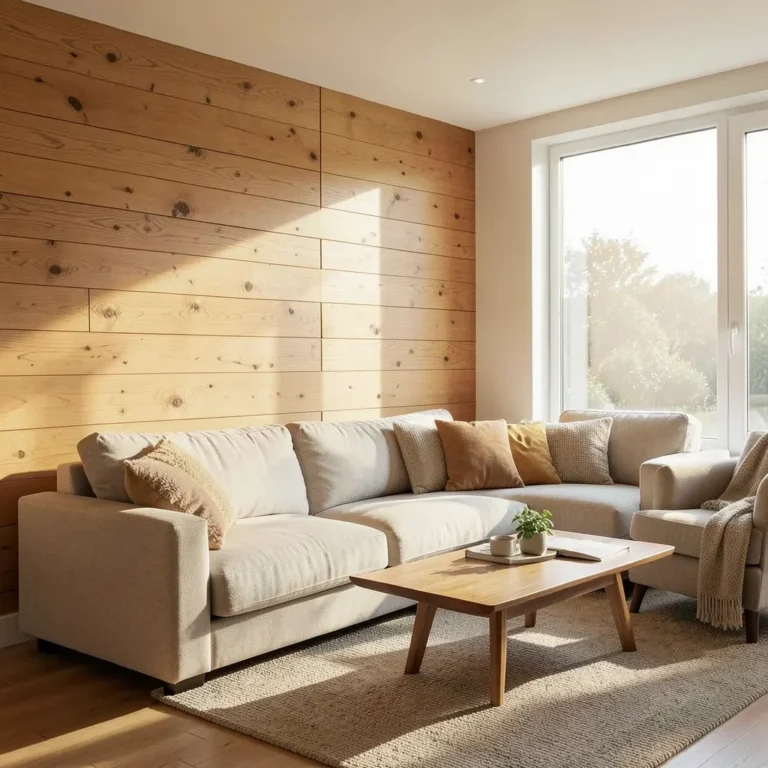
Oak remains one of the most common domestic hardwood flooring species specifically because its hardness resists the dents and scratches of daily foot traffic, furniture legs, and dropped objects far better than softer species. As wall paneling, that same durability is less relevant than the visual warmth of its grain, but oak’s stability (less prone to warping than many woods as humidity shifts) makes it a reliable choice for a paneling installation meant to stay flat for decades.
Credit: www.apartmenttherapy.com
Environmental Impact
Cedar and oak sit on different growth timelines: western red cedar reaches commercial harvest size in roughly 40-60 years under managed forestry, while oak generally needs well over a century to mature, which makes cedar the faster-renewing resource of the two on paper. In practice, sourcing (certified, managed forestry versus old-growth logging) matters more for either wood’s actual environmental footprint than the species choice alone – look for FSC certification on either wood if sustainability is a deciding factor.
Buying regionally – cedar in the Pacific Northwest, oak in the eastern hardwood belt, for instance – cuts transport emissions substantially compared to shipping either species long-distance, and also tends to mean fresher-cut lumber with less time sitting in a supply chain.

Credit: www.clinescraftedwoodworking.com
Frequently Asked Questions
Is Cedar Wood Better Than Oak?
Cedar wood is lighter and resistant to insects. Oak is stronger and more durable. Choice depends on your specific needs.
What Are The Disadvantages Of Cedar Wood?
Cedar wood can be expensive and prone to scratches and dents. It requires regular maintenance and can fade over time.
Does Cedar Burn Hotter Than Oak?
No – oak actually burns hotter and longer than cedar. Oak’s density gives it a much higher heat output per cord (roughly 29-30 million BTU for white oak versus around 13-17 million BTU for cedar), and that same density means oak burns down more slowly. Cedar ignites faster and is popular for kindling and quick fires, but it’s not the hotter- or longer-burning wood of the two.
What Is So Special About Cedar Wood?
Cedar wood is special for its natural resistance to decay, insects, and moisture. It has a pleasant aroma and attractive appearance, making it ideal for furniture, closets, and outdoor structures.
Conclusion
Choosing between cedar and oak depends on your needs. Cedar is lightweight and resistant to decay. Oak is strong and durable, perfect for heavy-duty use. Both woods offer unique benefits. Consider your project’s requirements and budget. Both options provide excellent quality.
Each type of wood brings its own charm and functionality. Make an informed choice based on your specific needs. Whether for furniture or building, cedar and oak are reliable options.
Sponsored / affiliate links. As an Amazon Associate I earn from qualifying purchases. I may earn additional commission from eligible campaigns.