Can Cherry Juice Help With Gout? The Essential Guide
Yes, growing evidence suggests that cherry juice, particularly from tart cherries, can help manage gout. Cherries contain powerful anti-inflammatory compounds called anthocyanins, which may help reduce the frequency of gout attacks and lower uric acid levels in the blood. While not a cure, it is a promising natural addition to a comprehensive gout management plan.
Living with gout can be incredibly painful. One minute you’re fine, and the next, a sudden, sharp pain strikes a joint, often your big toe. It can feel hot, swollen, and so tender that even a bedsheet resting on it is unbearable. If this sounds familiar, you’re not alone. Gout is a common form of inflammatory arthritis, and finding relief is a top priority.
You may have heard people talking about a simple, natural remedy: cherry juice. But can a fruit drink really help with such an intense condition? We’re here to look at the evidence, explain how it might work, and give you a clear guide on using it safely. Let’s dive in and explore the science behind this popular home remedy.
What Exactly Is Gout? A Simple Breakdown
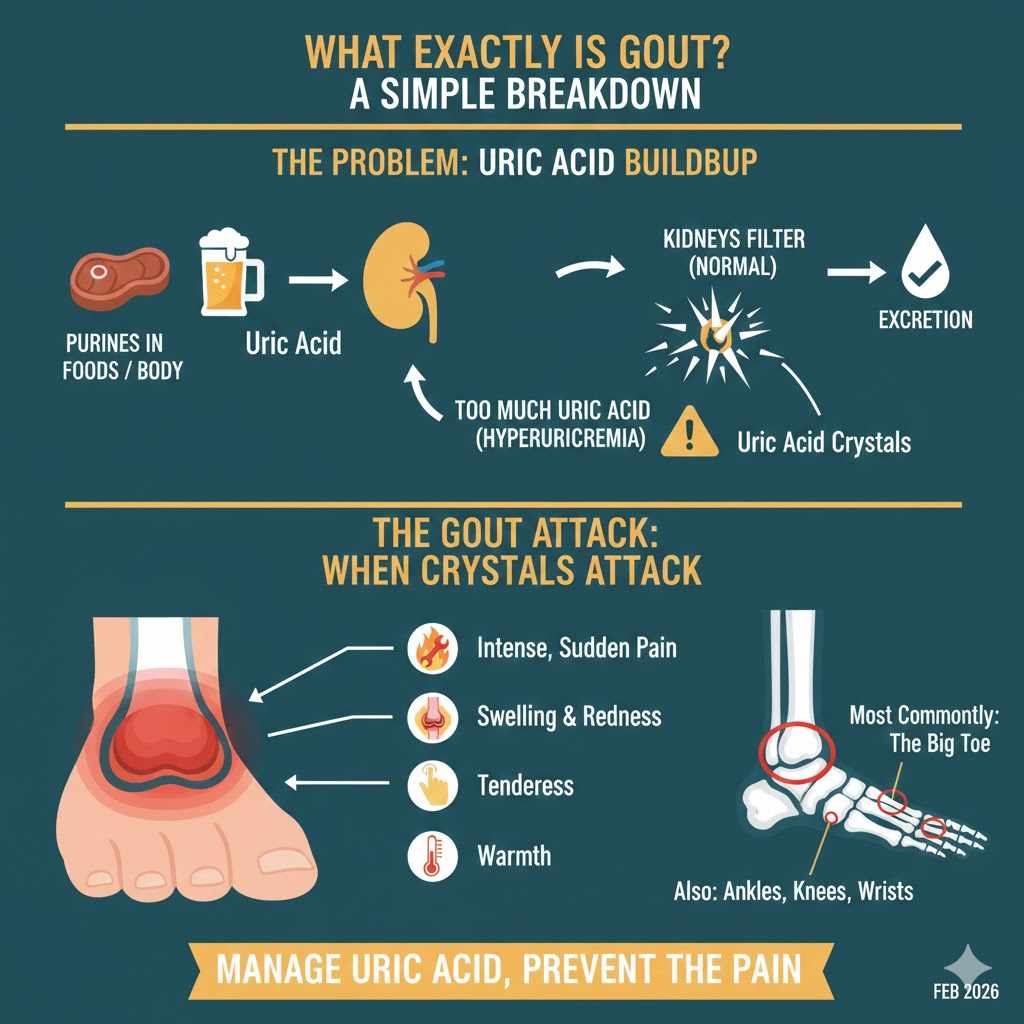
Before we explore how cherries might help, let’s quickly understand what gout is. Think of it as a problem of too much of a good thing gone bad. Your body produces a substance called uric acid when it breaks down purines, which are found naturally in your body and in certain foods.
Normally, your kidneys filter out this uric acid, and it leaves your body through urine. But sometimes, your body either produces too much uric acid or your kidneys can’t get rid of it fast enough. When this happens, the uric acid can build up in your bloodstream, a condition called hyperuricemia.
Over time, this excess uric acid can form tiny, needle-like crystals. These sharp crystals can accumulate in a joint, and your body’s immune system reacts to them as if they were foreign invaders. This triggers a powerful inflammatory response, leading to the classic symptoms of a gout attack:
- Intense, sudden pain: Often described as a crushing or burning sensation.
- Swelling and redness: The affected joint looks and feels inflamed.
- Tenderness: The area is extremely sensitive to touch.
- Warmth: The joint may feel hot compared to surrounding skin.
While gout most commonly affects the big toe, it can also occur in other joints like the ankles, knees, wrists, and elbows. An attack can last for days or even weeks, and without management, these attacks can become more frequent and severe over time.
The Science Behind Cherries and Gout Relief
So, where does cherry juice fit into this picture? The connection lies in the powerful natural compounds found in cherries, especially tart cherries. The magic ingredients are believed to be anthocyanins.
What are Anthocyanins?
Anthocyanins are a type of flavonoid, which is a plant pigment that gives fruits like cherries, blueberries, and raspberries their deep red, purple, and blue colors. But they do more than just make fruit look appealing. Anthocyanins are known for two key properties that are highly relevant to gout:
- They are powerful antioxidants. Antioxidants help protect your body’s cells from damage caused by unstable molecules called free radicals. This cellular stress can contribute to inflammation throughout the body.
- They have strong anti-inflammatory effects. This is the most crucial part for gout sufferers. The anthocyanins in cherries appear to block the same inflammatory pathways that non-steroidal anti-inflammatory drugs (NSAIDs) like ibuprofen target. By calming this inflammation, they may help reduce the pain and swelling of a gout attack.
How Do They Help with Gout Specifically?
The benefits of cherries for gout are thought to work in two main ways:
- Lowering Uric Acid Levels: Some research suggests that consuming cherries can help the kidneys excrete more uric acid, thereby lowering its concentration in the blood. Less uric acid means a lower chance of those painful crystals forming in your joints. A study published by the National Institutes of Health (NIH) found that cherry intake was associated with a 35% lower risk of gout attacks.
- Reducing Inflammation: During a gout flare-up, the primary cause of pain is the body’s intense inflammatory reaction to the uric acid crystals. The anti-inflammatory properties of anthocyanins may help soothe this response, providing relief from the swelling and pain.
Essentially, cherry juice might offer a one-two punch against gout: helping to prevent the root cause (high uric acid) and treating the symptom (inflammation).
What the Research Actually Says
The idea of using cherries for gout isn’t just an old folk tale; it’s backed by a growing body of scientific research. While more studies are always needed, the existing evidence is very promising. Let’s look at what some key studies have found, in simple terms.
A landmark 2012 study from Boston University was one of the first major studies to get people’s attention. They followed over 600 people with gout and found that eating just 10-12 cherries per day (or consuming an equivalent cherry extract) was linked to a 35% lower risk of a gout attack. When cherry intake was combined with a common gout medication, allopurinol, the risk of an attack dropped by an impressive 75%.
Another study looked directly at cherry juice concentrate. Participants drank one tablespoon of tart cherry juice concentrate mixed with water twice a day for four months. The results showed that a significant number of participants experienced a reduction in the frequency of their gout flare-ups. Some participants went from having multiple attacks per month to none at all during the study period.
Summary of Key Research Findings
| Study Focus | Key Finding | Implication for Gout Sufferers |
|---|---|---|
| Cherry Intake and Risk of Gout Attacks (Boston University, 2012) | Consuming cherries over a 2-day period was associated with a 35% lower risk of gout attacks compared to no intake. | Regularly incorporating cherries or cherry products into the diet may help prevent flare-ups. |
| Effects on Uric Acid (Northumbria University, UK) | Drinking Montmorency tart cherry concentrate was found to lower blood levels of uric acid and reduce inflammation markers. | Cherry juice can directly address the underlying cause of gout (high uric acid). |
| Cherry Consumption and C-Reactive Protein (CRP) | Multiple studies have shown that cherry consumption leads to a decrease in CRP, a major marker of inflammation in the body. | Cherries provide a real, measurable anti-inflammatory effect that can ease gout symptoms. |
It’s important to remember that while these results are encouraging, cherry juice is not considered a “cure” for gout. It is best viewed as a complementary therapy that can be used alongside medical treatments prescribed by your doctor.
Tart vs. Sweet Cherries: Which is Better?
When you walk down the juice aisle, you might see different types of cherry juice. Does it matter which one you choose? Yes, it likely does. Most of the research on gout has focused on tart cherries, particularly the Montmorency variety.
The reason is simple: tart cherries contain significantly higher concentrations of the beneficial compounds, including anthocyanins and other antioxidants, compared to their sweeter cousins like Bing or Rainier cherries.
Comparing Tart and Sweet Cherries
| Feature | Tart Cherries (e.g., Montmorency) | Sweet Cherries (e.g., Bing) |
|---|---|---|
| Appearance | Bright red, smaller, and more delicate. Usually sold frozen, canned, or as juice/concentrate. | Darker red or purple, larger, firmer. Commonly eaten fresh. |
| Flavor | Sour, tangy taste. Often used in baking (pies) or juices. | Sweet and juicy. Ideal for snacking. |
| Anthocyanin Content | Very high. This is the main reason they are studied for health benefits. | Lower content compared to tart cherries. |
| Recommended for Gout | Yes, this is the type most recommended by experts and used in studies. | While still healthy, they are considered less effective for gout management due to lower anthocyanin levels. |
If you’re looking to use cherry juice for gout, your best bet is to find a product specifically made from tart cherries. Check the label to make sure it says “100% Tart Cherry Juice” and doesn’t contain a lot of added sugar or other fruit juices.
How to Incorporate Cherry Juice into Your Gout Management Plan
Ready to give cherry juice a try? Here’s a practical guide on how to add it to your daily routine safely and effectively.
Step 1: Choose the Right Product
Navigating the store shelves can be confusing. Look for these key things on the label:
- 100% Tart Cherry Juice: Avoid “cocktails” or “blends” that are mostly other juices (like apple or grape) with a splash of cherry for flavor.
- Not from Concentrate (if possible): While juice from concentrate is still effective, some believe “not from concentrate” is closer to its natural state.
- No Added Sugar: Extra sugar adds unnecessary calories and can work against your anti-inflammatory goals. The juice is naturally tart; a little bit of natural sugar is okay, but added sugars should be avoided.
- Organic (Optional): If you prefer to avoid pesticides, an organic option is a great choice.
You can also find tart cherry concentrate, which is a thicker, more potent version. You simply mix a tablespoon or two with water or add it to a smoothie.
Step 2: Determine the Right Amount
There is no official medical dosage, but research and common practice offer some good guidelines.
- For Prevention (Maintenance): Many people find success drinking about 8 ounces (1 cup) of tart cherry juice per day. This can be taken all at once or split into two 4-ounce servings.
- During a Gout Flare-Up: To help calm inflammation, you might increase your intake. Some recommend drinking up to 8 ounces two to three times a day for a few days until the flare subsides.
- For Concentrate: Follow the directions on the bottle, but a typical dose is 1-2 tablespoons of concentrate mixed with 8 ounces of water, once or twice daily.
Step 3: Consider Other Forms of Cherries
You don’t have to limit yourself to juice. Other forms can also be beneficial:
- Fresh or Frozen Tart Cherries: Eating a cup of fresh or frozen tart cherries per day can provide similar benefits. Frozen cherries are great for smoothies.
- Dried Cherries: A handful (about 1/4 cup) of dried tart cherries can be a good snack, but be mindful of the sugar content, as it can be more concentrated.
- Cherry Extract Supplements: For those who don’t like the taste or want to avoid the sugar and calories in juice, cherry extract capsules are an excellent alternative. They provide a concentrated dose of anthocyanins. Look for a reputable brand and follow the dosage on the label.
Potential Risks and Side Effects to Consider
While cherry juice is natural and generally very safe for most people, there are a few things to keep in mind.
- Sugar Content: Even 100% juice with no added sugar still contains natural sugars. If you have diabetes or are monitoring your sugar intake, this is an important consideration. A cup of tart cherry juice can have around 30 grams of sugar. Cherry extract capsules are a sugar-free alternative.
- Calories: That same cup of juice has about 140 calories. If you’re managing your weight (which is important for gout), be sure to account for these extra calories in your daily diet.
- Digestive Issues: Cherries contain sorbitol, a type of sugar alcohol that can cause gas, bloating, or diarrhea in some people, especially when consumed in large quantities. If you have a sensitive stomach, start with a smaller amount to see how you react.
- It’s Not a Replacement for Medicine: This is the most important point. Cherry juice should be seen as a helper, not a hero. Never stop taking your prescribed gout medication without talking to your doctor. Use cherry juice as part of a holistic plan that includes medication, diet, and other lifestyle changes.
Beyond Cherries: A Holistic Approach to Managing Gout
Cherry juice can be a fantastic tool in your gout management toolkit, but it’s most effective when it’s part of a broader strategy. According to the Arthritis Foundation, lifestyle changes play a huge role in preventing gout attacks.
Key Lifestyle Tips for Gout Control:
- Stay Hydrated with Water: Drinking plenty of water is one of the best things you can do. Water helps your kidneys flush uric acid out of your system more efficiently. Aim for 8-12 glasses per day.
- Adjust Your Diet: Since uric acid is produced from purines, limiting high-purine foods can make a big difference. These include:
- Red meats (beef, lamb) and organ meats (liver, kidneys).
- Certain seafood (anchovies, sardines, mussels, scallops).
- High-fructose corn syrup (found in many sugary drinks and processed foods).
- Limit Alcohol: Alcohol, especially beer, is strongly linked to gout attacks. Beer is high in purines, and alcohol, in general, can interfere with your kidneys’ ability to remove uric acid.
- Maintain a Healthy Weight: Carrying excess weight increases your body’s uric acid production and puts more stress on your joints. Losing even a small amount of weight can significantly reduce your risk of flares.
- Exercise Regularly: Gentle, low-impact exercise like walking, swimming, or cycling can help you maintain a healthy weight and improve joint health. Avoid exercising the affected joint during a painful flare-up.
- Talk to Your Doctor: Always work with a healthcare professional to create a comprehensive gout management plan. They can prescribe medications, recommend specific dietary changes, and help you track your progress.

Frequently Asked Questions (FAQ)
1. How long does it take for cherry juice to work for gout?
For a flare-up, some people report feeling relief within 24-48 hours of consistent intake. For prevention (lowering uric acid levels), it can take several weeks of daily consumption to see a measurable effect. Consistency is key.
2. Can I just eat fresh sweet cherries from the grocery store?
You can, and they are still good for you! However, tart cherries (like Montmorency) contain much higher levels of the anti-inflammatory anthocyanins believed to help with gout. For maximum benefit, tart cherries or juice made from them are the better choice.
3. Is cherry juice concentrate better than regular juice?
Not necessarily “better,” just different. Concentrate is more potent, so you need less of it. It’s a great, cost-effective option if you mix it with water. Regular juice is convenient and ready to drink. Both are effective as long as they are 100% tart cherry with no added sugar.
4. Will cherry juice cure my gout?
No, there is currently no cure for gout. Cherry juice is a complementary therapy that can help manage symptoms and reduce the frequency of attacks. It should be used in conjunction with medical advice and other lifestyle modifications.
5. I have diabetes. Is it safe for me to drink cherry juice?
You need to be cautious. Even 100% tart cherry juice contains natural sugar, which can impact blood glucose levels. Talk to your doctor or a registered dietitian. They may suggest a very small serving size or recommend sugar-free tart cherry extract capsules as a safer alternative.
6. Can I take cherry supplements instead of drinking the juice?
Absolutely. Tart cherry extract capsules or pills are an excellent alternative. They provide a concentrated dose of the beneficial compounds without the sugar, calories, or tart taste of the juice. This makes them a great choice for people with diabetes, those watching their weight, or anyone who doesn’t like the taste.
7. Who should I talk to before trying cherry juice for gout?
It’s always a good idea to speak with your doctor or a rheumatologist before adding any new supplement or remedy to your routine, especially if you have other health conditions or are taking other medications.
Conclusion: A Sweet Addition to Your Gout Defense
So, can cherry juice help with gout? The evidence strongly points to yes. Thanks to its high concentration of anti-inflammatory and antioxidant compounds, tart cherry juice has emerged as a promising natural tool for managing this painful condition. It can help reduce the frequency and severity of attacks by lowering uric acid and calming the body’s inflammatory response.
However, it’s crucial to approach it with the right mindset. Think of cherry juice as a valuable player on your team, not the entire team itself. The most effective strategy for living well with gout is a comprehensive one: combining smart dietary choices, staying hydrated, maintaining a healthy weight, and following the treatment plan laid out by your doctor.
By adding a daily glass of tart cherry juice or a cherry extract supplement to this holistic approach, you can take another proactive step toward reclaiming control and living more comfortably. It’s a simple, natural, and delicious way to support your body in the fight against gout.