Can Chickens Eat Maple Leaves: Essential Guide
Yes, chickens can eat maple leaves, but in moderation. Maple leaves are generally safe for chickens and can offer some nutrients and fiber. However, it’s crucial to offer them only from non-toxic maple varieties and ensure they are free from pesticides. Always introduce new foods slowly and monitor your flock’s reaction.
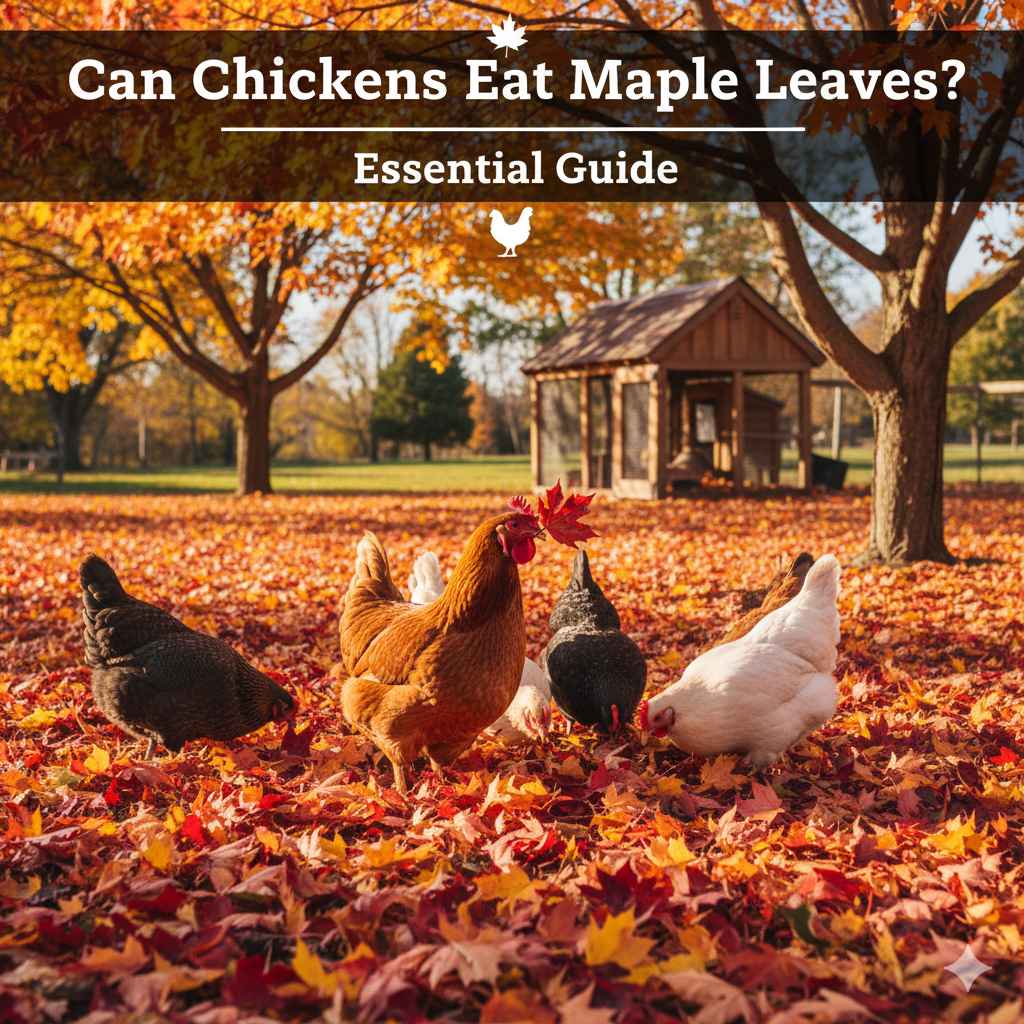
Hey there, fellow chicken keepers! Ever looked at your flock scratching around the yard and wondered about those beautiful maple leaves falling from the trees? It’s a common question, especially when you want to give your girls the best, most natural diet possible. Seeing them peck at fallen leaves might make you pause and ask, “Can chickens eat maple leaves?” It’s a great thought! You’re looking to supplement their feed with natural goodness, and that’s fantastic.
But before you let them go wild on a pile of crisp autumn foliage, we need to make sure it’s safe and beneficial. Don’t worry, figuring this out is simpler than you might think. We’ll walk through everything you need to know to safely add maple leaves to your chickens’ diet. Let’s get your flock munching happily and healthily!
Understanding Maple Leaves for Your Flock
Maple leaves can be a tasty and interesting addition to your chickens’ diet, offering a bit of variety. Think of it like giving your chickens a natural salad bar! Many backyard chicken owners are curious about feeding them various plants and herbs they find around their property. Maple trees are common in many areas, making their leaves a readily available foraging opportunity.
When considering any new food for your chickens, the first and most important step is always safety. With maple leaves, this means knowing which types of maple trees are safe and how to offer the leaves to avoid any potential problems. We want to ensure we’re providing a treat, not a hazard. This guide will help you navigate that, so you can feel confident about what you’re offering your feathered friends.
Are All Maple Leaves Safe? Identifying Varieties
This is a key point! While most maple species (Acer) are considered non-toxic to chickens, it’s always best to be certain. The vast majority of common maple trees grown for their shade or fall color are safe. However, it’s wise to be aware of any potential look-alikes or less common varieties that might pose a risk. When in doubt, always err on the side of caution and avoid feeding.
You can typically identify a maple tree by its distinct, palm-shaped leaves, often with three to five lobes, and the characteristic winged seeds called samaras, commonly known as “helicopters” or “whirligigs.” Most ornamental and shade trees you see in residential areas are safe bets.
The Key Takeaway:
- Stick to commonly known maple varieties found in parks, yards, and forests.
- If you’re unsure of the tree species, it’s best not to feed its leaves to your chickens.
- Consult local horticultural resources or a university extension office if you need help identifying a specific tree.
Nutritional Value of Maple Leaves
Maple leaves aren’t a complete feed, but they do offer some nutritional benefits that can complement your chickens’ regular diet. They contain fiber, which is great for the digestive system. Chickens are natural foragers, and incorporating leafy greens like maple leaves taps into their natural instincts.
These leaves can also provide trace amounts of vitamins and minerals. While not a significant source, every little bit helps in a varied diet. Think of them as a healthy, free-range snack that encourages natural foraging behavior, keeping your chickens active and engaged.
For instance, studies on various tree leaves used for animal fodder have shown a range of nutritional content. For example, research published by the USDA Agricultural Research Service on the chemical composition of plant species, while broad, indicates that leaves contain fiber, protein, and various micronutrients. While specific data for every maple variety fed to chickens is limited, the general composition suggests they can contribute positively to a balanced diet.
How to Safely Feed Maple Leaves to Chickens
Now that we know maple leaves are generally safe, let’s talk about the best way to offer them to your flock. It’s all about preparation and portion control to ensure your girls get the most benefit without any downsides.
Preparation is Key: Cleaning and Drying
Before you toss any leaves into the chicken run, a little preparation is necessary. Wild plants can sometimes carry contaminants like pesticides, herbicides, or diseases. It’s crucial to ensure the leaves are clean and safe.
- Source Wisely: Collect leaves from maple trees that you know haven’t been sprayed with any chemicals. Avoid areas near busy roadsides where exhaust fumes might settle, or industrial zones. Your own backyard is often the safest source if you don’t use pesticides.
- Wash Thoroughly: Even if you trust the source, it’s a good idea to give the leaves a good rinse under clean water. This helps remove any dust, dirt, or potential residues.
- Dry Them Out: While chickens can eat fresh leaves, some owners prefer to let them wilt or dry slightly. This can make them more palatable for some birds and reduces the moisture content. You can spread them out on a clean tarp or surface for a day or two. Avoid letting them get moldy.
Introducing Maple Leaves: Start Small!
Like any new food, it’s essential to introduce maple leaves gradually. Your chickens’ digestive systems are sensitive, and a sudden change can lead to upset stomachs or diarrhea. Start with a small handful for your entire flock and see how they react.
- Offer a Little: Begin by scattering a few leaves in their run or coop.
- Observe Their Interest: See if they peck at them. Some chickens are more adventurous eaters than others.
- Monitor Their Droppings: For the first few days, keep an eye on their droppings. If you notice any loosening or other unusual signs, stop feeding the leaves and consult with a vet or experienced chicken keeper.
- Increase Gradually: If they enjoy them and have no ill effects, you can slowly increase the amount you offer.
When to Avoid Feeding Maple Leaves
While generally safe, there are times when you should refrain from feeding maple leaves:
- During Fall Leaf Drop: As leaves decompose on the ground, they can become a breeding ground for mold and bacteria. Only offer fresh or recently fallen leaves that are still vibrant.
- If Sprayed with Chemicals: Absolutely avoid leaves from trees treated with pesticides, herbicides, or fungicides. The residual chemicals can be toxic to your flock.
- If They Appear Diseased: Don’t feed leaves that look wilted, discolored (beyond natural fall changes), or show signs of disease.
What Part of the Maple Tree is Safe?
When we talk about feeding maple leaves, we’re referring to the actual leaves that grow on the branches. What about other parts of the maple tree?
Maple Leaves
As discussed, the leaves are the primary part of the maple tree considered safe and beneficial, in moderation. They are rich in fiber and can supplement a chicken’s diet.
Maple Bark and Twigs
Young, tender twigs and bark might be eaten by chickens if they are foraging, but they are not typically a primary food source. They are hard to digest and offer minimal nutritional value for chickens compared to leaves or their standard feed. It’s best to focus on the leaves.
Maple Sap and Syrup
Maple sap is mostly water with some sugars. While chickens might be curious, feeding them large amounts of sap or syrup is not recommended. The high sugar content can be detrimental to their health, leading to obesity or digestive issues. Think of it like sugary human treats – occasional and very minimal is fine, but not a regular part of their diet.
Maple Seeds (Samaras)
The “helicopters” or samaras are generally considered safe. Chickens might peck at them, especially when they are young and green. They offer some carbohydrates but aren’t a significant nutritional source.
Potential Benefits of Maple Leaves for Chickens
Incorporating maple leaves into your chickens’ diet can offer several advantages:
- Encourages Natural Foraging: Chickens are natural foragers. Giving them opportunities to explore and peck at leaves satisfies their instinctual behaviors, keeping them mentally stimulated and active. This can reduce boredom and prevent feather-pecking or other stress-related behaviors.
- Source of Fiber: The fiber content in maple leaves aids in promoting a healthy digestive system. Fiber helps move food through the gut, contributing to better nutrient absorption and overall gut health.
- Dietary Variety: A varied diet is a healthy diet. Adding natural greens like maple leaves provides a range of nutrients and textures that can be more exciting and beneficial than a monotonous feed.
- Supplementation: While not a replacement for formulated chicken feed, leaves can act as a natural supplement, providing trace vitamins and minerals that might be lacking or enhancing their intake.
- Cost-Effective Treat: If you have maple trees on your property, this is a free and readily available treat for your flock.
Potential Risks and Things to Watch Out For
While maple leaves are generally safe, it’s important to be aware of potential risks to ensure your chickens remain healthy and happy.
Toxicity Concerns (Rare)
As mentioned, most common maples are non-toxic. However, there are hundreds of species, and a handful could potentially cause mild issues if ingested in very large quantities by susceptible animals. The main worry isn’t typically the leaves themselves but what might be on them. The important thing is to ensure the leaves are from a known, safe variety and are free of contaminants.
Pesticides and Herbicides
This is the most significant risk associated with feeding any wild plant. Leaves that have been treated with agricultural sprays can be toxic to chickens. Always know the history of the tree you are collecting from. If you cannot be 100% certain they are chemical-free, do not feed them.
Mold and Decomposition
Decomposing leaves, especially those left in damp piles for extended periods, can develop mold. Ingesting moldy material can lead to respiratory problems, digestive upset, or mycotoxicosis (poisoning from fungal toxins) in chickens. This is why it’s best to feed fresh or lightly wilted leaves, not old, rotting piles.
Digestive Upset
Introducing any new food too quickly or in too large a quantity can cause digestive upset, such as diarrhea. This is why a gradual introduction is crucial. If your chickens aren’t used to foraging on greens, start with very small amounts.
Choking Hazard
While less common with leaves than, say, whole corn cobs, any new food item can potentially pose a choking hazard if a chicken tries to swallow a piece that is too large. Ensure leaves are not overly large or tough.
How Much is Too Much? Portion Control
Maple leaves should be considered a treat or supplement, not a staple. Here’s a general guideline for portion control:
- As a Treat: Offer maple leaves a few times a week, rather than daily.
- Small Amounts: A good rule of thumb is to offer an amount that your chickens can consume within an hour or two. If you’re providing a large pile, they might gorge themselves.
- Observe Consumption: Pay attention to how quickly they eat the leaves. If you put a big bunch out and they ignore it for days, you’re likely offering too much.
- Balance with Regular Feed: Always ensure their primary diet is a high-quality, balanced chicken feed. Maple leaves should make up no more than 10-15% of their total diet on any given day they are offered. The majority of their nutrition should come from their commercial feed.
Maple Leaf vs. Other Edible Greens for Chickens
Your chickens have a broad palate, and many greens are safe and beneficial. How do maple leaves stack up?
Table: Edible Greens for Chickens and Their Benefits
| Green Item | General Safety | Key Benefits | Notes |
|---|---|---|---|
| Maple Leaves | Generally Safe (non-toxic varieties, pesticide-free) | Fiber, natural foraging, dietary variety | Offer in moderation, ensure cleanliness. |
| Lettuce (Romaine, Leaf Lettuce) | Safe | Hydration, vitamins (A, K), minerals | High water content; large amounts can cause diarrhea. Avoid iceberg lettuce (low nutrition). |
| Spinach | Safe in moderation | Vitamins (A, C, K), iron, calcium | Contains oxalates, which can bind calcium. Feed sparingly. |
| Kale | Safe | High in vitamins (A, C, K), calcium, antioxidants | Nutrient-dense; can be fed more freely than spinach. |
| Herbs (Parsley, Mint, Basil, Cilantro) | Safe | Vitamins, minerals, antioxidants, potential medicinal benefits | Great as a healthy treat and for encouraging foraging. |
| Dandelion Greens | Safe | Vitamins (A, C, K), calcium, antioxidants, fiber | Excellent forage; chickens love them! |
| Broccoli/Cauliflower Leaves | Safe | Vitamins, fiber | Offer in moderation; can cause gas in some birds if fed in excess. |
Maple leaves fit well into this category of beneficial green treats. They offer a unique texture and are readily available in many environments. Their primary advantage might be their sheer abundance during certain times of the year and the encouragement of natural foraging behaviors.
Frequently Asked Questions About Chickens Eating Maple Leaves
Here are some common questions chicken keepers have about feeding maple leaves:
Q1: Can baby chicks eat maple leaves?
It’s best to wait until chicks are at least a few weeks old before introducing any new solid foods beyond their starter feed. Even then, start with very small, finely chopped pieces. Their digestive systems are more delicate than adult chickens, so introduce any greens very slowly and in tiny amounts.
Q2: What are the signs my chickens don’t like maple leaves?
If chickens are uninterested, they will simply ignore the leaves. If they eat them and then show signs of illness like lethargy, reduced egg production, or unusual droppings (very watery or a strange color), it could be a reaction to the leaves or something else they’ve eaten. Always monitor your flock closely.
Q3: Can I feed my chickens dried maple leaves?
Yes, dried maple leaves can be offered, but ensure they are not moldy. Dried leaves can be less appealing to some chickens and may have less nutritional value than fresh ones. They are still a source of fiber.
Q4: Are there any parts of the maple tree that are toxic?
The vast majority of common maple trees (genus Acer) are considered non-toxic to chickens and most livestock. The primary concern is usually contamination from external sources (pesticides, pollution) or if the leaves are significantly decomposed and moldy. Always stick to well-known, safe tree varieties.
Q5: How should I store maple leaves for later use?
If you gather more leaves than you can use immediately, you can air-dry them in a well-ventilated area away from sunlight and moisture. Once completely dry, store them in breathable sacks or bins in a cool, dry place. Inspect them for mold before feeding to ensure they are still safe.
Q6: Can chickens eat leaves that have fallen on the lawn?
Yes, if your lawn is free from pesticides and herbicides, your chickens can enjoy leaves that have fallen there. It’s a great way for them to supplement their diet naturally. Just ensure the leaves are clean and not overly old or decomposing.
Conclusion
So, can chickens eat maple leaves? Absolutely! When approached with the right knowledge and care, maple leaves can be a wonderful, natural treat for your flock. They encourage natural foraging behaviors, offer a good source of fiber, and add a touch of dietary variety to your chickens’ lives. Remember the golden rules: always identify your maple trees to ensure they are non-toxic varieties, collect leaves only from areas you know are free of pesticides and pollutants, and introduce them gradually to your flock.
By preparing the leaves properly and offering them in moderation alongside their balanced feed, you can confidently enhance your chickens’ diet with these readily available gifts from nature. Observing your flock eagerly pecking at fresh maple leaves is a rewarding experience, connecting you even more to the joys of backyard chicken keeping. Happy foraging!