Can Mdf Make You Sick? Uncover the Health Risks
Have you ever wondered if the materials in your home could impact your health? If you’ve heard of MDF (Medium Density Fiberboard) and are curious about its effects, you’re in the right place.
MDF is a popular choice for furniture and cabinetry due to its affordability and versatility. But how safe is it really? You may not realize that MDF can release substances that might affect your well-being. It’s crucial to understand what you’re bringing into your living space.
Could something as seemingly harmless as MDF be making you sick? Dive into this article to uncover the truth about MDF and its potential health risks. You deserve to feel safe and comfortable in your home, so let’s explore whether MDF is compromising that.
What Is Mdf?
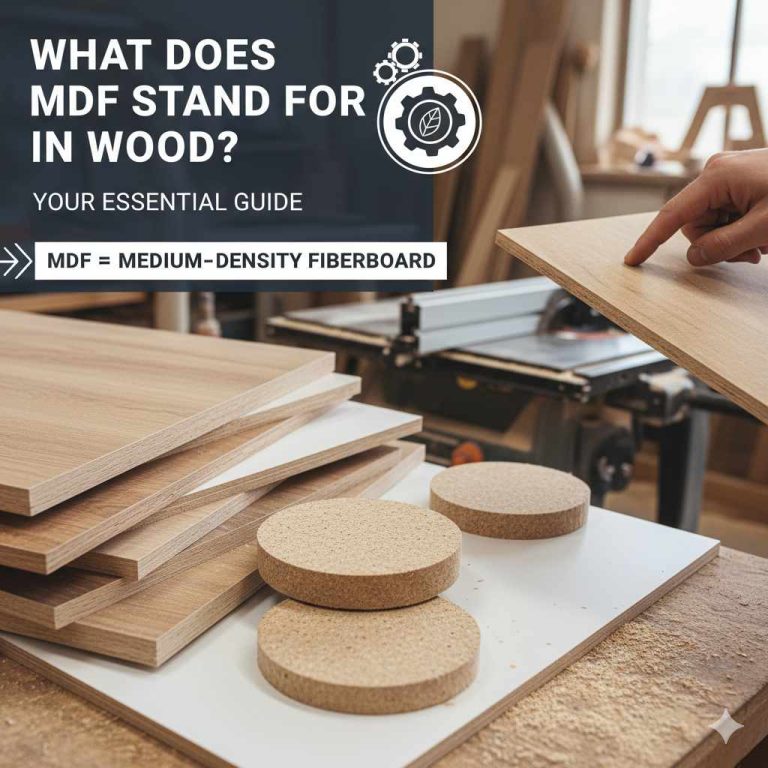
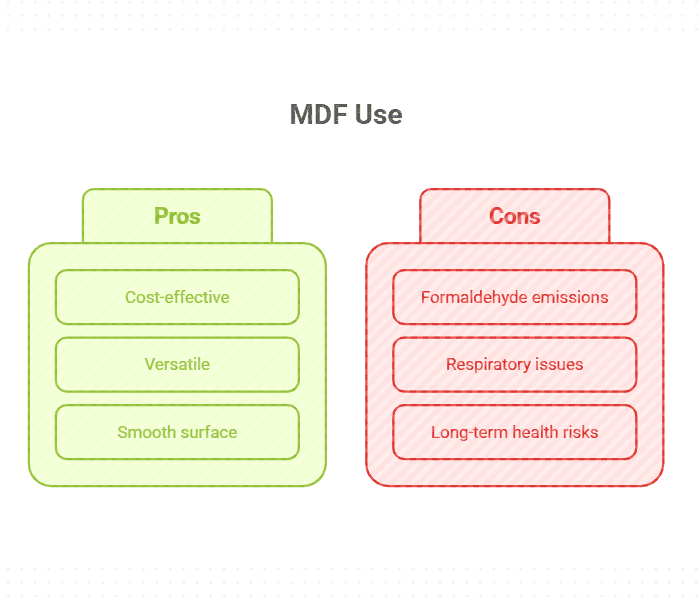
MDF stands for Medium-Density Fiberboard. It is a type of wood product. People use it for furniture and building. MDF is made by breaking down wood into fibers. These fibers are mixed with wax and resin. Then, they are pressed into sheets. MDF is very smooth and easy to shape. It is also cheaper than real wood. But MDF can release formaldehyde. Formaldehyde is a chemical. It can be harmful to breathe in.
Using MDF in your home means you might breathe in formaldehyde. This can cause problems for your health. Some people feel sick or get headaches. Others might have allergies. It is important to have good ventilation in rooms with MDF. This helps keep the air clean. Choosing MDF with low formaldehyde can be safer. Always check labels before buying. This keeps your home healthier.
Common Uses Of Mdf
MDF is a popular material in many homes. It is used to make furniture like tables and chairs. Many cabinets in kitchens are made from MDF. This is because MDF is smooth and easy to paint. Shelves in living rooms and bedrooms are often MDF too. It is also used in making doors and moldings. Builders like MDF for its low cost. It is also easy to cut and shape.
Some people use MDF for crafts and decorations. It is a favorite for DIY projects. Many toys are made from MDF. It can be used to make picture frames too. MDF is versatile and found in many places. But, it is important to handle it safely. Dust from cutting MDF can be harmful. Always wear a mask when working with MDF.
Composition Of Mdf
MDF stands for Medium Density Fiberboard. It is made of wood fibers mixed with adhesives. These fibers are tiny pieces of wood. They are held together by glue. This glue helps keep the board strong. MDF boards are used in furniture and building. They are smooth and easy to paint.
Formaldehyde is a chemical in MDF. It helps the wood fibers stick together. This chemical can be dangerous. Breathing too much of it can be harmful. It may cause throat irritation and cough. Many MDF boards have low formaldehyde now. People should be careful when using MDF. Make sure the room has fresh air.

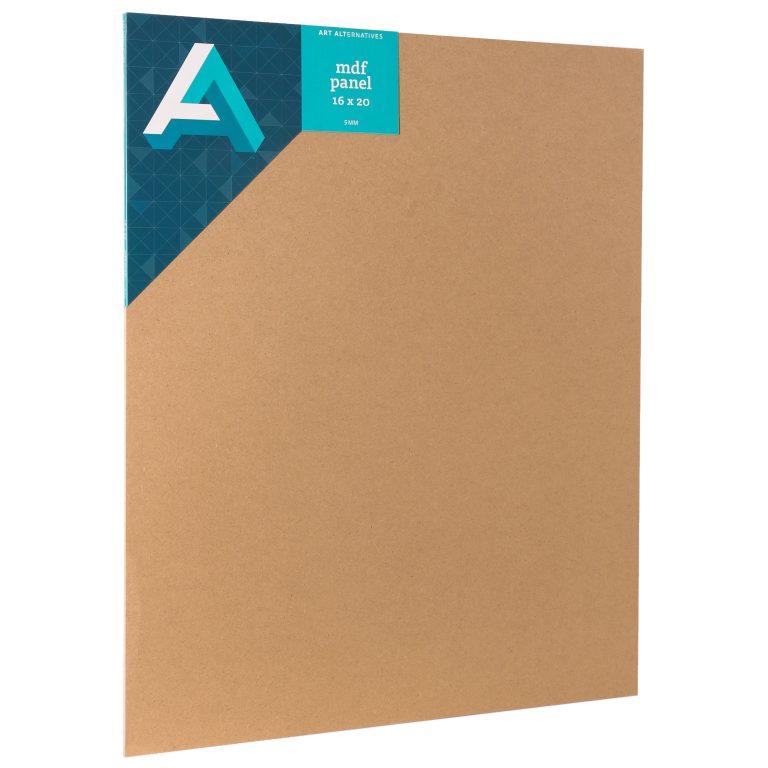
Credit: www.amazon.com
Health Concerns
MDF, or Medium Density Fiberboard, often contains formaldehyde. This chemical helps bind the wood fibers. Formaldehyde can release into the air. Breathing it can cause health problems. Some people might feel sick. Others could have trouble breathing. Even eyes can get irritated. It’s important to have good air flow in rooms with MDF. This helps reduce the risk.
Cutting MDF creates a lot of dust. This dust can be harmful if inhaled. Some people might cough or sneeze. Others could have itchy eyes. Wearing a mask can help. Keeping the work area clean is also important. Use a vacuum to clean dust. This keeps the air safer to breathe.
MDF can release other chemicals over time. This is called off-gassing. These chemicals might have strong smells. Some people might feel dizzy. Others could have headaches. Keeping windows open can help. Fresh air reduces the effect of off-gassing. This makes the room feel better.
Short-term Effects
MDF dust can make breathing hard. It can cause a sore throat.
Some people might cough a lot. This dust is not good for the lungs.
Wearing a mask can help. It keeps the dust out.
MDF can make skin itchy. Some people get red spots.
Others feel a burning sensation. It is best to wear gloves.
This protects the skin from MDF contact.
Dust from MDF can hurt the eyes. It makes them red and watery.
Eyes might feel scratchy. Wearing goggles can help.
They keep the dust out of the eyes.
Long-term Health Risks
Breathing in MDF dust can harm your lungs. It can cause a cough and make it hard to breathe. Some people might get asthma from it. Kids and older people are more at risk. Wearing a mask helps keep the dust out. Always work in a place with good airflow. Open windows can help. MDF dust is tiny and can float in the air. Clean up after cutting or sanding MDF. Use a vacuum to catch the dust. Be careful to protect your lungs.
MDF contains a chemical called formaldehyde. This chemical can be harmful. Long exposure might lead to cancer. Scientists study this risk a lot. Using MDF in small amounts is safer. Always seal MDF with paint or varnish. This keeps the chemicals inside. Avoid burning MDF. It releases harmful gases. Stay safe by using MDF carefully. Choose safer alternatives when possible. Protect your health by knowing the risks.
Safety Measures
Good airflow is very important. Open windows when using MDF. Fans can help move air. Fresh air stops harmful particles. This keeps the room safe.
Wearing the right gear is smart. Use a mask to cover your nose. Gloves protect your hands. Safety glasses shield your eyes. This gear keeps you safe.
Handle MDF with care. Cut it in open spaces. Do not eat or drink near MDF. Clean up dust right away. Always wash hands after use. Stay safe and healthy.
Alternatives To Mdf
Low-emission MDF is a better choice for health. It has less formaldehyde. This makes it safer for indoor air. Many brands offer low-emission options. They meet strict environmental standards. Always check for certifications. These show the product is safe.
Natural wood is a great choice. It’s safe and has no chemicals. Oak, pine, and maple are popular woods. They are sturdy and last long. Natural wood looks beautiful. It’s also eco-friendly. It can be more expensive. But it’s worth the cost for safety.
There are other engineered woods too. Plywood and particleboard are common. They use fewer chemicals than MDF. These woods are strong and versatile. They work well in many projects. Always choose brands with low emissions. This helps keep indoor air clean.
Regulations And Standards
MDF or Medium-Density Fiberboard can release formaldehyde. This is a harmful gas.
Many countries have rules about this. These rules limit how much gas MDF can release.
The goal is to keep people safe.
Safe levels are often measured in parts per million (ppm).
Lower ppm means less gas, which is safer.
Some products meet strict standards to protect health.
Always check the labels for safety information.
Making MDF follows strict rules. These rules help reduce harmful emissions.
Factories must use safe materials.
They also use special processes to reduce risks.
Machines are used to press and shape the wood fibers.
This makes sure the product is strong and safe.
Workers must wear safety gear.
This keeps them safe from dust and fumes.
Following these guidelines makes MDF safer for everyone.
Frequently Asked Questions
Is Mdf Harmful To Health?
MDF can release formaldehyde, a harmful chemical, especially when cut or sanded. Use protective gear to minimize exposure. Ensure proper ventilation in areas with MDF to reduce health risks. Always choose MDF products with low formaldehyde emissions to enhance safety.
Is Mdf Safe To Use Indoors?
MDF is safe for indoor use when properly sealed. It contains formaldehyde, which can emit gas if not sealed. Ensure good ventilation during installation. Using low-emission MDF reduces risks. Proper handling and installation minimize exposure, making it a suitable choice for furniture and cabinetry.
Should I Wear A Mask When Cutting Mdf?
Yes, wear a mask when cutting MDF. MDF dust can be harmful if inhaled. Use a mask to protect your lungs and health. Choose a mask with a proper filter for better safety.
Is The Smell Of Mdf Bad For You?
MDF can emit formaldehyde, causing irritation or allergies. Ensure proper ventilation to reduce exposure. Consider using low-formaldehyde MDF options for safer use indoors.
Conclusion
MDF can pose health risks if not handled properly. Dust from cutting or sanding MDF may cause breathing problems. Formaldehyde in MDF can also lead to irritation. Always work in a well-ventilated area. Wear masks and protective gear to stay safe.
Consider using MDF alternatives for sensitive projects. Health should always be a priority. Being informed helps make better choices. Keep your environment safe and your health intact. Stay aware and take necessary precautions. Your well-being is most important.