How to Stop MDF Smelling: Off-Gassing Causes & Fixes
New MDF smells because of off-gassing: the urea-formaldehyde resin holding the compressed wood fibers together releases small amounts of formaldehyde vapor as it cures, and that smell fades on its own within 1-4 weeks with good ventilation. Sealing raw edges, running a fan or open window, and using an activated charcoal absorber all speed that timeline up.
The smell isn’t a sign of a defective panel — it’s inherent to how standard MDF is manufactured. The amount of formaldehyde released is regulated (CARB Phase 2 and TSCA Title VI standards limit emissions in MDF sold in the US), but “regulated” doesn’t mean “zero,” which is why a brand-new MDF cabinet or shelf can still smell noticeably chemical for the first few weeks.
Identifying The Source
The smell is strongest at cut, unsealed edges — the raw fiber there is exposed directly to air, unlike the factory-laminated or primed faces of most MDF panels. If a piece of MDF furniture smells stronger from one specific edge or drawer interior than the rest of the piece, that’s usually where an edge was cut during assembly and never sealed.
Enclosed spaces make the smell seem worse than it is: a cabinet or drawer traps off-gassed vapor with no airflow to dilute it, so opening the doors and drawers for the first few weeks after assembly noticeably speeds up how fast the smell clears, even though the panel itself is off-gassing at the same rate either way.

Best For Trapped Cabinet Odor
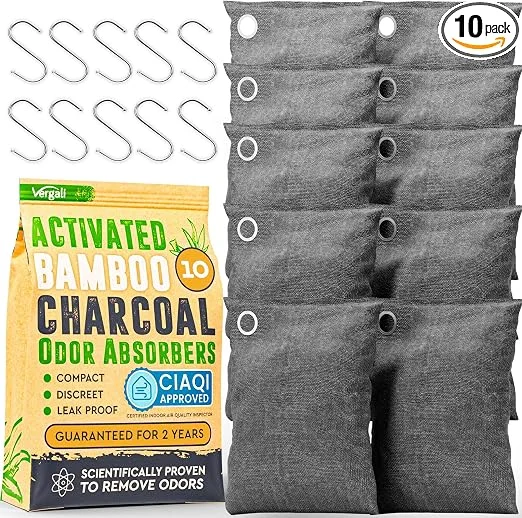 |
Activated Charcoal Odor Absorber, 10-Pack – $21.99 Set one inside each cabinet or drawer while the piece off-gasses — works fastest in the enclosed spaces where smell gets trapped.
|
Ventilation Techniques
Open windows and run a fan directly across the piece for the first one to two weeks after assembly — moving air matters more than just having a window cracked, since still air lets vapor concentrate right at the surface instead of dispersing. Leave cabinet doors and drawers open whenever the room isn’t in use during this period.
An exhaust fan or an air purifier with an activated carbon filter (not just a HEPA filter, which doesn’t capture gaseous VOCs) helps in a room with limited window ventilation, like an interior room or a basement. Warmer temperatures also speed off-gassing, so a warm room clears faster than a cold one — the tradeoff is that warmth also makes the smell temporarily stronger while it’s actively releasing.
Sealing And Coating
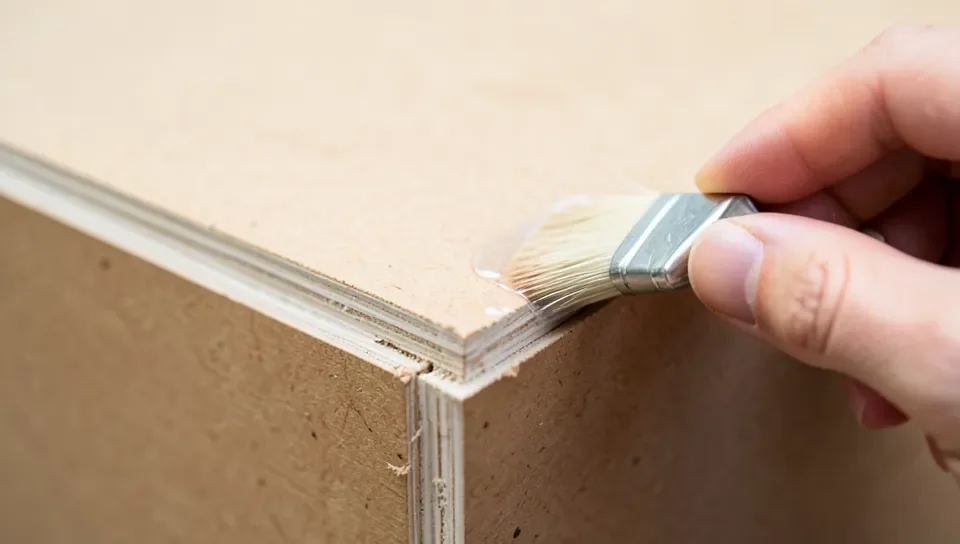
Sealing every raw cut edge with polyurethane, shellac, or a dedicated MDF sealer primer traps off-gassing at the source rather than just ventilating it away, and is the most effective single step for a piece that will live in an enclosed space like a built-in cabinet. Two to three coats on bare edges makes a real difference within days, not weeks.
Painting or laminating the full piece (not just the edges) further reduces off-gassing by sealing the larger face surfaces too, though most factory MDF furniture already has laminated or primed faces — it’s almost always the cut edges from on-site assembly or trimming that are left bare and smelling.
Odor Absorbing Methods
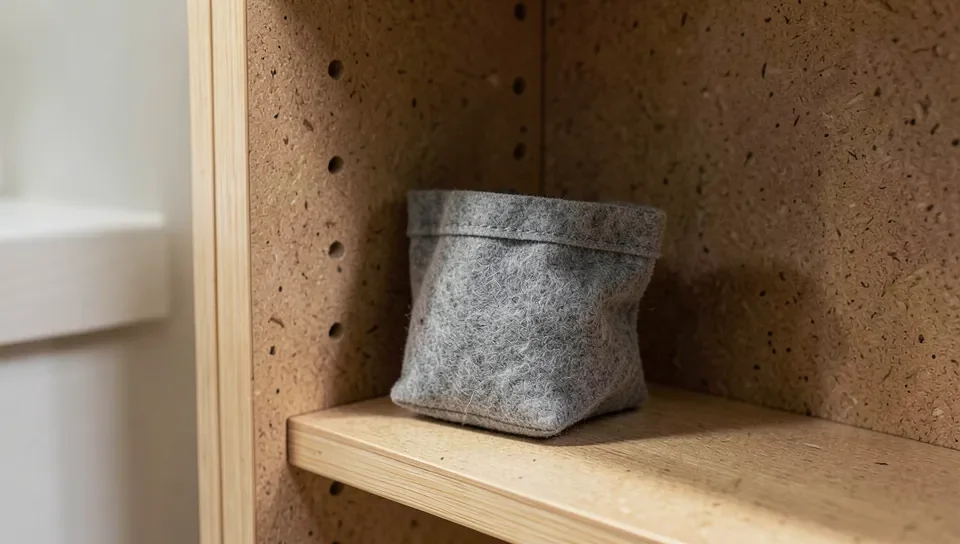
Activated charcoal bags placed inside cabinets, drawers, or near the piece absorb airborne odor molecules and noticeably cut the perceived smell within a few days, especially in an enclosed space where ventilation alone is slow to work. Baking soda works similarly as a cheaper alternative, though it’s less effective on formaldehyde specifically than activated carbon.
Houseplants are commonly recommended for VOC absorption, but the effect is small and slow relative to active ventilation or charcoal — treat them as a minor supplement, not a real fix, for a strongly off-gassing piece.
Cleaning And Maintenance
Wipe down laminated or painted MDF surfaces with a mild soap-and-water solution to remove any surface residue that can carry its own smell separate from off-gassing — new furniture sometimes ships with a light manufacturing film that contributes to the initial smell independent of the formaldehyde itself.
Avoid harsh solvents or ammonia-based cleaners on MDF, especially near unsealed edges — they can be absorbed into the exposed fiber and either add their own lingering smell or soften the surface.
When To Call It Professional
A smell that hasn’t noticeably faded after 4-6 weeks of active ventilation and sealing is unusual for standard MDF and worth investigating — it can indicate an unusually high-emission batch, a non-compliant imported product not meeting CARB/TSCA limits, or a smell source other than the MDF itself (adhesive, finish, or packaging materials). Anyone with respiratory sensitivity who notices ongoing irritation (eye or throat irritation, headaches) around new MDF furniture should ventilate more aggressively or consider having the room’s air quality tested.
Not sure if MDF is the right material for your project in the first place? Our guide to removing formaldehyde smell from wood furniture generally covers the same techniques for finished furniture where the smell source might be an adhesive or finish rather than raw MDF fiber.
Preventive Measures
Buy CARB Phase 2 or TSCA Title VI compliant MDF (most US-sold MDF from major brands already meets this, but imported or off-brand sheet goods sometimes don’t) to start with lower emissions from day one. Seal every cut edge as part of assembly, not as an afterthought once the smell is already noticeable — it’s much easier to seal before installation than to disassemble a finished piece later.
Ventilate a new piece for at least the first week in the space it will actually occupy, rather than assuming the smell already cleared during transport or storage — off-gassing continues at roughly the same rate regardless of where the piece has been sitting.
Frequently Asked Questions
How Do You Get The Smell Out Of MDF?
Ventilate the piece with open windows and moving air, seal any raw cut edges with polyurethane or a dedicated sealer, and place activated charcoal bags inside enclosed cabinets or drawers. Combining all three clears the smell faster than any single method alone.
How Do You Stop MDF Off-Gassing?
You can’t fully stop off-gassing (it’s inherent to the urea-formaldehyde resin curing), but sealing raw edges significantly slows the rate vapor escapes, and good ventilation clears what does escape faster than it would in still, enclosed air.
How Long Does MDF Take To Stop Smelling?
Most standard MDF stops smelling noticeably within 1-4 weeks with active ventilation. Sealing raw edges and using an activated charcoal absorber can shorten that to closer to 1-2 weeks for most pieces.
Why Does MDF Furniture Smell?
MDF furniture smells because the urea-formaldehyde resin binding its compressed wood fibers releases formaldehyde vapor as it continues to cure after manufacturing. The smell is strongest at raw, unsealed cut edges and in enclosed spaces like cabinets and drawers.
Conclusion
New MDF smell is normal off-gassing from its resin binder, not a sign of a defective product, and it clears on its own within 1-4 weeks with good ventilation. Sealing raw edges and adding an activated charcoal absorber in enclosed spaces speeds that timeline up considerably.
If the smell hasn’t faded after 4-6 weeks of active ventilation, that’s the point to investigate further rather than continuing to wait it out.
Sponsored / affiliate links. As an Amazon Associate I earn from qualifying purchases. I may earn additional commission from eligible campaigns.