Art Alternatives MDF Panel: What It Is & How to Prep It
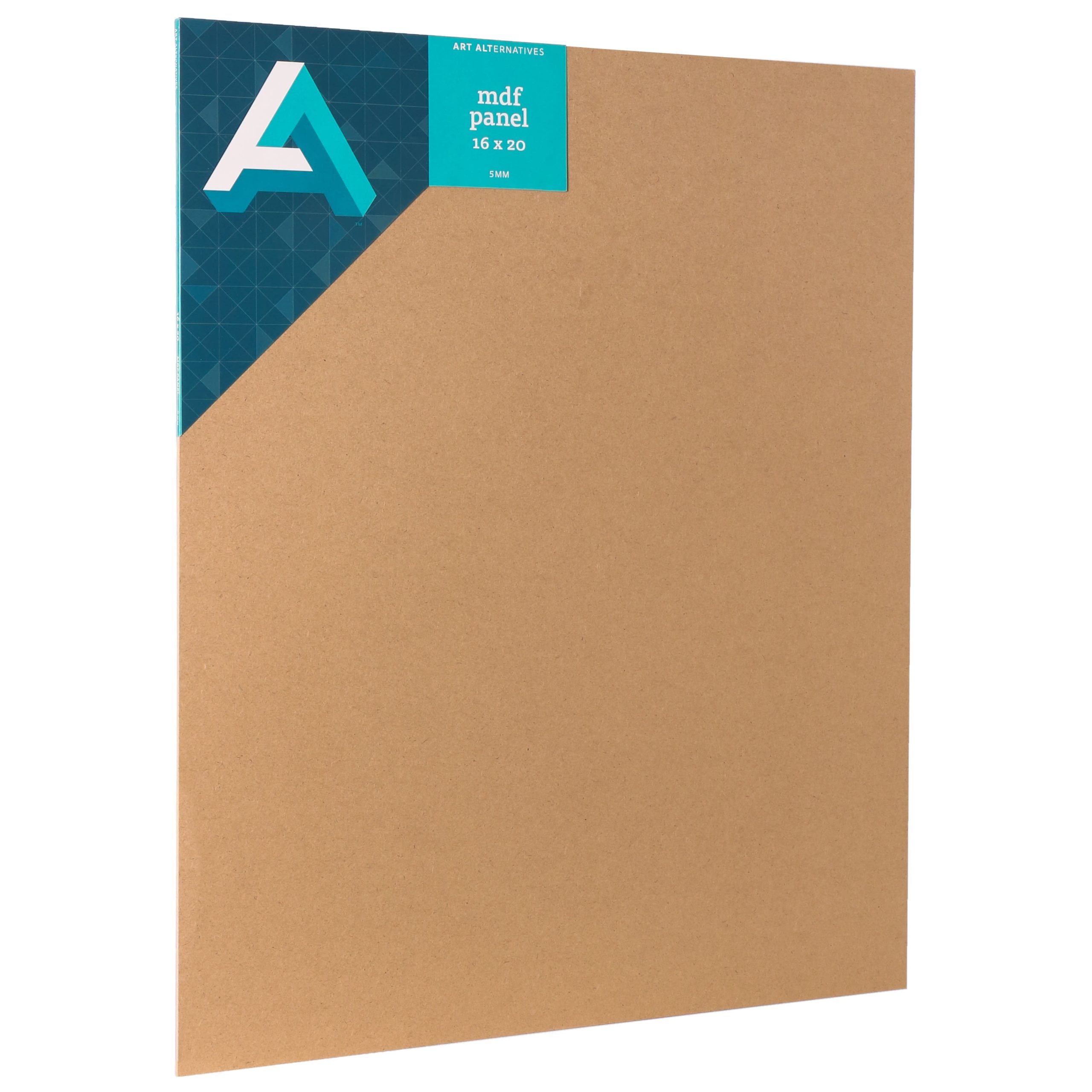
Art Alternatives MDF panels are a flat, warp-resistant painting surface — 3/16″ (5mm) or 1/8″ MDF, pre-sanded smooth, sold raw (unprimed) — built as a cheaper, sturdier alternative to canvas board for acrylics, oils, encaustic, and mixed media. Unlike stretched canvas, MDF won’t develop a slack or dented surface over time, which is why it’s become a common substrate for panel painting and cradle-mounted work.
Below: what’s actually in the panel, how it compares to canvas, and the prep steps that determine whether paint holds up on it long-term.
What MDF Panels Actually Are
The Actual Product This Article Covers
 |
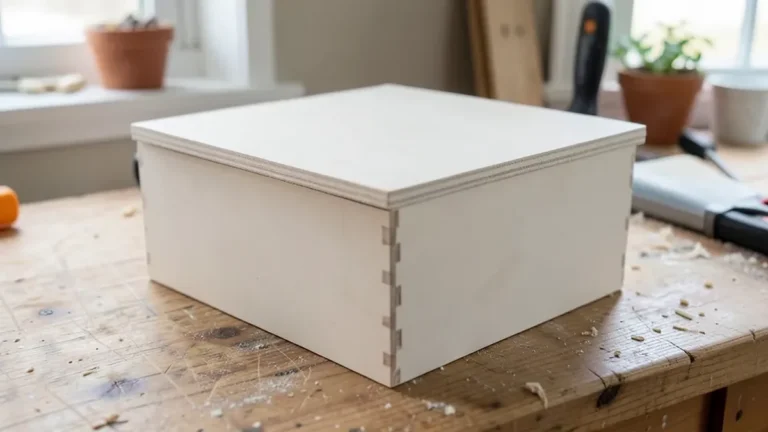
Art Alternatives MDF Panel, 16″ x 20″ – $16.32 The exact panel this article is about — a 5mm raw MDF board, sanded smooth on the face, ready for priming and paint.
|
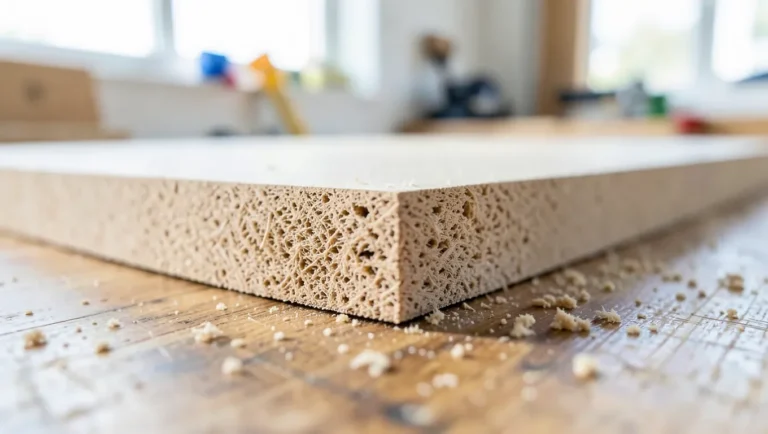
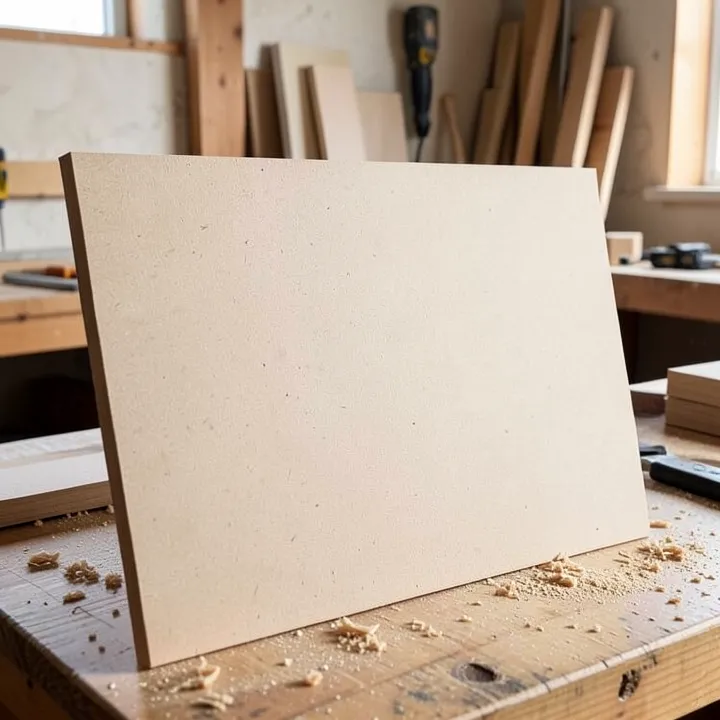
MDF (medium-density fiberboard) is made by breaking wood down into fine fibers, mixing them with resin, and pressing the mixture under heat into flat sheets. Unlike plywood, it has no grain or layers, which is exactly why it works so well as a painting surface — there’s no wood texture telegraphing through a thin paint layer, and no grain direction to warp unevenly. Art Alternatives panels typically run 3/16″ or 1/8″ thick and ship sanded on the face but unprimed, so the fiber surface will still absorb paint and moisture until you seal it.
- Cost: Roughly $0.80-$1.20 per square inch of surface at typical retail pricing (a 16″x20″ panel runs about $16) — cheaper than a comparable stretched canvas of the same size.
- Flatness: Won’t develop the slack, sagging surface stretched canvas can get over years.
- Weight: Noticeably heavier than canvas board of the same dimensions — a factor for shipping finished work or hanging very large panels.
- Surface: Smooth and uniform, no weave texture, which shows fine detail and thin glazes more clearly than canvas does.
Preparing the Panel Before You Paint
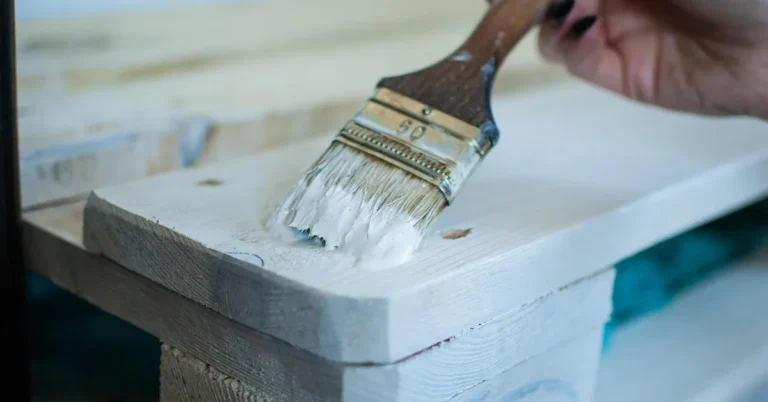
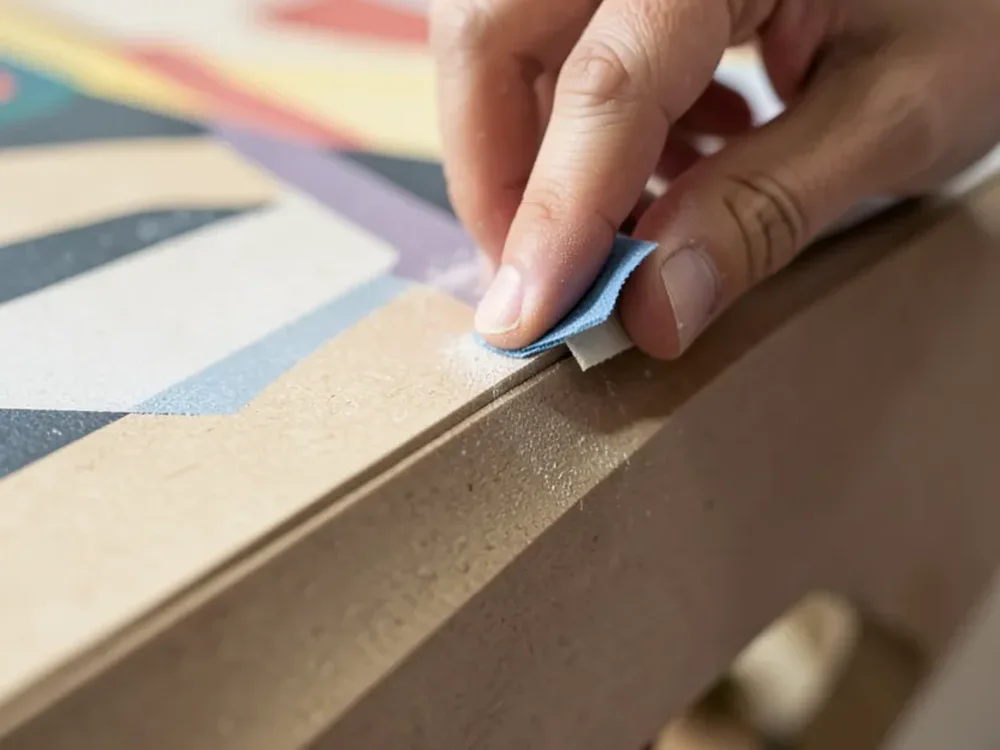
Raw MDF is not paint-ready out of the package. Start by wiping off sanding dust with a dry cloth, then lightly sand any rough spots with fine-grit (220+) sandpaper — work the edges especially, since factory-cut edges are often rougher than the face. The critical step is sealing: MDF’s fiber surface will pull moisture out of acrylic gesso or oil-priming unevenly if it’s not sealed first, which can cause visible absorption blotches under thin paint layers. Two thin coats of a stain-blocking primer or clear MDF sealer, sanded lightly between coats, gives gesso or oil ground something stable to bond to instead of raw fiber.
What It’s Actually Used For
Acrylic and oil painting are the most common uses, since the rigid, flat surface holds fine detail well and doesn’t flex the way canvas does under a palette knife. It’s also a standard substrate for encaustic (hot wax) painting, where canvas’s flexibility is a liability — wax can crack on a surface that moves, but MDF stays put. Mixed media and collage work benefit from the same rigidity: heavier materials (paper, fabric, found objects) glued to the surface won’t sag or pull the panel out of shape the way they can with stretched canvas. It also cuts cleanly with a table saw or circular saw, so it’s a practical base for small sculptural or relief pieces that need a stable mounting board.

MDF Panel vs. Canvas
| Factor | MDF Panel | Stretched Canvas |
|---|---|---|
| Surface texture | Smooth, uniform, no weave | Visible weave texture, adds tooth for paint |
| Long-term flatness | Stays flat; won’t sag or slacken | Can loosen or sag over years, especially in humidity swings |
| Weight | Heavier per square foot | Lighter, easier to ship and hang |
| Cost (comparable size) | Generally cheaper | Generally more expensive |
| Best suited to | Fine detail, encaustic, mixed media, palette-knife work | Traditional brushwork where weave texture is wanted |
Environmental Notes
MDF is manufactured from wood fiber (often waste fiber from other lumber processing) bonded with resin, which uses less raw timber volume than milling solid wood boards of the same size. It’s not generally accepted by curbside recycling programs because of the resin content, so disposal typically means regular trash or a facility that specifically accepts engineered wood waste — check local rules rather than assuming it’s recyclable.
Frequently Asked Questions
Is MDF Good for Artwork?
Yes, for panel painting specifically. Its flat, rigid, no-grain surface is well suited to acrylic, oil, encaustic, and mixed media, and it stays flatter over time than stretched canvas. It does need to be sealed before painting, since raw MDF absorbs moisture unevenly.
Can MDF Panels Be Painted?
Yes, but seal the raw board first. Sand lightly, wipe off dust, apply two thin coats of a stain-blocking primer or dedicated MDF sealer (sanding lightly between coats), then apply gesso or your painting ground as you normally would. Skipping the seal step is the most common cause of blotchy, uneven paint absorption on MDF.
How Do You Prepare MDF for Art Painting?
Wipe off sanding dust, lightly sand any rough spots (including the edges), seal with two thin coats of primer or sealer, sanding lightly between coats, then apply gesso or ground once the sealer is fully dry. Work in a ventilated space, since sanding MDF produces fine dust.
What Does MDF Mean in Art?
MDF stands for medium-density fiberboard, an engineered wood panel made from pressed wood fiber and resin. In an art context it refers specifically to the flat, rigid panels artists use as an alternative to canvas board for painting, encaustic work, and mixed media.
Conclusion
An MDF panel trades canvas’s lighter weight and woven texture for a flatter, more rigid surface that holds fine detail and heavier mixed-media builds without sagging. Seal it properly before painting and it’s a durable, budget-friendly substrate for acrylic, oil, encaustic, or mixed media work.
Sponsored / affiliate links. As an Amazon Associate I earn from qualifying purchases. I may earn additional commission from eligible campaigns.