How Many MDF Boards Do I Need: Expert Calculation Guide
To find how many MDF boards you need, divide your project’s total square footage by 32 (the coverage of one standard 4×8 sheet), then round up and add about 10% extra for cutting waste and mistakes. Buy short and you’re stuck waiting on a second store trip mid-project; buy too many and you’ve wasted $25–$50 per unused sheet. This guide covers the exact calculation formula, standard MDF sheet sizes, and how to adjust for odd-shaped rooms.
Understanding Mdf Boards
Best Measuring Tool Pick
BOSCH GLM165-40 Blaze Pro 165 Ft. Laser Measure – $69.00
Gives you an exact width and length reading in seconds, so the square-footage math in this guide starts from a real number instead of a guess.
- Best for: Measuring full rooms or large project areas fast
- Why we picked it: Trusted brand, 165 ft. range covers most rooms in one reading
- Main drawback: Costlier than a basic tape measure
Compare more measuring tool options
 Option 1 RockSeed Laser Measure 165ft – $20.38
|
 Option 2 Klein Tools Laser Distance Measure – $39.98
|
 Option 3 MILESEEY Laser Measure Angle Sensor – $28.99
|
As an Amazon Associate we earn from qualifying purchases.
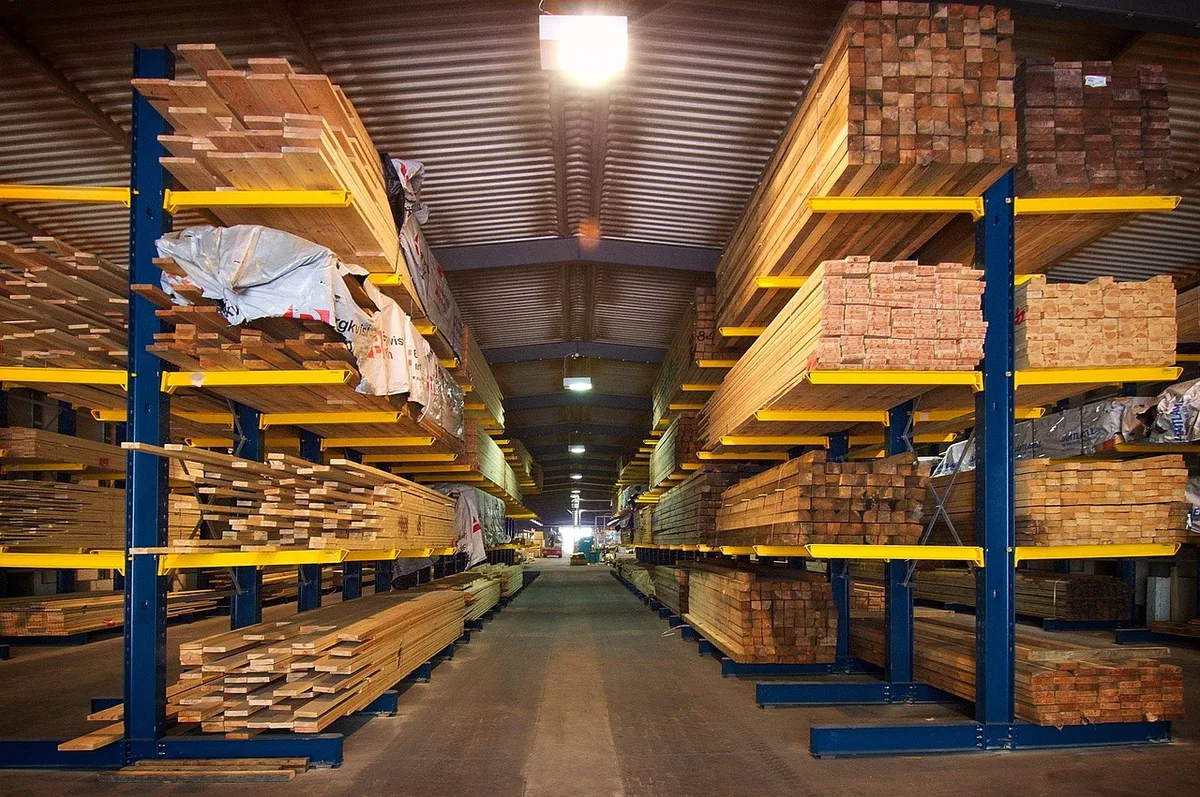
MDF stands for Medium-Density Fiberboard. It’s a popular material for furniture. Made from wood fibers and resin, it’s pressed into sheets. These sheets are then used for various projects. MDF is smooth and easy to paint. It is cheaper than solid wood. If you’re still deciding between materials, see our MDF vs OSB board comparison before you calculate quantities.
People use MDF for cabinets and shelves. It’s very versatile. You can cut, shape, and join it easily. But, MDF is not water-resistant. If it gets wet, it can swell. So, use it indoors. For best results, seal the edges. This helps to protect from moisture.
MDF comes in different sizes. Common sizes are 4×8 feet sheets. Choose the size based on your project. Calculate carefully to avoid waste. Measure the area where you’ll use it. Then decide how many sheets you need. Planning helps you save money.
Project Planning Essentials
Start by understanding your project size. Measure the area where you need MDF boards. Write down the length and width. Calculate the total area. Multiply length by width to get the square footage. This helps you know how many boards you need. Always buy a little extra. Mistakes happen.
Make a list of all materials. Include MDF boards, glue, screws, and paint. Don’t forget sandpaper and a measuring tape. Write everything down. This makes shopping easy. You won’t miss anything. Planning saves time and money.
Measuring Your Space
Rulers and tape measures help find room sizes. Laser meters give exact numbers for large areas. Levelers ensure flat surfaces. Pencils mark spots and lines. Notebooks store measurements safely.
Skipping double-checks leads to errors. Wrong tools give bad results. Ignoring room shapes causes issues. Not recording measurements means forgetting sizes. Estimating instead of measuring creates problems.
Calculating Mdf Board Needs
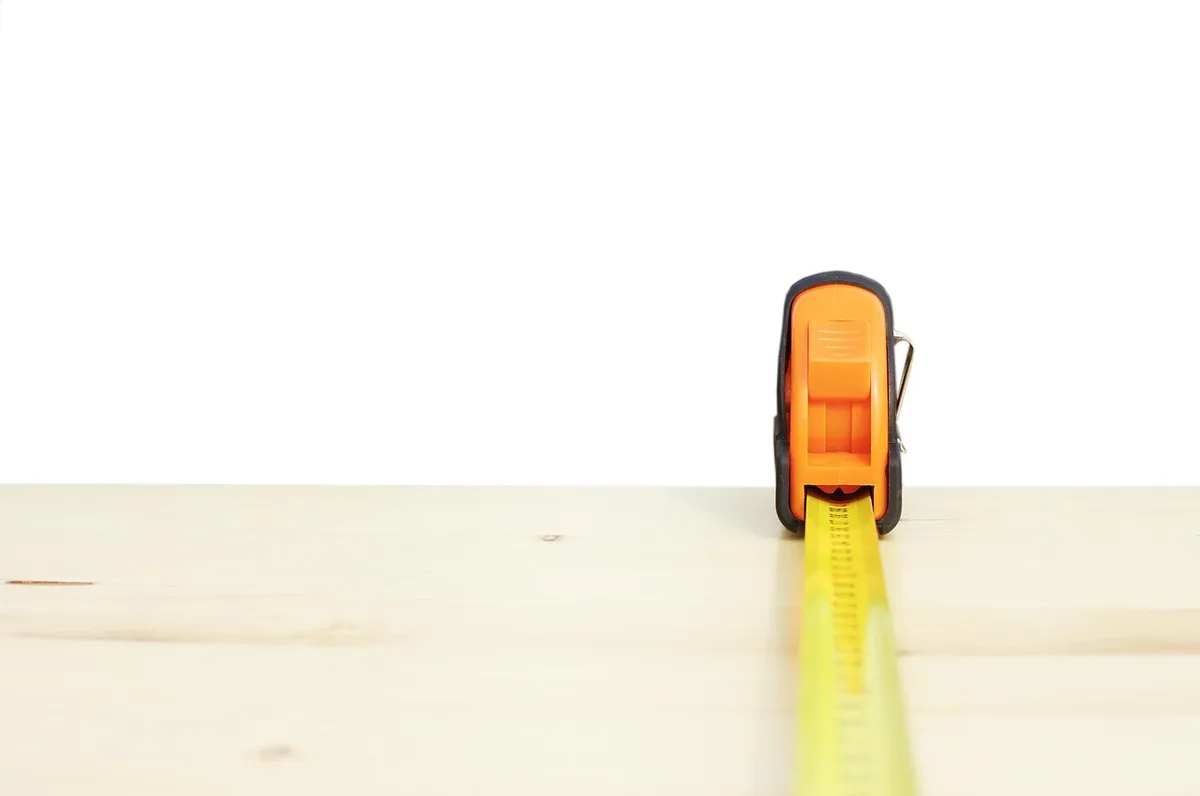
First, check the size of each MDF board. Common sizes are 4×8 feet. Measure the space you need to cover. Write down the width and length. Use a tape measure for accuracy. Always double-check your measurements. It’s important for a good fit.
To find the total area, multiply the room’s width by length. This gives you the square footage of the space. If the room is oddly shaped, split it into smaller rectangles. Add the areas of each rectangle together. This helps you know how many boards to buy.
Divide the total area by the size of one MDF board. This tells you how many boards you need. Always round up. This ensures you have enough material. Better to have extra than not enough. If you’d rather skip the math, our woodworking calculators guide rounds up automatically.
Adjusting For Waste And Errors
It’s smart to buy extra MDF boards for mistakes. Mistakes happen often. Extra boards save time and trips to the store. Add about 10% more boards for safety. This means if you need 10 boards, buy 11. Some people add even more, just in case. It depends on the project size. Better to have more than less. Many stores also offer cut-to-size cutting services that can reduce waste even further.
Waste is a part of every project. MDF boards can break or chip. Cutting errors also create waste. Plan for this by buying extra boards. This helps finish the project smoothly. Think about how much waste you usually have. Add this to your total board count. It helps in completing the task without stress.
Tips For Efficient Use
Careful planning helps reduce waste. Draw a cutting plan on paper. Measure twice, cut once to avoid errors. Use a ruler or tape measure for precision. Align the grain direction for strong cuts. Overlapping cuts might weaken the board. Use a proper saw for clean edges. A smooth cut saves time and material.
Save leftover pieces for future projects. Small scraps can be useful. Label each piece for easy finding later. Use them for smaller parts or supports. Scraps are perfect for testing paint or finishes. They can also fill in gaps or reinforce joints. Don’t discard them without considering these uses.
Consulting With Experts
Choosing the right number of MDF boards can be tricky. Experts help you avoid mistakes. They have experience and know-how. Consult them for big projects. Complex designs need expert insight. This ensures correct measurements. Mistakes can be costly. Experts save you money and time. They help with special designs, too.
Ask friends for expert recommendations. Reliable experts have a good reputation. Check reviews online. Look for experts with many positive reviews. Visit local hardware stores. They often know good experts. Ensure the expert is licensed. This shows they are qualified. Trustworthy experts provide clear advice. They explain things well. Always ask questions. A good expert will answer them.
Frequently Asked Questions
How Much MDF Do I Need?
Calculate MDF needed by measuring your project’s dimensions. Multiply length, width, and thickness to get the volume. Consider extra for mistakes or future needs. Check your measurements to ensure accuracy.
What Is The Actual Size Of A 4×8 Sheet Of MDF?
A 4×8 sheet of MDF typically measures 49 inches by 97 inches. Manufacturers add an extra inch to ensure precise cuts and sizing. This extra inch compensates for possible damage or irregularities during handling and transportation. Always check with your supplier for exact dimensions.
How Many 4×8 Panels Of Subflooring Are Needed?
Calculate the total area in square feet. Divide that number by 32 (area of one 4×8 panel) to find how many panels you need. Round up to ensure coverage.
What Thickness Of MDF Should I Use?
For furniture and cabinetry, use 3/4 inch MDF. For smaller projects or decorative panels, 1/2 inch is ideal. Choose 1 inch MDF for heavy-duty applications needing extra strength. Always consider the project’s weight and load requirements when selecting the thickness.
Conclusion
Calculating the right number of MDF boards is crucial. Start by measuring your space accurately. Consider the board size and room layout. This ensures you buy only what you need. Make a list of all your projects. Then, match each project to the board size.
Buying a bit extra is wise for mistakes or changes. Careful planning saves time and money. Plus, it reduces waste. By following these simple steps, you can confidently purchase the right amount. This makes your DIY tasks smoother and more efficient.
Happy building!
Sponsored / affiliate links. As an Amazon Associate I earn from qualifying purchases. I may earn additional commission from eligible campaigns.