Can Pine Wood Be Used Outside? Yes, With the Right Treatment
Pine wood can be used outside, but only with real protection — a surface sealant on untreated pine is not the same thing as pressure-treated pine, and mixing up the two is why outdoor pine projects fail early. Untreated pine left bare will crack, gray, and rot at the end grain within a year or two. This guide covers pine’s actual decay-resistance rating, when pressure-treated lumber is required versus when a sealant is enough, and how to waterproof pine correctly for outdoor use.
Is Pine Naturally Decay-Resistant?
Best Pine Wood Preservative Pick
Wolman Classic Clear Wood Preservative, Quart – $16.99
A clear, above-ground wood preservative that guards against decay and insects on untreated pine that isn’t rated for ground contact — the surface protection this article’s Secret prep steps depend on.
- Best for: untreated pine trim, fencing, and furniture kept above ground
- Why we picked it: a long-established brand name in wood preservatives, clear formula won’t change the wood’s natural look
- Main drawback: not a substitute for pressure-treated lumber on posts or anything touching soil or standing water
As an Amazon Associate we earn from qualifying purchases.
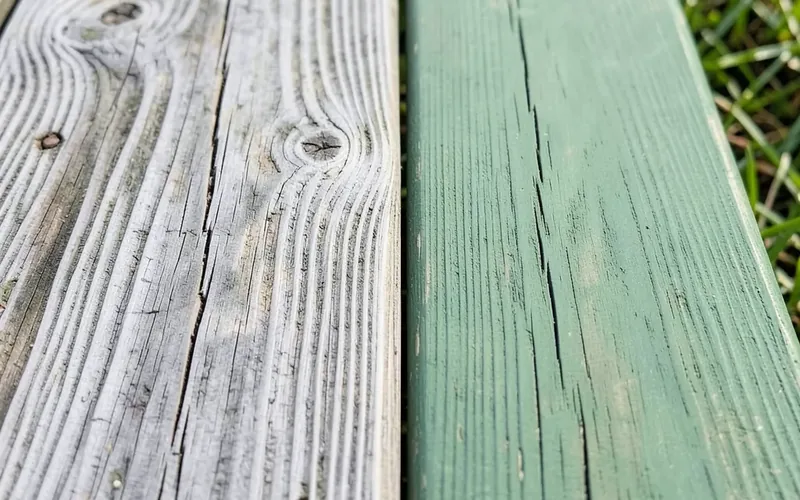
No. Pine heartwood rates only moderate-to-low for natural decay resistance, well below cedar, redwood, or ipe. Its density is low and its structure has few natural extractives to resist moisture, fungal decay, and insects, which is why bare pine left outdoors deteriorates faster than naturally rot-resistant species.
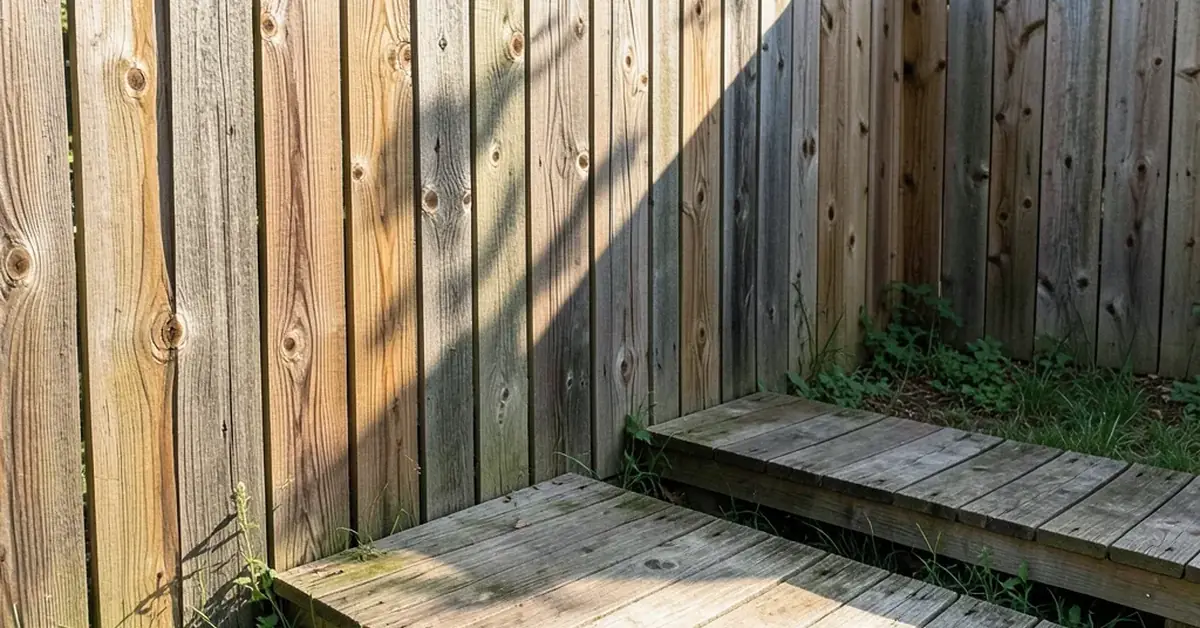
That doesn’t rule pine out for outdoor use — it just means the wood needs help the naturally resistant species don’t. Direct sunlight dries and cracks the surface, standing moisture drives fungal growth, and insects readily burrow into unprotected pine, so all three need to be addressed before pine goes outside.
Pressure-Treated Pine vs. Sealing Untreated Pine
These are two different things, and mixing them up is the most common mistake in outdoor pine projects. Pressure-treated pine has preservative chemicals forced deep into the wood fibers under pressure, protecting it all the way through — this is what’s required for deck posts, ledger boards, and anything in ground contact or ongoing moisture exposure. A surface sealant or preservative, by contrast, only coats the outside of untreated pine; it’s appropriate for trim, furniture, and fencing kept above ground and out of standing water, but it will not protect wood the way pressure treatment does.
📊 Pressure-treated pine has an expected service life of roughly 20-40 years in outdoor use, and up to 50-60 years with the most durable treatment chemicals — a surface-applied sealant on untreated pine offers nowhere near that lifespan and needs reapplication every 1-3 years. — Source: USDA Forest Service, Research and Development
How to Waterproof and Treat Pine for Outdoor Use
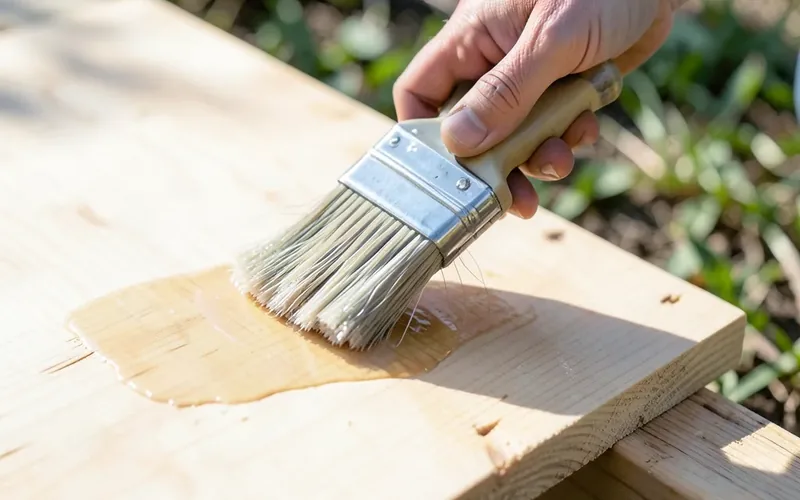
If your project uses untreated pine kept above ground — trim, furniture, planter boxes, fence pickets — follow these steps before it goes outside.
- Sand the surface smooth: removes mill glaze and rough spots so the preservative can absorb evenly, rather than beading on top.
- Apply a wood preservative or outdoor sealant: choose a product labeled for outdoor/above-ground use and apply with a brush or roller, covering every surface including the end grain, which absorbs moisture fastest.
- Let it dry fully: follow the manufacturer’s dry time before adding a second coat or a finish paint/stain — rushing this step traps moisture under the surface.
- Add a UV-protective finish: polyurethane, exterior paint, or a pigmented stain blocks the sun damage a clear preservative alone won’t stop.
- Reapply on a schedule: plan to recoat every 1-3 years depending on sun and weather exposure — waiting until the finish visibly fails means the wood underneath has already started absorbing moisture.
Pine vs. Cedar and Other Softwoods for Outdoor Projects
Pine is affordable and easy to work, but it isn’t the most durable softwood option for outdoor furniture and structures.
| Species | Natural Decay Resistance | Needs Treatment? |
|---|---|---|
| Pine | Low to moderate | Yes, always for outdoor use |
| Cedar | Naturally resistant | Optional, extends lifespan further |
| Redwood | Naturally resistant | Optional, extends lifespan further |
| Pressure-treated pine | High (chemically imparted) | Already treated; no additional treatment required for structural use |
For outdoor furniture specifically, cedar’s natural resistance to decay and insects means it can be left unfinished and still outlast untreated pine by years. Pine is still a reasonable choice if the budget is tight and you’re committed to treating and maintaining it — the trade-off is upfront cost versus ongoing maintenance.
Maintenance Tips for Longevity
- Inspect pine outdoor projects at least once a year for cracking, graying, or soft spots that signal the finish has failed.
- Keep the wood clean and free of trapped leaves or debris, which hold moisture against the surface.
- Reapply preservative or sealant on a schedule rather than waiting for visible damage — by the time damage shows, moisture has already gotten in.
- Never substitute a surface sealant for pressure-treated lumber on anything touching soil, concrete, or standing water.
“Conditions where wood is in contact with soil or moisture fall into higher decay hazard categories [under the AWPA Use Category System] … higher use category lumber requires higher preservative retention levels, directly correlating to improved resistance against fungal decay.”
Frequently Asked Questions Of Can Pine Wood Be Used Outside
How Do You Waterproof Pine Wood For Outdoor Use?
Sand the surface smooth, then apply a wood preservative or outdoor sealant rated for above-ground use, covering the end grain fully. Add a UV-protective finish like polyurethane, paint, or a pigmented stain, and reapply every 1-3 years.
How Long Does Pine Wood Last Outdoors?
Untreated pine can start cracking and graying within a year outdoors. A properly sealed and maintained above-ground pine project can last several years, while pressure-treated pine used for structural, ground-contact applications is rated for 20 years or more.
Will Pine Wood Hold Up Outside?
Yes, but only with the right protection for the job — a surface sealant for above-ground trim and furniture, or pressure-treated pine for anything in ground contact or exposed to standing water.
How Do You Treat Pine For External Use?
Sand the wood smooth, apply a preservative or sealant labeled for outdoor use, let it dry fully, and add a UV-blocking finish. For structural or ground-contact use, use pressure-treated pine instead of trying to treat untreated pine yourself.
Conclusion
Pine can absolutely be used outside, but the finish has to match the job. A sealant or preservative protects above-ground trim and furniture for a few years at a time with regular maintenance; pressure-treated pine is what belongs anywhere the wood touches soil, concrete, or standing water. Get that distinction right and pine is a perfectly reasonable, affordable choice for outdoor projects.
Sponsored / affiliate links. As an Amazon Associate I earn from qualifying purchases. I may earn additional commission from eligible campaigns.