Can Wood Ash Be Used As Fertilizer: Boost Your Garden’s Growth
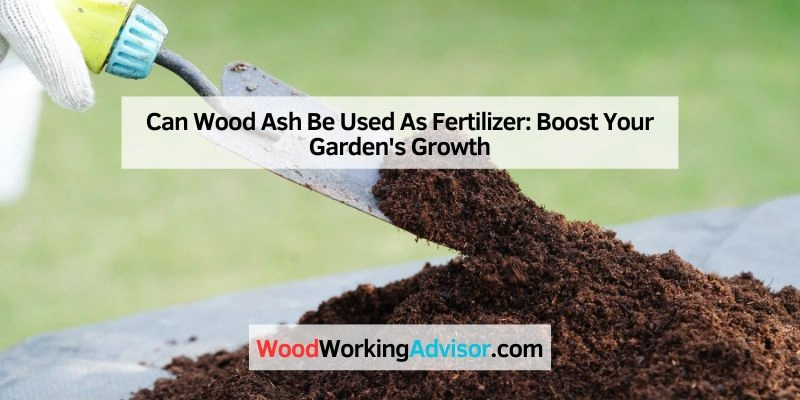
Yes, wood ash can be used as a fertilizer. It adds nutrients to the soil and helps plants grow.
But, it’s important to know how to use it correctly. Wood ash is a valuable resource for gardeners. It’s rich in potassium and calcium, which are essential for plant health. Unlike chemical fertilizers, wood ash is natural and eco-friendly. But, it must be used in the right amounts.
Too much can harm plants and soil. Understanding the benefits and proper usage of wood ash can help you make the most of this natural fertilizer. In this blog, we will explore how to use wood ash effectively in your garden. We’ll also discuss its benefits and precautions to ensure your plants thrive.
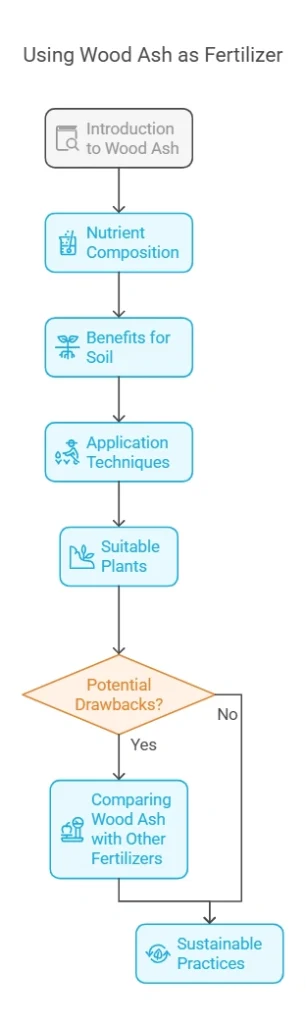
Introduction To Wood Ash
Have you ever thought about using something as simple as wood ash to help your garden grow? You might be surprised to learn that wood ash can be an excellent fertilizer. In this post, we’ll explore what wood ash is, where it comes from, and how it can benefit your plants. Let’s dig into the fascinating world of wood ash and discover its potential as a natural fertilizer.
What Is Wood Ash?
Wood ash is the powdery residue left after burning wood. When you burn wood, it doesn’t all turn into smoke and heat. Some of it remains as ash. This ash contains various minerals and nutrients that can be beneficial for soil and plants. It’s like recycling the goodness of the wood back into the earth.
Sources Of Wood Ash
You can find wood ash from several common sources:
- Fireplaces: Many homes have fireplaces that produce wood ash. Instead of throwing it away, you can collect it for your garden.
- Wood Stoves: Similar to fireplaces, wood stoves also generate ash. This ash can be used in the same way.
- Campfires: Enjoying a campfire with friends or family? Don’t forget to save the ash afterward for your garden.
- Barbecues: If you use a wood-burning barbecue, the ash from the burnt wood can be a great source of nutrients.
Remember, not all wood ash is suitable for use in the garden. Avoid using ash from painted or treated wood as it may contain harmful chemicals. Stick to ash from natural, untreated wood for the best results.
So, next time you find yourself with a pile of wood ash, don’t just throw it away. Think about how it can benefit your garden. It’s a simple, eco-friendly way to nourish your plants and improve your soil.
Nutrient Composition
Understanding the nutrient composition of wood ash is crucial for effective use as fertilizer. Wood ash contains essential nutrients that can boost soil health. These nutrients help plants grow stronger and healthier.
Key Nutrients In Wood Ash
Wood ash is rich in potassium. This nutrient helps plants with water regulation. It also supports root development. Another key nutrient in wood ash is calcium. Calcium improves soil structure and promotes plant vigor. It also helps neutralize soil acidity.
Minerals And Trace Elements
Besides potassium and calcium, wood ash contains magnesium. Magnesium aids in photosynthesis. It also supports enzyme production in plants. Wood ash also has trace elements like iron and manganese. These elements are vital for plant growth and development.
Wood ash provides a natural source of these nutrients. It enriches the soil and supports healthy plant growth. Using wood ash as fertilizer can be an eco-friendly choice.
Benefits For Soil
Wood ash can be beneficial for your soil. It offers several advantages that help improve soil health and productivity. Let’s explore some key benefits.
Improving Soil Ph
Wood ash can help balance soil pH. It is alkaline and can reduce soil acidity. This is good for plants that prefer less acidic soil. A balanced pH allows plants to absorb nutrients better.
Enhancing Soil Structure
Wood ash improves soil structure. It adds important minerals like calcium and potassium. These minerals help soil particles bind together. This creates a crumbly texture that allows roots to grow easily.
Good soil structure improves water retention. It also helps with drainage. Your plants will have better access to water and nutrients. Healthy soil structure supports strong, healthy plants.
Application Techniques
When it comes to using wood ash as a fertilizer, application techniques are crucial. Applying wood ash in the right way can significantly boost your garden’s productivity. However, misapplication can lead to unwanted consequences. Let’s delve into the best practices for applying wood ash and the necessary safety precautions.
How To Apply Wood Ash
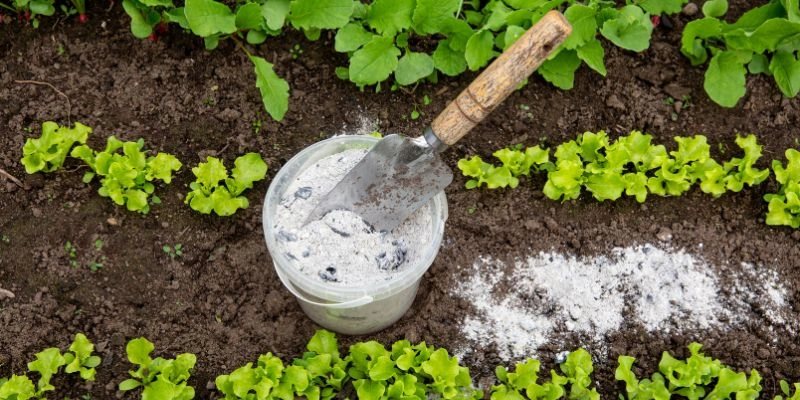
Applying wood ash is relatively straightforward, but it requires a bit of know-how. First, make sure the ash is completely cool. Hot ash can damage your plants and soil. Once cooled, you can sprinkle it directly onto the soil. Here are some detailed steps:
- Test Your Soil: Before applying wood ash, test your soil’s pH level. Wood ash is alkaline and can raise the pH. It’s best for acidic soils.
- Spread Evenly: Use a garden rake or spreader to ensure even distribution. Avoid creating piles of ash in one spot.
- Mix into Soil: Lightly till or mix the ash into the top 6 inches of soil. This helps the nutrients integrate better.
- Water Thoroughly: After application, water the area well. This helps the ash settle and start releasing nutrients.
Safety Precautions
Handling wood ash requires some safety measures. While it’s a natural product, it can cause irritation and other issues if not handled properly. Here are some tips to stay safe:
- Wear Protective Gear: Always wear gloves and a dust mask. Wood ash can irritate your skin and lungs.
- Avoid Windy Days: Apply ash on calm days to prevent it from blowing into your eyes or inhaling it.
- Store Safely: Keep unused wood ash in a dry, covered container to avoid it getting wet and creating lye, which is caustic.
- Keep Away from Pets and Children: Ensure that your pets and children don’t come into contact with the ash.
With these application techniques and safety precautions, you can effectively use wood ash to enrich your garden soil. Remember, a little preparation and care can lead to a thriving garden, full of healthy plants and vibrant blooms.
Suitable Plants
Wood ash can be a fantastic addition to your garden. However, it’s essential to know which plants will benefit most from this natural fertilizer. Not all plants love the alkaline nature of wood ash. In this section, we’ll explore the suitable plants that thrive with wood ash and those you should avoid.
Best Plants For Wood Ash
Some plants absolutely adore wood ash. They benefit from the potassium and trace elements it provides. Here are a few that will thrive:
- Tomatoes: They love the extra potassium which helps them grow strong and produce more fruit.
- Carrots: Wood ash can help improve the soil texture, making it perfect for these root vegetables.
- Garlic: The alkaline nature of wood ash helps garlic bulbs grow bigger and healthier.
- Spinach: This leafy green thrives in soil enriched with wood ash.
Using wood ash for these plants can lead to a bountiful harvest. Just be sure to mix it well into the soil to avoid any clumping.
Plants To Avoid
While wood ash is great for some plants, it’s not for everyone. Here are a few plants that you should avoid using wood ash on:
- Blueberries: They prefer acidic soil, and wood ash can make it too alkaline for them.
- Rhododendrons: Similar to blueberries, these plants thrive in acidic environments.
- Azaleas: Another acid-loving plant that won’t appreciate the added alkalinity.
- Potatoes: Using wood ash can increase the risk of scab, a common potato disease.
Using wood ash on these plants can hinder their growth and make them less healthy. Always check the soil pH and ensure it’s right for your plants before adding any amendments.
So, there you have it! A quick guide to using wood ash as a fertilizer. Remember, a little knowledge goes a long way in gardening. Happy planting!
Potential Drawbacks
Using wood ash as a fertilizer has many benefits. Yet, there are potential drawbacks to consider. Knowing these helps make better gardening choices. This section discusses the risks of over-application and possible toxicity issues.
Over-application Risks
Applying too much wood ash can cause soil problems. It can raise the soil’s pH level too high. This makes it hard for plants to absorb nutrients. Excess ash can also lead to a salt build-up. Salt can harm plant roots and stop growth.
Possible Toxicity
Wood ash may contain harmful elements. These include heavy metals like lead and cadmium. High levels of these can be toxic to plants and soil. It is important to test the ash before use. This ensures it is safe for your garden.
Comparing Wood Ash With Other Fertilizers
When it comes to enhancing your garden’s fertility, choosing the right fertilizer can make a world of difference. While chemical and organic fertilizers are commonly used, wood ash is an often overlooked yet valuable option. In this section, we will compare wood ash with other fertilizers to help you decide which is best for your garden’s needs. Let’s delve into the nitty-gritty and see how wood ash stacks up against chemical and organic fertilizers.
Wood Ash Vs. Chemical Fertilizers
Wood ash and chemical fertilizers serve the same purpose – to provide nutrients for plants. However, they do so in very different ways. Chemical fertilizers are synthetic and provide a quick nutrient boost. They typically contain high levels of nitrogen (N), phosphorus (P), and potassium (K), which are essential for plant growth.
- Pros of Chemical Fertilizers:
- Quickly available to plants
- Easy to apply and measure
- High nutrient concentration
- Cons of Chemical Fertilizers:
- Can cause soil acidity
- Potential for over-fertilization
- Not environmentally friendly
On the other hand, wood ash is a natural byproduct of burning wood and contains a variety of nutrients, including calcium, potassium, and magnesium. These nutrients help to balance soil pH and improve overall soil health.
- Pros of Wood Ash:
- Improves soil pH
- Provides micronutrients
- Environmentally friendly
- Cons of Wood Ash:
- Lower nutrient concentration
- Can be messy to apply
- Not suitable for all plants
While chemical fertilizers offer a quick fix, wood ash provides a more sustainable and eco-friendly option for long-term soil health.
Wood Ash Vs. Organic Fertilizers
Organic fertilizers, such as compost and manure, are beloved by many gardeners for their natural benefits. They improve soil structure, increase microbial activity, and slowly release nutrients over time. But how does wood ash compare?
- Pros of Organic Fertilizers:
- Enhances soil structure
- Increases beneficial microbes
- Slow nutrient release
- Cons of Organic Fertilizers:
- Can be bulky and heavy
- Slow to show results
- Potential for weed seeds
Wood ash, while not as nutrient-rich as some organic fertilizers, offers unique benefits. It helps to neutralize acidic soils, which is especially useful if your garden soil is too acidic. Additionally, wood ash can deter pests and provide trace minerals that some organic fertilizers might lack.
- Pros of Wood Ash:
- Neutralizes acidic soil
- Deters pests
- Provides trace minerals
- Cons of Wood Ash:
- Low in nitrogen
- Can raise soil pH too much
- Limited nutrient diversity
In conclusion, while both organic fertilizers and wood ash offer natural benefits, the best choice depends on your specific garden needs. Wood ash can be an excellent addition to balance soil pH and provide essential micronutrients, while organic fertilizers improve soil health and structure over the long term. Choose wisely, and your garden will thank you!
Sustainable Practices
Have you ever wondered if the ashes left over from your cozy fireplace could benefit your garden? Using wood ash as fertilizer is not only possible but also a sustainable practice that can contribute to eco-friendly gardening. Let’s delve into how you can incorporate this into your gardening routine.
Eco-friendly Gardening
Eco-friendly gardening is all about using natural resources wisely and reducing waste. By recycling wood ash, you can nourish your plants and minimize your environmental footprint. It’s a win-win!
Wood ash contains essential nutrients like calcium, potassium, and magnesium. These nutrients help plants grow stronger and healthier. But remember, moderation is key. Too much wood ash can harm plants by making the soil too alkaline.
Imagine turning what seems like waste into something beneficial for your garden. It’s like turning lemons into lemonade, but for your soil!
Recycling Wood Ash
Wondering how to start? Here’s a simple guide to recycling wood ash:
- Collect the Ash: After your fire has burned out and the ash is cool, scoop it into a metal container. Avoid ashes from treated wood as it contains harmful chemicals.
- Store Properly: Keep the ash dry. Moisture can create a messy paste that’s hard to handle.
- Test Your Soil: Before adding ash, test your soil’s pH. Wood ash raises the pH level, so it’s best for acidic soils.
- Apply Sparingly: Sprinkle ash lightly around your plants and gently work it into the soil. A little goes a long way.
Using wood ash as fertilizer is like giving your garden a natural boost. Plus, it’s a great way to recycle something that would otherwise be thrown away. Talk about turning trash into treasure!
| Element | Benefit |
|---|---|
| Calcium | Strengthens cell walls |
| Potassium | Improves flower and fruit development |
| Magnesium | Essential for photosynthesis |
By embracing these sustainable practices, you not only nurture your garden but also contribute to a healthier planet. So next time you light up your fireplace, remember that those ashes have a second life waiting in your garden.
Frequently Asked Questions
How Do You Use Wood Ash As Fertilizer?
To use wood ash as fertilizer, sprinkle it lightly over garden soil. Mix it into the soil thoroughly. Avoid using too much, as it can raise soil pH levels.
Which Plants Like Wood Ashes?
Plants like wood ashes include tomatoes, roses, lilacs, and apple trees. They benefit from the potassium and calcium.
What Are The Disadvantages Of Wood Ash As Fertilizer?
Wood ash can raise soil pH, making it too alkaline. It may contain harmful heavy metals. Overuse can harm plants by causing nutrient imbalances.
Can I Use Wood Ash In My Garden?
Yes, you can use wood ash in your garden. It adds potassium and raises soil pH. Use it sparingly.
Conclusion
Wood ash can be a good natural fertilizer. It adds important nutrients to soil. Remember to use it carefully and in moderation. Too much ash can harm plants. Always test your soil first. This helps you decide the right amount to use.
With proper use, wood ash can improve your garden’s health. Happy gardening!