Is Paper Ash the Same as Wood Ash? Mostly, but Paper Ash Is Lower Quality
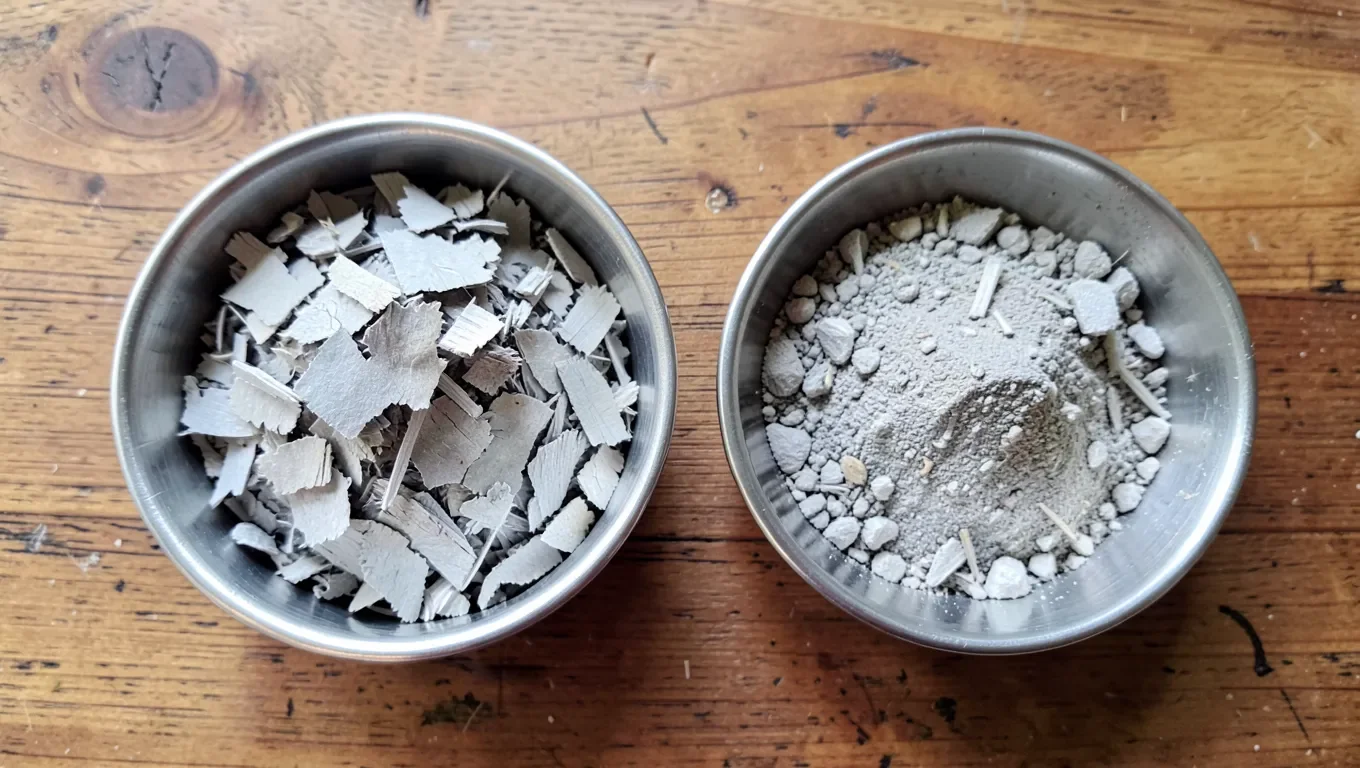
Paper ash and wood ash are chemically similar in a broad sense – both are mostly mineral residue left after the burnable carbon is gone – but paper ash is usually much lower in the nutrients gardeners actually want, and the reason isn’t biology, it’s manufacturing.
Most of what ends up in paper ash isn’t leftover tree mineral at all. Modern paper (especially printer paper, magazines, and glossy stock) is manufactured with calcium carbonate filler and clay coatings added for brightness and print quality – and those additives, not the wood pulp, make up most of what’s left after burning. This guide breaks down what’s actually in each type of ash, why that manufacturing difference matters for your garden or compost, and which paper is safe to burn at all.
What’s Actually In Each Type Of Ash
Before Using Either Ash On Soil
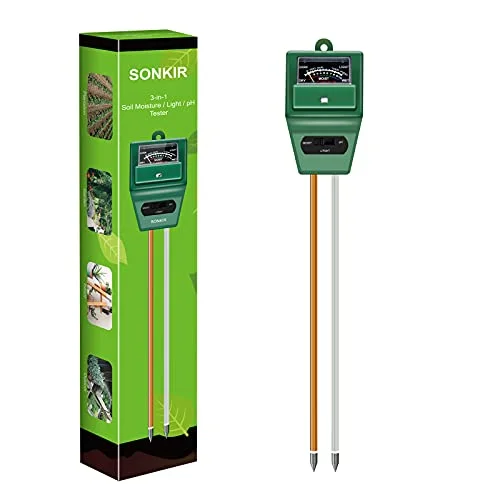 |
SONKIR 3-in-1 Soil pH Meter Both ash types raise soil pH – testing before and after adding either one tells you whether you actually need it, and stops you over-alkalizing beds that don’t.
|
Paper ash is mostly what’s left of the mineral fillers manufacturers add to paper, not leftover tree nutrients. Modern printer, magazine, and office paper is typically 15-30% calcium carbonate and clay filler by weight, added for brightness, opacity, and print quality. When the paper burns, the cellulose fiber converts almost entirely to carbon dioxide and water vapor, but that mineral filler stays behind as ash – meaning a surprising share of what you’re looking at in the ash pile is manufacturing additive, not concentrated wood mineral. Plain, undyed cardboard and newsprint have less filler and burn to a smaller, more genuinely “wood-like” ash.
Wood ash, by contrast, is the actual mineral content of the tree itself, concentrated by burning off the organic carbon. It typically contains calcium (often 25-50% by weight, mostly as calcium carbonate, which is why wood ash raises soil pH similarly to garden lime), along with potassium, magnesium, and smaller amounts of phosphorus, iron, and trace micronutrients – all of which plants can actually use.
| Property | Wood Ash | Paper Ash |
|---|---|---|
| Primary source | Tree mineral content | Manufacturing filler (calcium carbonate, clay) |
| Calcium content | High (~25-50%) | Variable, filler-dependent |
| Potassium content | Moderate – genuinely useful to plants | Very low to negligible |
| Texture | Coarser, gritty, some charcoal fragments | Fine, powdery, light |
| Soil pH effect | Raises pH, similar to lime | Raises pH slightly, less predictably |
| Garden nutrient value | Real (K, Ca, trace minerals) | Minimal – mostly inert filler |
This is the practical takeaway: if your goal is adding nutrients or adjusting soil pH in a garden bed, wood ash does a real, measurable job. Paper ash mostly just adds inert calcium carbonate dust – not harmful in small amounts, but not the fertilizer boost some guides imply either.
Which Paper Is Safe To Burn
Not all paper burns to the same kind of ash, and this matters more than the wood-vs-paper question for anyone planning to use the ash on soil. Plain, uncoated newsprint and cardboard are the safest to burn – minimal ink, minimal filler, closest to a genuinely inert ash. Glossy magazine paper, coated cardstock, and anything printed with color laser or inkjet ink carry more filler and, in some inks, heavy metal pigments (older inks used cadmium and lead-based colorants; modern inks are safer but not guaranteed additive-free) – ash from this kind of paper is better composted in small amounts or disposed of, not spread directly on food-growing beds. Glue, tape, and staples left in burned paper (from bound notebooks or magazines) leave their own separate residue and should be picked out before you consider using the ash at all.
Physical Properties
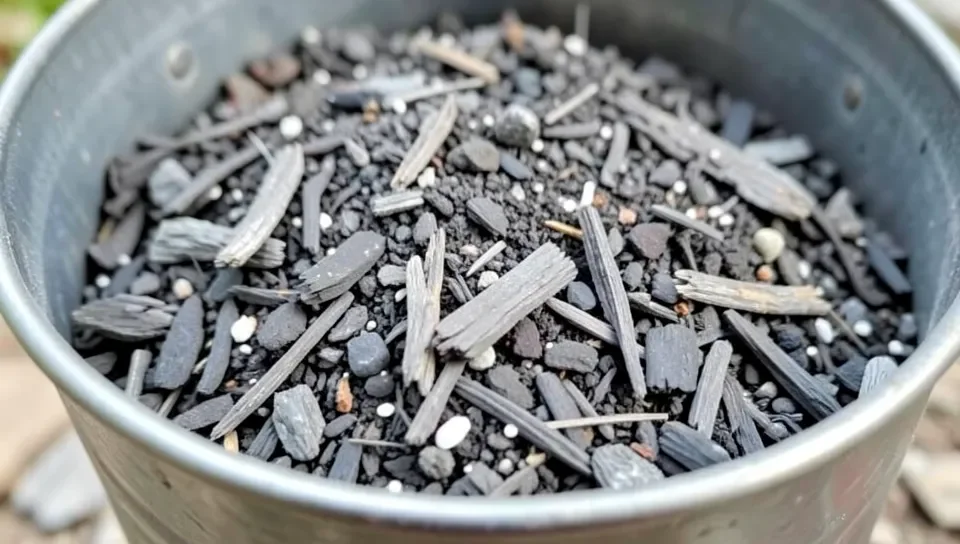
The two look similar at a glance – both gray to white and powdery – but feel noticeably different in hand. Wood ash is coarser and denser, often with small unburned charcoal fragments and gritty mineral bits mixed in. Paper ash is finer, lighter, and more uniform, since it has no woody fiber structure to leave fragments behind; it also blows away in a light breeze far more easily than wood ash, which matters if you’re spreading either one outdoors on a windy day.
Environmental Impact
Recycling paper is almost always the better environmental choice over burning it – burning releases the carbon immediately as CO2 and any ink contaminants as airborne particulates, while recycling keeps that fiber in circulation. Wood ash from a wood stove or fireplace you’re already using for heat is a reasonable byproduct to put to use, since the burning was happening anyway; burning paper specifically to generate ash for the garden isn’t a trade worth making given how little nutrient value it actually returns. Check local regulations before burning paper outdoors in general, separate from any ash-use question – many municipalities restrict or ban open burning of paper and cardboard.
Uses In Agriculture
Wood ash has a real place in small-scale agriculture and home gardens: its potassium and calcium carbonate content genuinely raises pH and adds nutrients that crops use, which is why extension services publish actual application-rate guidelines for it. Paper ash’s main agricultural role is limited to its calcium carbonate content acting like a very mild, slow liming agent – useful in a compost pile in small amounts, but not something to rely on as a fertilizer or soil amendment on its own.
Whichever you use, test your soil’s existing pH first. Both ashes push pH upward, and adding either to soil that’s already neutral or alkaline can push acid-loving plants (blueberries, azaleas, potatoes among them) into a range where they struggle.
Industrial Applications
Industrially, the two diverge further. Paper mill ash (from burning paper-production waste, not the paper itself) is sometimes used as a supplementary cementitious material in concrete, taking advantage of its filler mineral content. Wood ash has a longer industrial history – it’s a traditional ingredient in soap-making (lye extraction), a flux in some glass and pottery glazes, and, in the past, a component in early brick and mortar mixes. Neither is something a home user needs equipment or expertise to produce – both are simply what remains after ordinary burning.
Safety Considerations
Both paper ash and wood ash can be safe if handled with care. Paper ash can contain chemicals from inks and coatings. Wood ash might have residue from treated wood. Always wear gloves when handling ash. Avoid inhaling ash dust. It can irritate lungs and eyes.
Keep ash away from pets and small children. Store ash in a cool, dry place. Dispose of ash properly. Check local rules for ash disposal. Mixing ash with water can create strong lye. This can burn skin. Always wash hands after touching ash. Do not eat or drink near ash. Safety first with any type of ash.
Comparative Analysis
The short version: they’re related but not interchangeable. Wood ash carries real nutrient value and a strong, predictable pH-raising effect – treat it like a mild garden amendment. Paper ash is mostly inert mineral filler with a much weaker effect – treat it as a compost additive in small quantities rather than a fertilizer substitute. Both, in fine powdered form, can double as a light abrasive for polishing tarnished metal, though a dedicated metal polish works faster and more predictably for that job.
Frequently Asked Questions
Are Paper Ashes Good For Anything?
Paper ashes enrich soil with nutrients, enhancing plant growth. Use them sparingly to avoid altering soil pH. They also deter pests when sprinkled around plants. For eco-friendly disposal, paper ashes can be mixed into compost bins, boosting organic matter decomposition.
Always ensure paper is free from toxic inks before using.
What Is A Substitute For Wood Ash?
Garden lime, crushed eggshells, or dolomite lime can replace wood ash in gardening. These alternatives balance soil pH effectively. Use them sparingly to avoid over-alkalizing. They are readily available, eco-friendly, and maintain nutrient levels for healthy plant growth.
What Is In Paper Ash?
Paper ash contains carbon, calcium, potassium, and small amounts of magnesium and phosphorus. These elements result from burning cellulose fibers. Ash may vary depending on paper type and burning conditions. It’s often used in gardening to enrich soil with nutrients.
Can I Put Paper Ash In Compost?
Yes, you can add paper ash to compost in small amounts. Ensure it is free from toxic inks or coatings. Mix it well with other compost materials to balance nutrients. Too much ash can increase alkalinity, so use sparingly for best results.
Conclusion
Paper ash and wood ash differ significantly in properties and uses. Paper ash tends to be less rich in nutrients than wood ash. Wood ash can improve soil quality, but use it sparingly. Both ashes can be used for cleaning or pest control.
Always handle ashes with care to avoid harm. Understanding their differences helps in proper application. Use them wisely for best results. Proper disposal is crucial to avoid environmental damage. Consider your needs before choosing between paper or wood ash. Stay informed and use resources responsibly for a healthier environment.
Sponsored / affiliate links. As an Amazon Associate I earn from qualifying purchases. I may earn additional commission from eligible campaigns.