Can Wood Pellets Be Burned in a Corn Stove?
Thinking about heating your home with an alternative fuel? Many folks wonder, Can You Use Wood Pellets in a Corn Stove? It’s a common question, and sometimes it feels tricky to find a simple answer. Don’t worry, we’re here to help! This article will guide you through everything you need to know. We’ll explore the main differences and similarities to make the right choice. Let’s get started and learn if wood pellets are a good option for your corn stove.
Evaluating Your Appliance
Before you even think about fuel types, you need to examine your existing corn stove. Inspecting your stove is a critical step because some units are specifically designed for only corn or other specified fuels. Burning the wrong fuel can lead to damage. You want to avoid any potential problems. This involves checking the manufacturer’s manual.
The manual will provide all specifications, recommended fuel types, and safety precautions. This is like the instruction manual that came with your stove. It outlines its specific capabilities. It may advise you against using wood pellets. Understanding your stove’s specifications will guide your fuel selection. This ensures safe and efficient operation.
Fuel Requirements of Your Heating System
Your heating system has particular fuel needs. These needs determine its efficiency. It also determines the types of fuel it can burn. Some stoves are made to burn only corn. Others can handle a mix of fuels. These include wood pellets or other biomass. The fuel requirements of your stove are about more than just what it can burn. They also dictate how well it does burn. You can often find fuel requirements in your stove’s manual. Look for a section on fuel types. The manufacturer provides details about compatible fuel options. This is essential for safe operation. Always follow the guidelines to ensure proper functionality.
-
- Fuel Type Compatibility: Confirm if your corn stove is designed for wood pellets. Many units are designed for corn. Others may have compatibility for wood pellets. Look at the manufacturer’s documentation or contact them.
Some corn stoves are designed for corn only. Check the design of the burner and the fuel feed system. If it is suited for corn kernels, wood pellets might not work. Other stoves can handle multiple fuel sources. They may have adjustable settings or modified components to accommodate different fuel types. Before burning anything, ensure your stove is compatible.
-
- Fuel Density and Burn Rate: Wood pellets and corn have different densities and burn rates. Wood pellets are denser than corn. They burn at a different rate. This impacts how the fuel feeds. It also impacts the overall burn characteristics within the stove. Corn stoves may be programmed. They regulate the fuel to corn’s typical burning behavior. Using wood pellets would mean different settings.
Wood pellets typically burn more slowly than corn. This slow burning rate may require adjustments. These can involve the air supply. They also influence the feed rate. This is to guarantee efficient combustion. Corn stoves are designed to burn corn at a specific rate. You should not assume that wood pellets will work at the same settings. If you don’t adjust it, it can lead to inefficient burning. You may also get incomplete combustion.
-
- Ash Production: Wood pellets and corn produce ash at different rates. The type of ash and its volume depend on the fuel. Corn tends to produce less ash compared to wood pellets. High ash production may affect how well the stove performs. It can even damage your stove. You must frequently clean the stove to remove any build-up.
Wood pellets generally produce more ash. Corn usually makes less. When you switch fuels, the ash management becomes critical. If the stove is optimized for corn, it might not handle the extra ash. Too much ash can affect airflow. It can reduce heating efficiency. Always monitor the ash accumulation rate. You should make adjustments to the cleaning frequency, if necessary.
-
- Fuel Feed Mechanism: Understand how your stove feeds fuel. This is key to safe operation. Corn stoves use an auger to deliver corn kernels to the fire. An auger is a spiral screw. It moves the fuel from the hopper to the burn pot. The auger is set to deliver fuel based on the size and shape of corn.
Wood pellets may not flow through an auger system designed for corn. They can get jammed. Wood pellets are usually smoother. They may not feed into the burn pot properly. This results in an uneven burn. Adjustments or modifications to the auger system may be needed. Always make sure that the fuel can pass through the system. If it cannot, the stove will not work.
Wood Pellets Versus Corn: A Closer Look
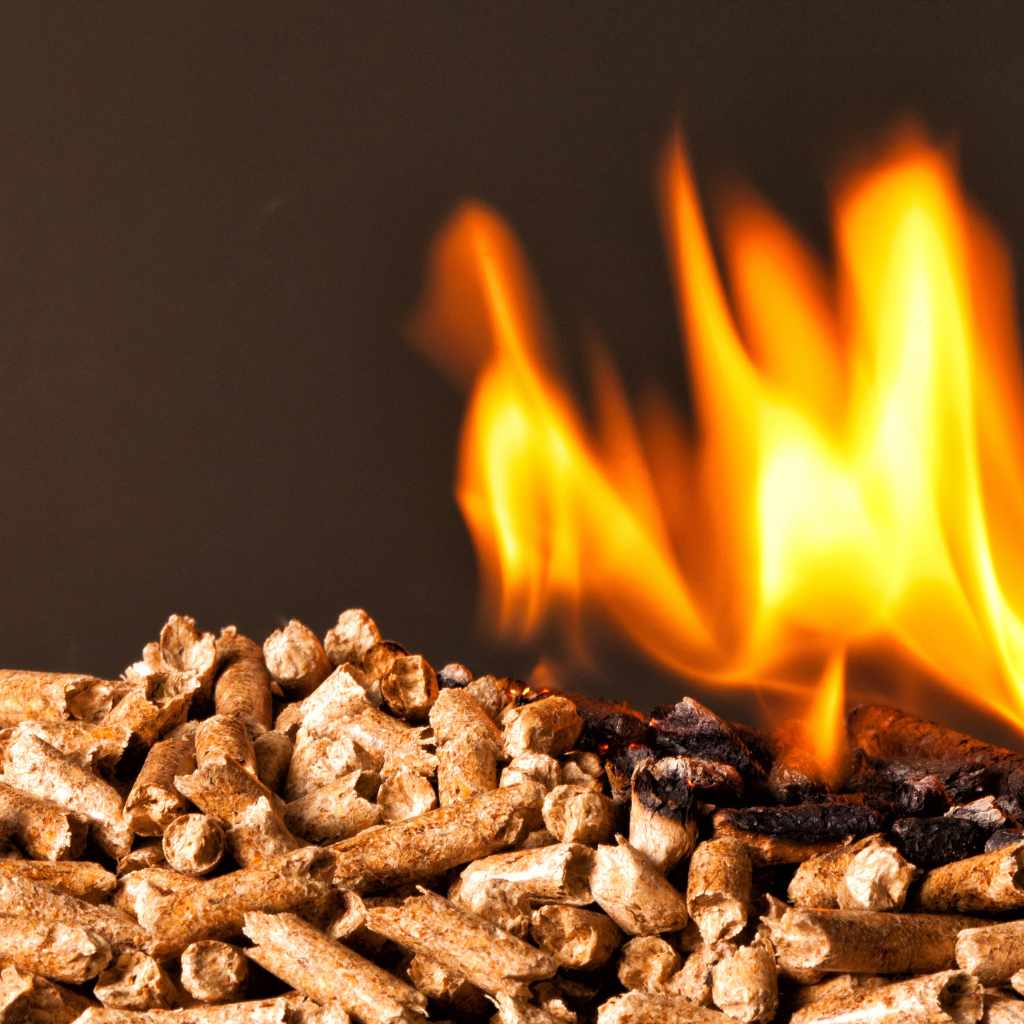
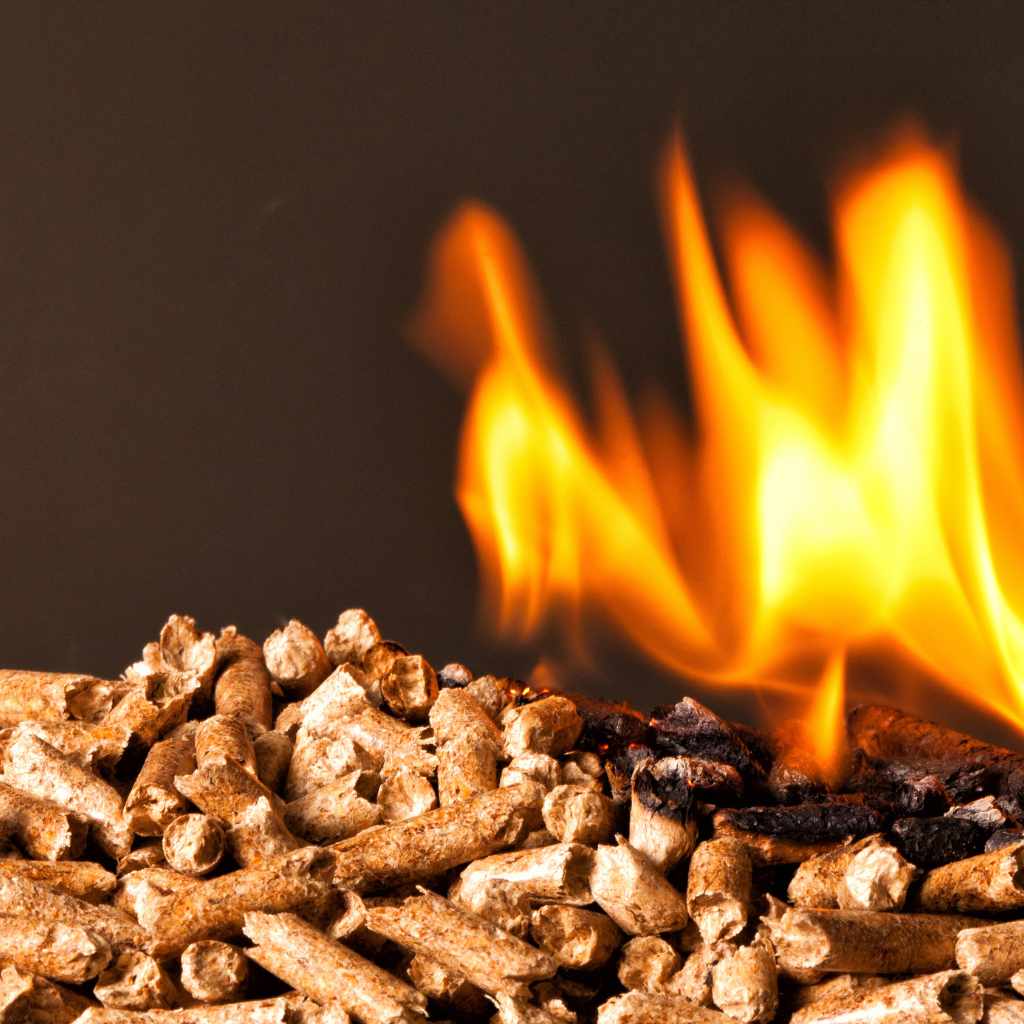
Let’s take a closer look at the key differences between wood pellets and corn as fuel sources. Each fuel has its unique properties and advantages. Wood pellets are made from compressed sawdust. They offer consistent heat output. Corn, a readily available agricultural product, brings its own heating characteristics. Understanding the characteristics of each fuel is essential for making an informed decision. You want to choose the best fuel source for your heating needs. We will examine the fuel value, the ash content, and the overall efficiency of each. Then, you can make the right choice.
Examining Fuel Characteristics and Performance
When you’re comparing wood pellets to corn, fuel characteristics matter. They determine how well each fuel performs in a stove. Several factors come into play. Fuel value, ash content, and burning characteristics all play a part. Understanding these features will help you evaluate the suitability of wood pellets for your corn stove. You can then choose the right fuel for optimal performance. The comparison of fuel characteristics is useful to compare fuels. Understanding these elements can optimize your stove use.
-
- Heat Output (BTUs): The heat output, or British Thermal Units (BTUs), is essential. This is how you measure the heat generated. Wood pellets typically provide a consistent BTU output. Corn can vary depending on its moisture content.
Wood pellets have a relatively consistent BTU value. They are made from compressed wood. This leads to predictable burning. Corn’s BTU value may differ based on its moisture content. Moisture is a factor affecting how much heat it produces. Higher moisture means lower heat output. The specific BTU content impacts the heating performance. It also influences the amount of fuel your stove needs.
-
- Ash Content Comparison: The amount of ash produced affects stove maintenance. Wood pellets usually produce more ash than corn. The ash contains the minerals that are left over after burning. Higher ash production demands more frequent cleaning.
Wood pellets typically have a higher ash content. The quality of wood pellets can affect this. They produce more ash than corn. Corn generally results in less ash. You need to clean your stove more frequently if you use wood pellets. A stove optimized for corn might not manage the extra ash effectively. This may cause airflow problems. It may reduce the stove’s efficiency.
-
- Fuel Density: Fuel density affects burn time and feed rates. Wood pellets are more dense than corn kernels. Density plays a role in how the fuel burns. This also affects how the fuel is fed into the stove.
Wood pellets are denser. They take up less space than the same amount of corn. This density influences how the fuel feeds. It can also affect the burn rate. Stoves are designed with certain fuel densities in mind. You’ll need to know this if you plan to switch fuels. Ensure your stove is set up for the correct fuel density.
-
- Moisture Content: Moisture levels affect how well each fuel burns. Dry fuel burns better. Wood pellets have low moisture content. Corn’s moisture content can vary.
Wood pellets are manufactured with low moisture. This contributes to efficient combustion. Corn’s moisture content can change based on the storage conditions. Higher moisture reduces heat output. It leads to incomplete burning. The moisture level affects the fuel’s performance. It also influences the stove’s efficiency. You want to use a dry fuel to guarantee optimal performance.
Comparing Cost, Availability, and Convenience
Beyond fuel characteristics, consider cost, availability, and convenience. These factors also play a large role. The price of wood pellets and corn fluctuates with market conditions. Supply chains also affect availability. User convenience covers storage, handling, and how easy it is to manage the fuels. A full evaluation of all these elements allows you to assess the practical value of your heating options.
-
- Fuel Costs: The price of wood pellets and corn can vary. These costs also depend on location and market conditions. You can reduce heating costs by finding the least expensive fuel. Consider the overall value and expenses. You should figure out the costs of fuel. Factor in any equipment upgrades and maintenance costs.
The cost of wood pellets is affected by demand, supply, and transportation. Corn prices are tied to the agricultural market. Always compare prices. You should check the overall cost of heating your home. Calculate the upfront costs and the ongoing expenses. Include the price of fuel. Also consider any maintenance or equipment costs. Comparing different fuel options can help you save money.
-
- Fuel Availability: The supply of fuel depends on many things. These include your local market. Wood pellets are usually available from local suppliers. Corn might be available in areas with agriculture. Local availability and delivery options affect your options.
Wood pellets and corn may not be available everywhere. Wood pellets are frequently available from hardware stores and fuel suppliers. Corn is more available in agricultural areas. The convenience of delivery and storage should also be considered. Choosing a readily available fuel makes sure you always have a heat source.
-
- Storage and Handling: Wood pellets and corn need different storage methods. Wood pellets are usually stored in bags. You can put them in a dry location. Corn needs to be stored in bins or containers. Protect both fuels from moisture. Consider the space you have for storage. Also, factor in how easy they are to manage.
Wood pellets in bags are easy to store in a dry place. You can easily stack them. Corn needs larger storage. You have to keep it in bins. You need to keep it dry. You must handle both fuels with care. You want to make sure your space is tidy. Proper storage is necessary to stop moisture issues. This is also important to maintain the fuel’s quality.
-
- Maintenance and Cleaning: Different fuels require specific maintenance. Wood pellets produce more ash. This means you have to clean your stove more often. Corn may produce less ash. You need to do maintenance on both fuels to prevent any problems.
Wood pellets tend to generate more ash. You will need to clean your stove more often. This may mean taking the stove apart to remove any buildup. Corn produces less ash. You still need regular cleaning. This prevents ash from interfering with airflow. Following a regular cleaning schedule keeps the stove working efficiently. It also keeps your home warm.
Making the Switch: Can You Use Wood Pellets in a Corn Stove?
Before switching to wood pellets, there are several things you should know. It is essential to ensure your stove can handle the switch. You also need to adjust settings and monitor the burn. Remember the compatibility of the stove. Proper preparation and careful monitoring are key. You want to make the transition safely and efficiently.
Preparing Your Corn Stove for Wood Pellets
You can’t just toss wood pellets into a corn stove. There are a few key steps to prepare your stove. The first is to check the manual to see if your stove can use wood pellets. If it’s safe to use them, then move on to the next steps. Preparing your corn stove for wood pellets involves adjustments. It also involves modifications to ensure compatibility. You can prepare your stove. You can also prevent problems. This increases its efficiency.
-
- Check the Manual: The manufacturer’s manual is your first stop. It gives details on compatible fuels. It also gives instructions on how to change fuels. If the manual states that it is not possible, do not attempt to use wood pellets.
The manual is the most reliable guide. It gives you all the details on fuel compatibility. Check the section about fuel options. Make sure your stove is designed for wood pellets. If the manual says it’s okay, you can move on to the next steps. Always follow the manufacturer’s advice.
-
- Clean the Stove: Clean your stove thoroughly before using wood pellets. Remove any corn and ash residue from the burn pot. You should also clean the auger and the firebox. This guarantees you are starting with a clean system.
Remove any previous fuel. This helps to make sure you have no cross-contamination. Clean all parts that come into contact with the fuel and ash. You want to remove any ash residue. This allows the stove to burn wood pellets. A clean stove also guarantees efficient combustion.
-
- Adjust the Airflow: Wood pellets burn differently than corn. You may have to change the airflow. You can adjust the air intake. This provides sufficient oxygen. It also creates a clean burn.
Airflow adjustments are essential. Wood pellets require the right amount of air for a clean burn. Follow the manufacturer’s instructions to adjust the airflow. Increase or decrease the air supply. This ensures the wood pellets burn completely. Improper airflow may cause smoke. It can also cause a buildup of soot.
-
- Adjust the Fuel Feed Rate: The auger system may require adjustments. This is because the feed rate is different for wood pellets. Make sure the fuel is fed at the right speed. You want to balance combustion.
Wood pellets and corn burn at different rates. You may need to change the auger settings. You want to provide the correct amount of fuel. Too much fuel can cause a smoky fire. Too little fuel results in inefficient heat. Follow the manufacturer’s instructions. You may need to experiment. This helps you find the optimal settings.
Burning Wood Pellets in a Corn Stove: Step-by-Step
Here’s a step-by-step guide to help you burn wood pellets in your corn stove. Start by assessing your stove’s specifications. Make the needed adjustments. You’ll make sure it runs efficiently. Following these steps helps you manage the process. You can optimize the heating performance of your stove.
-
- Prepare the Stove: Clean the stove thoroughly. Get rid of all corn. Also remove any ash. Be sure you inspect all components. Clean the burn pot, the auger system, and the firebox.
Start with a clean system to guarantee the best burn possible. This step removes all traces of previous fuel. It also removes any build-up that may impact the combustion of wood pellets. You should clear any obstructions. Then, make sure all parts are in good condition.
-
- Load the Pellets: Fill the hopper with wood pellets. Do not overload the hopper. Follow the manufacturer’s recommendations.
You can ensure a consistent fuel supply by loading the pellets correctly. Make sure you don’t overfill the hopper. You also want to guarantee proper fuel flow. Always use high-quality wood pellets. The quality affects the efficiency of the burn.
-
- Ignition and Start-up: Start the stove according to the manufacturer’s instructions. Ensure the pellets ignite correctly. Then, closely watch the initial burn.
You can verify that the ignition system works. Then, observe how the pellets burn. Watch the flames. Be aware of any smoke or unusual burning. This is the best time to see if the stove works. Make sure the fuel ignites and burns efficiently.
-
- Monitor the Burn: Continuously monitor the burn process. Keep an eye on the flames. Check for any smoke. Also look for ash build-up. Then, adjust the airflow and fuel feed settings. Make sure you get the best burn.
Monitor the burning process to ensure it works properly. Make adjustments to the airflow and fuel feed. This allows you to improve the burn quality. It also improves heating efficiency. You need to watch for any problems. If you see smoke, adjust the settings. This ensures a clean and effective burn.
-
- Regular Maintenance: Clean the stove frequently. Remove the ash. Remove any clogs. Then, inspect all components. Ensure they are in good working order. Doing these things keeps the stove operating efficiently.
Clean regularly to maintain optimal performance. The amount of ash will depend on the wood pellets. You will need to clean the stove. You should inspect all parts of the system. This will prevent any problems that may impact the stove’s function. By sticking to a maintenance schedule, you can extend your stove’s life.
Can You Use Wood Pellets in a Corn Stove? Safety Precautions
Safety is key when switching fuels. Here’s what you should know to avoid any hazards. Safe use of a corn stove with wood pellets involves several precautions. Safety is essential in the operation of any heating appliance. You should always prioritize safety. Understanding and adhering to these safety measures will guarantee a safe and efficient heating experience.
Preventing Hazards and Risks
Burn safely by taking the right precautions. These will ensure your safety. These measures are designed to minimize risks. They include monitoring carbon monoxide levels, storing fuel safely, and cleaning the stove regularly. You can keep your heating system and your home safe. You can also keep the people inside safe.
-
- Carbon Monoxide Detection: Install carbon monoxide detectors near your stove. Regularly check the detectors. This is to ensure they work. Carbon monoxide is a poisonous gas. You cannot see it or smell it.
A carbon monoxide detector is your first line of defense against this dangerous gas. Put detectors in your home. Replace the batteries regularly. Then, test them. If you suspect any issues, have your stove inspected. A working detector will alert you if carbon monoxide is present.
-
- Safe Fuel Storage: Store wood pellets in a dry area away from heat. Use appropriate containers. Make sure you keep the storage area clear.
Proper fuel storage reduces fire hazards. It also ensures the fuel stays dry and burns effectively. Store the pellets away from any heat source. Make sure you keep the storage area organized. These steps reduce the risk of accidents.
-
- Regular Inspections and Maintenance: Schedule regular professional inspections and maintenance. This helps you catch issues early. It also guarantees optimal operation.
Regular maintenance is essential for safe operation. A professional can examine your system. They can identify and fix any problems. You can catch any wear and tear. You can ensure that it burns cleanly and efficiently. Professional maintenance will help the stove to work for years.
-
- Ventilation Considerations: Make sure your stove has proper ventilation. This helps it to burn correctly. Then, ensure that dangerous gases can escape safely.
Adequate ventilation is essential for safe operation. Check that the vents are clear. They must not be blocked. Clear the chimney from time to time. This will allow the stove to vent. Proper ventilation ensures a steady supply of air. It guarantees efficient combustion. It also removes dangerous byproducts.
Frequently Asked Questions
Question: Can I just switch from corn to wood pellets in my corn stove?
Answer: It’s often not a direct swap. You should first check the manufacturer’s manual. Your stove may require adjustments to the airflow and fuel feed rates. Make sure you follow the guidelines.
Question: Will wood pellets produce more ash than corn?
Answer: Yes, typically. Wood pellets often produce a higher ash content. You will need to clean your stove more often when using wood pellets.
Question: What happens if I use wood pellets without making adjustments?
Answer: You may get incomplete combustion. You might also have a smoky fire. The stove might not burn efficiently. These issues may lead to damage.
Question: How can I tell if my stove is burning wood pellets efficiently?
Answer: Look at the flames. They should be steady. You should not see any excessive smoke. Also, monitor the ash build-up. You want a clean burn.
Question: Is it always safe to use wood pellets in a corn stove?
Answer: No, safety depends on your stove model and adjustments. Follow the manufacturer’s advice. Prioritize safety measures like carbon monoxide detection.
Final Thoughts
So, Can You Use Wood Pellets in a Corn Stove? The answer depends. Understanding your stove’s capabilities is key. You’ll need to know whether the manufacturer designed your unit for wood pellets. If so, preparation is everything. This includes cleaning the stove. You might need to adjust the airflow and fuel feed settings.
Remember that wood pellets and corn have different characteristics. They produce different amounts of ash. Safety is always the top priority. Always have a carbon monoxide detector. You’ll want to ensure you store your fuel correctly. If you take the proper steps, you can safely explore burning wood pellets. You’ll have an efficient and reliable heating experience. Always follow manufacturer’s instructions, and happy heating!