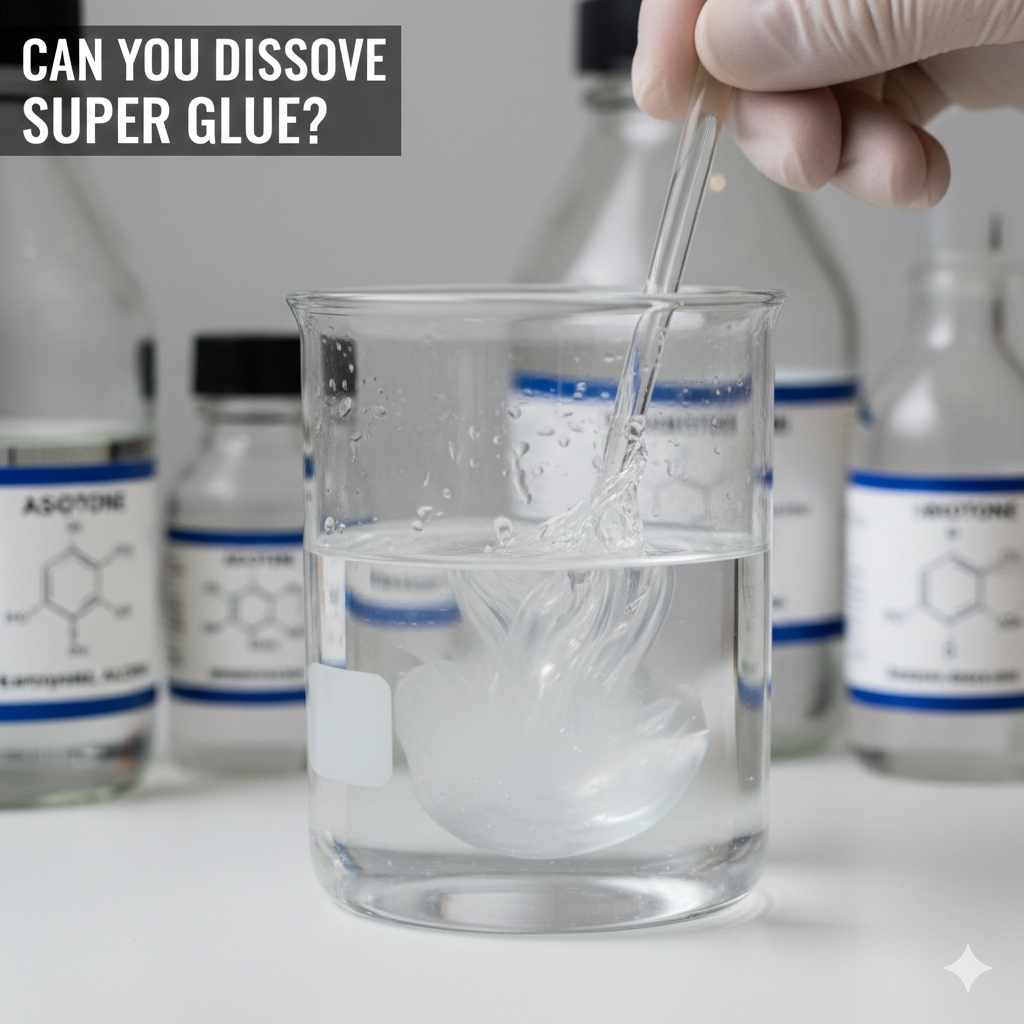
Can You Dissolve Super Glue? Safe Removal Methods Explained
Getting super glue on your skin or surfaces is a common mishap. That’s why figuring out Can You Dissolve Super Glue? Safe Removal Methods is a helpful skill. Many beginners often worry about damaging items or hurting themselves. Don’t stress! This guide will break down the process in a simple, step-by-step way. We’ll explore the best techniques and what to avoid, so you can safely and effectively solve this sticky situation. Let’s start with how to approach super glue mishaps.
Approaching Super Glue Mishaps: Understanding the Basics
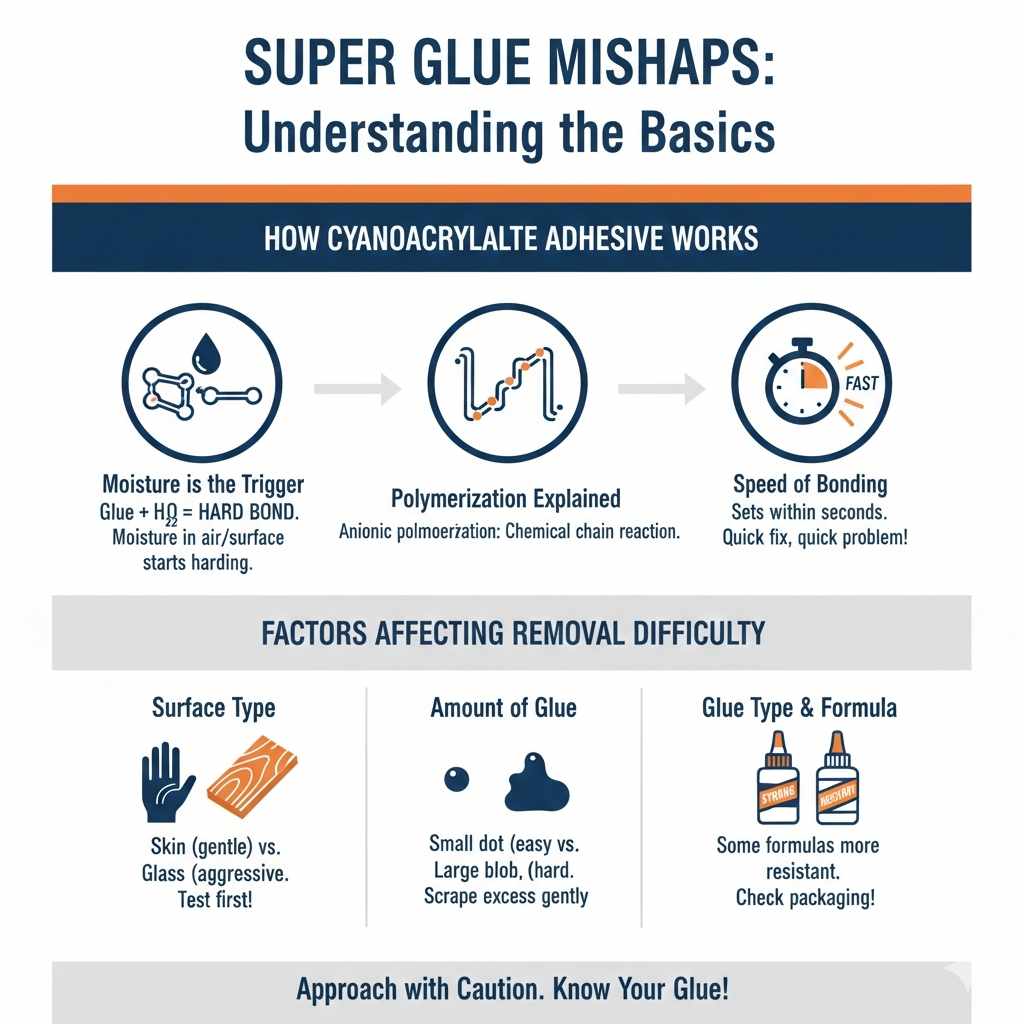
Super glue, also known as cyanoacrylate adhesive, is famous for its fast-acting, strong bond. This very strength is what makes it both useful and challenging. Accidental spills happen frequently, whether it’s on your fingers, clothes, or furniture. The key to handling these situations effectively starts with knowing how super glue works. Its rapid bonding occurs when the glue comes into contact with moisture, forming a strong, nearly immediate connection. Understanding this is key to devising strategies for removal.
How Cyanoacrylate Adhesive Works
Cyanoacrylate adhesives work through a process called anionic polymerization. When the glue comes into contact with a surface that contains moisture (like your skin or most materials), it quickly hardens. This reaction creates a tough, durable bond. This process occurs almost instantly, which is why super glue is so effective for quick fixes. However, this same characteristic is what makes removing it without damage a real challenge. You’ll need to know which substances can break down this strong bond.
Moisture is the Trigger: Super glue uses moisture in the air or on a surface to start the hardening process. Without moisture, it won’t bond.
This explains why super glue can sometimes fail to stick on very dry surfaces. Understanding this helps you appreciate why removing it often involves adding moisture, along with other solvents, to reverse the process.
Polymerization Explained: Anionic polymerization is the chemical process. It is the chain reaction that creates the strong bond when the glue sets.
Think of it like tiny interlocking chains forming a rigid structure. Breaking this structure requires using substances that can disrupt those bonds. That is how the safe removal of super glue becomes possible.
Speed of Bonding: Super glue’s fast-acting nature is one of its most important features. It can set within seconds.
This quick setting makes it perfect for repairs that need to be done fast. It also increases the chances of unwanted adhesion, making careful handling and quick action in case of spills are key.
Factors Affecting Removal Difficulty
The difficulty of super glue removal depends on several things. The surface the glue is on, the amount of glue, and how long it has been there. For example, removing glue from skin is different than from a wood table. The type of super glue used also plays a part. Some formulas are stronger or more resistant to solvents. Consider these factors when choosing a removal method. They play a part in what will and won’t work.
Surface Type: Different materials react differently to removal methods. A soft surface like skin may need gentle treatment, while a hard surface like glass may tolerate more aggressive techniques.
Understanding the material helps you choose a removal strategy that won’t cause damage. Always test on a hidden area first, if possible.
Amount of Glue: A small amount of super glue is easier to remove than a large blob. The more glue, the more solvent or time is required for successful removal.
In many cases, gently scraping off excess glue before applying a solvent can help. Be very careful to avoid scratching the surface.
Glue Type and Formula: Some super glue formulas are designed to be more resistant to solvents. Other formulas may be easier to remove. Knowing the specific type of glue can guide your choice of removal methods.
Look at the product packaging for any specific removal instructions. This can provide important information to guide your efforts.
Effective Ways to Tackle “Can You Dissolve Super Glue? Safe Removal Methods”
Now, let’s explore some proven strategies. These methods focus on removing super glue safely. We will look at techniques for removing it from skin, surfaces, and fabrics. Each method offers a unique approach that minimizes damage and gets the job done.
Removing Super Glue From Skin: A Gentle Approach
Getting super glue on your skin is a common mishap. The first thing to remember is to stay calm and avoid pulling or forcing the glue off. It’s usually not harmful and will come off naturally over time. Here are some safe and effective removal methods. Start with the gentlest options first. The goal is to loosen the bond without damaging your skin. Remember to be patient. It may take time, but the glue will come off.
Soapy Water: Soak the affected area in warm, soapy water. This can soften the glue. Then, gently rub it.
Soaking the skin helps soften the glue. Mild soap is essential. Avoid harsh chemicals that could irritate the skin.
Oil-Based Products: Applying oil can help break down the glue. Try mineral oil, olive oil, or petroleum jelly.
Apply the oil liberally to the affected area. Gently massage it. The oil helps to break the bond of the glue.
Acetone (with caution): Acetone is a solvent found in nail polish remover. Use it only if other methods fail. Apply it carefully to the affected area.
Use a cotton swab to apply acetone to the glue. Be sure to avoid getting it on healthy skin. Immediately wash the skin area with soap and water afterward. Overuse can dry out your skin.
Emery Board: Very carefully and gently, you can use an emery board or nail file.
Use the file to gently rub at the glue. Be extra careful not to damage the skin. File in the same direction. Stop immediately if irritation occurs.
Removing Super Glue From Surfaces: Strategies for Various Materials
Removing super glue from surfaces requires understanding the material involved. The removal method that works on glass may damage wood. Test any method in an inconspicuous area before applying it to the entire surface. This helps avoid irreversible damage. Always work gently, and take your time. Here’s a look at some removal methods that work for a variety of surfaces.
Acetone (again, with caution): Acetone can be effective on hard surfaces like glass, metal, and plastic. Apply it to the glue with a cotton swab or cloth.
Always test acetone in an inconspicuous area first. Avoid using acetone on painted or delicate surfaces. The acetone can damage the finish.
Scraping: A plastic scraper or razor blade can remove glue from hard surfaces. Be very gentle to avoid scratches.
Hold the scraper at a shallow angle. Be careful not to damage the surface. Try softening the glue with heat or a solvent first.
Heat: Applying heat can soften super glue, making it easier to remove. Use a hairdryer on low heat or a heat gun with care.
Aim the heat at the glue. Be careful not to overheat the surface. Then, scrape gently with a plastic scraper. Work in small areas.
Commercial Glue Removers: Many commercial glue removers are available. They are specially formulated to dissolve super glue. Always follow the product instructions.
These removers are a good option. They are specifically made to target the glue bonds. Check product labels for safety information.
Dealing With Super Glue on Fabrics and Clothes
Getting super glue on fabrics can be tricky. The key is to act quickly. This often means working before the glue has a chance to fully set. The choice of removal method depends on the fabric. Start by identifying the material. Some fabrics will require different treatments than others. Always test any method on a hidden area first. This will ensure you don’t cause permanent damage or discoloration.
Soaking: For some fabrics, soaking the area in warm water and detergent can help. Gently rub the fabric.
Soaking can help soften the glue, making it easier to remove. Always check the care label of the fabric first. Don’t use hot water, as it can set the stain.
Acetone (with caution): Acetone can work on certain fabrics. However, it can damage some materials. Test it on a hidden seam first.
Apply acetone to a cotton swab. Dab the glue, being careful not to spread it. Then, wash the fabric immediately after.
Rubbing Alcohol: Rubbing alcohol can sometimes help loosen the glue. Apply it with a cotton ball and then blot.
Rubbing alcohol is less harsh than acetone. Test it on a hidden area of the fabric. Rinse and wash the item afterward.
Commercial Glue Removers: Some commercial removers are safe for use on fabric. Always follow the product’s instructions.
Choose a remover designed for the fabric type. This will increase your chances of success. Read the label carefully.
Advanced Methods and Considerations
Sometimes, basic methods aren’t enough. In these cases, it’s time to consider more advanced techniques. These strategies address specific situations, like removing super glue from delicate surfaces or dealing with stubborn stains. While these methods may be effective, they require caution. It’s often better to seek professional help than to risk damaging the item.
When to Call for Professional Help
There are instances where DIY attempts are likely to cause damage. If you’re dealing with valuable items or sensitive materials, professional help might be the best option. Professionals have the tools, skills, and experience to safely remove super glue without causing further harm. Remember, it’s always better to be safe than sorry.
Valuable Items: If super glue gets on a valuable antique or artwork, consult a professional restorer. They know how to handle delicate materials.
Professionals have the knowledge and tools for safe and effective removal. They understand the materials involved.
Delicate Surfaces: If super glue is on a delicate surface, such as a painted finish or specialty fabric, seek professional help. Professionals can prevent costly damage.
Specialists have the experience to assess the material. They can safely remove the glue without affecting the finish.
Large Glue Spills: Dealing with a large amount of super glue can be difficult. It can also be very time-consuming. Contacting a professional will often save time and effort.
Professionals have specialized tools that speed up the process. They’re also trained in safe removal techniques.
Preventing Future Mishaps
Preventing super glue mishaps is the best approach. Proper handling and storage can greatly reduce the chances of accidental spills. These practices will protect your belongings and your skin. Taking a few simple precautions will help you avoid the whole problem in the first place.
Proper Storage: Store super glue in a cool, dry place. Keep it out of reach of children and pets.
This simple step prevents accidental spills and keeps the glue safe. Make sure the cap is always tightly sealed.
Careful Application: Apply super glue carefully. If possible, work on a protected surface.
Using a drop cloth or disposable surface can catch drips. This can also save you a lot of clean-up time.
Protective Gear: Wear gloves and eye protection when using super glue. This is essential to prevent skin contact.
Gloves protect your hands. Eye protection shields your eyes from accidental splashes. Be cautious around children and pets.
“Can You Dissolve Super Glue? Safe Removal Methods” – Case Studies and Examples
Real-life scenarios provide practical insights. These examples show how different methods work in various situations. They also highlight the importance of patience and careful execution. These examples demonstrate the effectiveness of certain techniques. They also show potential pitfalls to avoid. These case studies provide context. You can learn from the experiences of others.
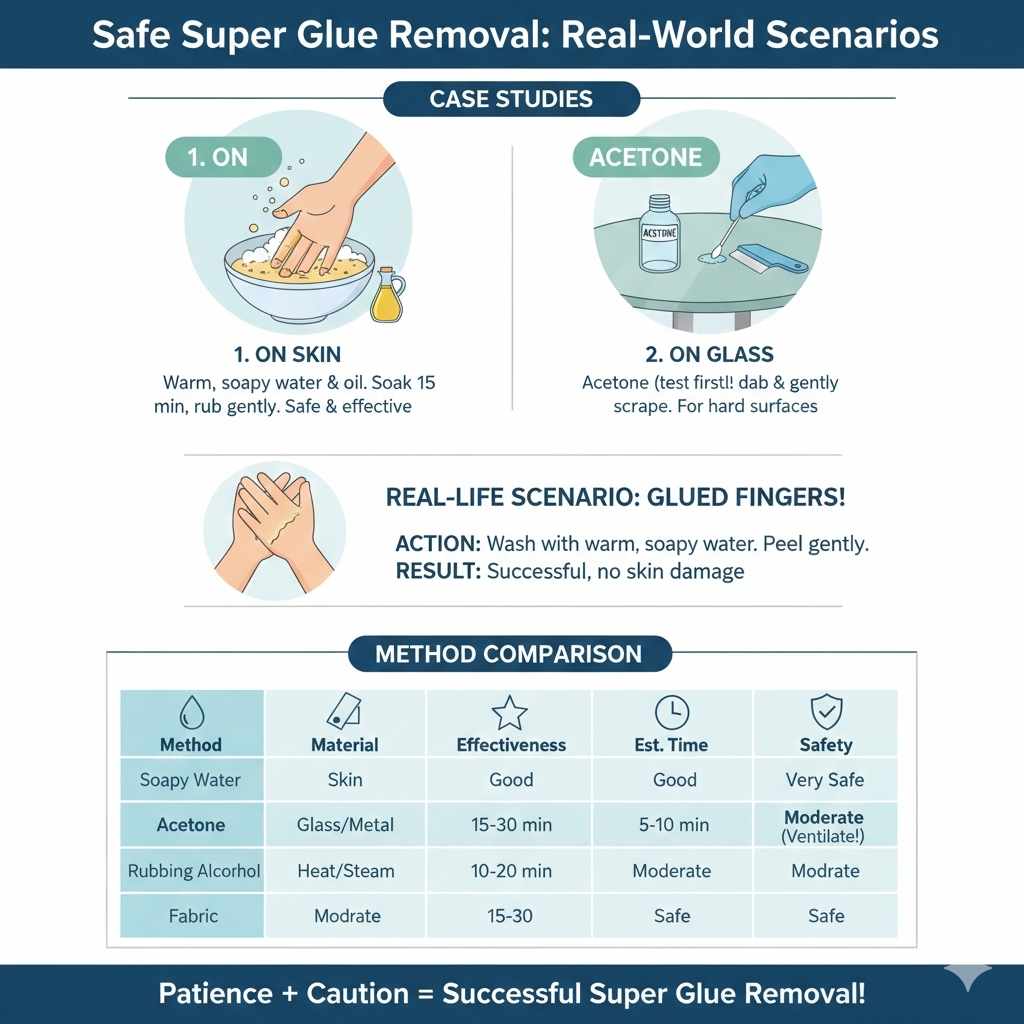
- Case Study 1: Super Glue on Skin. A user accidentally spilled super glue on their fingers. They soaked their hands in warm, soapy water for 15 minutes. Then, they gently rubbed the area with olive oil. After a few minutes, the glue began to loosen. Within an hour, most of the glue was removed. This demonstrates the effectiveness of oil-based methods for skin.
- Case Study 2: Super Glue on a Glass Table. A user found super glue on a glass table. After testing in an inconspicuous area, they used acetone on a cotton swab. They gently dabbed the glue. The glue softened and was carefully scraped off with a plastic scraper. This illustrates the effectiveness of acetone on hard surfaces.
Here’s another example to review.
- Scenario: A homeowner accidentally glued his fingers together.
- Action: He quickly went to the sink and washed his hands with warm, soapy water. He carefully peeled the skin away.
- Result: This technique was successful. The homeowner removed the glue without damaging his skin.
| Method | Material | Effectiveness | Time | Safety |
|---|---|---|---|---|
| Soapy Water | Skin | Good | 15-30 minutes | Very safe |
| Acetone | Glass | Excellent | 5-10 minutes | Moderate |
| Heat | Metal | Good | 10-20 minutes | Moderate |
| Rubbing Alcohol | Fabric | Moderate | 15-30 minutes | Safe |
Frequently Asked Questions
Question: Can I use hot water to remove super glue from my skin?
Answer: It’s better to use warm water, not hot water. Hot water could potentially irritate your skin.
Question: Will acetone damage my skin?
Answer: Acetone can dry out your skin. If you use it, be careful, and wash your skin with soap and water afterward.
Question: Can I use a metal scraper to remove super glue from glass?
Answer: A plastic scraper is generally safer for glass to avoid scratches.
Question: Is it safe to use commercial glue removers on all fabrics?
Answer: No. Always check the label. Make sure the remover is made for the type of fabric.
Question: What if I get super glue in my eyes?
Answer: Rinse your eyes immediately with lots of water. Get medical help right away.
Final Thoughts
Successfully navigating the question of Can You Dissolve Super Glue? Safe Removal Methods hinges on understanding the glue and how it interacts with different surfaces. Remember, patience and a cautious approach are your best allies. Start with the gentlest methods first, and always test in a hidden area. Knowing when to call in professional assistance is also a key part of your approach. By following these steps, you can tackle super glue mishaps. You will protect your belongings and skin from harm. Now, go ahead and confidently face those sticky situations, knowing you have the knowledge to handle them safely and effectively.