Is Harbor Freight Wood Glue Any Good? (Acrylic vs. PVA Explained)
Harbor Freight sells two very different products under the name “wood glue” — its own HFT acrylic formula and PVA options like Gorilla Wood Glue stocked on the same shelf — and only the PVA formula is built for real wood-to-wood joints. Grab the acrylic bottle for a structural joint and the bond can fail under stress. This guide breaks down what Harbor Freight actually sells, which bottle to buy, and how each one performs.
Quick Answer
Harbor Freight’s own HFT-brand wood glue ($2.99, 4 oz, item #73318) is an acrylic adhesive best suited for light, indoor repairs on porous and non-porous materials alike — it is not a dedicated wood-joinery glue. For real woodworking, buy the PVA Gorilla Wood Glue Harbor Freight also stocks (or Titebond), which passes ANSI/HPVA Type II water resistance and is the industry-standard formula for hardwoods and softwoods.
What Does Harbor Freight Actually Sell as “Wood Glue”?
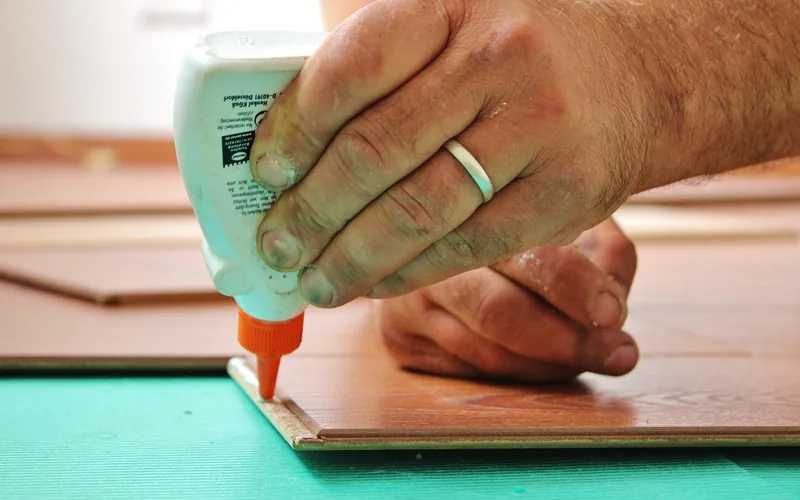
Search “wood glue” on Harbor Freight’s own site or walk the adhesives aisle and two very different products turn up. The house-brand HFT 4 oz. Incredibly Strong Wood Glue (item #73318) sells for $2.99 and uses an acrylic formula — not the polyvinyl acetate (PVA) base found in most dedicated wood glues. Harbor Freight also carries a second, unrelated option on the same shelf: 8 oz. Gorilla Wood Glue for $5.99 and an 18 oz. bottle for $8.99, both a genuine PVA wood glue rated 4.8 stars from hundreds of reviews.
If someone searches “is Harbor Freight wood glue any good” without specifying which bottle they mean, the honest answer depends entirely on which one they bought. See our full wood glue buying guide for how PVA, polyurethane, and acrylic formulas compare outside the Harbor Freight aisle specifically.
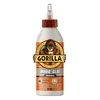 |
Best PVA Wood Glue Pick Gorilla Wood Glue, 8 oz – $4.37 The same PVA wood glue Harbor Freight stocks in-store — useful if ordering online is easier than a store run. Passes ANSI/HPVA Type II water resistance and needs just 20–30 minutes of clamp time, matching the application steps above.
|
As an Amazon Associate we earn from qualifying purchases.
Acrylic vs. PVA Wood Glue: Why the Formula Matters
Acrylic glue is a general-purpose adhesive that bonds well to smooth, non-porous surfaces — plastic, metal, laminate edges — and dries fast with an easy water cleanup. It is not formulated to penetrate open wood grain the way PVA is, so on a real wood-to-wood joint it typically holds less shear strength than a dedicated wood glue. PVA glue (polyvinyl acetate), the formula behind Gorilla Wood Glue, Titebond, and Elmer’s Wood Glue, is built specifically for porous surfaces: it soaks into the wood fibers and cures into a bond that is frequently stronger than the wood itself. Most PVA wood glues also dry a translucent, near-clear color, which matters on a visible glue line.
| Product | Formula | Best For |
|---|---|---|
| HFT Incredibly Strong Wood Glue, 4 oz – $2.99 | Acrylic | Light repairs, plastic/laminate, non-structural |
| Gorilla Wood Glue, 8 oz – $5.99 (also at Harbor Freight) | PVA | Hardwoods, softwoods, structural joints |
| Titebond Original, 8 oz – ~$3.92–$6.99 | PVA (Type I) | General interior woodworking, furniture |
📊 Gorilla Wood Glue passes the ANSI/HPVA Type II water-resistance test, the industry benchmark for indoor/outdoor-rated wood adhesives — the HFT house-brand acrylic bottle carries no such rating. Source: Gorilla Tough, official product page
Is Harbor Freight Wood Glue Strong Enough for Real Woodworking?
Whether Harbor Freight wood glue is “strong” is really two separate questions. The HFT acrylic bottle bonds smooth materials quickly but was never built to compete with a dedicated wood adhesive on a structural joint — expect it to hold for a picture frame corner or a loose veneer edge, not a chair leg. The PVA Gorilla Wood Glue sold in the same stores is a different story: it needs only 20–30 minutes of clamp time and is fully cured in 24 hours, with a bond that regularly outlasts the surrounding wood in normal use.
“One long-running HomeOwnersHub woodworking thread on Harbor Freight glue includes a builder who used it to assemble outdoor carpenter-bee traps — the joints were still holding after a couple of years outside. The same thread also has users noting that some HFT bottles stay slightly tacky longer than expected, a mixed record typical of a budget-tier adhesive.”
How to Get the Strongest Bond With Harbor Freight Wood Glue
The formula matters less than the technique if the surfaces are not prepped correctly first. These steps apply to any wood glue, HFT acrylic or PVA — and laying down wax paper under the joint first protects the workbench, since glue squeeze-out will not stick to it once dry:
- Dry-fit the joint first: Clamp the pieces together without glue to confirm they meet flush before any adhesive goes on.
- Clean and dry both surfaces: Wipe away dust, oil, and old finish — glue bonds to bare wood fibers, not to sawdust or wax.
- Spread a thin, even film on both faces: A heavy glob in the center squeezes out unevenly and starves the edges of the joint.
- Clamp within the open time listed on the bottle: Gorilla PVA needs 20–30 minutes of clamp pressure; do not stress the joint before then.
- Let the glue cure fully before loading the joint: 24 hours for PVA at room temperature — rushing this step is the single most common cause of a “glue failure” that was actually a curing failure.
Harbor Freight Wood Glue vs. Titebond and Elmer’s
For general interior furniture and repair work, Harbor Freight’s PVA option (Gorilla) lands close to Titebond Original and Elmer’s Carpenter’s Wood Glue in real-world bond strength, and it is priced competitively per ounce. The gap only opens up on the acrylic house-brand bottle, which was never meant to replace a PVA wood glue in the first place — comparing it against Titebond is comparing two different categories of adhesive, not two competing wood glues.
Which Harbor Freight Wood Glue Should You Buy?
Rather than defaulting to whichever bottle is closest on the shelf, match the glue to the actual project:
- Indoor furniture, cabinets, cutting boards: Gorilla Wood Glue or another PVA — this is exactly what PVA is formulated for.
- Outdoor furniture or anything exposed to rain: The PVA option, since it passes ANSI/HPVA Type II water resistance — skip the acrylic bottle entirely.
- Constant water contact (boat parts, planters left outside year-round): Neither glue here is rated for it — use a polyurethane wood glue instead.
- Quick craft or laminate repair, not structural: The $2.99 HFT acrylic bottle is genuinely fine and saves the extra few dollars.
Common Mistakes to Avoid
Most complaints about “Harbor Freight wood glue not working” trace back to one of these avoidable mistakes rather than the glue itself:
- Using the acrylic bottle on a structural joint. Save the HFT acrylic formula for plastic, laminate, or light non-load-bearing repairs.
- Skipping clamp time. A joint that feels tacky is not cured — give PVA glue the full 20–30 minutes clamped and 24 hours before use.
- Gluing over dust, finish, or old glue residue. Sand back to bare wood on both mating surfaces first.
- Expecting waterproof performance from a water-resistant glue. ANSI/HPVA Type II means water-resistant, not submersible — for constant water exposure, use a polyurethane glue instead.
- Trying to glue-fill a gap instead of a tight joint. Wood glue is not a gap filler — for a loose or oversized joint, use wood filler to build up the surface first, then glue.
Frequently Asked Questions
Is Harbor Freight Wood Glue Strong?
It depends which bottle. The PVA Gorilla Wood Glue Harbor Freight stocks is genuinely strong for wood-to-wood joints and often outlasts the wood itself once cured. The HFT house-brand acrylic formula is fine for light repairs but is not built to match a dedicated wood glue on a structural joint.
How Long Does Harbor Freight Wood Glue Take To Dry?
The PVA Gorilla Wood Glue needs 20–30 minutes of clamp time and is fully cured in about 24 hours at room temperature. The HFT acrylic formula skins over faster to the touch, but let any wood glue cure the full recommended time before putting weight on the joint.
Can I Use Harbor Freight Wood Glue Outdoors?
The PVA Gorilla Wood Glue passes ANSI/HPVA Type II water resistance, which covers occasional outdoor moisture exposure like rain. The HFT acrylic bottle carries no such rating, so it is better limited to indoor repairs.
Is Harbor Freight Wood Glue Waterproof?
No. Both the acrylic and PVA options sold at Harbor Freight are water-resistant, not waterproof — they can handle occasional moisture but should not be submerged or used on a joint with constant water contact. For that, use a polyurethane glue rated fully waterproof.
Does Harbor Freight Sell A Real PVA Wood Glue?
Yes. Alongside its own HFT acrylic formula, Harbor Freight stocks Gorilla Wood Glue in 8 oz and 18 oz bottles, which is a genuine PVA wood glue built for hardwoods, softwoods, and wood composites.
Conclusion
Harbor Freight’s answer to “wood glue” is really two different products. The HFT house-brand acrylic bottle is a fine $2.99 option for light, non-structural repairs, but it should not be the glue holding a real furniture joint together. For that, the PVA Gorilla Wood Glue on the same shelf — or Titebond, if buying online — is the formula built for the job. Match the glue to the joint and either option can genuinely be “good enough,” just not interchangeably.
Sponsored / affiliate links. As an Amazon Associate I earn from qualifying purchases. I may earn additional commission from eligible campaigns.