Can You Match Wood Furniture of Different Colors: Style Tips
Have you ever walked into a room and felt like something was just a bit off? You can’t quite put your finger on it, but the furniture seems to clash instead of harmonize.
If mismatched wood furniture is causing this design dilemma in your home, you’re not alone. Many people wonder if it’s possible to match wood furniture of different colors without creating a chaotic look. The good news is, it can be done—and it’s easier than you might think.
You’ll discover how to blend various wood tones seamlessly, transforming your space into a cohesive masterpiece. Imagine walking into a room that feels like a sanctuary, where the furniture pieces complement each other beautifully, enhancing the overall aesthetic. You’ll learn simple strategies to create balance and harmony, allowing you to express your style without sacrificing visual appeal. Are you ready to unlock the secrets of mixing wood furniture like a pro? Dive in to find out how!
Credit: www.tuckerfurniture.com
Mixing Wood Tones
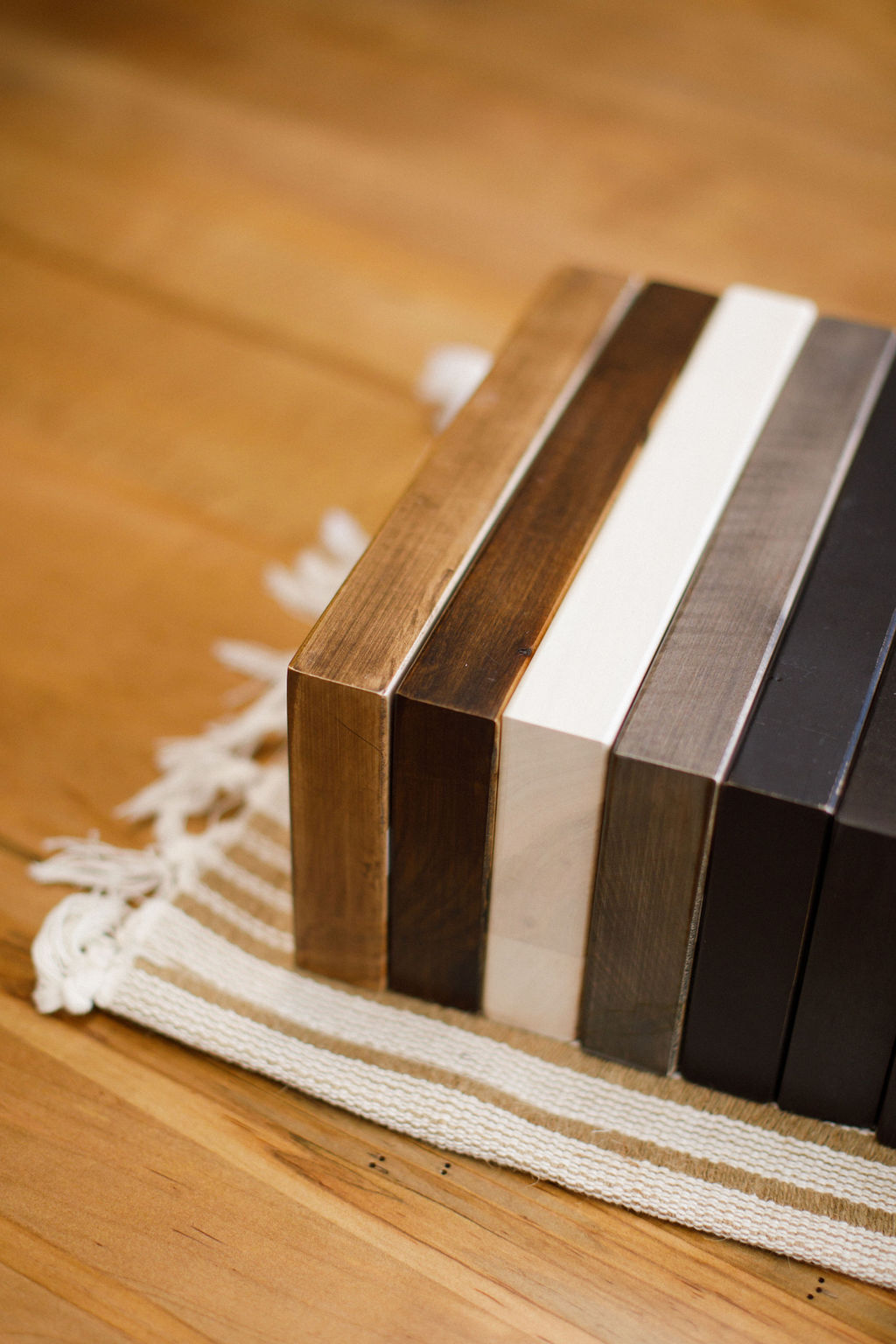
Mixing different wood tonescan be fun. Each piece has its own story. A dark table with light chairs can look great. Let each piece shine. It adds character and warmth. Don’t worry about perfect matches. Trust your style and taste.
Look for a common theme. It could be the room’s color or a shared texture. Maybe all pieces have a similar shape. Or they share a design style. This common thread ties everything together. It keeps the room looking balanced.
Creating Harmony
Balance light and darkcolors in your room. Place a dark wood table next to a light wood chair. This creates a balanced look. Add a light-colored rug under dark furniture. This helps even out the colors. Use curtains that match the lighter wood. They bring brightness to the room.
Mixing wood colors can be fun. Complement with texturesto add interest. Soft cushions on a hard wooden sofa feel nice. A rough wooden table looks great with a smooth vase. Textures make the room feel alive. Add a soft throw blanket over a wooden chair. It adds warmth and comfort. Mixing textures and colors creates a stylish room.
Choosing A Color Palette
Start with a neutral basefor your furniture. Colors like white, gray, and beige work well. These colors are easy to mix with other shades. A neutral base makes your room feel calm and balanced. Plus, it gives you more freedom to add other colors.
Add accent colorsto make your space lively. Use colorful pillows or rugs. Bright colors like red or blue can be fun. But, don’t use too many bright colors. Balance is key. This way, your room will look stylish and not too busy.
Highlighting Unique Pieces
Statement furnitureis a big piece that stands out. It grabs your eye. A large, bright chair or a dark, heavy table can be a statement. These pieces are the stars of your room.
Mixing colors makes furniture pop. A light wood tablewith dark chairs looks unique. Your eyes notice the contrast. It adds interest.
Focus on areas like the living room or dining room. These spots are where people gather. A bold piecein these areas draws attention. It makes the room special.
Use matching accentsto tie everything together. Pillows or rugs in similar colors help. They make the room feel complete. Remember, mixing is fun. Enjoy the process!
Using Accessories
Rugs can tie the room together. They can help match different wood colors. Choose a rug with colors from each piece of furniture. This creates a harmonious look. Cushions can add more color. Place cushions on chairs and sofas. This can highlight colors in the rug. Select patterns that blend well with your furniture. Use different sizes and shapes. This adds a fun and warm touch to the room.
Artwork can bring different colors together. Pick art that reflects the room’s theme. Wall decor can also help balance colors. Use shelves for little decorations. These can be vases or small statues. Try to use decor that shares colors with the furniture. This helps in matching different wood tones. Mirrors can add brightness and space. Use them to reflect light and color.
Practical Tips
Buying new furniture is exciting. A test run helps match colors. Bring home samples before buying. Place them next to existing furniture. Observe them in different light. Daylight and evening light can change colors. This helps avoid surprises.
Think about what you do in the room. Is it for relaxing or working? Match colors to the mood you want. Bright colors can energize a space. Soft colors can calm it. Dark wood can add warmth. Lighter wood can make a room feel airy. Combine furniture wisely. Make sure it fits the room’s purpose. This creates a pleasing space.
Credit: www.stylemeetscomfort.ca
Frequently Asked Questions
Is It Okay To Have Different Color Wood Furniture?
Mixing different wood furniture colors is stylish and adds depth. Harmonize with existing decor for balance. Use varying shades for contrast and interest. Ensure cohesive design with complementary textures. Experiment and personalize spaces creatively.
Does All Wood Furniture Need To Match?
Wood furniture doesn’t need to match. Mixing wood tones creates a unique and stylish look. Balance and complement colors for harmony. Use similar undertones or styles to unify the space. Consider room size and lighting for the best effect. Personal preference plays a crucial role in design choices.
Does All My Furniture Have To Be The Same Color?
No, your furniture doesn’t need to match in color. Mixing colors can create a unique and stylish look. Focus on harmony and balance by choosing complementary shades and styles. This approach adds depth and personality to your space, making it more visually appealing and inviting.
Which Woods Compliment Each Other?
Oak pairs well with walnut for a classic look. Cherry complements maple, adding warmth. Birch and mahogany create elegant contrast. Teak matches nicely with rosewood for exotic appeal. Use similar undertones for harmony. Mix textures for dynamic spaces. Consider grain patterns for aesthetic balance.
Conclusion
Mixing wood furniture colors can create a unique style. Balance is key. Choose a dominant color and complement it with others. Consider wood tones that naturally blend. Light with dark, or warm with cool. Textures matter too. Smooth with rough adds depth.
Keep the room’s vibe in mind. Modern? Rustic? Match your theme. Accessories like rugs or pillows can tie colors together. Experiment with different combinations. Trust your instincts. Your space should reflect your personality. Mixing wood colors in furniture doesn’t have to be daunting.
It’s an opportunity to express creativity and personal style.