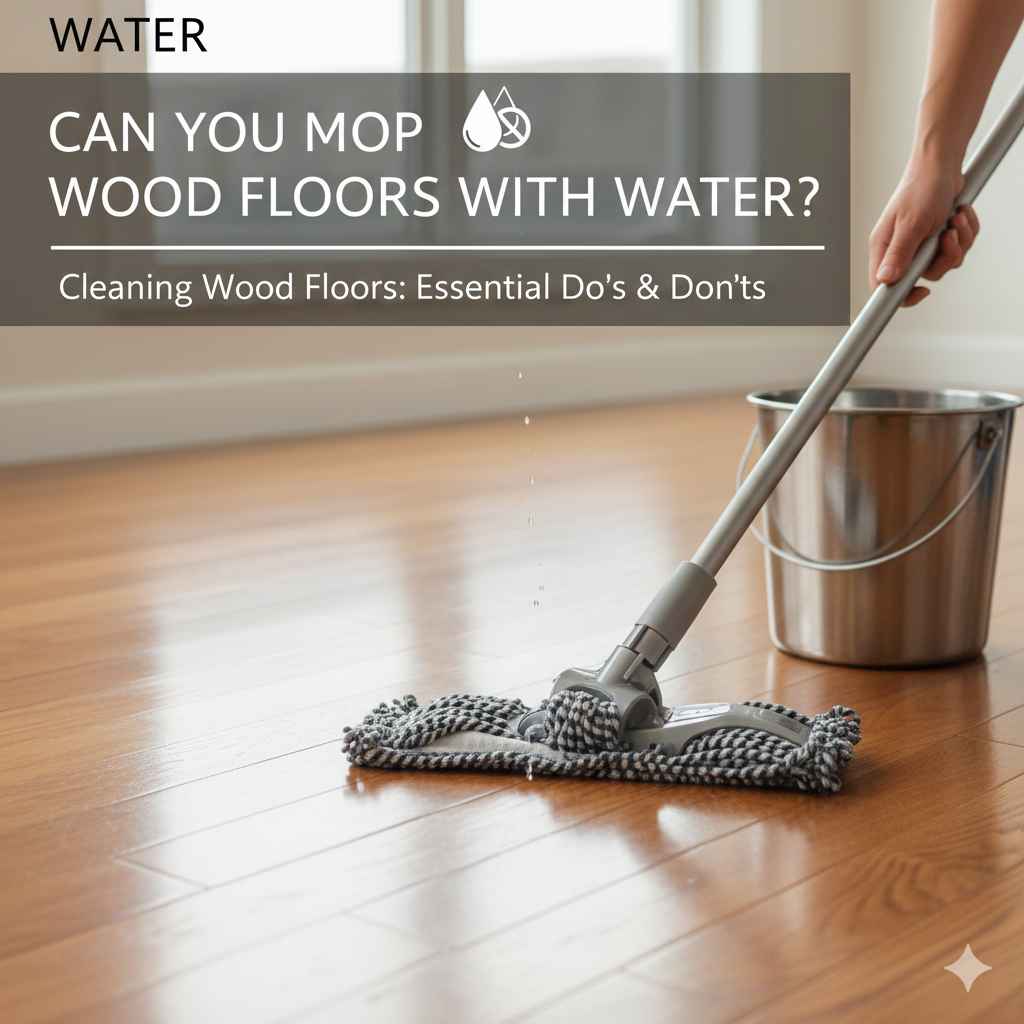
Can You Mop Wood Floors With Water? Cleaning Wood Floors
Thinking about cleaning your wood floors? You might be wondering, Can You Mop Wood Floors With Water? It’s a common question, especially for new homeowners or anyone who wants to keep their floors looking great. The truth is, it’s a bit more complicated than just grabbing a bucket and a mop. Don’t worry, though! It doesn’t have to be hard. This article will break down exactly how to do it right, step by step. We’ll start with the basics.
Is Water Safe for Wood Floors?
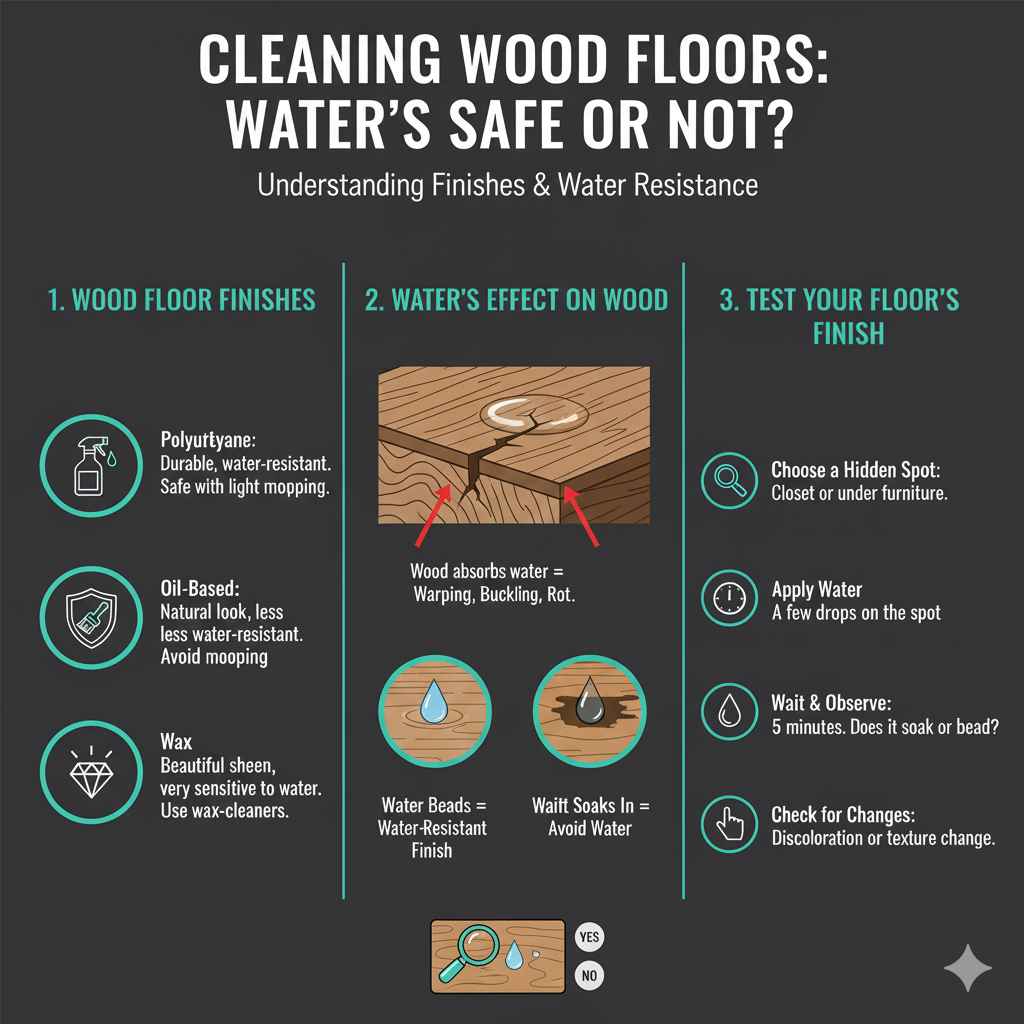
The main concern when cleaning wood floors is water damage. Wood is a porous material, which means it absorbs liquids. When wood absorbs water, it can warp, buckle, or even rot. This is why you must be careful when using water on your wood floors. The type of finish on your wood floors plays a vital role. Some finishes, like polyurethane, are more resistant to water than others. Knowing the type of finish helps determine how much water you can safely use.
Different Wood Floor Finishes
Wood floors are finished in different ways to protect the wood and give it a shiny appearance. Understanding these finishes is essential for appropriate cleaning. Each finish has varying levels of water resistance. Some can handle a small amount of moisture, while others are more sensitive. Choosing the wrong cleaning method can damage the finish, leading to costly repairs. Let’s look at the most common types.
Polyurethane: This is the most popular finish. It creates a durable, water-resistant layer, making it suitable for mopping with water, but only when done correctly.
Polyurethane is a tough, plastic-like coating that protects the wood. It’s resistant to scratches and spills. The finish is applied in several coats. This makes it a great choice for areas with high traffic.
Varnish: Similar to polyurethane, varnish provides a hard, protective layer. Varnish may not be as water-resistant as polyurethane, so you should use less water when cleaning.
Varnish also forms a protective layer. It is often made from natural resins, oils, and solvents. Varnish is less common in modern homes compared to polyurethane. It needs periodic reapplication.
Oil-based Finishes: Oil-based finishes soak into the wood, providing a natural look. They are generally less water-resistant than other finishes. Therefore, you should avoid mopping these floors with water.
Oil-based finishes penetrate the wood fibers. They create a soft, warm look. These finishes require regular oiling to maintain their protective qualities. Over time, water can damage these finishes.
Wax Finishes: Wax finishes provide a beautiful sheen but are also very susceptible to water damage. Avoid using water and use wax-specific cleaners.
Wax finishes provide a warm glow. They need frequent waxing. They are not very resistant to water, making mopping with water unsuitable. Water can ruin the wax layer and the wood beneath.
Testing Your Wood Floor’s Finish
Before you start mopping, test a small, hidden area of your floor. This helps prevent damage to the entire floor. Pour a few drops of water on the floor and observe how it reacts. If the water beads up, your finish is likely water-resistant. If the water soaks in or changes the wood color, then you should avoid using water. This quick test saves you from potential problems.
Choose a Hidden Spot: Select a location, like a closet or under a piece of furniture.
This ensures that any damage is unseen.
Apply Water: Use a few drops of water on the selected area.
This allows you to see how the wood reacts.
Wait and Observe: Wait a few minutes and then check the wood.
See if the water is absorbed, or if it remains on the surface.
Check for Changes: Inspect for any discoloration or changes in texture.
These signs can tell you whether to avoid water or proceed carefully.
How to Mop Wood Floors With Water Safely
If your wood floors have a water-resistant finish, you can mop them with water, but it’s important to do it properly. You need the right tools and techniques. This keeps your floors clean without causing damage. Over time, with the wrong methods, even water-resistant finishes can be damaged.
Tools You’ll Need
Gather the right tools before you begin to mop. Using the correct tools makes cleaning more effective and protects your floors. You should also choose products specifically made for wood floors. This ensures safe and effective cleaning. Having everything ready beforehand saves time and effort.
Microfiber Mop: A microfiber mop is best because it is soft and doesn’t scratch the floor.
Microfiber mops effectively pick up dirt and dust. They reduce water use, which helps prevent damage.
Bucket: A bucket is needed to mix the cleaning solution.
Using a bucket allows you to control the water-to-cleaner ratio.
Wood Floor Cleaner: Use a cleaner that is specifically made for wood floors.
These cleaners are designed to be gentle on wood finishes. They also remove dirt and grime.
Spray Bottle (Optional): A spray bottle is useful for lightly misting the floor.
It helps control the amount of water used.
Soft Cloths: Use soft cloths for drying and wiping up spills.
Soft cloths will not scratch the floor. They are ideal for drying the floor quickly.
Step-by-Step Mopping Guide
Follow these steps to safely mop your wood floors. Cleaning wood floors correctly keeps them looking their best. Always test your cleaning solution on a small area first to make sure it doesn’t damage the floor’s finish. Working step-by-step minimizes the risk of damage and ensures a clean result. The right approach leads to beautiful floors.
Sweep or Vacuum: Start by removing loose dirt and debris with a broom or vacuum.
Sweeping and vacuuming prevent dirt from getting spread around during mopping. This initial step helps to keep your cleaning solution fresh.
Prepare Cleaning Solution: Mix the wood floor cleaner with water in your bucket according to the product instructions.
Follow the manufacturer’s directions for the right cleaner-to-water ratio. Using too much cleaner can leave a residue.
Dampen the Mop: Dip your microfiber mop into the cleaning solution, then wring it out very well. The mop should be damp, not dripping.
A damp mop is essential. Too much water is the biggest risk for wood floors.
Mop the Floor: Start at one end of the room and work your way toward the exit, mopping in the direction of the wood grain.
Work in small sections. Avoid leaving water on the floor for long. This method prevents water from pooling on your floors.
Rinse the Mop: Rinse your mop frequently in the cleaning solution, wringing it out well each time.
This prevents you from spreading dirty water over the floor. Cleaning with a clean mop enhances the effectiveness.
Dry the Floor: After mopping, use a clean, dry microfiber cloth to dry the floor. This step is critical.
Drying the floor removes any excess moisture. It prevents water from absorbing into the wood and causing damage.
Allow to Dry: Let the floor dry completely before walking on it.
This allows the finish to properly set. Usually, it takes around 30 minutes, depending on the humidity in your home.
Avoiding Common Mistakes
Cleaning wood floors can be tricky, and certain mistakes can cause damage. Many people make errors, but you can prevent them. Avoiding these pitfalls keeps your floors safe and looking beautiful. It’s better to be informed and cautious, protecting your investment. Take a proactive approach to prevent problems.
Using Too Much Water
The most frequent mistake is using too much water. This is the main cause of damage to wood floors. Excess water can penetrate the finish and damage the wood. This can lead to warping, cupping, or even mold growth. Always use a damp mop and dry the floor thoroughly.
Dripping Mop: Never use a mop that is dripping wet.
A dripping mop introduces too much water to the floor.
Pooling Water: Avoid letting water pool on the floor.
Pools of water will seep into the wood, damaging the floor.
Damp Mop Only: The mop should only be damp.
This reduces the amount of water used during cleaning.
Using the Wrong Cleaners
Using the wrong cleaning products is another common mistake. Some cleaners can damage the finish or the wood itself. Harsh chemicals can strip away the finish. They can also dull the appearance of your floor. Always opt for cleaners that are specifically designed for wood floors. These are formulated to clean safely and effectively without harming the finish.
Harsh Chemicals: Avoid cleaners that contain harsh chemicals, such as ammonia or bleach.
Harsh chemicals can damage the finish and the wood.
Abrasive Cleaners: Don’t use abrasive cleaners or scrub brushes.
Abrasive materials can scratch the floor’s surface.
Wrong Product Types: Only use cleaners designed for wood floors.
These cleaners won’t damage the finish. Always check the labels.
Neglecting Regular Maintenance
Failing to maintain your wood floors regularly will cause long-term problems. Dirt and debris can scratch the surface. This can lead to the finish wearing off. Routine cleaning and proper care are important. Keep up with maintenance to protect your floors and extend their lifespan. Proper maintenance helps prevent serious issues from developing.
Regular Cleaning: Sweep or vacuum your floors frequently.
Frequent cleaning removes dirt and debris, which prevents scratching.
Dusting: Dust your floors regularly to avoid buildup.
Dusting keeps the floors looking great and prevents build up.
Protective Measures: Put doormats at entrances and use furniture pads.
Protecting against scratches is crucial.
Alternative Cleaning Methods for Wood Floors
If you’re unsure about using water or want a different approach, other methods are available. These methods offer safe ways to clean wood floors. Using these alternative methods will provide great results. It allows you to select the best choice for your floors and comfort level. Consider these methods.
Dry Mopping
Dry mopping is a safe, simple alternative. This method uses a microfiber mop without water. It removes dust, dirt, and light debris. This is a quick and effective way to clean your wood floors. Dry mopping can be done daily or whenever the floor looks dusty. It keeps the floor clean and helps to prevent scratches.
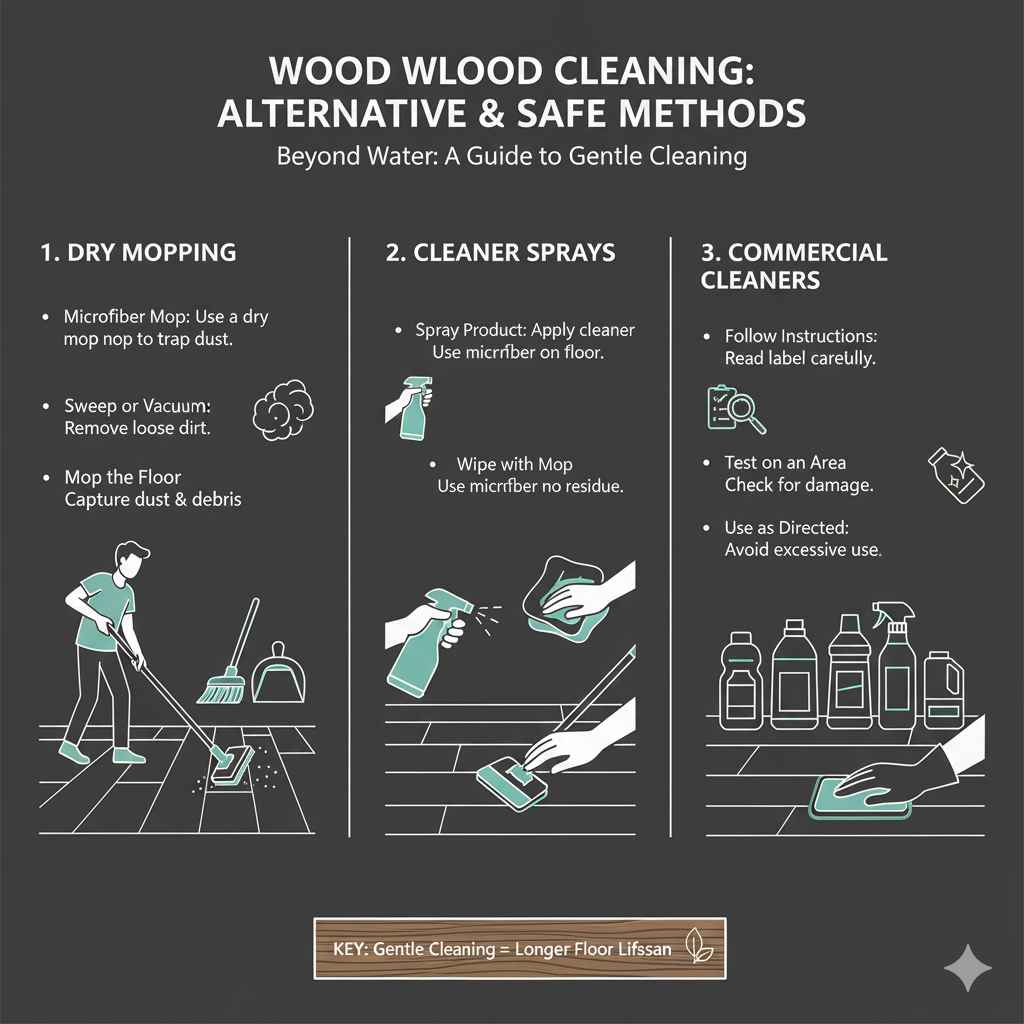
Microfiber Mop: Use a dry microfiber mop.
Microfiber mops effectively trap dust and dirt.
Sweep or Vacuum: Remove loose dirt first with a broom or vacuum cleaner.
This removes the bigger debris.
Mop the Floor: Move the dry mop over the floor.
This will capture dust and debris.
Using Wood Floor Cleaner Sprays
Wood floor cleaner sprays are a good alternative, too. These sprays are specially made for wood floors. They are used to quickly clean and refresh the floors. They usually contain gentle cleaning agents that won’t harm the finish. These sprays are easy to apply and provide a fast clean. Proper use is important.
Spray Product: Spray the cleaner directly onto the floor.
Follow the instructions on the product.
Wipe with Mop: Use a microfiber mop to wipe the floor.
This picks up the dirt and the cleaner.
Wipe Dry: If needed, dry the floor with a clean cloth.
This leaves a clean, shiny floor.
Commercial Wood Floor Cleaners
You can find commercial cleaners designed for wood floors. These are available in various forms. Many products come in spray, liquid, and pre-moistened pads. These cleaners contain gentle cleaning agents. They are designed to dissolve dirt and grime without damaging the finish. They often provide extra benefits, like a fresh scent. Always follow the product instructions carefully.
Follow Instructions: Always read and follow the instructions on the label.
Proper use is essential for optimal results.
Test on an Area: Try the cleaner in a small, hidden area.
This will help to ensure that the cleaner will not damage the floor.
Use as Directed: Use the cleaner according to the manufacturer’s directions.
Avoid excessive use, as this can leave a residue.
Frequently Asked Questions
Question: How often should I mop my wood floors?
Answer: Mop your wood floors as needed. This often depends on the amount of foot traffic and how quickly they get dirty. Usually, once or twice a week is enough for most homes.
Question: What if my wood floors have a wax finish?
Answer: Do not use water on floors with a wax finish. Use a cleaner designed for wax finishes. This helps to protect the wax layer.
Question: Can I use vinegar to clean wood floors?
Answer: Vinegar can be used, but it must be diluted properly. Mix one part white vinegar with ten parts water. Do a test in a small area. This is to avoid damaging the finish.
Question: What if I accidentally used too much water?
Answer: If you used too much water, dry the floor immediately with a clean, dry cloth. Increase air circulation by opening windows and using fans. This prevents water damage.
Question: How do I remove stubborn stains?
Answer: For stubborn stains, use a wood floor cleaner designed for stain removal. You can also mix a small amount of baking soda with water to create a paste. Rub gently on the stain, then wipe it with a damp cloth.
Final Thoughts
So, Can You Mop Wood Floors With Water? The answer is often yes, but only with the right approach. Knowing your floor’s finish and using the right techniques are important. You now know how to mop your wood floors safely and effectively. Remember to always use a damp mop, not a wet one, and to dry the floor thoroughly. If you follow the steps, you can keep your wood floors looking beautiful for years to come. Don’t be afraid to experiment with other cleaning methods if you are unsure. By taking care and preventing common errors, you can keep your floors in great condition. Go ahead and start cleaning, and enjoy your sparkling clean wood floors!