Maine Traditions Wood Flooring: TEMAVI & NanoPLUS Explained
Maine Traditions is a real, family-owned hardwood flooring manufacturer based in Solon, Maine – a division of Kennebec Lumber, not a generic marketing name. They mill solid and engineered hardwood flooring from hard maple, red oak, hickory, and cherry, finished with their patented TEMAVI tongue-and-groove system and a NanoPLUS UV-cured polyurethane topcoat. This guide covers what solid vs engineered actually means for your install, the real collections and grades Maine Traditions sells, and how to care for the finish correctly.
What Makes Maine Traditions Wood Flooring Special?
Best Hardwood Floor Cleaner Pick
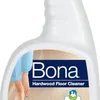
Bona Hardwood Floor Cleaner Spray, 32 fl oz – $8.97
A pH-neutral, no-wax formula safe for a NanoPLUS or any polyurethane-finished floor – wax and oil-based cleaners can leave a residue that dulls a UV-cured finish like this one.
- Best for: routine cleaning of prefinished polyurethane hardwood floors
- Why we picked it: no-wax, no-residue formula won’t dull a factory UV-cured finish
- Main drawback: not intended for unfinished, waxed, or oil-finished wood floors
As an Amazon Associate we earn from qualifying purchases.
Maine Traditions is a family-owned business based in Solon, Maine, with roots tied to Kennebec Lumber. It is not a mass-market importer – the company mills and finishes its own hardwood flooring in the USA, using lumber that is FSC certified and sourced from Northeast forests.
Their floors come in both solid and engineered hardwood construction, using hard maple, hickory, red oak, and cherry. These species are known for their strength and grain patterns. Their patented TEMAVI tongue-and-groove system is designed to create tight, stable joints during installation, and their NanoPLUS finish is a UV-cured polyurethane topcoat applied at the factory rather than on the jobsite.
The Types of Maine Traditions Wood Flooring
Maine Traditions sells two main flooring constructions: solid and engineered hardwood. Which one fits a given room depends mainly on moisture exposure and whether refinishing down the road matters to you.
Solid Hardwood Flooring
Solid hardwood is milled from a single piece of wood, typically 3/4-inch thick. Maine Traditions offers solid hardwood in hard maple, red oak, and hickory, prefinished at the factory with the NanoPLUS finish already cured on.
Solid hardwood can be sanded and refinished multiple times over its lifespan, which makes it a long-term investment for above-grade rooms. It is sensitive to moisture, so it is not recommended for basements or consistently humid rooms.
Engineered Hardwood Flooring
Engineered hardwood is built by layering a real hardwood veneer over a plywood base. This construction is more dimensionally stable in rooms with fluctuating humidity, such as basements, which is why it is Maine Traditions’ recommended construction for below-grade installs. It still has a genuine hardwood wear layer, just a thinner one than solid stock, which limits how many times it can be sanded and refinished.
Here’s a quick comparison to help you decide:
| Feature | Solid Hardwood | Engineered Hardwood |
|---|---|---|
| Construction | Single piece of wood | Real wood top layer over plywood |
| Durability | Extremely durable, can be refinished multiple times | Durable, limited refinishing due to thinner top layer |
| Moisture Resistance | Sensitive to humidity | More stable in humid environments |
| Installation | Best for above-grade spaces | Suitable for basements and humid areas |
| Cost | Generally more expensive | Often more budget-friendly |
Why Choose Maine Traditions for Your Home?
Maine Traditions positions itself on manufacturing control and material quality rather than being the cheapest option on the shelf. A few specifics explain why.
Material Quality
Maine Traditions sources hardwood from Northeast forests, where slower growth typically produces tighter grain. Hickory, one of their core species, is dense enough that it is also used for tool handles and sports equipment – a useful reference point for how it holds up under daily foot traffic.
The NanoPLUS finish is a UV-cured polyurethane applied and cured in their factory, a process that produces a harder, more wear-resistant surface than most finishes applied on-site can achieve.
Variety of Styles and Finishes
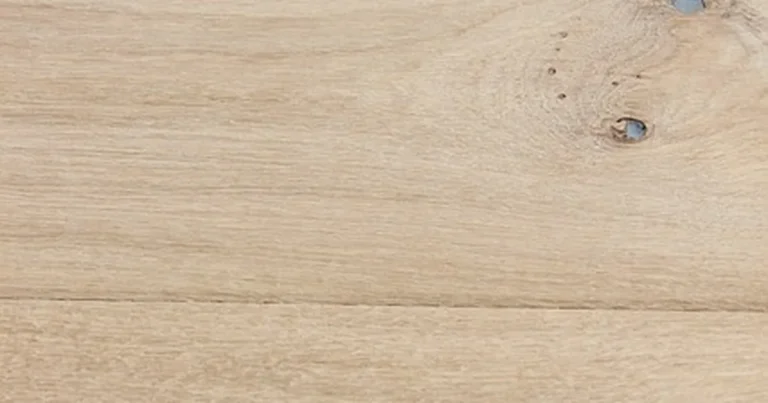
Maine Traditions sells named collections, including Casco Bay (smooth-sawn boards in maple, red oak, hickory, and red birch) and Rangeley (5-inch wire-brushed, live-sawn planks that show more of the natural grain, knots, and mineral streaks). Stain options include Bourbon, Kodiak, Saddle, and Heather, alongside a clear NanoPLUS finish.
They also sell two grades: Premium, which is sorted to remove boards with heavy character for a clean, uniform look, and Coastal, which keeps natural knots, mineral streaks, and color variation for a more rustic appearance.
Installation with TEMAVI
The TEMAVI tongue-and-groove profile is a patented design intended to produce tight, stable joints with minimal gapping. It is used across Maine Traditions’ full solid hardwood line, in every species and collection they sell.
Sourcing and Certification
Maine Traditions’ lumber is FSC (Forest Stewardship Council) certified, meaning it comes from forests independently verified as responsibly managed. The company mills and finishes its flooring domestically in Maine rather than importing pre-finished product.
How to Choose the Right Maine Traditions Floor for Your Space
A few practical factors narrow down which species, grade, and construction make sense for a given room.
Consider the Room’s Purpose
High-traffic areas like kitchens and entryways benefit from harder species like hickory or hard maple. Quieter rooms like bedrooms can use red oak or maple in a lighter stain without the same wear concerns.
Match the Decor
A modern aesthetic generally pairs with the Premium grade’s smooth, uniform look. A rustic or farmhouse style suits the Coastal grade’s natural knots and variation, or the Rangeley Collection’s wire-brushed, live-sawn planks.
Think About Maintenance
Solid hardwood needs more humidity management, especially in climates with big seasonal swings. Engineered floors are lower-maintenance in that respect and are the better fit for basements or homes where humidity is harder to control. Maine Traditions sells a Hardwood Floor Cleaner formulated for their finish, though any pH-neutral, no-wax cleaner made for polyurethane-finished floors works similarly.
Budget
Solid hardwood generally costs more but can be refinished multiple times, spreading that cost over a longer lifespan. Engineered floors are typically more budget-friendly upfront. Maine Traditions’ website offers free samples so you can check color and grain in your own lighting before ordering.
Caring for Maine Traditions Wood Flooring
A prefinished NanoPLUS floor holds up well with fairly ordinary maintenance, provided a few finish-specific rules are followed.
Regular Cleaning
Sweep or vacuum with a bare-floor setting to remove grit before it can scratch the finish. For deeper cleaning, apply a pH-neutral hardwood floor cleaner to a microfiber cloth rather than pouring it directly onto the floor – pooled liquid cleaner can leave streaks on a polyurethane finish.
Avoid Damage
Grit tracked in on shoes is the main cause of surface scratches on any prefinished floor. Entry mats, felt furniture pads, and trimmed pet nails all reduce that wear.
Control Humidity
Keep indoor humidity between 30% and 50%, checked with a hygrometer. Solid hardwood in particular can gap in dry winter air and cup in overly humid conditions, so a humidifier or dehumidifier used seasonally helps keep the boards stable.
Protect from Sunlight
Sunlight fades wood over time, especially lighter species like maple. The NanoPLUS finish includes UV protection, but rotating rugs and furniture periodically still helps a floor age evenly, and blinds or curtains reduce direct UV exposure in the brightest rooms.
Where to Buy Maine Traditions Wood Flooring
Maine Traditions’ own website has a “Find a Dealer” tool to locate local retailers, and offers free samples so you can check the wood in your home’s actual lighting before ordering.
Online retailers including FloorBox and National Carpet and Flooring also carry Maine Traditions products. Goosebay Sawmill and Lumber in New Hampshire is another regional dealer that stocks their prefinished lines.
How Maine Traditions Compares to Big-Box Flooring Brands
The main practical difference between Maine Traditions and a big-box store’s house-brand hardwood is vertical integration: Maine Traditions mills, kiln-dries, and finishes its own lumber in Maine rather than sourcing pre-finished flooring from overseas mills and reselling it under a store label. That control matters most for consistency – matching stain lots and replacement boards down the road is generally easier when one company handles the whole process.
It does not automatically mean Maine Traditions is a better fit for every project. Big-box hardwood is often less expensive and more widely stocked for same-day pickup, which matters for a small repair or a tight renovation schedule. FSC-certified, domestically milled flooring like Maine Traditions’ is the stronger choice when sourcing and long-term finish consistency matter more than shelf-price alone.
📊 Maine Traditions’ lumber is FSC (Forest Stewardship Council) certified and milled domestically in Maine – a distinction worth checking for on any hardwood flooring brand’s spec sheet, since FSC certification requires independent third-party verification of the forestry practices behind the wood. Source: Maine Traditions Hardwood Flooring

Conclusion
Maine Traditions makes a genuine case among domestically-milled hardwood flooring brands: FSC-certified sourcing, a patented TEMAVI installation system, and a factory-cured NanoPLUS finish, across real named collections and grades rather than a single generic product line. Whether hickory, maple, red oak, or engineered construction fits best comes down to the room’s traffic, humidity, and your budget for refinishing down the road.
Ordering a few free samples and viewing them in the room’s actual lighting is the most reliable way to confirm a species, stain, and grade before committing to a full order.
Frequently Asked Questions
What Types of Wood Does Maine Traditions Offer?
Maine Traditions offers hard maple, red oak, hickory, and cherry. Each species has a different grain pattern and hardness – maple gives a clean, bright look, while hickory adds heavier grain contrast and is dense enough for high-traffic rooms.
Is Maine Traditions Flooring Easy to Install?
Their patented TEMAVI tongue-and-groove system is designed for tight, stable joints without the gapping that a looser profile can develop. A level, dry subfloor is still required before installation, regardless of which flooring brand is used.
Can I Use Maine Traditions Flooring in a Basement?
Engineered hardwood is the better choice for basements because its plywood core resists the humidity swings that cause solid wood to warp or cup. Solid hardwood is intended for above-grade rooms.
How Do I Clean Maine Traditions Wood Flooring?
Use a pH-neutral hardwood floor cleaner applied to a microfiber cloth, not poured directly onto the floor. Avoid wax, oil-based cleaners, and vinegar, all of which can dull or damage a NanoPLUS polyurethane finish. Sweep or vacuum regularly to keep grit from scratching the surface.
Are Maine Traditions Floors Pet-Friendly?
Hickory and hard maple are both dense enough to resist everyday pet-related wear, though no finish is fully scratch-proof against untrimmed nails. Keeping nails trimmed and wiping up spills quickly reduces the main causes of finish damage from pets.
Where Can I See Maine Traditions Flooring Before Buying?
Free samples are available through Maine Traditions’ own website or retailers like FloorBox. Their “Find a Dealer” tool also locates local showrooms where the flooring can be viewed in person.
Sponsored / affiliate links. As an Amazon Associate I earn from qualifying purchases. I may earn additional commission from eligible campaigns.