Best Finish for Hardwood Floors: Durability, Cost, and Application Compared
Water-based polyurethane is the best all-around finish for most hardwood floors — durable, low-odor, and DIY-friendly — but acid-cured (Swedish) finish beats it on pure hardness for commercial-grade traffic, and factory-applied aluminum oxide beats both if you’re buying prefinished flooring rather than finishing on-site. This guide compares all of them by durability, application, and cost so you can match the finish to your actual traffic level, not just the most popular option.
Top Hardwood Floor Finishes
Best Overall Floor Finish Pick
Bona Traffic HD Commercial Semi-Gloss, 1 Gallon
Water-based, commercial-grade wear layer — the same finish many pro flooring crews use.
- Best for: high-traffic residential floors, low odor/VOC needs
- Why we picked it: commercial-grade durability in a homeowner-applicable water-based formula
- Main drawback: costs noticeably more per gallon than Minwax or Varathane
Compare more finish options
 Option 1 Minwax Ultimate Floor Finish, Satin, 1 Gallon
|
 Option 2 Varathane Diamond Floor Finish, Gloss, 1 Gallon
|
As an Amazon Associate we earn from qualifying purchases.
When it comes to choosing a finish for your hardwood floor, there are many options available. Some top finishes include acid-cured finish for maximum durability, varnishes for extra protection, and polyurethane for its abuse resistance. Ultimately, the best finish for your hardwood floor depends on your specific needs and preferences.
When it comes to hardwood flooring, choosing the right finish is just as important as selecting the type of wood. A finish not only protects the wood from scratches and moisture but also enhances its natural beauty. There are different finishes available in the market, but some are more popular than others. In this section, we will explore the top hardwood floor finishes, including Acid-Cured Finish, Polyurethane Finish, Varnish Finish, and Hard-Wax Oil Finish.
Acid-Cured Finish
One of the most durable finishes for hardwood floors is the Acid-Cured Finish, also known as the Swedish or Conversion Finish. It is made by mixing acid with urea-formaldehyde, resulting in a hard and glossy surface that can withstand heavy foot traffic and resist scratches and stains. The finish is often used in high-traffic commercial areas, such as malls and restaurants. However, due to its strong odor and need for professional application, it may not be suitable for residential use.
Polyurethane Finish
Polyurethane is a synthetic finish that comes in water-based or oil-based forms. It is easy to apply, dries quickly, and provides a transparent protective coating that is resistant to water, stains, and scratches. Water-based polyurethane is preferred for finishing hardwood floors as it dries faster, emits fewer fumes, and has a low VOC content. On the other hand, oil-based polyurethane creates a deeper and warmer tone, but it takes longer to dry and may cause yellowing over time.
Varnish Finish
Varnish is a traditional finish made by mixing natural resins, oils, and solvents. It provides a protective and glossy coating that highlights the wood’s natural color and grain. Varnishes are long-lasting and hard-wearing, but they need several coats to achieve the desired finish. Furthermore, varnishes tend to darken the wood’s color and may give a yellow hue, especially with age.
Hard-Wax Oil Finish
Hard-Wax Oil is a natural finish made from a mixture of vegetable oils and waxes. It provides a low sheen and a smooth finish that penetrates the wood’s pores, enhancing its texture and color. Hard-Wax Oil is durable, water-resistant, and easy to apply. It provides a more natural appearance than most finishes and is easy to maintain. However, it may need reapplication periodically depending on the traffic on the floor. Straight beeswax (without the hardening oil blend) is a related but different option worth understanding on its own – see our beeswax pros and cons guide for why it only works on raw or oil-finished wood, never over polyurethane.
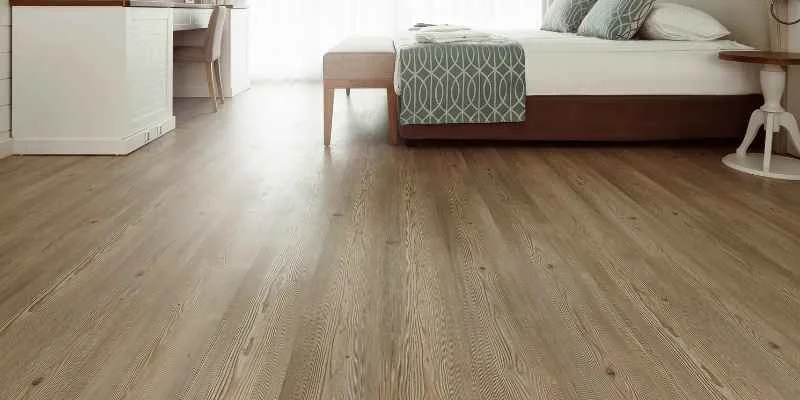
When it comes to hardwood floor finishes, there are a wide variety of options available on the market. To help you make an informed decision, let’s compare different finish types in terms of durability, appearance, application, and flexibility.
Durability
The durability of a hardwood floor finish is a crucial factor, especially for high-traffic areas such as living rooms and hallways. Here’s how each finish type performs:
– Acid-cured finish: This finish is the most durable of all hardwood floor finishes and is perfect for commercial settings. It’s made from acid-based chemicals that harden when exposed to air. However, it requires an experienced professional to apply and can emit strong fumes during application.
– Polyurethane: This is the most popular hardwood floor finish due to its high durability. It’s available in both oil-based and water-based varieties, and it’s easy to apply. Water-based polyurethane is environmentally friendly and dries fast, but oil-based polyurethane has a darker, amber appearance.
– Varnish: This finish is a classic choice that adds luster and shine to hardwood floors. It’s very hard-wearing and creates a protective top layer that resists wear and tear. However, it can take up to 24 hours to dry completely.
Durability and sheen are separate decisions — see our satin vs. semi-gloss comparison for how gloss level affects scratch visibility.
Appearance
The appearance of a hardwood floor finish is just as important as its durability. Here’s how each finish type looks:
– Acid-cured finish: This finish has a clear, glossy appearance and enhances the natural color and beauty of hardwood floors. However, it can yellow over time.
– Polyurethane: This finish comes in a range of options, from matte to high gloss. It’s available in clear and amber varieties, with the latter adding a warm, golden hue to hardwood floors.
– Varnish: This finish gives hardwood floors a traditional, glossy appearance and can be tinted to match any color scheme.
Application
The application process of a hardwood floor finish can vary depending on the finish type. Here’s what to expect:
– Acid-cured finish: This finish is typically applied with a lamb’s wool applicator and requires two to three coats. It takes around 24 hours to dry completely.
– Polyurethane: This finish can be applied with a brush, roller, or sprayer and requires two to three coats. It dries within 2-6 hours, depending on the conditions.
– Varnish: This finish is applied with a brush and requires two to three coats. It can take up to 24 hours to dry between coats.
Flexibility
Flexibility refers to the versatility of a hardwood floor finish and how it copes with changing conditions, such as humidity and temperature. Here’s how each finish type performs:
– Acid-cured finish: This finish doesn’t have much flexibility and can crack or peel in extreme temperatures or humidity levels.
– Polyurethane: This finish is quite flexible and can handle moderate humidity and temperature changes. However, it can crack or peel over time if exposed to excessive moisture or sunlight.
– Varnish: This finish is moderately flexible and can handle some humidity and temperature changes. However, it can crack or peel if exposed to standing water or moisture.
In conclusion, each hardwood floor finish type has its strengths and weaknesses. Your choice will depend on your personal preferences, budget, and the type of hardwood floors you have. Always consult with a professional before making any decisions and enjoy the beauty and durability of your finished hardwood floors.
Factors To Consider When Choosing A Finish
When choosing a finish for hardwood floors, it’s important to consider factors such as durability, appearance, and maintenance needs. Varnishes are known for their hard-wearing and long-lasting protection, while polyurethane is a popular choice for its resistance to abuse. Ultimately, the best finish will depend on your specific needs and preferences.
Factors to Consider When Choosing a Finish for Hardwood Floors
Choosing a finish for your hardwood floors is an important decision that can improve the aesthetic and longevity of your flooring. When it comes to choosing a finish, several factors need to be considered to ensure the best outcome. These include the type of wood, traffic level, health concerns, application method, and maintenance. In this section, we will discuss each of these factors in more detail and why they are essential to keep in mind when choosing a finish.
Type of Wood
The type of wood plays a significant role in determining the type of finish that will work best. Some types of wood such as cherry and maple tend to absorb finishes more quickly than oak, making them more challenging to stain. Therefore, when choosing a finish for your hardwood floors, make sure to consider the type of wood to ensure the best results.
Traffic Level
Another essential factor to consider when choosing a finish is the traffic level of the area where the flooring will be installed. High-traffic areas such as hallways and entryways require a more durable finish that can withstand heavy use. On the other hand, low traffic areas such as bedrooms and guest rooms may require a less durable finish.
Health Concerns
It is also crucial to consider health concerns when choosing a finish for hardwood floors. Several types of finishes can release volatile organic compounds (VOCs) that can cause respiratory problems. Therefore, if you or anyone in your household has respiratory issues or allergies, it is best to choose a low-VOC or water-based finish.
Application Method
The method of applying the finish is also a vital factor to consider. Some finishes require more applications, while others only require one coat. Additionally, some finishes require professional application, whereas others can be applied by homeowners themselves. It is important to consider the application method to determine if DIY or professional application is the best option for your flooring.
Maintenance
Lastly, when choosing a hardwood floors, consider the maintenance requirements. Some finishes require more maintenance, such as wax finishes, whereas others require less maintenance, such as polyurethane finishes. Understanding the maintenance requirements of the finish will help you make an informed decision that aligns with your lifestyle.
In conclusion, when choosing a finish for your hardwood floors, it is crucial to consider the type of wood, traffic level, health concerns, application method, and maintenance requirements. Incorporating these factors into the decision-making process will help ensure you make the right choice that enhances the beauty and longevity of your flooring.
The Finish Category Most Guides Skip: Factory-Applied Aluminum Oxide
Every finish above is something you apply on-site to existing floors. But if you’re buying new flooring rather than refinishing what’s already down, prefinished hardwood usually comes with an aluminum oxide finish baked on at the factory under UV light — and it changes the durability math entirely.
📊 Aluminum oxide finish typically lasts up to 25 years before needing recoating — several times longer than a site-applied polyurethane finish, which usually needs recoating every 3-5 years in high-traffic areas. Source: general prefinished-flooring industry durability guidance.
“The tradeoff nobody mentions: aluminum oxide floors are incredibly wear-resistant, but you can’t refinish them nearly as many times as a site-finished floor — the wear layer on engineered prefinished boards is thinner, so scratches that go through the factory coating often mean replacing boards instead of sanding and recoating.”
Bottom line: if you’re refinishing existing solid hardwood, choose from the polyurethane/varnish/acid-cured/hard-wax options above based on your traffic level. If you’re buying new flooring, ask specifically whether it’s factory-finished with aluminum oxide — it’s the most durable option available, but it also determines how many future refinishing cycles you’ll get.
Best Site-Applied Finishes to Buy
How To Apply A Hardwood Floor Finish
Achieving a stunning hardwood floor finish requires the right technique and products. It’s best to use varnishes for hard-wearing and long-lasting results, or a polyurethane finish for added abuse resistance. Both options preserve and protect the natural beauty of the wood.
ne is a synthetic material that offers better protection to hardwood floors than varnish. Polyurethane creates a strong, clear, and durable layer that protects the wood from scratches, spills, and daily wear and tear. Applying a hardwood floor finish is an important step in protecting and preserving your hardwood floors, and it’s important to know the right way to do it. In this blog post, we’ll go through the steps of applying a hardwood floor finish, from preparing the floor to buffing and polishing it to a perfect shine.
Step 1: Prep The Floor
The first step to applying a hardwood floor finish is to prepare the floor. Start by clearing the floor of all furniture, rugs, and debris. Then, clean the floor thoroughly using a hardwood floor cleaner. Allow the floor to dry completely before moving on to the next step. Any dust or debris left on the floor can affect the finish, so it’s important to clean the floor as thoroughly as possible.
Step 2: Apply The First Coat
Once the floor is clean and dry, you can apply the first coat of finish. Using a clean mop or applicator, apply the finish in thin, even strokes, working in the direction of the grain. Be sure to apply the finish evenly without leaving any streaks or pools. Allow the first coat to dry completely before moving on to the next step.
Step 3: Sand The Floor
After the first coat has dried, sand the floor lightly using a fine-grit sandpaper. This will help to smooth out any imperfections and level out the finish. Be sure to sand lightly, as you don’t want to remove too much of the finish. Once you have sanded the floor, clean it thoroughly to remove any dust.
Step 4: Apply Subsequent Coats
Repeat the process of applying the finish and sanding between coats until you have achieved the desired level of protection and shine. Be sure to follow the manufacturer’s instructions for the particular finish you are using, as different finishes may require different numbers of coats.
Step 5: Buff And Polish
Once you have applied all of the necessary coats of finish and allowed them to dry completely, it’s time to buff and polish the floor to a perfect shine. Using a buffing machine or a soft cloth, buff the floor in circular motions. Be sure to buff the entire floor evenly to avoid any streaks or inconsistencies. Once you have buffed the floor, you can apply a polish or wax to enhance the shine and protect the finish.
In conclusion, applying a hardwood floor finish is an important step in protecting and preserving your hardwood floors. By following these steps and the manufacturer’s instructions, you can achieve a beautiful, durable finish that will keep your floors looking great for years to come.
Frequently Asked Questions About Hardwood Floor Finishes
What is the most durable hardwood floor finish?
For site-applied finishes, acid-cured (Swedish) finish is the hardest, though it requires professional application. For factory-applied finishes on prefinished flooring, aluminum oxide is more durable still, lasting up to 25 years before needing attention.
Is water-based or oil-based polyurethane better for hardwood floors?
Water-based polyurethane dries faster, has lower odor, and stays clearer over time (no amber yellowing). Oil-based polyurethane is often slightly more durable and gives a warmer amber tone, but takes longer to cure between coats and off-gasses more strongly during application.
How often does a hardwood floor finish need to be redone?
Site-applied polyurethane or varnish typically needs recoating every 3-5 years in high-traffic areas, sooner in entryways and hallways. Factory-applied aluminum oxide finishes can go up to 25 years, but can’t be refinished as many times overall since the wear layer on prefinished boards is thinner.
Conclusion
Choosing the right finish for your hardwood floor is crucial for both durability and appearance. It is important to consider factors such as wear and tear, flexibility, and level of gloss when deciding between varnish, polyurethane, or hard-wax oil finishes.
By carefully assessing your needs and preferences, you can ensure that your hardwood floors will maintain their beauty and withstand high traffic for years to come. A little bit of research and investment in the right finish can go a long way in enhancing the overall aesthetic of your home.
Sponsored / affiliate links. As an Amazon Associate I earn from qualifying purchases. I may earn additional commission from eligible campaigns.