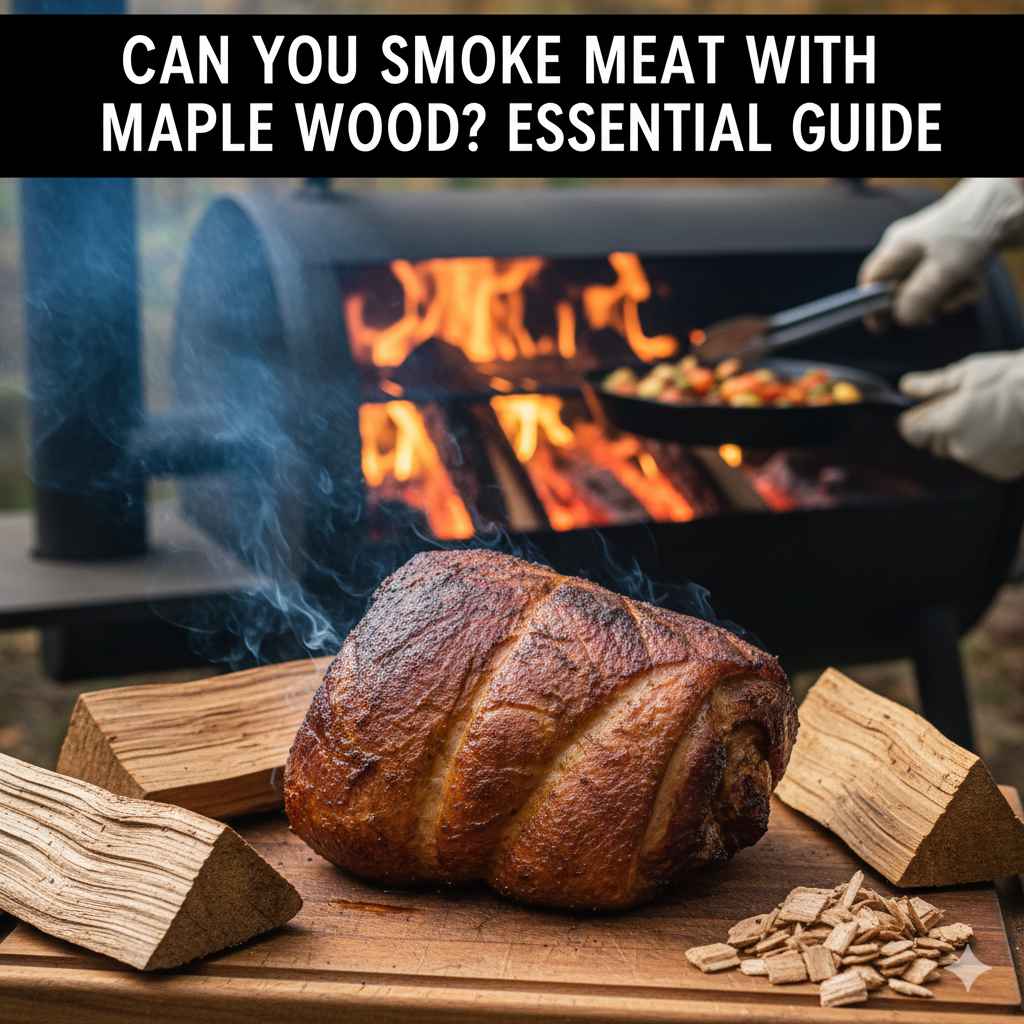
Can You Smoke Meat With Maple Wood? Essential Guide
Yes, you absolutely can smoke meat with maple wood! It’s a fantastic choice, offering a mild, slightly sweet, and fruity flavor that complements a wide range of meats without overpowering them. Maple wood is beginner-friendly and versatile for your smoking adventures.
Smoky flavors can make your grilled meats simply irresistible. But when you’re new to smoking, figuring out which wood to use can feel like a puzzle. Maple wood is a popular choice, and for good reason! It’s known for its pleasant aroma and balanced taste. If you’ve ever wondered if maple is a good option for your next barbecue, you’re in the right place.
This guide is here to demystify smoking with maple wood. We’ll walk through everything you need to know, from its flavor profile to how to use it effectively. Get ready to boost your grilling game!
Why Choose Maple Wood for Smoking?
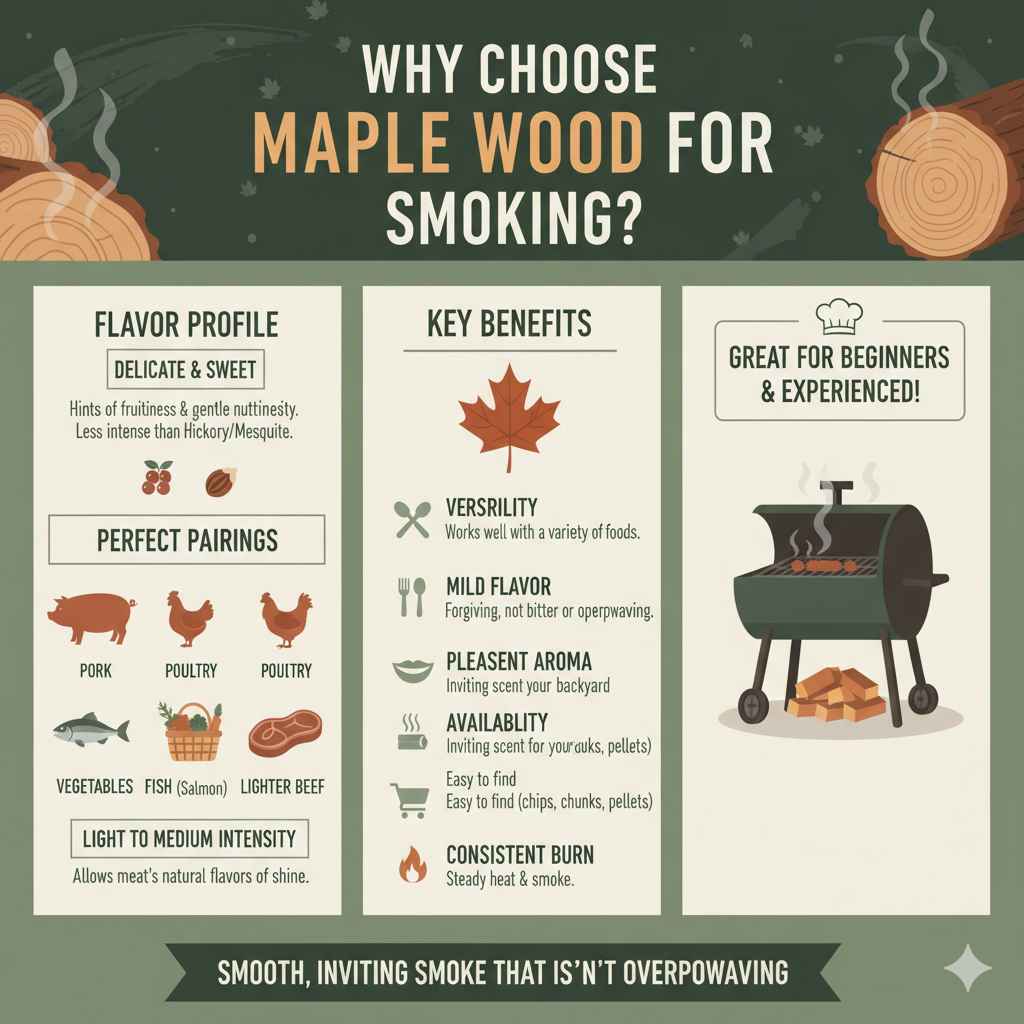
Maple wood is a fantastic choice for beginners and experienced pitmasters alike. It’s a hardwood that burns well and imparts a delicious, subtle flavor to your food. Unlike some stronger woods, maple is versatile and won’t dominate the taste of your meat.
Flavor Profile of Maple Wood
Maple wood offers a delicate and somewhat sweet flavor. Think of hints of fruitiness and a gentle nuttiness. It’s not as intense as hickory or mesquite, making it a crowd-pleaser. This mildness means it pairs beautifully with:
- Pork (especially ribs and pork shoulder)
- Poultry (chicken and turkey)
- Fish (salmon is a great pairing)
- Vegetables
- Lighter cuts of beef
The smoke from maple wood is often described as having a light to medium intensity. This allows the natural flavors of the meat to shine through while adding a delightful smoky complexity. It’s the perfect wood if you’re looking for a smooth, inviting smoke flavor that isn’t overpowering.
Benefits of Using Maple Wood
There are several reasons why maple wood has become a go-to for many backyard smokers:
- Versatility: It works well with a wide variety of foods.
- Mild Flavor: It’s forgiving and unlikely to make your food taste bitter or too smoky.
- Pleasant Aroma: The scent while smoking is wonderful, an inviting aroma for your backyard.
- Availability: Maple wood is generally easy to find in various forms (chips, chunks, pellets).
- Consistent Burn: Hardwoods like maple tend to burn steadily, providing consistent smoke.
Maple Wood vs. Other Smoking Woods
Understanding how maple compares to other popular smoking woods can help you make the best choice for your specific needs. Each wood type brings its own unique characteristics to the smoking process.
Here’s a quick comparison:
| Wood Type | Flavor Profile | Strength | Best For |
|---|---|---|---|
| Maple | Mild, slightly sweet, fruity | Mild to Medium | Pork, Poultry, Fish, Vegetables |
| Hickory | Strong, bacon-like, classic barbecue | Medium to Strong | Pork (ribs, shoulder), Beef Brisket |
| Mesquite | Intense, earthy, bold | Strong | Beef, Lamb, Game (use sparingly) |
| Oak | Medium, classic smoky, slightly acidic | Medium | Beef, Pork, Sausage |
| Cherry | Fruity, sweet, mild | Mild | Poultry, Pork, Beef (adds color) |
| Pecan | Nutty, sweet, mild | Mild | Poultry, Pork, Beef |
As you can see, maple sits in a pleasant middle ground. It provides noticeable smoky flavor without the intense punch of mesquite or the dominant bacon notes of hickory. If you’re just starting out, maple is an excellent way to learn the ropes of smoking, as its flavor is forgiving and adaptable.
Types of Maple Wood for Smoking
Maple wood comes in several forms, each suitable for different types of smokers and cooking methods. Choosing the right form ensures you get the best smoke and flavor for your meal.
Maple Wood Chips
Wood chips are small pieces of wood that burn relatively quickly. They are ideal for shorter smoking sessions or when you want a quick burst of smoke flavor.
- Best for: Gas grills, charcoal grills, electric smokers.
- How to use: Soak chips in water for about 30 minutes to an hour before adding them to your heat source. This prevents them from bursting into flames and allows them to smolder, producing more consistent smoke.
- Duration: Produce smoke for about 15-30 minutes.
Maple Wood Chunks
Wood chunks are larger pieces of wood. They smolder for a longer time, providing a steady stream of smoke over an extended period. Chunks are preferred for longer cooks and are excellent for offset smokers and ceramic grills (like Kamado Joes or Big Green Eggs).
- Best for: Charcoal smokers, offset smokers, ceramic grills.
- How to use: Do not soak wood chunks. They should be added directly to the coals or placed near the heat source to smolder gradually.
- Duration: Produce smoke for 1-3 hours or more, depending on size and airflow.
Maple Wood Pellets
Pellets are compressed sawdust made from maple wood. They are commonly used in pellet grills due to their consistent size and controlled burn. Pellet grills automatically feed pellets into the fire pot, offering ease of use and precise temperature control.
- Best for: Pellet grills.
- How to use: Load them into your pellet grill’s hopper. The grill’s auger system will feed them to the fire.
- Duration: Burn rate is controlled by the grill’s temperature setting, offering consistent smoke for the duration of your cook.
For a beginner, using wood chips or chunks in a charcoal or gas grill is often the most straightforward way to start experimenting with maple smoke. If you have a pellet grill, maple pellets are the way to go for simplicity and consistent flavor.
How to Use Maple Wood for Smoking
Successfully smoking meat with maple wood involves a few key steps to ensure you get the best flavor and smoke.
Preparation is Key
The way you prepare your wood depends on the type you’re using and your smoker. Getting this right is crucial for consistent smoke production. Refer to the section above on “Types of Maple Wood for Smoking” for specific preparation advice for chips, chunks, and pellets.
Adding Wood to Your Smoker
The method for adding maple wood varies by smoker type:
- Charcoal Grills/Smokers: Add soaked chips or unsoaked chunks directly to the hot coals when you’re ready to start smoking. For longer cooks, you might need to add more wood periodically as the previous batch burns out.
- Gas Grills: Place soaked wood chips in a smoker box or a foil pouch with holes poked in it. Position this directly over the burners. Once the chips start to smolder, turn down the heat and close the lid.
- Electric Smokers: Generally, electric smokers have a dedicated chip tray. Add soaked wood chips to this tray, and the smoker will heat them to produce smoke.
- Pellet Grills: Fill the hopper with maple pellets. The grill will automatically manage the feed rate to maintain your set temperature and produce smoke.
When to Add Smoke
The best time to introduce smoke is during the initial stages of cooking. For most meats, especially larger cuts like pork shoulder or brisket, the first 2-4 hours are the most critical for smoke absorption. Smaller items like chicken pieces or fish might only need 30 minutes to an hour of smoke.
You want to aim for a clean, thin smoke, often described as “blue smoke.” This type of smoke carries the most flavor and the least bitterness. Thick, white smoke can impart an acrid taste to your food.
A good rule of thumb is to start adding your maple wood once your smoker has reached its target temperature and has established a steady heat source. If you add wood too early, it may burn out before the meat is ready to absorb maximum flavor. If you add it too late, especially to already cooked meat, it won’t penetrate as deeply.
Managing the Smoke
Consistent smoke is better than sporadic bursts. This means:
- Using enough wood: Don’t be shy, but also don’t overdo it.
- Allowing airflow: Your smoker needs oxygen to burn efficiently. Make sure vents are adjusted correctly.
- Choking the fire: Avoid smothering your coals or wood. Too little air produces dirty, bitter smoke.
For charcoal smokers, you’ll want to manage your vents to maintain the desired temperature while ensuring your wood smolders effectively. Pellet grills do this automatically, which is a big advantage for beginners.
Best Meats to Smoke with Maple Wood
Maple’s gentle flavor makes it incredibly versatile. Here are some of the best foods to try smoking with maple wood:
Pork
Pork is a classic pairing for maple. The light sweetness of the wood complements the richness of pork beautifully. Try it on:
- Pork Ribs: Maple ribs get a subtle smoky sweetness that’s irresistible.
- Pork Butt/Shoulder: For pulled pork, maple offers a balanced flavor that doesn’t overpower the meat.
- Pork Tenderloin: A quick-smoking option that benefits from maple’s delicate touch.
Poultry
Chicken and turkey absorb smoke well, and maple provides a delightful flavor profile. The smoke can also help give poultry a more appealing color.
- Whole Chicken: Smoke a whole bird for a tender, juicy, and subtly smoky flavor.
- Chicken Wings: Maple wings are a game-day favorite.
- Turkey: Smoked turkey with maple is a holiday showstopper.
Fish
Delicate fish benefit greatly from mild smoking woods. Maple is perfect for imparting just the right amount of smoke.
- Salmon: A prime candidate for maple smoke, resulting in a sweet, smoky, flaky fillet.
- Trout: Similar to salmon, trout takes well to maple’s gentle flavor.
- Other White Fish: Try it on halibut or cod for a subtle smoky upgrade.
Other Applications
Don’t limit yourself! Maple wood can also enhance:
- Beef: While not usually the first choice for beef (oak or mesquite often dominate), maple can be great for lighter beef cuts or when mixed with other woods.
- Vegetables: Grilling or smoking vegetables like carrots, onions, or squash with maple wood adds a wonderful dimension.
- Cheese: Some cheeses, like cheddar or gouda, can be cold-smoked using maple for a unique flavor.
Tips for Smoking with Maple Wood
Here are some extra tips to help you achieve smoking success with maple wood:
- Don’t Soak Chips for Every Smoker: While soaking chips is recommended for gas and electric grills, it’s generally not recommended for charcoal or offset smokers. Unsoaked chunks smolder better and produce more consistent smoke in these units.
- Use a Smoker Box or Foil Pouch: If using chips on a gas grill, a smoker box or a foil pouch is essential to keep them smoldering and prevent flare-ups.
- Control Temperature: Maintaining a consistent smoking temperature (usually between 225°F and 275°F or 107°C and 135°C) is key to success. Too hot, and you risk burning the wood too quickly or overcooking the meat.
- Start with a Blend: If you’re unsure about the mildness of maple, try blending it with a slightly stronger wood like hickory. This can give you a more complex smoky flavor. A 50/50 mix can be a great starting point.
- Listen to Your Palate: The best way to find what works for you is to experiment. Pay attention to the amount of smoke, the cooking time, and the flavors you achieve. Adjust accordingly for your next cook.
- Consider Wood Quality: Use properly seasoned, kiln-dried hardwood. Avoid using wood from painted or treated lumber, or wood that is still green (unseasoned). Reputable brands and lumberyards will offer smoking-specific woods. For more on wood safety and best practices, the US Forest Products Laboratory offers valuable resources on wood utilization.
- Patience is a Virtue: Smoking is a slow process. Don’t rush it. Allow the wood to smolder and produce smoke consistently for the desired duration.
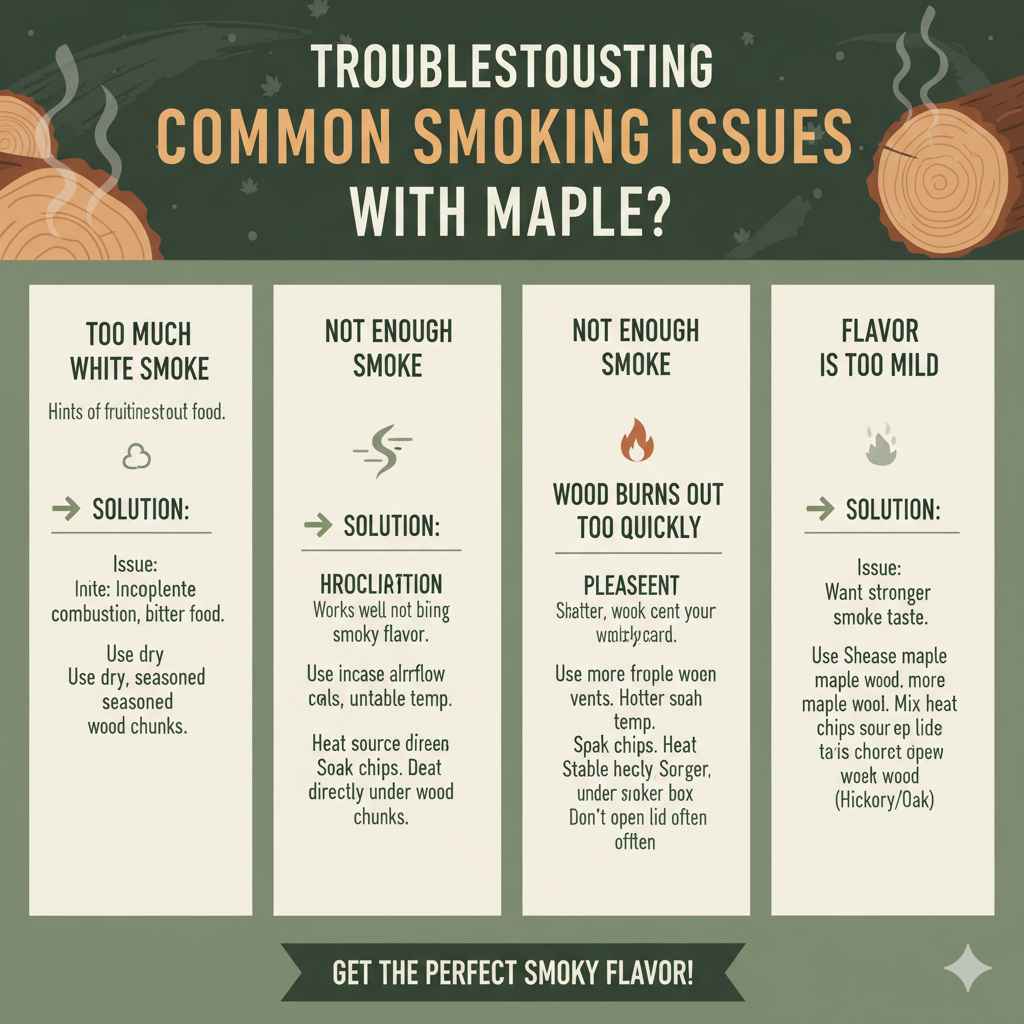
Troubleshooting Common Smoking Issues with Maple
Even with a forgiving wood like maple, you might run into a few snags. Here’s how to fix them:
Issue: Too Much White Smoke
Lots of thick, white smoke indicates incomplete combustion and can make your food taste bitter. This often happens when there isn’t enough airflow or the wood is too wet.
- Solution: Open up your smoker vents to increase airflow. If using chips, ensure they are smoldering, not burning rapidly. If you’re consistently getting white smoke, try using unsoaked chunks (if appropriate for your smoker) or ensure your wood is properly seasoned.
Issue: Not Enough Smoke
If you’re not getting the smoky flavor you desire, it could be due to several factors.
- Solution: Ensure you’re using enough wood for the duration of your cook. For charcoal smokers, check that your coals are hot enough before adding wood. Make sure your vents aren’t too closed, starving the fire of oxygen. For gas grills, check that your smoker box or foil pouch is directly over the heat source.
Issue: Wood Burns Out Too Quickly
This is common with wood chips, or if your smoker doesn’t maintain a consistent temperature. You might have to add more wood more frequently than you’d like.
- Solution: Switch to wood chunks for longer-lasting smoke. If using chips, try soaking them for a slightly longer period to slow their burn. Ensure your smoker’s heat source is stable, and you’re not opening the lid too often, which causes temperature fluctuations.
Issue: Flavor is Too Mild
While maple is known for its mildness, sometimes you might want a more pronounced smoke flavor.
- Solution: Use more maple wood for a longer duration. Alternatively, mix maple wood with a stronger wood like hickory or oak to build a more complex flavor profile.
Frequently Asked Questions (FAQ)
Q1: Is maple wood safe for smoking meat?
Yes, maple is a food-safe hardwood specifically recommended for smoking meats and other foods. Always ensure you are using wood intended for smoking and not treated lumber or wood from unknown sources.
Q2: Do I need to soak maple wood chips?
For gas and electric grills, yes, soaking chips for 30 minutes to an hour helps them smolder rather than burn up too quickly. For charcoal smokers and offsets, unsoaked chunks are generally preferred for a steadier burn.
Q3: How much maple wood should I use?
This depends on your smoker, the cut of meat, and your desired flavor intensity. A good starting point for a 2-4 hour cook on a charcoal grill is 2-3 handfuls of soaked chips or 2-3 chunks. For pellet grills, follow the manufacturer’s recommendations for the amount of fuel to use.
Q4: Can I mix maple wood with other types of wood?
Absolutely! Mixing maple with woods like hickory, oak, or cherry is a great way to create a custom flavor profile. A 50/50 blend of maple and hickory is very popular.
Q5: How long does the smoke flavor from maple wood last?
Maple wood, especially in chunk form, can produce smoke for 1-3 hours. However, the most significant smoke flavor absorption happens in the first 2-4 hours of cooking for larger cuts of meat. For shorter cooks, the flavor will be less intense.
Q6: What temperature should I use when smoking with maple wood?
Maple wood can be used across a range of smoking temperatures, but it performs best between 225°F and 275°F (107°C and 135°C), which is ideal for most low-and-slow barbecue applications. For more information on cooking temperatures, resources from organizations like the Meat Safety initiative can be helpful.