Cedar Compared to Pressure Treated Wood: Pros and Cons Explained
When choosing between cedar and pressure-treated wood, the decision can seem tough. Both options have their unique benefits and characteristics.
Wood selection is crucial for any outdoor project. Cedar and pressure-treated wood stand as popular choices. Understanding their differences can help you make an informed decision. Cedar is known for its natural beauty and resistance to insects. Pressure-treated wood, on the other hand, is valued for its durability and affordability.
Comparing these two types of wood can guide you to the right choice for your needs. This blog will explore the key differences, benefits, and drawbacks of each, helping you decide which is best for your next project.
Introduction To Cedar And Pressure Treated Wood
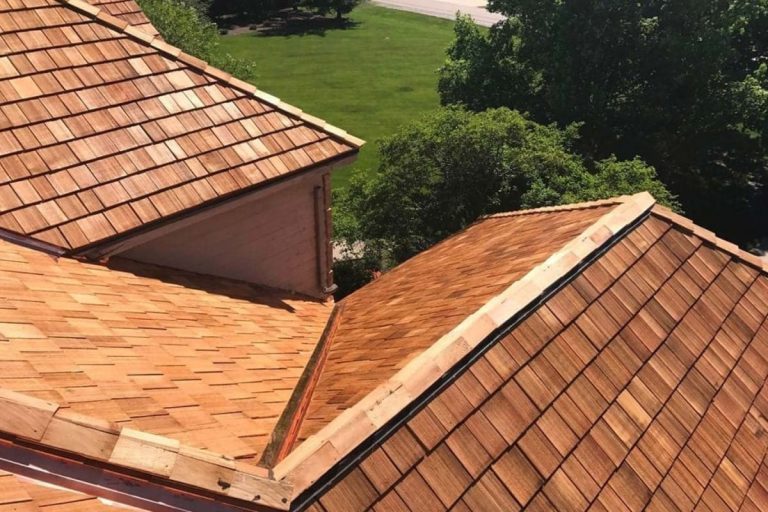
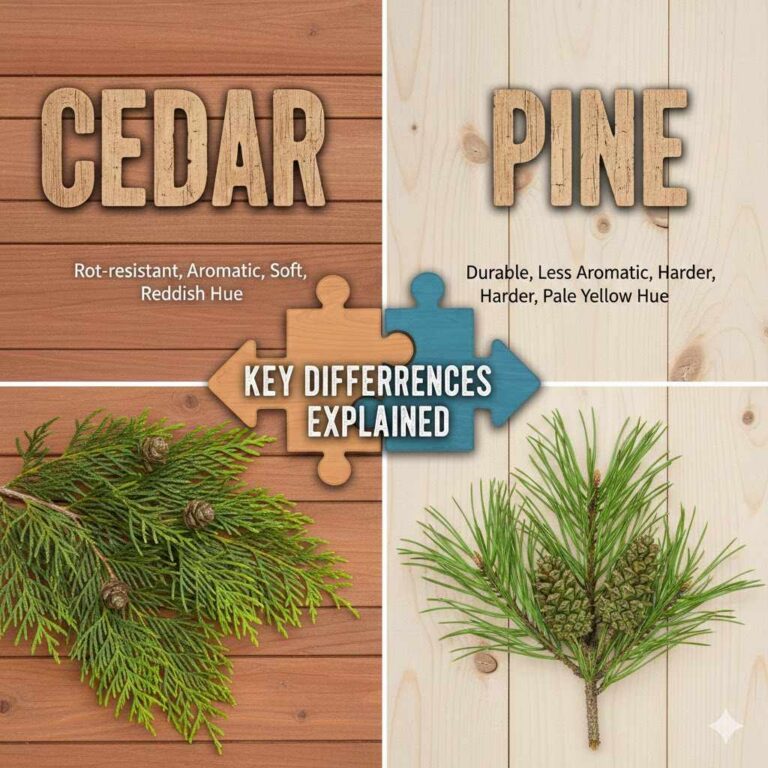
Cedar is a type of wood. It is known for its natural beauty. Cedar has a pleasant smell. It is resistant to insects and decay. This makes it a good choice for outdoor use. Cedar is also light in weight. It is easy to work with. Many people use cedar for building decks and fences.
Pressure treated wood is different from cedar. It is regular wood that is treated with chemicals. These chemicals make the wood resistant to rot and insects. This wood is often used for outdoor projects. It is stronger than untreated wood. Pressure treated wood is also more affordable than cedar. But, it may not look as nice as cedar.

Credit: www.familyhandyman.com
Durability And Lifespan
Cedar is naturally resistant to rot. It also resists insects. This wood can last many years. It does not need chemical treatments. Cedar is great for outdoor use. It stays strong in wet weather. It is a top choice for decks and fences.
Pressure treated wood is treated with chemicals. These chemicals help it resist rot and insects. This wood can last up to 40 years. It is also more affordable than cedar. It is a popular choice for many outdoor projects. It is strong and durable.
Cost And Affordability
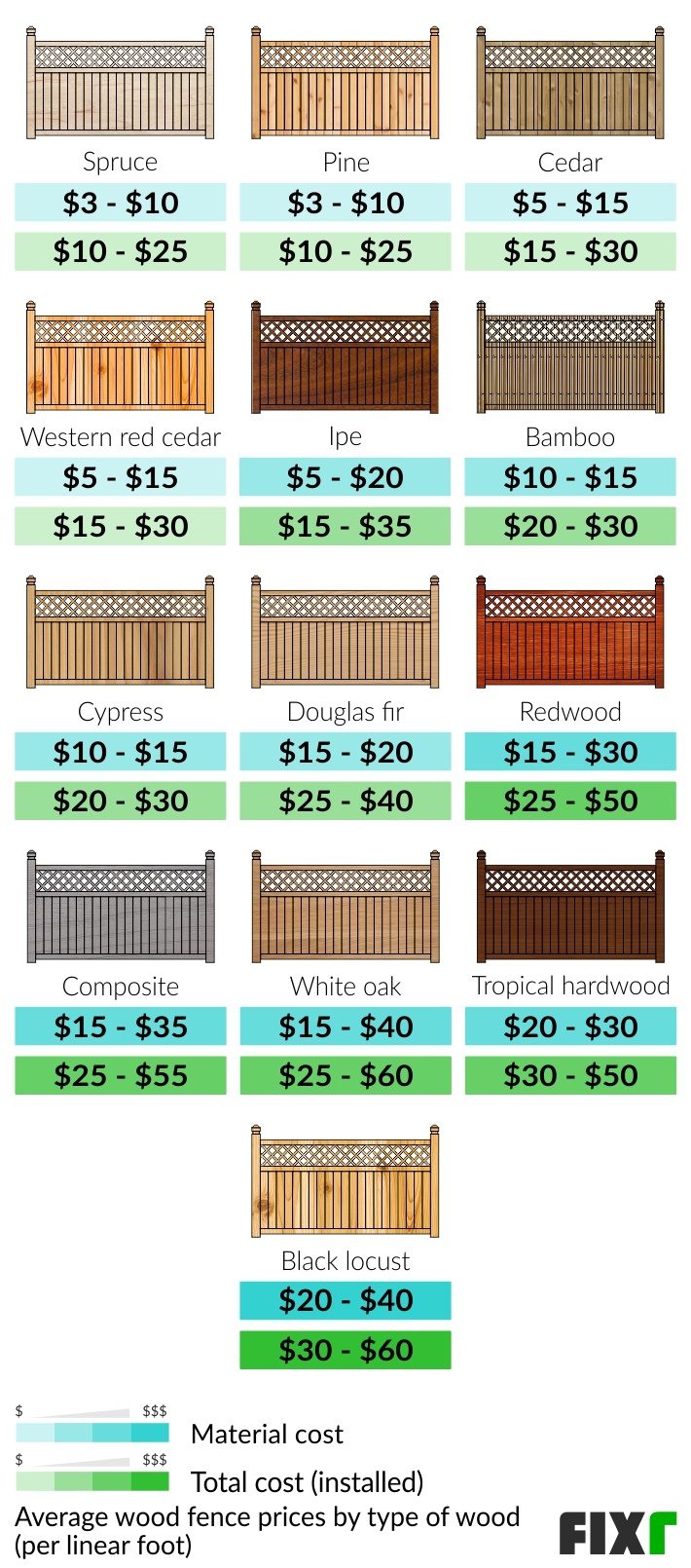
Cedar wood is often more expensive. It has a natural beauty. This wood is known for its rich color. Cedar costs more due to its durability. It is also resistant to insects. Many people choose cedar for these reasons.
Pressure treated wood is cheaper. It is widely available. This wood is treated with chemicals. This treatment helps prevent decay. It also stops insects from damaging it. Many use pressure treated wood for outdoor projects.
Aesthetic Appeal
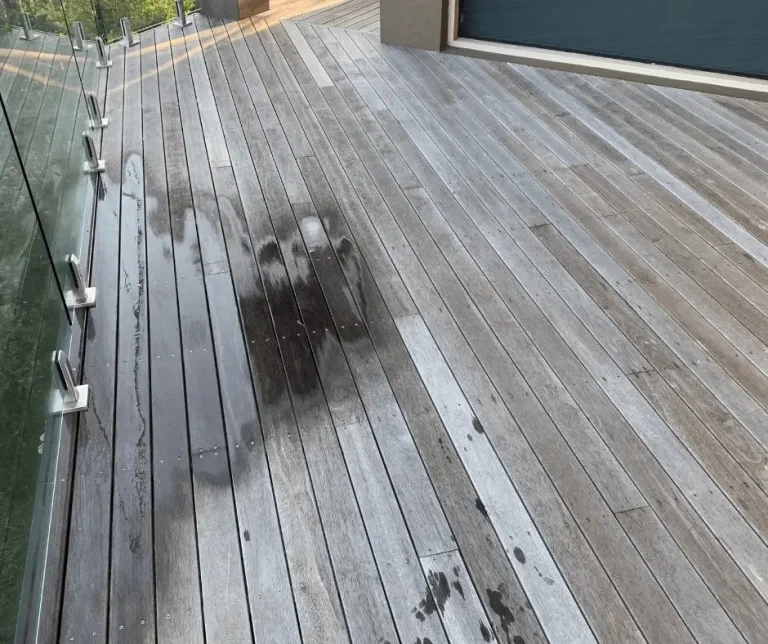
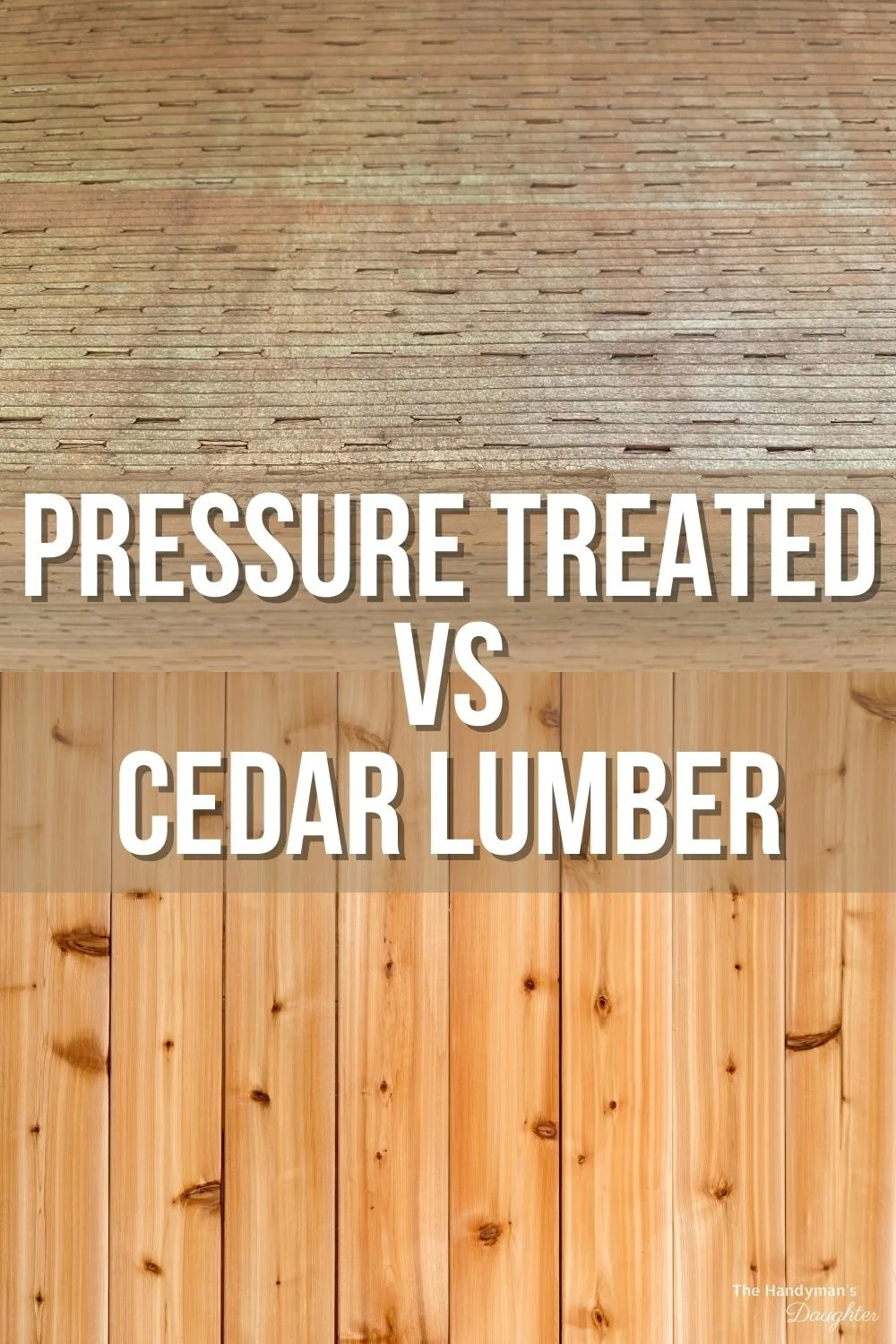
Cedar has a natural, rich color. It looks warm and inviting. The wood grain is fine and straight. This gives it a smooth texture. Cedar ages gracefully, developing a silver-gray patina. This adds to its charm. No two cedar boards are the same. Each one has unique patterns. These patterns enhance the beauty of the wood. Cedar is often chosen for its appearance. It stands out in any setting.
Pressure treated wood has a greenish tint. This comes from the chemicals used. These chemicals help protect the wood. The grain is not as fine as cedar. It looks more rugged. Over time, the green fades to a dull brown. This wood can be painted or stained. This helps improve its look. Some people like the rustic feel. Others prefer a more polished look. Pressure treated wood is more about function.
Maintenance Requirements
Cedar requires less maintenance. It ages beautifully. Cedar wood has natural oils. These oils resist insects and decay. Staining or sealing cedar is optional. Some people like the natural look. Cleaning cedar is easy. Use mild soap and water. Re-stain every few years if desired. It keeps the wood vibrant.
Pressure treated wood needs regular care. It is prone to splitting. Staining or sealing is a must. This protects the wood. Re-stain every year for best results. Use a good quality sealant. Clean the wood often. Dirt and grime can damage it. Check for mold and mildew. Treat these issues quickly.
Environmental Impact
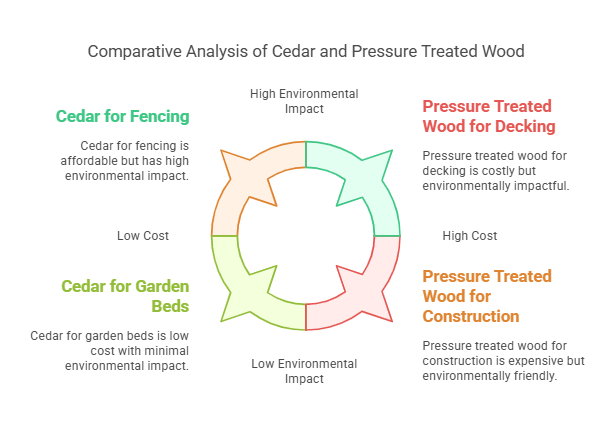
Cedar is a natural and sustainable wood. It grows in forests managed with care. These forests are often certified for their practices. Cedar is also biodegradable. It breaks down naturally without harming the earth. The wood has a low carbon footprint. This means it does not add much to global warming. Cedar does not need any chemical treatments. This makes it safer for the environment.
Pressure treated wood has chemicals in it. These chemicals can be harmful. They can leak into the ground. This can pollute the soil and water. The wood is also not biodegradable. It does not break down easily. Old treated wood can be hard to dispose of. Burning it can release toxic fumes. The process of making this wood uses a lot of energy. This adds to the carbon footprint.
Safety Considerations
Cedar is naturally resistant to decay and insects, making it safer for outdoor use. Pressure treated wood contains chemicals that may pose health risks if not handled properly.
Cedar Safety
Cedar wood is naturally resistant to insects and decay. It does not need chemical treatments. This makes cedar safer for people and pets. Cedar wood is often used for outdoor furniture and playsets. It does not have harmful chemicals. Cedar smells nice and is pleasant to work with. Many people choose cedar for its natural beauty and safety.
Pressure Treated Wood Risks
Pressure treated wood is treated with chemicals to resist insects and rot. These chemicals can be toxic. Safety precautions are important when cutting or sanding treated wood. Always wear gloves and a mask. Never burn pressure treated wood. Burning releases harmful chemicals into the air. Treated wood is best for structures not in contact with people or pets.
Credit: www.thehandymansdaughter.com
Best Uses And Applications
Cedar is great for outdoor furniture and decking. It resists rot and decay. This makes it ideal for fences and siding. Cedar is lightweight and easy to work with. It has a pleasant smell and is often used in closets and chests. It also repels insects. Cedar offers a natural look. It fits well in landscaping projects.
Pressure treated wood is often used for deck framing. It is also good for outdoor structures like gazebos and pergolas. This wood is treated to resist water and pests. It is cost-effective for large projects. Pressure treated wood works well for retaining walls and garden beds. It is strong and durable. This makes it suitable for heavy-duty applications.
Conclusion And Recommendations
Choosing the right wood for your project is crucial. Cedar has a natural beauty and aroma. It resists bugs and decay. Cedar needs less upkeep. Pressure-treated wood is strong and less costly. It lasts long but needs more care. Both have pros and cons. Cedar is better for looks and low maintenance. Pressure-treated wood is good for strength and budget.
Final Thoughts on wood choice depend on your needs. Think about cost, look, and upkeep. Cedar offers beauty and ease. Pressure-treated wood offers strength and savings. Choose what fits your project best. Both can work well. Make a smart choice based on your needs.
Frequently Asked Questions
What Is Cedar Wood?
Cedar wood is a natural, durable, and aromatic wood. It is often used for outdoor projects. Cedar is resistant to rot and decay.
What Is Pressure Treated Wood?
Pressure treated wood is chemically treated to resist rot and insects. It is commonly used for outdoor structures. It is more affordable than cedar.
Which Wood Lasts Longer, Cedar Or Pressure Treated?
Cedar lasts longer in dry climates, while pressure treated wood is better in moist conditions. Both have good durability.
Is Cedar More Expensive Than Pressure Treated Wood?
Yes, cedar is generally more expensive than pressure treated wood. However, its natural beauty and durability make it worth the cost.
Conclusion
Choosing between cedar and pressure-treated wood depends on your needs. Cedar offers natural beauty and durability. It resists rot and insects. Pressure-treated wood is more affordable and long-lasting. It withstands harsh weather and heavy use. Both have benefits and drawbacks.
Consider cost, maintenance, and appearance. Make an informed decision for your project. Your choice will impact longevity and aesthetics. Enjoy your outdoor space with the right wood.