How Much Do CedarWorks Playsets Cost? 2026 Price Guide
CedarWorks playsets run anywhere from about $2,500 for a basic fixed model to more than $15,000 for a large custom modular system. Where a specific set lands in that range comes down to three things: which product line it is, how many towers and add-ons it carries, and whether you count installation and shipping as part of the real cost.
Unlike most of the budget swing-set brands sold at big-box stores, CedarWorks builds exclusively with Northern White Cedar and sells factory-direct rather than through dealers – both of which change the math on what you actually pay. Below is a breakdown of the real price tiers, what drives cost within each one, and two things buyers commonly get wrong: the wood-maintenance cost and the installation cost.
CedarWorks Playset Price Tiers
CedarWorks sells three main product lines – Frolic (entry fixed), Play-a-round (modular), and larger custom Play Structures – and the price tiers roughly follow that split, according to a 2026 dealer price comparison from outdoor-recreation retailer Recreation Unlimited.
Playset Maintenance Pick
 |
Ready Seal 112 Natural Cedar Stain & Sealer, 1 Gallon – $39.99 CedarWorks’ Northern White Cedar doesn’t need sealing to survive outdoors, but this cedar-toned, no-lap formula is the easiest way to keep that honey color from fading to grey as fast if you want to.
|
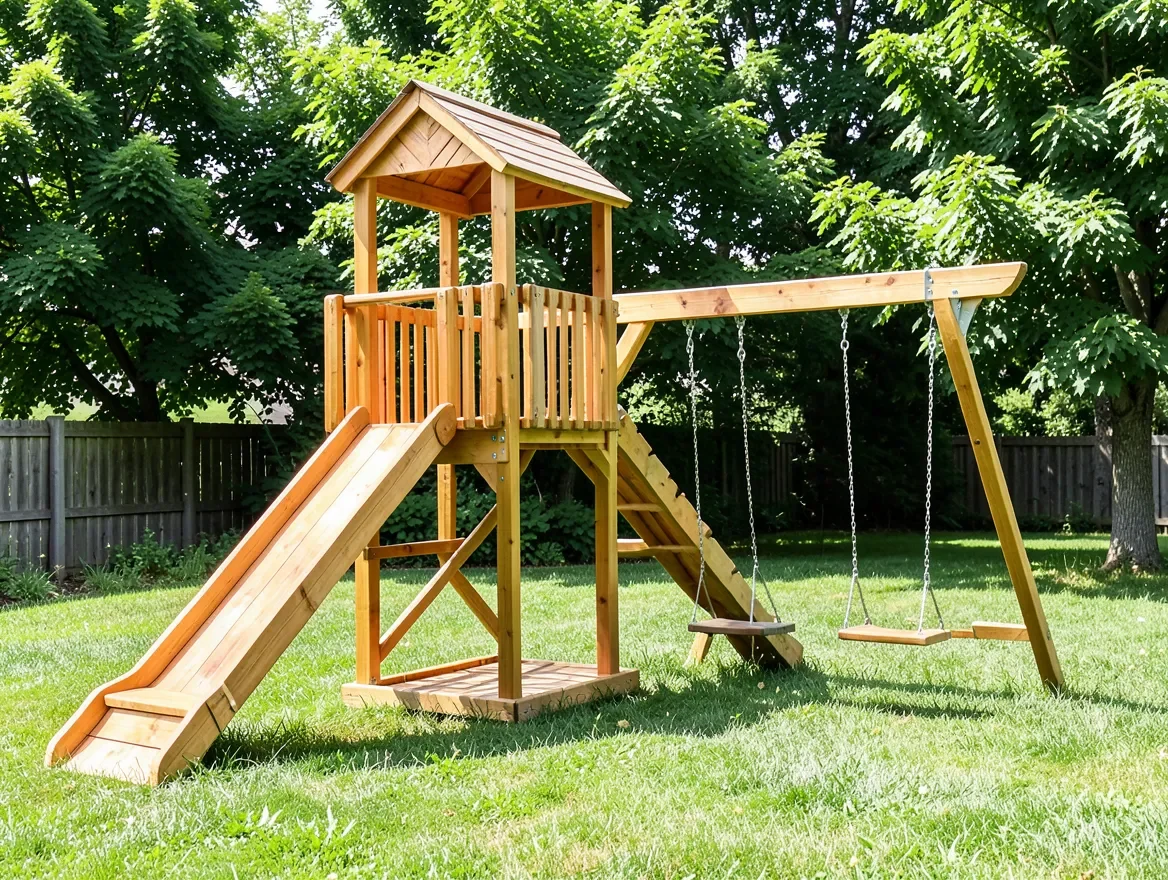
Entry-level, fixed designs start around $2,500. These are single-tower sets with one slide and one or two swings – no modular expansion, but still built from full Northern White Cedar rather than the pine or pressure-treated lumber used in similarly-priced competitor sets.
Mid-size modular sets run around $4,000. This is where CedarWorks’ Play-a-round system lives – you start with a base tower and add swing beams, a second tower, a rock wall, or a picnic table as separate modules, so the price climbs with each piece you add rather than jumping between fixed models.
Large custom systems can run well past $15,000. These are multi-tower layouts with spiral slides, monkey bars, cargo nets, and covered forts – effectively a small backyard playground built section by section to the buyer’s yard and budget.
Why Northern White Cedar Costs More Than Pine
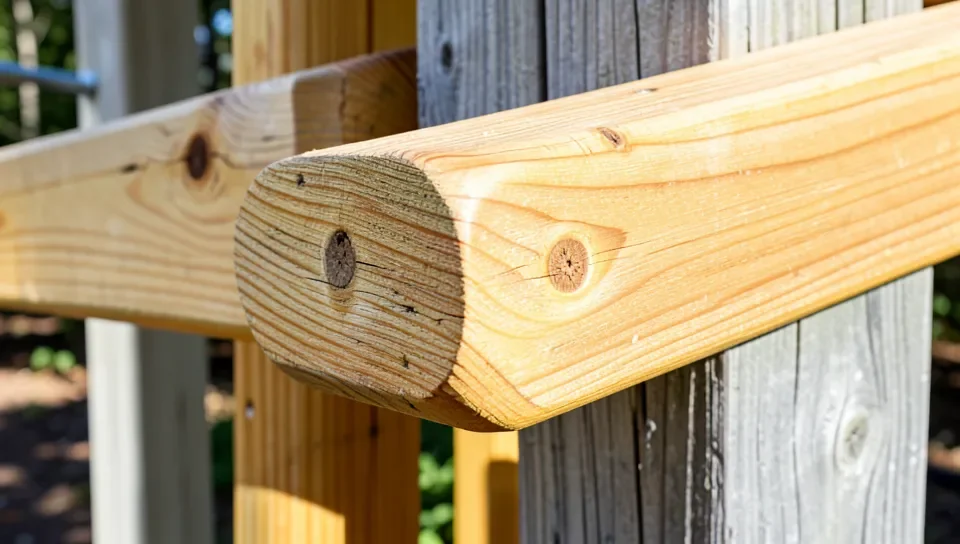
The wood itself is the biggest reason CedarWorks costs more than a Backyard Discovery or Cedar Summit set of similar size. Northern White Cedar naturally resists decay and insects, and its soft fiber structure means the lumber stays splinter-free without the pressure-treatment chemicals that cheaper pine and fir playsets rely on. It’s also traditionally cut in larger dimensions than other playset lumber, which is part of why CedarWorks sets tend to feel sturdier under an adult’s weight, not just a child’s.
None of that means the wood stays looking new. Left unstained, Northern White Cedar gradually shifts from a warm honey tone to a silvery-grey patina over a few seasons outdoors – a cosmetic change, not a structural one. Pine and pressure-treated playsets, by contrast, need re-staining every couple of years just to keep the wood from cracking and splitting, which is real ongoing cost that a lot of budget-set price comparisons leave out entirely.
What Drives the Price Within Each Tier
Inside any given tier, four choices move the price the most:
Number of towers. A second tower roughly doubles the play value but doesn’t double the price – it’s usually the single biggest jump between a mid-range and premium configuration.
Slide type. A straight plastic slide is the cheapest add-on; a wave slide or enclosed spiral tube slide costs meaningfully more and is usually only offered on the larger modular and custom lines.
Swing beam length and swing count. Each additional swing position (belt swing, trapeze bar, glider) adds to both the beam hardware cost and the footprint you need in the yard.
Extras. Rock walls, monkey bars, picnic tables, sandboxes, and covered roofs are sold as add-on modules on the modular and custom lines, which is exactly why two CedarWorks sets that look similar in a catalog photo can differ by several thousand dollars.
Installation and Shipping: The Cost Most Buyers Miss
Here’s the part a lot of comparison articles get wrong: CedarWorks does not have a network of local installer-dealers the way some competitor brands do. CedarWorks sells factory-direct online, which means the set arrives unassembled and installation is on the buyer – either doing it yourself over a weekend or hiring your own local contractor or handyman, at whatever rate they charge in your area.
Shipping is a real line item too, and it’s easy to underestimate. Northern White Cedar is dense, and a mid-size modular set can weigh several hundred pounds once you count every beam, post, and hardware box – freight carriers price that by weight and distance, so it’s worth getting a shipping quote for your specific zip code before you commit to a configuration, not after.
Ongoing Maintenance Costs
One genuine cost advantage: CedarWorks doesn’t require staining to protect the wood, so there’s no mandatory yearly sealing bill the way there is with a pine or pressure-treated set. If you’d rather keep the honey-cedar color from turning grey, a cedar-toned exterior sealer applied every year or two is optional, not required – most one-coat formulas need a light second coat for even coverage on rougher-cut lumber like playset beams.
Beyond that, upkeep is mostly inspection: check swing chains and bolts for looseness each season, and order replacement hardware or a specific beam directly from CedarWorks if something wears out – individual part costs vary by piece, but they’re far cheaper than replacing a whole tower.
CedarWorks vs Budget Playsets: Is the Price Worth It
A CedarWorks set will almost always cost more upfront than a comparable cedar or pine playset from a big-box retailer. The trade-off is longevity and maintenance: a budget pine set typically needs re-staining within two to three years and shows rot at joints sooner if that maintenance slips, while an unstained CedarWorks set is designed to weather gracefully for a decade or more on the strength of the wood alone.
Whether that’s worth the price difference really comes down to how long you plan to keep the set and how much yearly maintenance you’re realistically going to do. Families who want to buy once and mostly ignore upkeep tend to be the ones who find CedarWorks worth the premium; families planning to move or replace the set within a few years often get equal value from a cheaper pine model.
Frequently Asked Questions
How Much Do CedarWorks Playsets Cost?
CedarWorks playsets typically start around $2,500 for entry-level fixed models, run about $4,000 for mid-size modular sets, and can exceed $15,000 for large custom designs with multiple towers and add-ons.
Why Are CedarWorks Playsets More Expensive Than Pine Playsets?
CedarWorks builds with Northern White Cedar, which naturally resists rot and insects and stays splinter-free without staining. Cheaper pine playsets need pressure-treatment and more frequent refinishing to last as long.
Does CedarWorks Include Professional Installation?
No. CedarWorks sells factory-direct online with no dealer network, so buyers are responsible for assembly themselves or hiring a local contractor, and freight shipping for the heavy cedar lumber is a separate cost.
Do CedarWorks Playsets Need To Be Sealed Or Stained?
Not for structural protection – the Northern White Cedar naturally resists decay and will simply weather to a silvery-grey over time. Some owners still apply a cedar-toned sealer to keep the honey color longer.
Bottom Line
Budget $2,500 to $4,000 for a solid entry or mid-size CedarWorks set, and plan for it to climb past $10,000 once you start stacking towers and premium add-ons. Add installation labor and freight shipping to whatever total you land on, since neither is included in the sticker price – and remember that the wood itself is engineered to need less upkeep than a cheaper alternative, which is really what you’re paying the premium for.
Sponsored / affiliate links. As an Amazon Associate I earn from qualifying purchases. I may earn additional commission from eligible campaigns.