Cedar Doesn’T Rot: Discover the Secret to Long-Lasting Wood
Have you ever worried about your wooden deck or fence falling apart because of rot? You’re not alone.
Wood that rots can cause big headaches and expensive repairs. But what if there was a type of wood that naturally resists rot and lasts for years? That’s where cedar comes in. Cedar doesn’t rot like other woods, and knowing why can save you time, money, and stress.
Keep reading to discover the secret behind cedar’s incredible durability and how it can protect your outdoor spaces better than you ever imagined.
Properties Of Cedar Wood
Cedar wood has unique properties that make it stand out. It is strong, light, and lasts a long time. These qualities help cedar resist damage and decay. Understanding cedar’s natural features explains why it doesn’t rot easily.
Natural Oils And Resins
Cedar contains natural oils and resins inside its fibers. These oils protect the wood from insects and fungi. They act as a natural shield against decay. This makes cedar a smart choice for outdoor use.
Grain And Texture
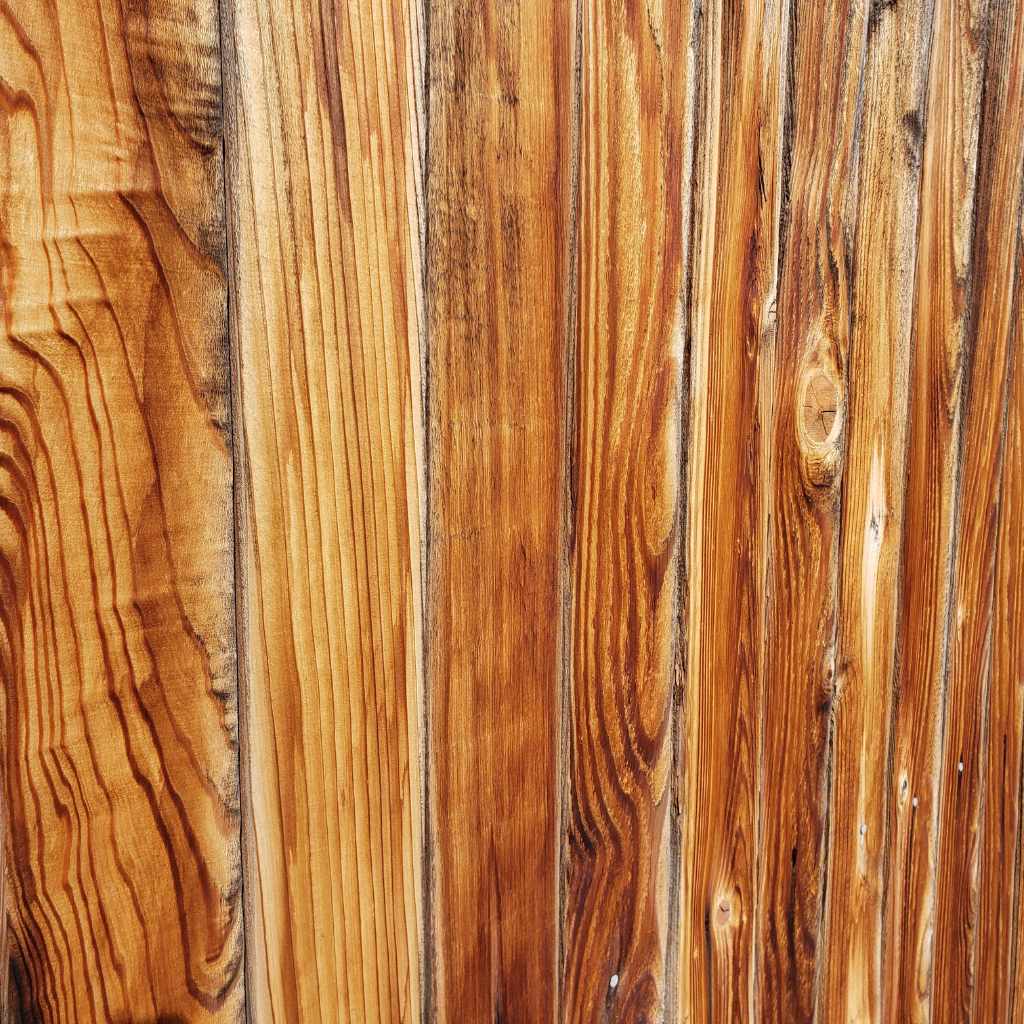
The grain of cedar is straight and even. Its texture is fine and soft to the touch. This smooth surface helps cedar resist cracks and warping. It also makes the wood easy to work with.
Moisture Resistance
Cedar wood does not absorb much water. It repels moisture, which slows down rot and mold growth. This quality keeps cedar strong even in wet conditions. It is a popular wood for decks, fences, and siding.
How Cedar Resists Rot
Cedar wood lasts a long time because it does not rot easily. It has natural qualities that stop decay. These qualities keep cedar strong and good-looking for years.
Rot happens when fungi grow on wood. Cedar fights these fungi in many ways. Understanding how cedar resists rot helps explain why it is a popular choice for outdoor use.
Antifungal Compounds
Cedar contains special oils and chemicals that stop fungi. These antifungal compounds make the wood less friendly to mold and decay. They act like a natural shield, protecting cedar from breaking down.
Insect Deterrence
Cedar’s scent and oils repel many insects. Bugs like termites and beetles avoid cedar wood. Without insects boring holes, cedar stays solid and does not rot from inside.
Breathability And Drying
Cedar wood lets air pass through its fibers. This breathability helps moisture escape quickly. Dry wood is less likely to rot because fungi need damp places to grow.
Comparing Cedar To Other Woods
Cedar is a popular wood choice for many projects. Its natural resistance to rot sets it apart. Comparing cedar to other woods helps understand its benefits. This section breaks down cedar’s qualities versus other common woods.
Durability Differences
Cedar resists decay and insects better than many woods. Pine and fir often rot faster outdoors. Cedar’s natural oils protect it from moisture damage. Oak is strong but can absorb water and rot. Cedar stands up well in wet or humid areas.
Maintenance Requirements
Cedar needs less maintenance than softwoods like pine. It does not require frequent sealing or staining. Other woods often need regular treatment to prevent rot. Cedar’s natural properties reduce the need for chemicals. This saves time and effort over the years.
Cost And Availability
Cedar usually costs more than pine or fir. It is widely available in many regions. Some exotic woods may cost even more than cedar. The higher price reflects its durability and low upkeep. Buyers get long-term value with cedar despite upfront costs.
Best Uses For Cedar Wood
Cedar wood is famous for lasting long and resisting rot. It stays strong even in wet conditions. This makes it ideal for many outdoor and indoor projects. Its natural oils protect it from insects and decay. Cedar also looks warm and inviting, adding beauty to any space.
The best uses for cedar wood take advantage of its durability and charm. It works well for furniture, decks, fences, and home siding. Each use benefits from cedar’s natural strength and resistance. Here are some top ways to use cedar wood.
Outdoor Furniture
Cedar is perfect for outdoor furniture. It does not warp or crack easily. Chairs, benches, and tables made from cedar last for years. The wood’s natural scent helps keep bugs away. Cedar furniture stays comfortable and looks great in gardens or patios.
Decking And Fencing
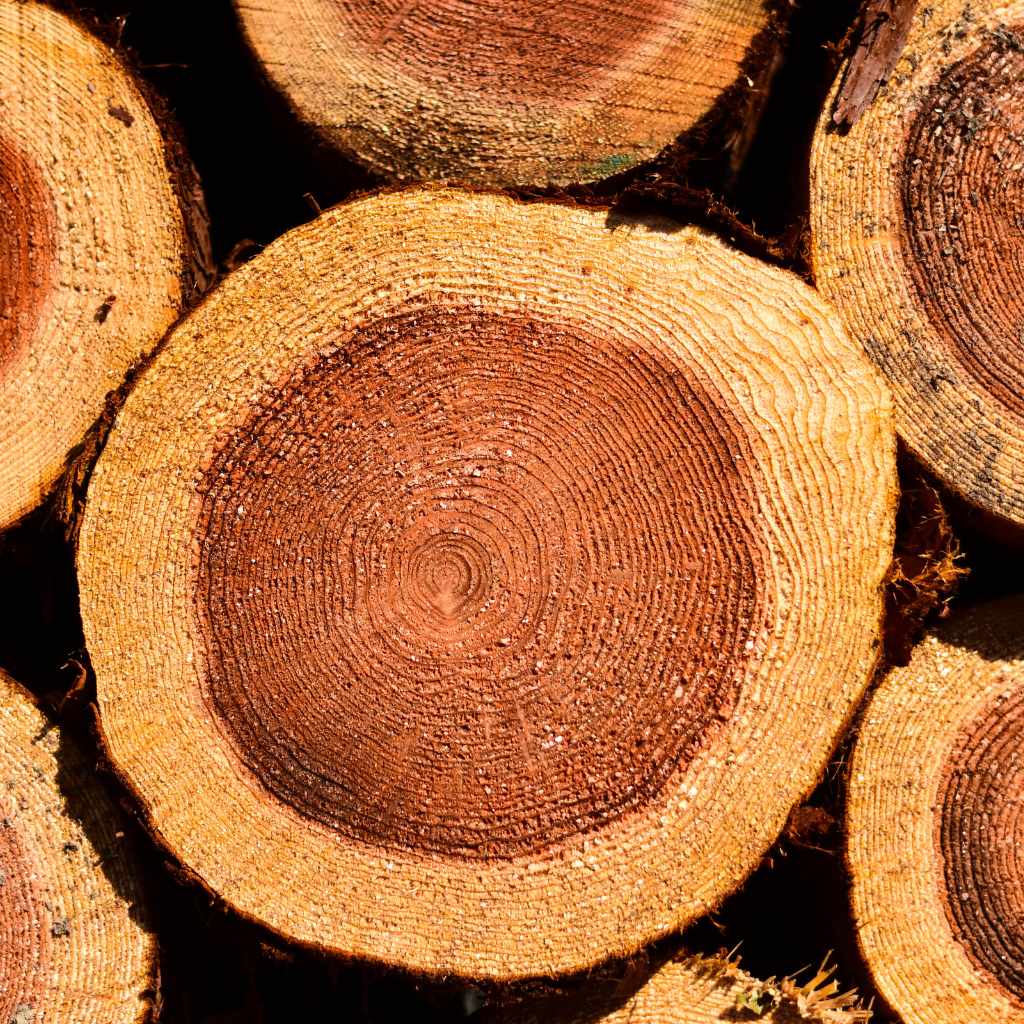
Decks and fences made of cedar resist moisture well. They stay strong through rain and snow. Cedar wood also avoids splintering, making decks safe to walk on. Its reddish color and grain add a natural look to yards. Cedar fencing offers privacy and lasts longer than many other woods.
Siding And Paneling
Cedar siding protects homes from weather damage. It acts as a natural barrier against wind and rain. Cedar paneling inside adds warmth and charm to rooms. The wood’s natural oils prevent decay and keep it looking fresh. Its easy maintenance saves time and effort for homeowners.
Care Tips For Longevity
Cedar wood is known for its natural resistance to rot. Still, proper care helps it last even longer. Simple steps keep cedar looking fresh and strong over time. These care tips protect your investment and maintain wood’s beauty.
Cleaning And Sealing
Clean cedar regularly to remove dirt and debris. Use a soft brush and mild soap with water. Avoid harsh chemicals that can damage the wood. After cleaning, let the wood dry fully. Apply a high-quality sealant to protect against moisture. Sealing also prevents stains and sun damage. Repeat sealing every few years for best results.
Avoiding Water Traps
Water causes wood damage over time. Make sure cedar has good airflow around it. Avoid places where water collects or stays for long. Fix leaks or drainage problems quickly. Keep gutters and downspouts clear to direct water away. Slopes and gaps help water drain off surfaces fast.
Regular Inspections
Check cedar wood often for signs of damage or wear. Look for cracks, discoloration, or mold spots. Early detection stops problems from spreading. Replace or repair damaged sections quickly. Keep fasteners tight and secure. Regular care extends cedar’s life and keeps it strong.
Environmental Benefits Of Cedar
Cedar wood offers many environmental benefits. It is a smart choice for eco-friendly building and crafts. Its natural properties help protect nature while providing durable material for many uses.
Using cedar supports a healthier planet in several ways. Below are key environmental advantages of cedar wood.
Sustainability And Harvesting
Cedar trees grow quickly compared to many hardwoods. This fast growth allows for regular harvesting without harming forests. Sustainable forestry practices ensure cedar forests stay healthy and abundant. Careful management helps maintain wildlife habitats and soil quality.
Biodegradability
Cedar wood breaks down naturally over time. It does not leave harmful waste or chemicals behind. This biodegradability reduces landfill pressure and pollution. Cedar returns nutrients to the soil, supporting new plant growth.
Energy Efficiency
Cedar has natural insulating properties. It keeps homes cooler in summer and warmer in winter. This lowers the need for heating and cooling. Using cedar helps save energy and reduces carbon emissions.
Frequently Asked Questions
Why Does Cedar Wood Resist Rotting?
Cedar contains natural oils and acids that repel moisture and fungi. These properties prevent decay and extend cedar’s lifespan. This makes cedar ideal for outdoor use, where moisture is common.
How Long Does Cedar Last Without Rotting?
Cedar can last 15 to 30 years or more without rotting. Proper maintenance and exposure to air enhance its durability. Its natural resistance makes it a reliable choice for outdoor projects.
Is Cedar Better Than Other Woods For Rot Resistance?
Yes, cedar is naturally more rot-resistant than many woods like pine or fir. Its natural oils protect it from fungi and insects, reducing decay. This makes cedar a preferred wood for outdoor applications.
Can Cedar Rot If Exposed To Too Much Water?
While cedar resists moisture, prolonged water exposure can cause rot. Proper sealing and ventilation prevent water buildup. Regular maintenance ensures cedar stays rot-free longer.
Conclusion
Cedar wood stays strong for many years without rotting. Its natural oils protect it from moisture and bugs. This makes cedar a smart choice for outdoor projects. You don’t need to worry about decay or damage easily. Cedar looks good and lasts long with little care.
Choosing cedar means saving money on repairs later. Trust cedar for durable, beautiful wood that stands up well. A wise pick for any home or garden.