Can Cedar Be Used Outside? Yes – Here’s the Actual Science
Yes, cedar is one of the better woods you can put outside untreated — not because it’s waterproof, but because its heartwood naturally contains oils called thujaplicins that resist fungal decay and repel wood-boring insects. That’s a real chemical property, not just marketing language, and it’s the actual reason cedar fencing, decking, and siding routinely outlasts pine or spruce left unprotected in the same yard.
One catch most guides skip: that natural resistance lives almost entirely in the heartwood (the darker, denser center of the tree). Cedar sapwood, the lighter band near the bark, doesn’t contain the same concentration of protective oils and rots at closer to the rate of an untreated softwood. If you’re buying cedar boards, more heartwood (darker, more uniform color) generally means more of the actual decay resistance you’re paying for.
Why Cedar Holds Up Outside
Fasteners That Won’t Stain Your Cedar
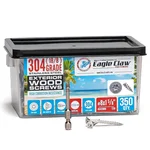 |
Eagle Claw 304 Stainless Steel Exterior Wood Screws, 350-Pack – $41.95 Cedar’s natural tannins react with plain steel and zinc-plated fasteners, causing ugly black streaks around every screw head within a season or two. Stainless steel doesn’t react with the tannins, so it stays clean.
|
Beyond the natural oils, cedar has a genuinely useful physical property for outdoor use: it’s dimensionally stable, meaning it doesn’t swell, shrink, warp, or cup as much as many other softwoods when it cycles between wet and dry. That’s a real, separate reason it holds paint and stain better over time than woods that move more with humidity changes, on top of resisting the rot itself.
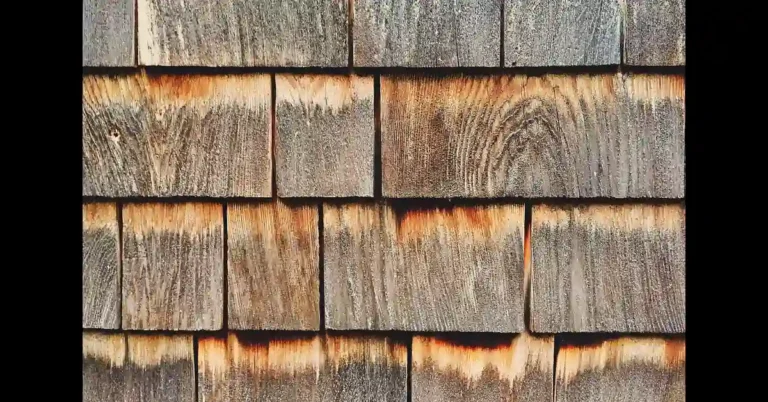
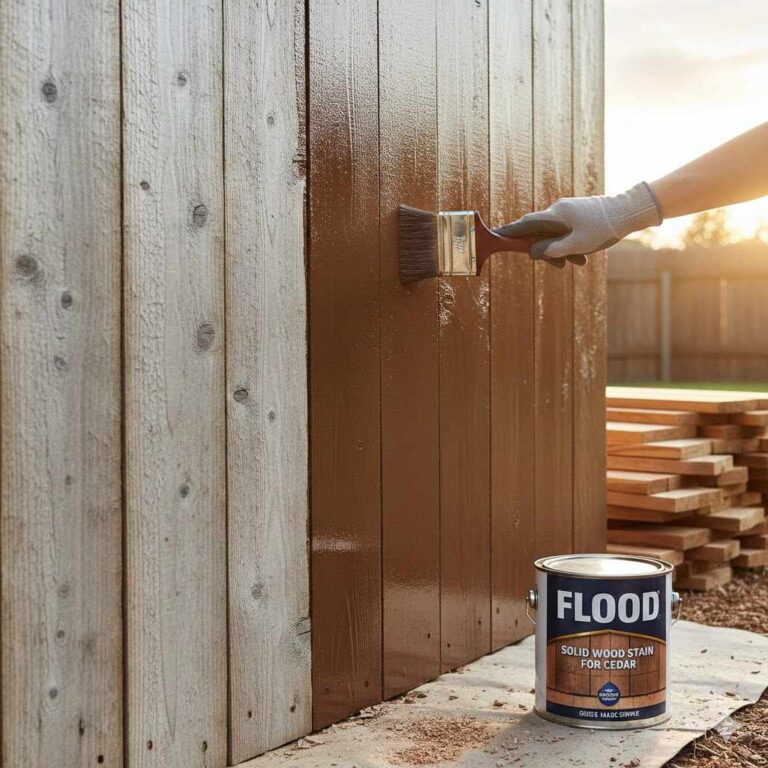
None of that makes cedar immune to weather. UV exposure will gray and fade the surface color regardless of the wood’s rot resistance — that’s a cosmetic change, not decay, but it’s the main reason people seal or stain cedar even though it doesn’t strictly need it to survive.
Cedar vs. Pine and Spruce Outdoors
Untreated pine and spruce lack cedar’s natural oils and will typically show rot within a few years of direct ground or weather exposure, which is why they’re almost always pressure-treated or heavily sealed before outdoor use. Cedar’s premium price reflects the fact that it doesn’t need that chemical treatment to hold up — you’re paying more per board foot but skipping the pressure-treatment step and its added maintenance and chemical handling.
That said, pressure-treated pine, once treated, often outlasts even good cedar heartwood in ground contact or constant-moisture applications, since the treatment chemicals penetrate deeper than cedar’s natural oils reach. For fence posts set in soil, treated pine is frequently the better choice even on an otherwise all-cedar fence; for the boards and rails that stay above grade, cedar’s natural resistance and better appearance usually win out.
Common Outdoor Uses
- Fencing. One of cedar’s most common outdoor uses; low maintenance, takes stain or paint well if you want a color, or can be left to weather to a silvery gray naturally.
- Decking. Lightweight relative to its strength, with natural oils that help resist the moisture cycling a deck surface takes constant abuse from.
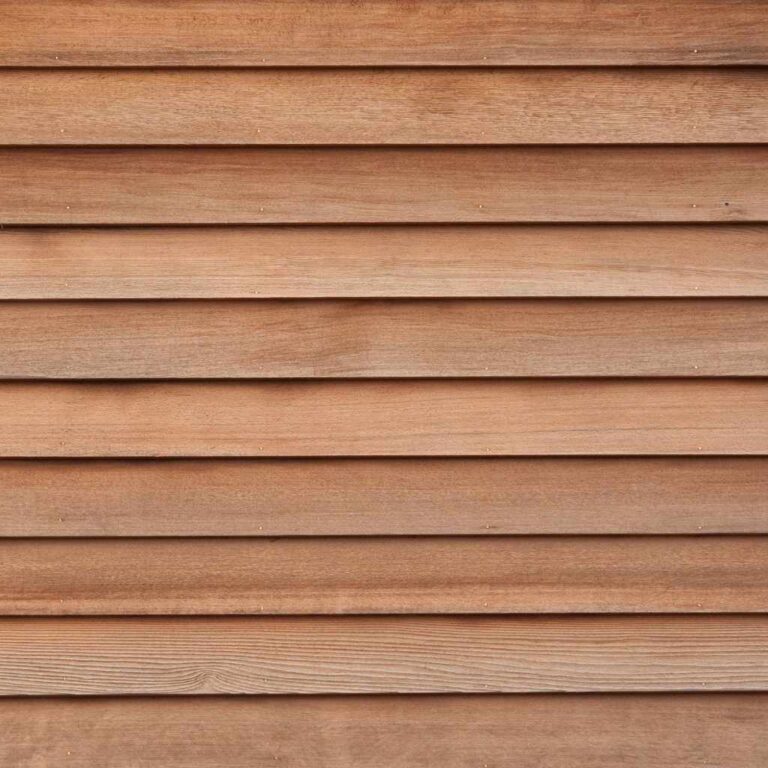
- Siding. Dimensional stability matters here since siding needs to hold a flat, stable plane against a wall for decades.
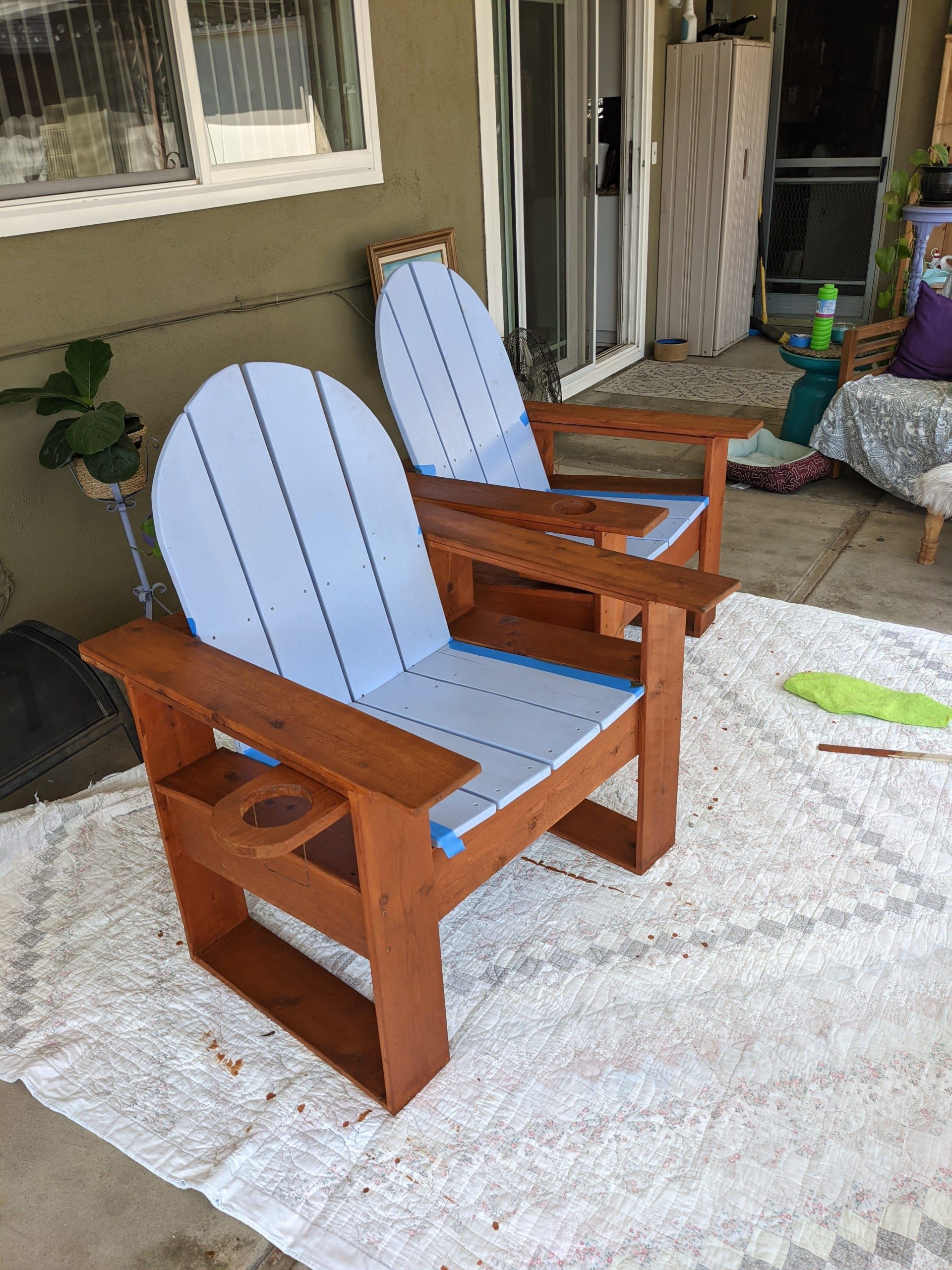
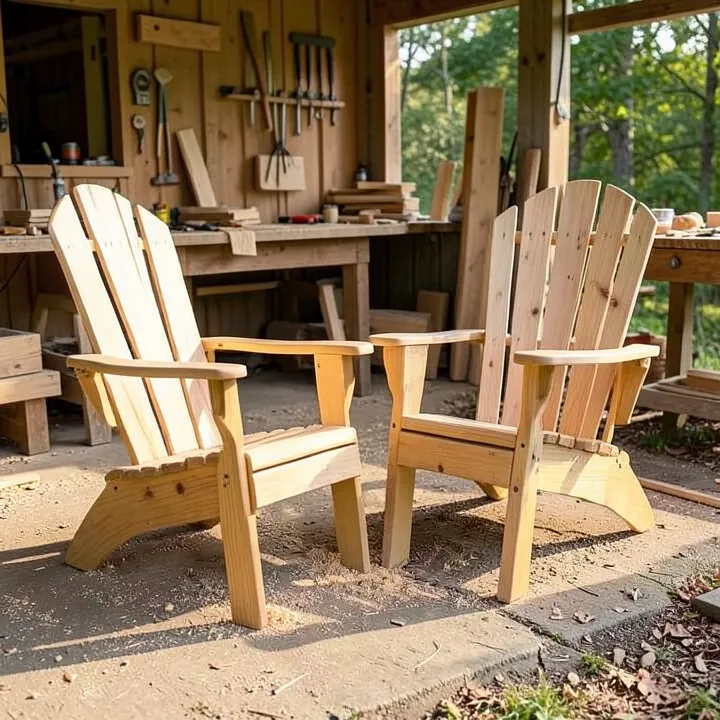
- Outdoor furniture. Cedar’s workability and natural resistance make it a favorite for benches, planters, and Adirondack-style chairs.
Keeping Cedar Looking Good Outside
Clean cedar with mild soap and water on a soft brush every six months or so, rinse thoroughly, and let it dry fully before applying anything. Skip pressure washing on a high setting; cedar is soft enough that aggressive pressure can erode the softer grain lines and leave a fuzzy, damaged surface.
A UV-blocking sealer or stain, reapplied every year or two depending on sun exposure, preserves the color and slows the natural graying process; it’s a cosmetic choice, not a survival requirement, since the wood’s own oils are already doing the decay-resistance work underneath. Use stainless or hot-dip galvanized fasteners (not plain steel or standard zinc-coated), since cedar’s tannins react with iron and will leave dark streaks radiating from every screw or nail within a season.
Frequently Asked Questions
Is cedar wood good for outdoor use?
Yes. Cedar heartwood contains natural oils that resist rot and insects, and the wood is dimensionally stable, so it holds up well as fencing, decking, siding, and outdoor furniture without chemical treatment.
How long does cedar last outside?
Untreated cedar heartwood commonly lasts 15 to 30 years outdoors, and longer with regular sealing and maintenance. Cedar sapwood, the lighter wood near the bark, doesn’t have the same resistance and will decay noticeably faster.
Does cedar need to be sealed or treated for outdoor use?
Not to survive, but sealing slows the natural graying UV exposure causes and keeps the original color longer. Treat it as a cosmetic choice rather than a requirement for basic decay resistance.
Can cedar be used for outdoor furniture?
Yes, it’s a common and good choice. It’s lightweight, workable, naturally resistant to insects and rot, and dimensionally stable enough to hold joinery well outdoors.
Bottom Line
Cedar earns its reputation for outdoor use honestly: real natural oils in the heartwood resist decay and insects, and the wood stays dimensionally stable through wet-dry cycles that warp lesser softwoods. Buy for heartwood content, use stainless fasteners to avoid tannin staining, and treat sealing as optional cosmetic upkeep rather than a survival requirement.
Sponsored / affiliate links. As an Amazon Associate I earn from qualifying purchases. I may earn additional commission from eligible campaigns.